
Bottle cleaning brushes for OEM: bristles, tip guards, MOQ, and export cartons
You want to add cleaning brushes to your water bottle line. But you worry about quality issues, confusing specifications, and hidden costs that might hurt your margins.
Bottle cleaning brushes serve as essential accessories for stainless steel water bottles. The right brush enhances product value and customer satisfaction. I will show you how to select bristles, understand tip guards, navigate MOQ requirements1, and optimize export packaging costs.
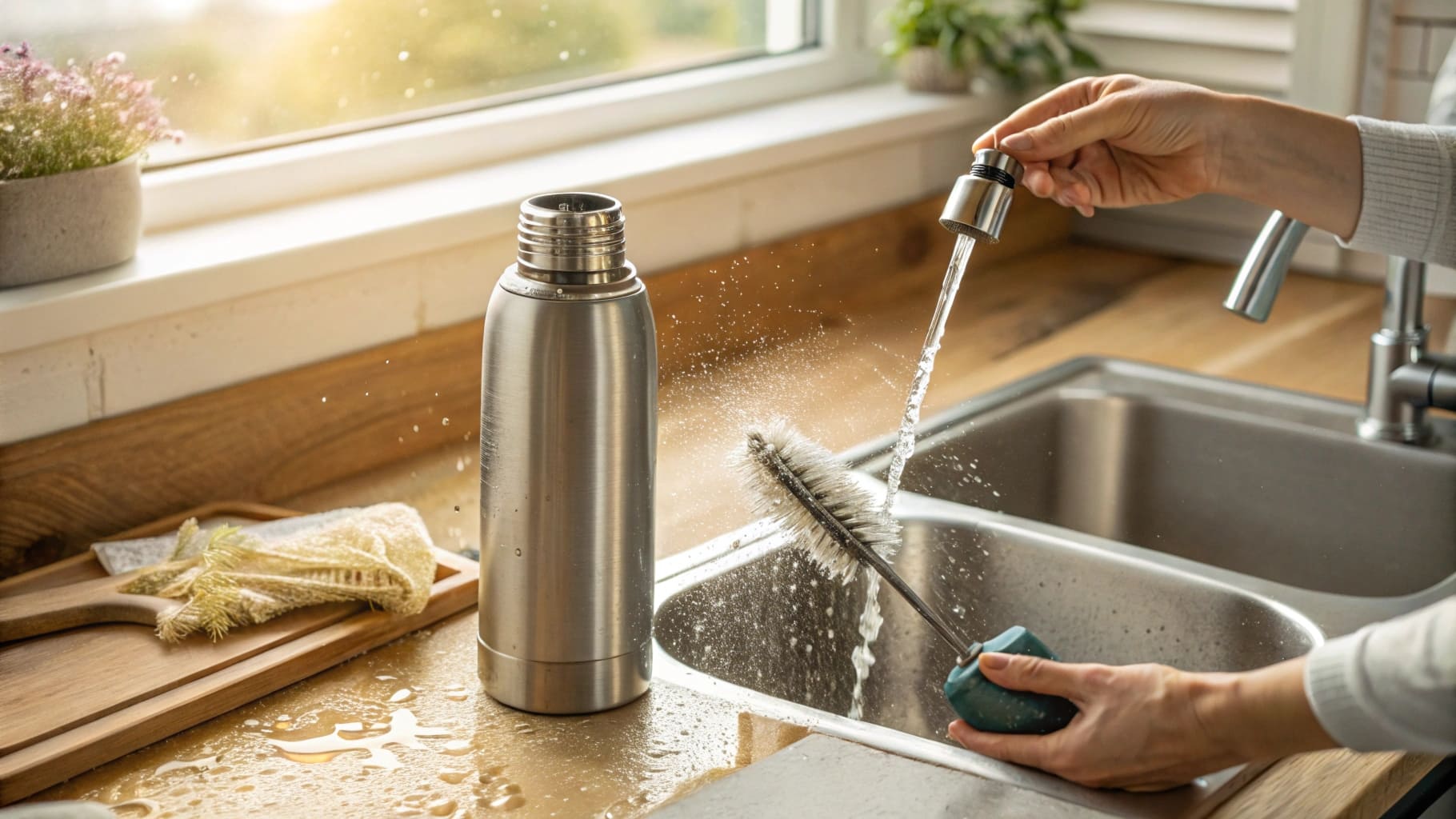
I have supplied cleaning brushes to distributors like you for over eight years. Many buyers tell me they struggle with the same questions. Which material works best? What does the HS code mean for customs clearance? How can I balance quality with competitive pricing? Let me share what I learned from these real-world challenges.
What is the HS Code for Cleaning Brush?
You received a shipment quote but the customs fees seem high. The freight forwarder used the wrong HS code. Now you face unexpected costs and delivery delays.
Bottle cleaning brushes fall under HS Code 9603.29 or 9603.90. The correct code depends on brush design and intended use. Proper classification prevents customs delays and reduces import duties by up to 15%.
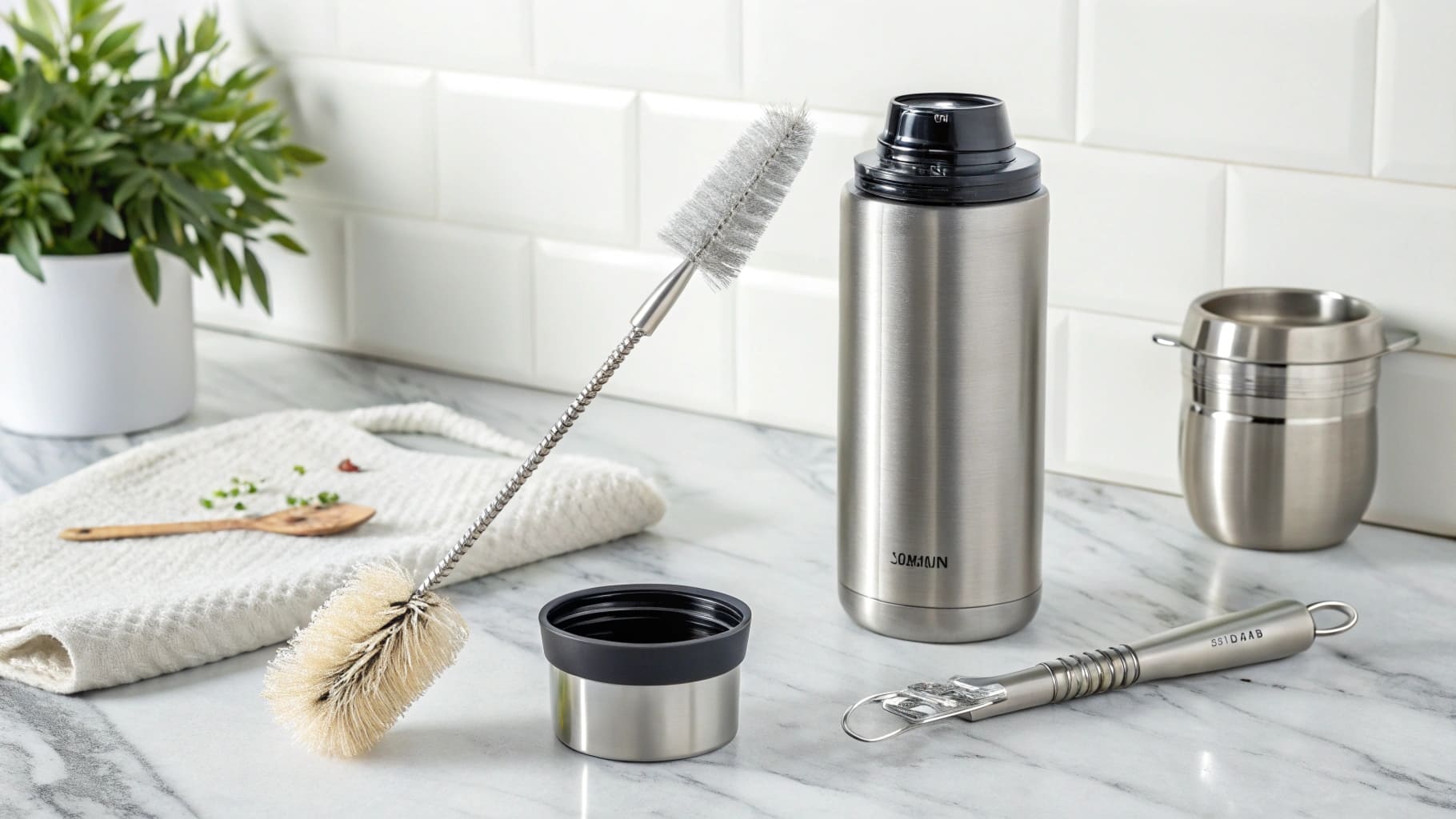
Understanding HS Code Classifications
I remember when one of my Canadian clients faced a three-week customs hold. The issue was simple but costly. His freight forwarder classified the brushes under the wrong code. This mistake triggered additional inspections and penalty fees.
HS Code 9603.29 covers toilet brushes for personal use. This includes toothbrushes and hair brushes. HS Code 9603.90 covers brooms, brushes, and cleaning tools for general purposes. Most bottle brushes fit better under 9603.90.
The classification depends on three factors. First, what materials make up the brush? Silicone brushes may get different treatment than nylon bristle ones. Second, what is the primary function? A brush designed specifically for bottle cleaning falls under different rules than a multipurpose brush. Third, how is the brush packaged? Brushes sold as part of a bottle set might use the bottle's HS code instead.
I always recommend working with experienced customs brokers. They know the latest regulations in your target market. Each country interprets HS codes slightly differently. What works for US customs might not work for EU customs. The cost of getting this wrong exceeds the broker's fee many times over. I have seen buyers save thousands of dollars in duties simply by using the correct code from the start.
| HS Code | Category | Typical Duty Rate | Best For |
|---|---|---|---|
| 9603.29 | Personal toilet brushes | 0.2-3.5% | Simple household brushes |
| 9603.90 | Other brushes | 2.8-8% | Bottle-specific cleaning tools |
What are Bottle Brushes Used For?
Your customers complain about odors in their water bottles. They try hand washing but cannot reach the bottom. The residue builds up and ruins the drinking experience.
Bottle brushes remove residue, eliminate odors, and prevent bacterial growth in narrow-neck containers. They reach areas that hands and regular sponges cannot access. Quality brushes extend bottle lifespan and improve hygiene standards.
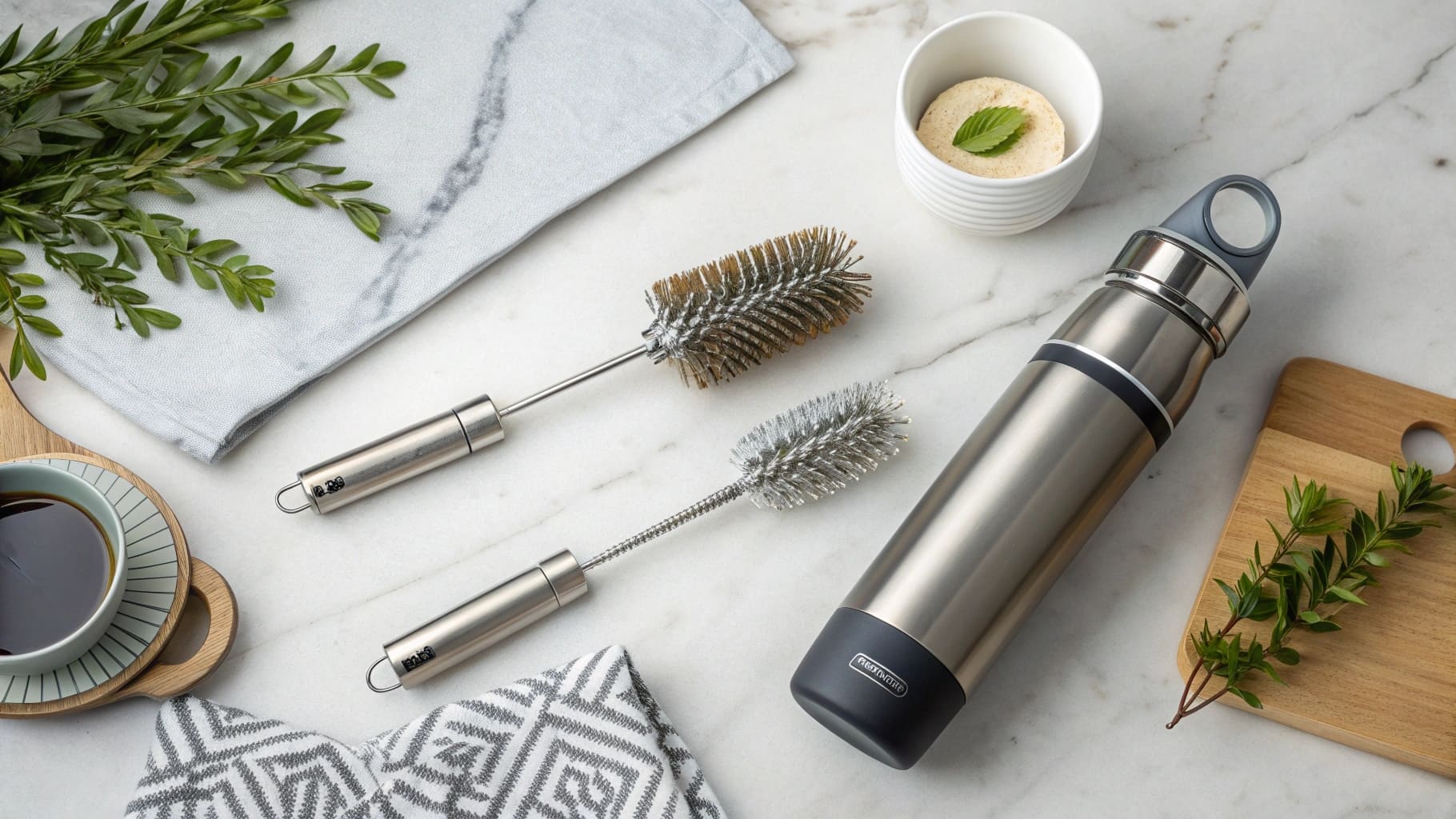
Primary Functions That Drive Market Demand
I see the same pattern with every new client. They underestimate how much customers care about bottle hygiene. One distributor told me his return rate dropped by 40% after including quality cleaning brushes with each bottle. The brushes solved problems customers did not even mention in their complaints.
Bottle brushes serve four critical functions. First, they remove stuck-on residue from protein shakes, smoothies, and coffee. These beverages leave films that plain water cannot wash away. Second, they eliminate odors that develop from bacterial growth. Even stainless steel bottles develop smells if not cleaned properly. Third, they clean complex lid mechanisms. Modern bottles have straws, valves, and silicone gaskets. Each part needs specific brush shapes. Fourth, they reach the bottom of narrow-neck designs. Standard sponges cannot fit through openings smaller than 2 inches.
The health-conscious consumer drives demand for these products. I notice this trend especially in North American markets. Customers now view proper bottle cleaning as part of their wellness routine. They want tools that make cleaning easy and effective. A good brush turns a tedious chore into a quick task.
For your business model, this creates opportunity. Brushes cost between $0.50 and $2.00 at wholesale. You can retail them for $5 to $10. The profit margin exceeds the bottle itself in many cases. Plus, brushes encourage repeat purchases. Customers need replacements every 3-6 months. This creates ongoing revenue that bottles alone cannot provide.
Are Silicone Bottle Brushes Better?
You compare different brush samples. One supplier pushes silicone. Another insists nylon bristles2 work better. The conflicting advice makes your decision harder.
Silicone brushes resist bacteria, tolerate high heat, and last longer than traditional bristles. However, nylon bristles provide stronger scrubbing power for tough stains. The best choice depends on your target customer's priorities and usage patterns.
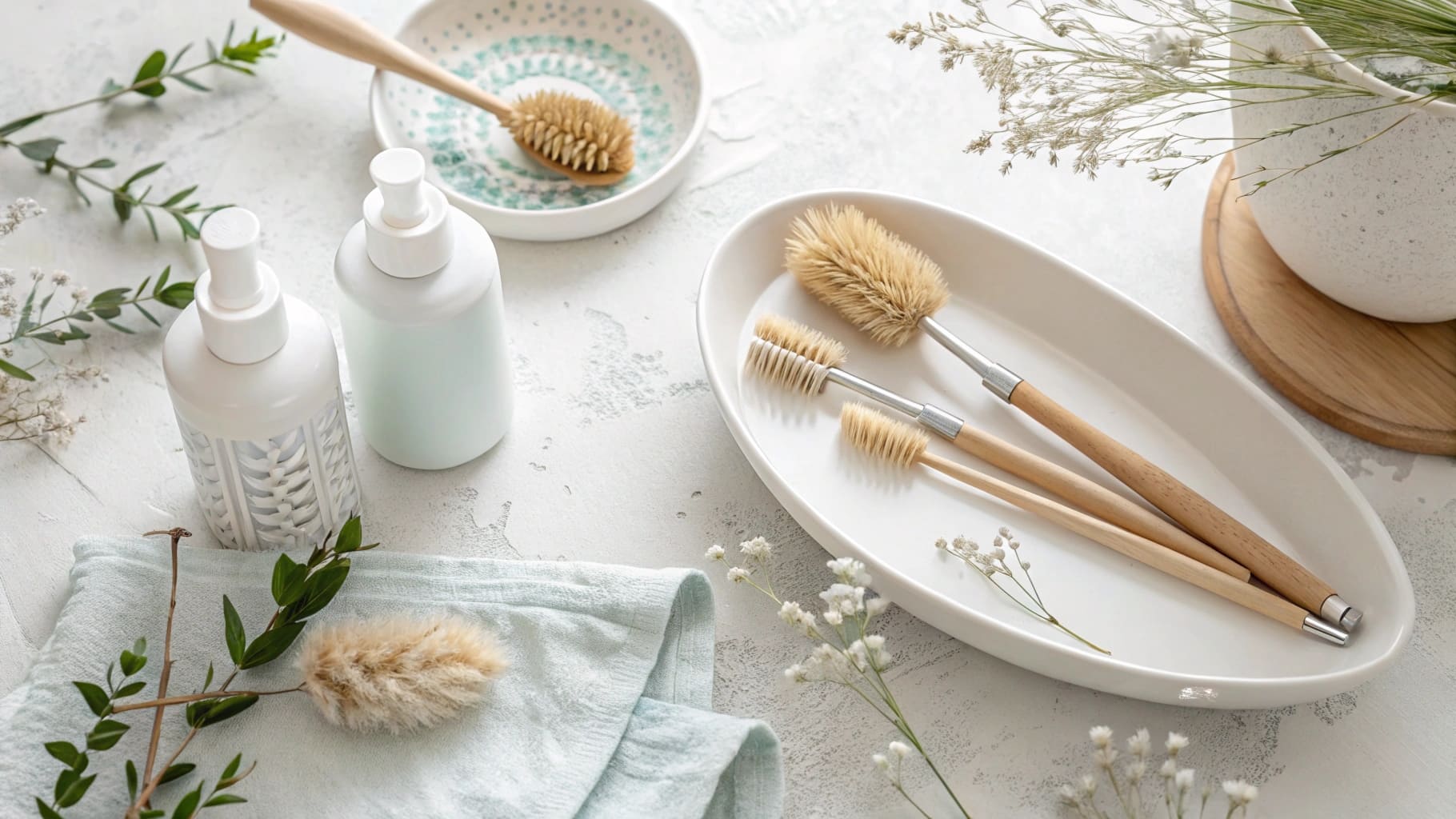
Material Selection for Different Use Cases
I tested both materials extensively before adding them to my product line. The results surprised me. Each material excels in different situations. Neither is universally better.
Silicone offers clear advantages for specific applications. It withstands temperatures up to 230°C without degrading. This makes it dishwasher-safe on any cycle. The material does not harbor bacteria like porous bristles can. It also never scratches stainless steel surfaces. I have never received a complaint about silicone causing damage to bottle interiors. The durability impresses buyers. A quality silicone brush lasts 2-3 years with regular use.
But silicone has limitations. The scrubbing power falls short for dried-on protein residues or coffee stains. The soft texture cannot generate enough friction for tough jobs. Some customers find the thick silicone bristles too rigid for tight spaces. They struggle to clean threads on bottle necks or narrow straw openings.
Traditional nylon bristles solve these problems. The thin, flexible bristles reach into crevices that silicone cannot access. They provide aggressive scrubbing action that removes stubborn buildup. The bristle density creates better lather with soap. Many users prefer the familiar feel of traditional brushes.
However, nylon requires replacement more frequently. The bristles wear down, bend, or fall out after 6-12 months. They can develop odors if not dried properly between uses. Lower-quality nylon may scratch softer metals or plastics.
I now offer hybrid designs. These combine silicone tips for gentle daily cleaning with strategic nylon bristle placements for problem areas. The hybrid approach satisfies the widest range of customer needs. It also commands premium pricing that justifies higher MOQ investments.
| Feature | Silicone | Nylon Bristles | Hybrid Design |
|---|---|---|---|
| Heat Resistance | Up to 230°C | Up to 80°C | Up to 230°C |
| Lifespan | 2-3 years | 6-12 months | 18-24 months |
| Scrubbing Power | Moderate | High | High |
| Bacteria Resistance | Excellent | Moderate | Good |
| Price Range (FOB) | $1.20-$2.00 | $0.50-$1.00 | $1.50-$2.50 |
OEM Production Considerations
Your success depends on understanding MOQ requirements and production capabilities. I work with buyers who order 3,000 pieces and buyers who need 50,000 pieces. Each faces different challenges.
Most manufacturers set MOQs between 1,000 and 3,000 pieces per design. This covers mold costs and production setup time. Custom colors add 500-1,000 pieces to the minimum. Logo printing typically requires at least 2,000 pieces to justify screen setup. I have negotiated lower MOQs for established clients. But expect higher unit costs on small orders.
Tip guards serve two purposes. They protect bristles during shipping and storage. They also provide branding space for your logo. I recommend clear plastic guards for silicone brushes3. They showcase the product while maintaining protection. Colored guards work better for nylon bristles since they hide any bent bristles from shipping.
Export packaging directly affects your landed costs. Standard configurations pack 200-500 brushes per master carton. Inner boxes contain 10-50 pieces each. I calculate dimensions carefully to maximize container loading. A poorly planned carton size wastes 15-20% of container space. That waste comes straight from your profit margin.
I recently helped a US distributor redesign his packaging. We reduced carton height by two centimeters. This simple change increased the brushes per container from 48,000 to 54,000 pieces. The customer saved $0.08 per unit on freight alone. Over a year, this added $9,600 to his bottom line.
Request FSC-certified packaging if you supply major retailers. Walmart, Target, and most European chains now require sustainability documentation. Getting certified packaging from the start costs less than switching suppliers later. I learned this the hard way when a client lost a major retailer contract over packaging compliance.
Conclusion
Selecting the right bottle cleaning brush balances material performance, cost efficiency, and customer needs. Understanding HS codes, material properties, and MOQ requirements positions you for profitable growth in the accessories market.
-
Understanding MOQ requirements is essential for effective production planning and cost management. ↩
-
Explore the effectiveness of nylon bristles for tough cleaning tasks and their unique advantages. ↩
-
Find out why silicone brushes are favored for their durability and bacteria resistance in cleaning applications. ↩