
Boat and RV cup holders: vibration, salt spray, and UV resistance testing
I watched a customer's boat cup holder corrode completely in six months. The plastic cracked from constant sun exposure. Salt spray ate through the metal parts. This happens when manufacturers skip proper testing.
Boat and RV cup holders need testing for three conditions: vibration resistance, salt spray exposure1, and UV degradation. Proper testing simulates years of use in weeks, ensuring products survive harsh marine and outdoor environments without failure.
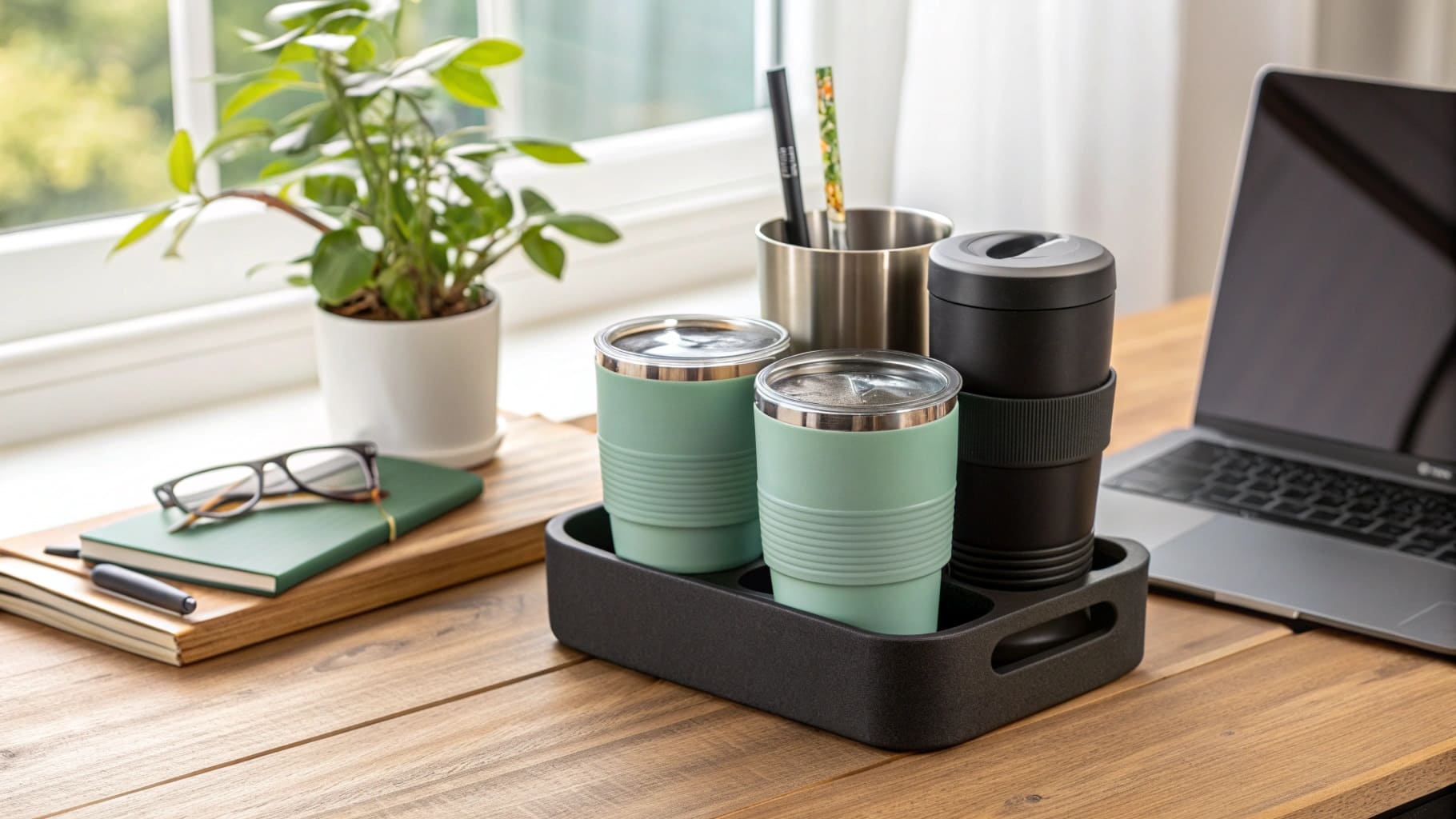
I learned this the hard way when a major distributor returned an entire shipment. The cup holders looked perfect in our factory. They failed within months on actual boats. That experience changed how I approach marine product testing.
What's Another Word for Cup Holder?
I hear different terms from buyers across countries. Some call them drink holders. Others say beverage receptacles. The terminology confuses new importers.
The industry uses several terms: drink holder, beverage caddy, bottle receptacle, and cup caddy. Marine suppliers often call them "marine drink holders" while RV manufacturers prefer "vehicle cup holders." All refer to the same product category.
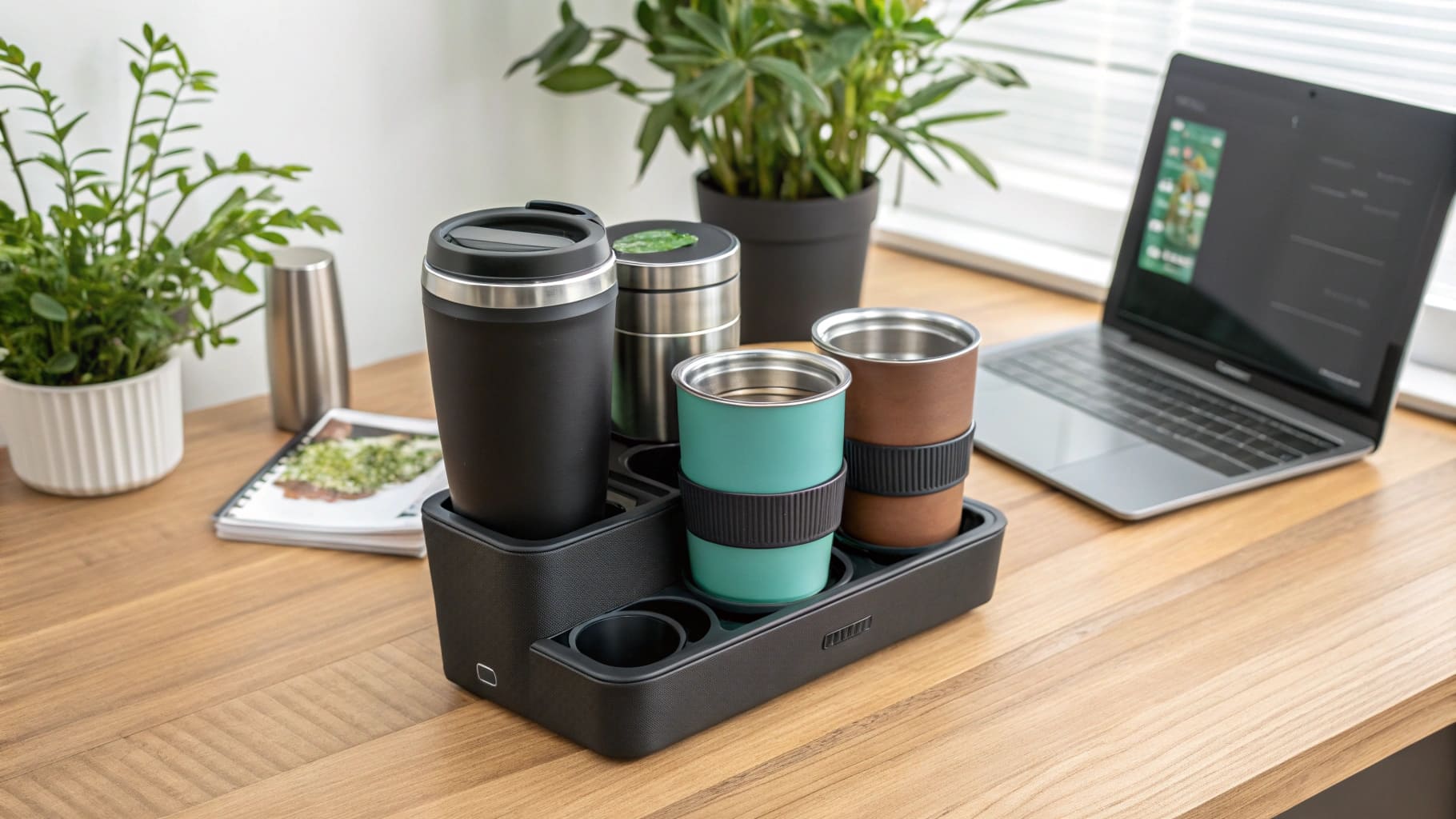
Understanding Industry Terminology
I work with buyers who search different terms on Google. This creates confusion during sourcing. A buyer from Texas asked me about "bottle caddies" last month. I had to clarify we were discussing the same product.
The terminology varies by market segment. Marine industry professionals typically use "drink holder" or "beverage holder." RV manufacturers prefer "cup holder" or "bottle holder." Retail markets use broader terms like "beverage caddy" or "drink caddy."
I created this simple reference table for my clients:
| Market Segment | Common Terms | Regional Variations |
|---|---|---|
| Marine Industry | Drink holder, Beverage holder | Bottle caddy (Australia), Cup receptacle (UK) |
| RV Manufacturing | Cup holder, Bottle holder | Beverage caddy (US), Drink receptacle (Canada) |
| Retail Market | Beverage holder, Drink caddy | Cup organizer, Bottle keeper |
Understanding these terms helps during supplier communication. I always ask buyers to send product images. This prevents misunderstandings during the quoting process.
How Do Cooling Cup Holders Work?
I received an inquiry last year for cooling cup holders. The buyer wanted to keep drinks cold on boats. Standard cup holders cannot do this. The technology adds complexity and cost.
Cooling cup holders use thermoelectric elements or phase-change materials. Thermoelectric models employ Peltier devices that transfer heat away from the beverage. Phase-change materials absorb heat as they melt, maintaining lower temperatures without electricity.
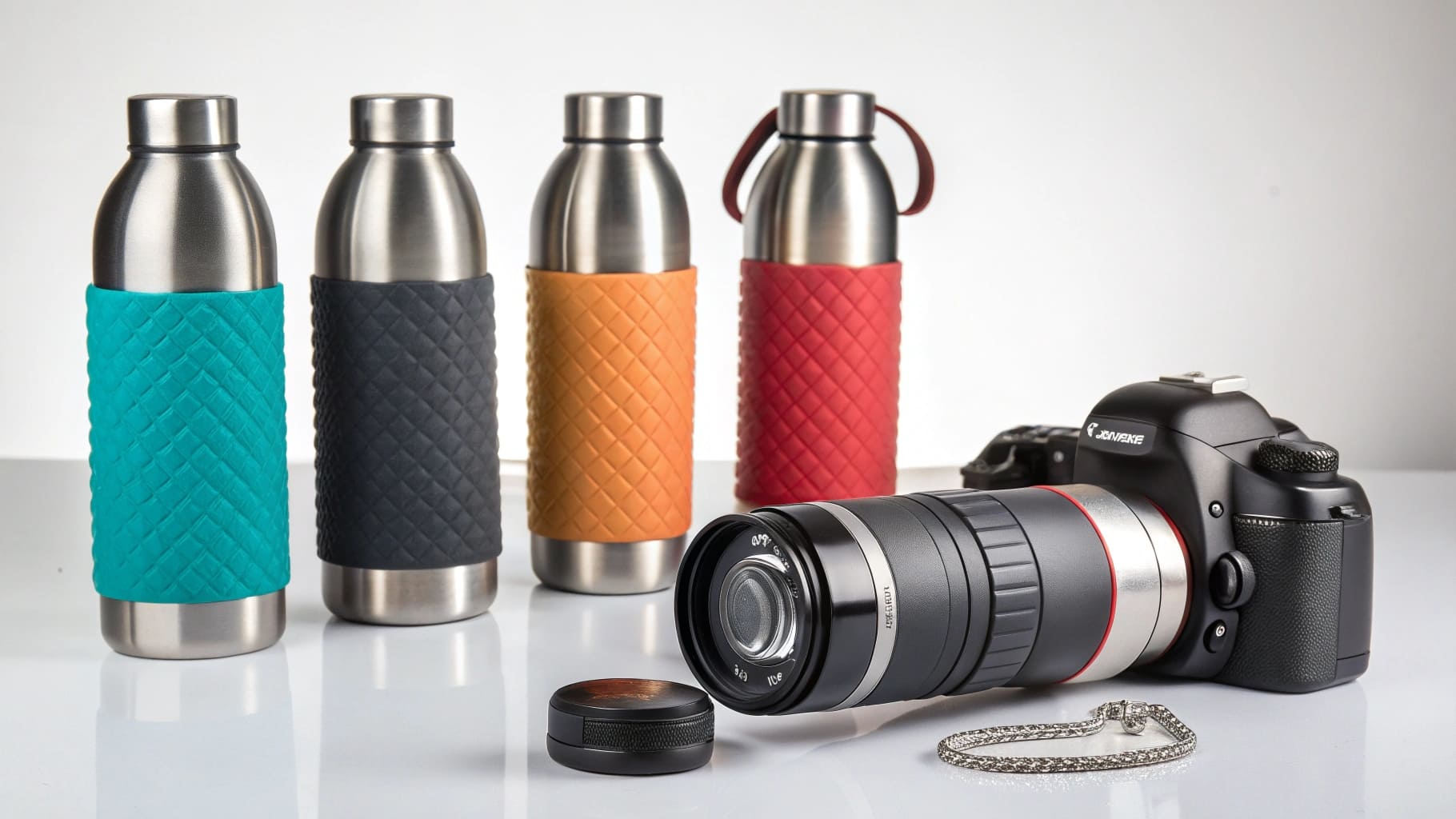
The Technology Behind Temperature Control
I researched cooling systems when a yacht manufacturer approached me. They needed cup holders that kept drinks cold for three hours. Standard insulation was not enough.
Thermoelectric cooling requires power connections. The Peltier device creates a temperature difference when electricity flows through it. One side gets cold. The other side gets hot. This hot side needs heat dissipation, usually through aluminum fins or fans.
Phase-change materials work differently. These materials melt at specific temperatures, typically around 5 degrees Celsius. As they melt, they absorb heat from the surrounding beverage. This process keeps drinks cold without any power source.
I created a comparison table for clients considering cooling options:
| Cooling Type | Power Required | Cooling Duration | Cost Factor | Maintenance |
|---|---|---|---|---|
| Thermoelectric | Yes (12V typical) | Continuous | High | Medium (fan cleaning) |
| Phase-Change | No (pre-freezing needed) | 2-4 hours | Medium | Low (none) |
| Standard Insulation | No | 30-60 minutes | Low | None |
The choice depends on application needs. Yacht owners often prefer thermoelectric systems. They have power available. Day boat users often choose phase-change models. They do not need all-day cooling.
I always warn buyers about the complexity. Cooling cup holders need more testing. The electronic components can fail in marine environments. Moisture is the enemy of electronics.
What is the Purpose of a Cup Holder?
I watched drinks spill constantly on a client's tour boat. Passengers placed cups on flat surfaces. Waves knocked everything over. The boat owner lost money on cleaning and customer complaints.
Cup holders prevent spills during movement while keeping beverages accessible. They secure drinks against vibration, sudden stops, and tilting. This protection becomes critical in boats and RVs where constant motion is normal.
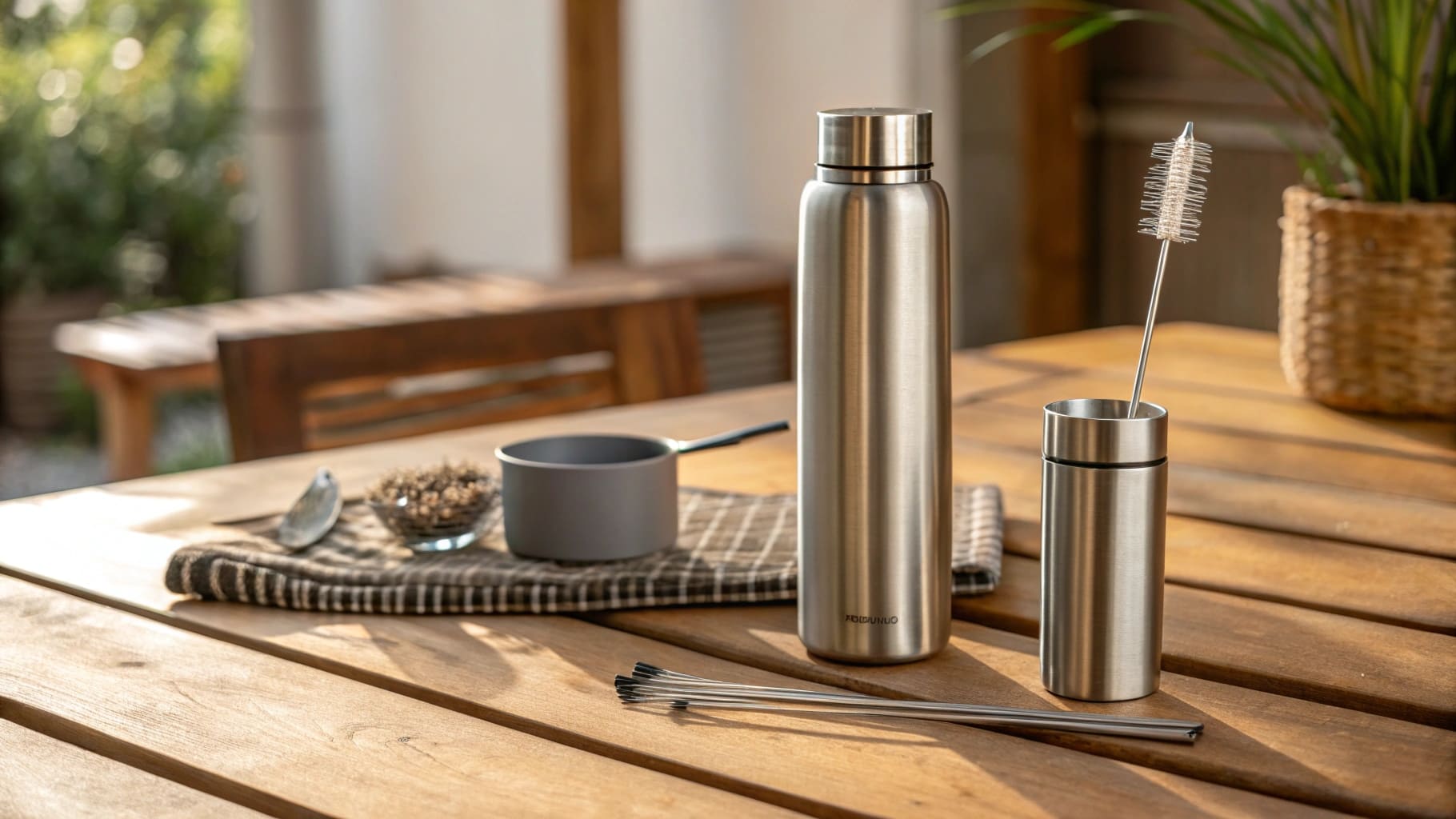
Beyond Basic Beverage Storage
I explain to buyers that cup holders serve multiple functions. The obvious purpose is holding drinks. The deeper purpose is preventing accidents and protecting property.
Spilled beverages damage boat electronics. I saw a navigation system fail from coffee spillage. The repair cost exceeded two thousand dollars. A simple cup holder would have prevented this.
The security function matters most in moving vehicles. Boats experience constant wave motion. RVs encounter rough roads and sharp turns. Standard cup holders from cars cannot handle these forces.
I recommend different cup holder designs2 based on application severity:
| Application Type | Motion Intensity | Recommended Features | Example Use Case |
|---|---|---|---|
| Inland Lakes | Low-Medium | Standard depth, rubber grip | Pontoon boats, fishing boats |
| Coastal Waters | Medium-High | Extra depth, locking mechanism | Speedboats, sailboats |
| Offshore Vessels | High | Deep receptacle, gimbal mount | Ocean fishing, cruisers |
| Highway RVs | Low-Medium | Wide opening, flexible grip | Motorhomes, travel trailers |
| Off-Road RVs | High | Narrow opening, spring-loaded | Adventure vehicles, expedition rigs |
The purpose extends to user experience. Passengers feel more comfortable when their drinks stay secure. This comfort increases customer satisfaction for commercial boat operators.
I always tell my RV manufacturing clients to test loaded cup holders. Fill them with water bottles. Drive on rough roads. The cup holder that works on smooth pavement often fails on gravel roads.
Testing Requirements for Harsh Environments
I implement strict testing protocols after learning from failures. My team now runs three critical tests before shipping any marine or RV cup holders.
Vibration testing comes first. We mount cup holders on a vibration table. The equipment simulates different frequency ranges from 10 Hz to 200 Hz. This range covers typical boat engine vibrations and road frequencies. We run tests for 48 hours continuously. The cup holder must not crack, loosen, or show material fatigue.
Salt spray testing follows. We use a chamber that sprays 5 percent salt solution continuously. The temperature stays at 35 degrees Celsius. This simulates ocean spray exposure. We run this test for 240 hours. Stainless steel components should show no corrosion. Plastic parts must maintain structural integrity.
UV resistance testing3 completes our protocol. We use xenon arc lamps that simulate sunlight. The intensity equals several years of outdoor exposure compressed into 1000 hours. Plastic components must not become brittle, crack, or significantly change color.
I created this testing timeline for my quality control team:
| Test Type | Duration | Pass Criteria | Failure Indicators |
|---|---|---|---|
| Vibration | 48 hours | No structural damage | Cracks, loosening, material fatigue |
| Salt Spray | 240 hours | No corrosion on metal, no degradation on plastic | Rust, pitting, softening |
| UV Exposure | 1000 hours | Color change less than 10%, no brittleness | Cracking, severe fading, structural weakness |
Material selection determines test outcomes. I work closely with suppliers on material choices. Food-grade stainless steel performs well in salt spray tests. The 304 grade handles most marine environments. The 316 grade suits ocean applications better.
Plastic selection proves more challenging. TRITAN4 withstands temperatures up to 94 degrees Celsius. This material passes most testing. However, long-term UV exposure still causes some degradation. Polycarbonate provides excellent impact resistance. Unfortunately, it fails UV testing. The material yellows and becomes brittle.
I now recommend UV-stabilized materials for all outdoor applications. These materials contain additives that absorb UV radiation. The additives prevent polymer chain breakdown. This protection extends product life significantly.
Conclusion
Testing cup holders properly prevents costly failures in marine and RV applications. I verify vibration, salt spray, and UV resistance before shipping. This approach protects my reputation and my customers' investments.
-
Explore how salt spray can corrode materials and the importance of testing for marine applications. ↩
-
Discover various cup holder designs tailored for different applications and environments. ↩
-
Find out how UV resistance testing helps maintain the longevity of outdoor products. ↩
-
Explore the properties of TRITAN and its suitability for outdoor products. ↩