
Boat and RV stainless cup holders: sizes, screws, drainage, and corrosion
I lost three expensive water bottles last summer when waves hit my boat. They all slipped right through the standard cup holders. I wish I had known about marine-grade specifications1 before that trip.
Marine and RV cup holders need larger diameters, better drainage systems, and corrosion-resistant materials2. Standard car cup holders measure 2.5-3.5 inches, but boats and RVs require 3-3.5 inches to fit insulated bottles with protective sleeves.
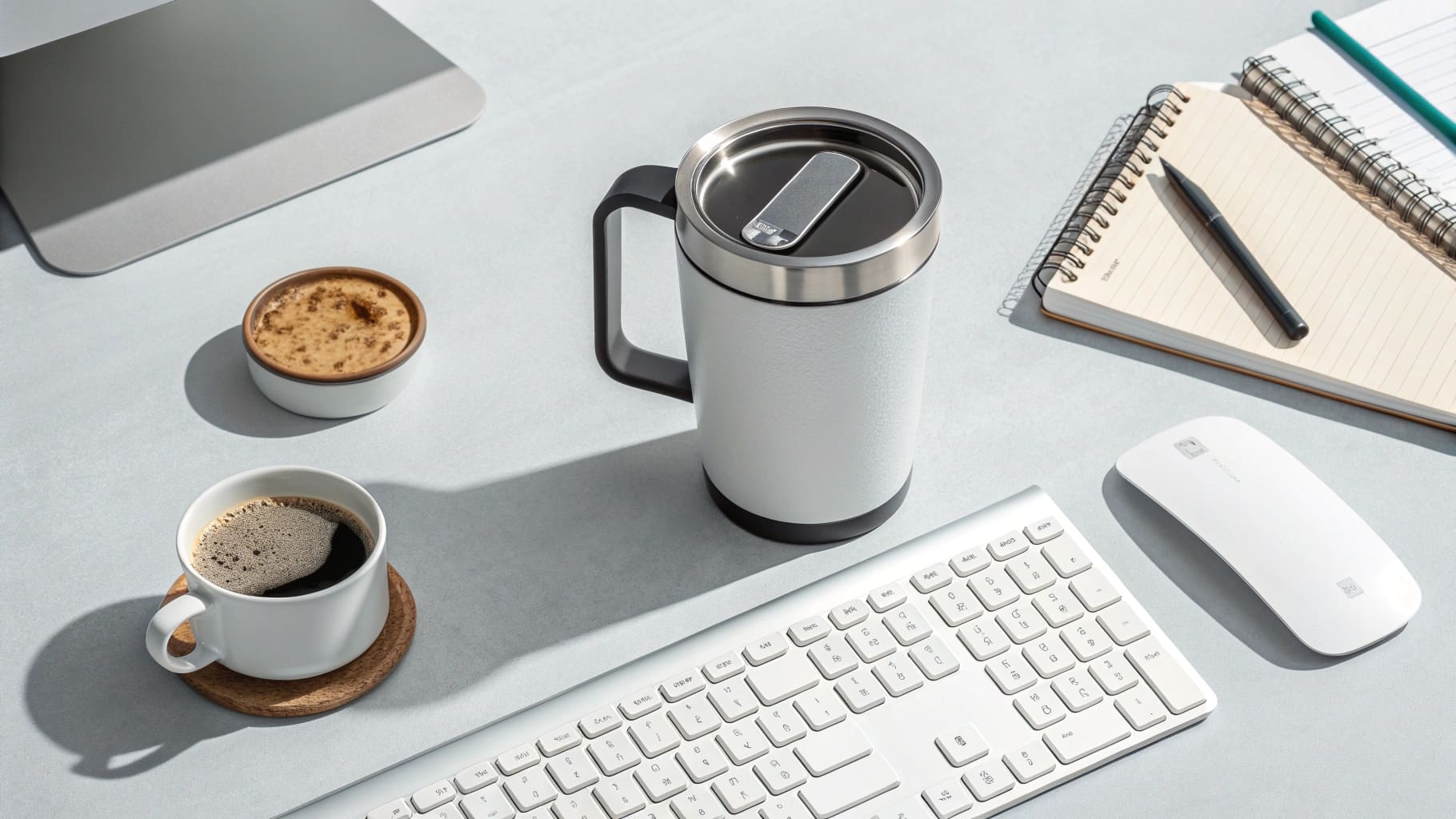
I learned this lesson the hard way. Now I help other buyers avoid the same mistakes. The difference between car and marine cup holders goes beyond just size. Salt water, constant vibration, and outdoor exposure create unique challenges. Let me share what I discovered about specifications that matter for boats and RVs.
What Is the Diameter of the Average Cup Holder?
My first procurement order included cup holders that were too small. The supplier assured me they were "standard size." Half my customers returned them. The bottles simply did not fit.
Average cup holders measure 2.5 to 3.5 inches in diameter. Car cup holders sit at the lower end of this range, while marine and RV applications need the upper range. The difference comes from insulated bottle designs and protective accessories.
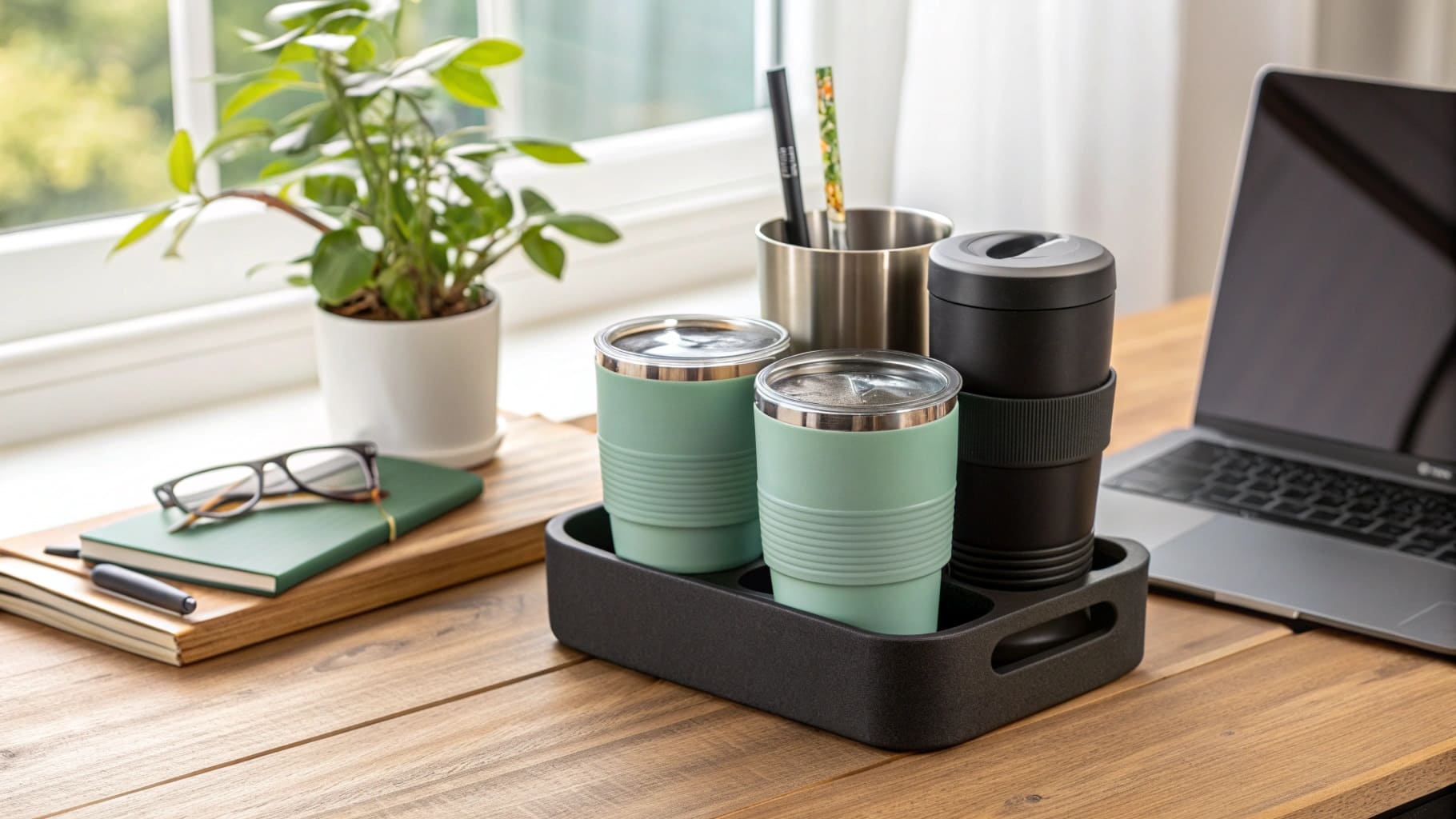
Understanding Cup Holder Size Standards Across Different Applications
I now measure everything twice before placing orders. The industry uses diameter measurements, but this can be confusing. Some suppliers measure the opening at the top. Others measure the narrowest point inside the holder. I always ask for both measurements now.
Here is what I found across different markets:
| Application | Top Diameter | Bottom Diameter | Depth | Key Features |
|---|---|---|---|---|
| Standard Car | 2.5-2.75 inches | 2.25-2.5 inches | 2-3 inches | Tapered design for stability |
| Marine/Boat | 3-3.5 inches | 2.75-3 inches | 3-4 inches | Deeper well, drainage holes |
| RV/Motorhome | 2.75-3.5 inches | 2.5-3 inches | 2.5-3.5 inches | Adjustable or expandable |
| Commercial Truck | 3-4 inches | 2.75-3.5 inches | 3-4 inches | Heavy-duty construction |
The tapered design3 matters more than I first thought. A cup holder with a 3-inch top opening might only have a 2.5-inch bottom. This works fine for traditional cups. It fails with modern insulated bottles that maintain the same width from top to bottom.
I tell my clients to focus on the bottom diameter first. This determines what actually fits. Then check the top diameter for ease of insertion. The depth matters too. Shallow holders cannot secure tall bottles in rough water or on bumpy roads.
Marine applications need extra clearance. Boats move constantly. A bottle that fits snugly in a car holder will rattle or fall out on a boat. I add 0.25 to 0.5 inches to any car cup holder specification when sourcing for marine use.
How Big Is a Cup Holder Hole?
I spent two hours on a video call with a frustrated customer last month. She could not install the cup holders we shipped. The mounting holes did not match her boat's existing setup. This problem happens more often than you might think.
Cup holder mounting holes typically measure 0.25 to 0.375 inches in diameter. The hole pattern spacing varies widely, from 2 to 4 inches between centers. Standard automotive patterns do not match marine or RV installations.
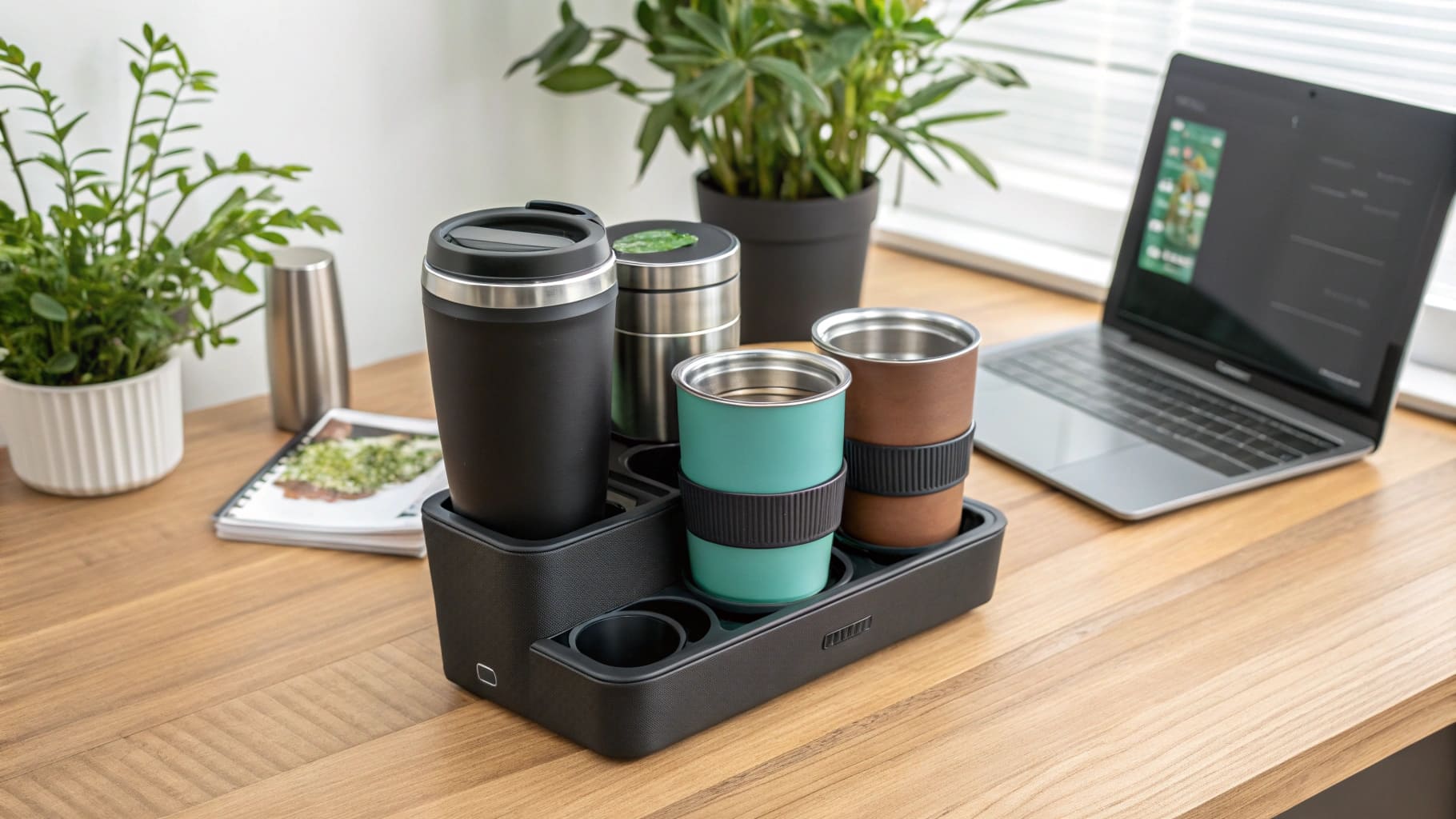
Mounting Specifications and Installation Requirements
I now include detailed mounting diagrams with every shipment. The confusion starts because different manufacturers use different standards. There is no universal cup holder mounting pattern. Each supplier seems to have their own system.
Screw hole size depends on the fastener type:
| Fastener Type | Hole Diameter | Typical Use | Pros | Cons |
|---|---|---|---|---|
| #8 Screws | 0.136-0.177 inches | Light duty, plastics | Easy installation, common | Less secure in vibration |
| #10 Screws | 0.177-0.201 inches | Medium duty, most marine | Good balance of strength | Standard option |
| 1/4 inch Bolts | 0.257-0.266 inches | Heavy duty, RVs | Maximum security | Requires access to back side |
| Self-tapping | 0.125-0.201 inches | Quick install, flexible | No pre-drilling needed | Can strip over time |
The hole pattern matters as much as the hole size. I learned to specify both. Standard patterns include two-hole, three-hole, and four-hole configurations. Marine installations typically use three or four holes for extra security. The wave action and constant movement demand more anchor points.
Drainage holes present another challenge. These are not mounting holes but they affect installation. I source cup holders with 0.125 to 0.25 inch drainage holes at the bottom. Smaller holes can clog with debris. Larger holes let items fall through.
The positioning of drainage holes matters too. I prefer cup holders with multiple small holes rather than one large hole. This design drains water effectively while keeping small items secure. Salt crystals can build up and block single drainage holes in marine environments.
Thread type makes a difference in long-term durability. Coarse threads work better for wood installations common in older boats and RVs. Fine threads suit metal-to-metal connections better. I specify stainless steel screws regardless of the holder material. Regular steel screws rust quickly in marine environments.
What Owala Size Fits in a Cup Holder?
My customer wanted to give Owala bottles as corporate gifts to her yacht club members. She asked me to confirm compatibility. I had to research this because the Owala brand was new to me. The answer surprised me.
Owala bottles in 24 oz and 32 oz sizes fit standard cup holders. The base diameter measures 2.75 to 3 inches. Larger 40 oz models may not fit car cup holders but work in marine and RV holders with 3.5 inch openings.
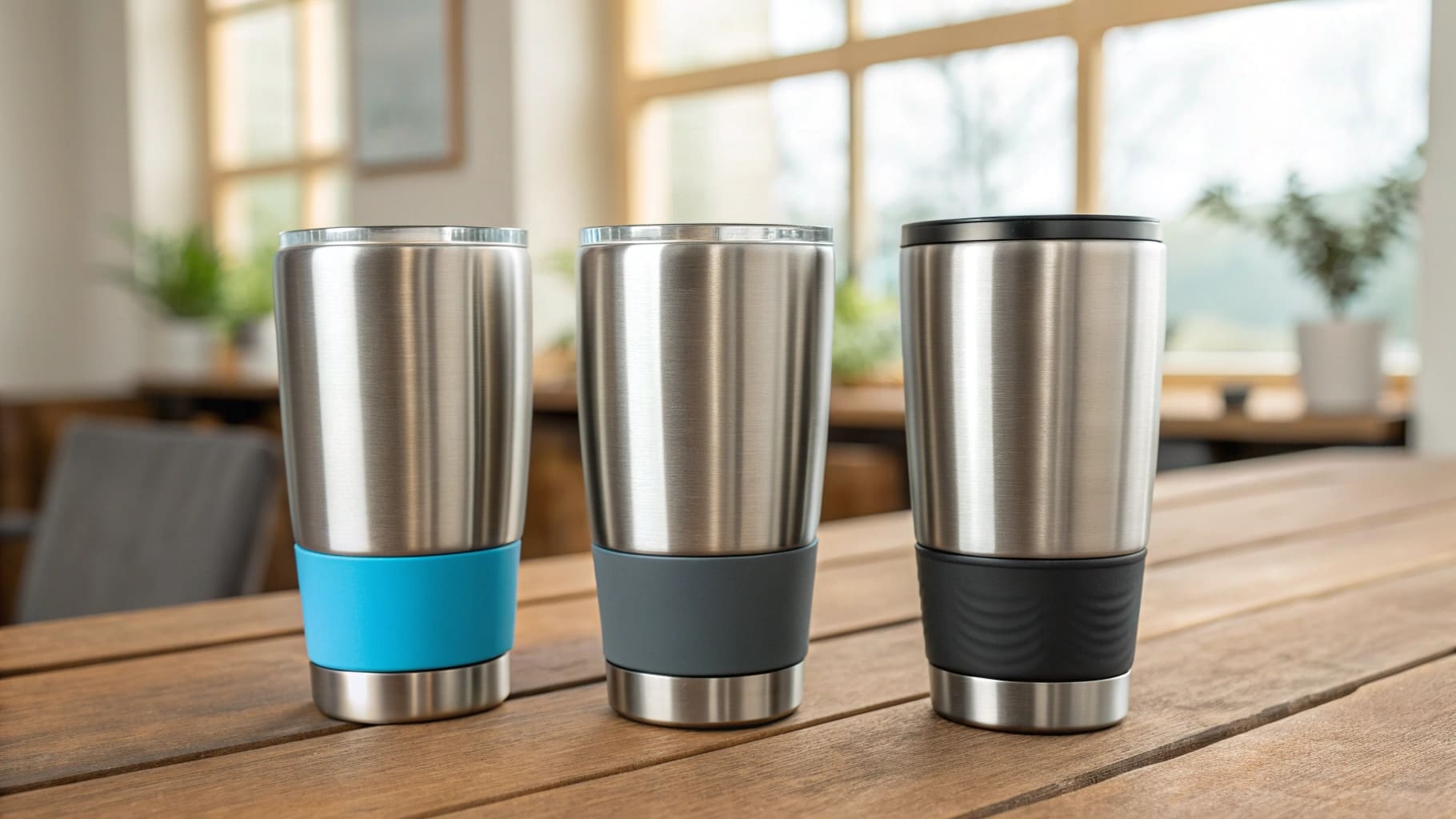
Brand Compatibility and B2B Sourcing Considerations
I now keep a compatibility chart for popular bottle brands. My clients appreciate this information before they commit to large orders. The Owala situation taught me that brand specifications matter in B2B procurement. Returns cost everyone money and damage relationships.
Popular bottle brands and their base dimensions:
| Brand | Size Options | Base Diameter | Mid-Body Diameter | Cup Holder Fit |
|---|---|---|---|---|
| Owala FreeSip | 24 oz, 32 oz, 40 oz | 2.75-3 inches | 3-3.25 inches | Standard to Large |
| Hydro Flask | 18-40 oz | 2.8-3.2 inches | 2.8-3.2 inches | Standard to Large |
| YETI Rambler | 18-36 oz | 2.9-3.5 inches | 2.9-3.5 inches | Large holders only |
| Stanley Quencher | 30-40 oz | 3.5-4 inches | 3.5-4 inches | Oversized holders |
| Generic/Custom | 20-32 oz | 2.5-3.5 inches | 2.5-3.5 inches | Varies by design |
The Owala FreeSip series uses a tapered design. The base sits at 2.75 inches but the body expands to 3.25 inches at the widest point. This creates problems in tapered cup holders designed for traditional cups. The bottle enters easily but cannot drop all the way to the bottom. It sits high and unstable.
I faced this issue with a custom order last quarter. The client wanted cup holders for their tour boat that would accommodate Owala bottles. Standard marine cup holders would not work. We needed straight-walled holders instead of tapered ones. The cost increased by 15% but the solution worked perfectly.
Protective silicone boots add another dimension. Many buyers add silicone sleeves4 to their stainless steel bottles. These boots protect the bottle and prevent noise. They also add 0.125 to 0.25 inches to the diameter. I always ask clients if they plan to use protective boots. This information changes the cup holder specifications I recommend.
Handle designs affect fitment too. Some bottles feature handles that prevent them from fitting into enclosed cup holders. The Owala bottles have a built-in carrying loop. This design works fine with open-top marine cup holders. It can catch on enclosed automotive-style holders.
I suggest clients test fitment before large orders. I send samples of both bottles and cup holders when possible. This extra step saves money and frustration later. One test costs less than processing returns for hundreds of units.
Conclusion
Marine and RV cup holders require specific dimensions, proper drainage, and corrosion-resistant materials. I source 316 stainless steel with 3 to 3.5 inch openings and multiple drainage holes for these applications.
-
Understanding marine-grade specifications can help you choose the right cup holders for boats, ensuring durability and functionality. ↩
-
Explore the best materials to ensure longevity and performance in marine environments, especially for cup holders. ↩
-
Learn how tapered designs affect the stability and fit of cup holders, especially for modern insulated bottles. ↩
-
Discover how silicone sleeves can impact the fit of bottles in cup holders and what to consider when sourcing. ↩