
Bottle cleaning brushes for OEM: bristles, tip guards, MOQ, and cartons
You need cleaning brushes that match your bottle quality. Your customers expect complete solutions. But choosing the wrong bristle material or MOQ can cost you thousands in wasted inventory.
Quality bottle cleaning brushes1 use nylon, silicone, or natural fibers. Each material serves specific bottle types and customer segments. Your choice affects product performance, pricing, and repeat orders.
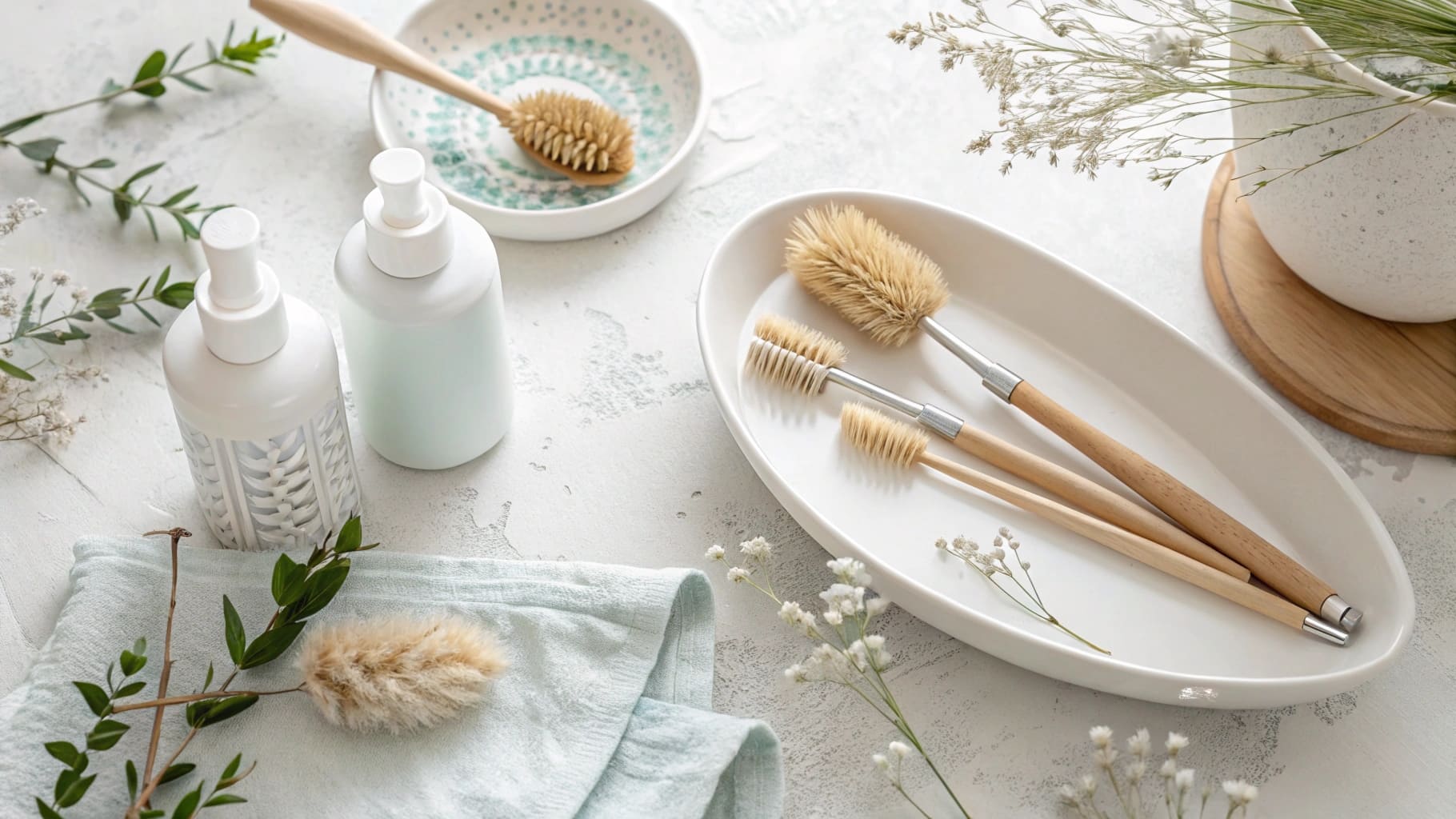
I started offering cleaning brushes after losing a $50,000 order. The buyer chose my competitor because they provided a complete package. I learned that accessories matter as much as the main product. Now brushes represent 15% of my revenue.
What Are Bottle Brush Bristles Made Of?
Your bristle material determines cleaning effectiveness and customer satisfaction. Most buyers focus only on price. They miss how material choice impacts their brand reputation and return rates.
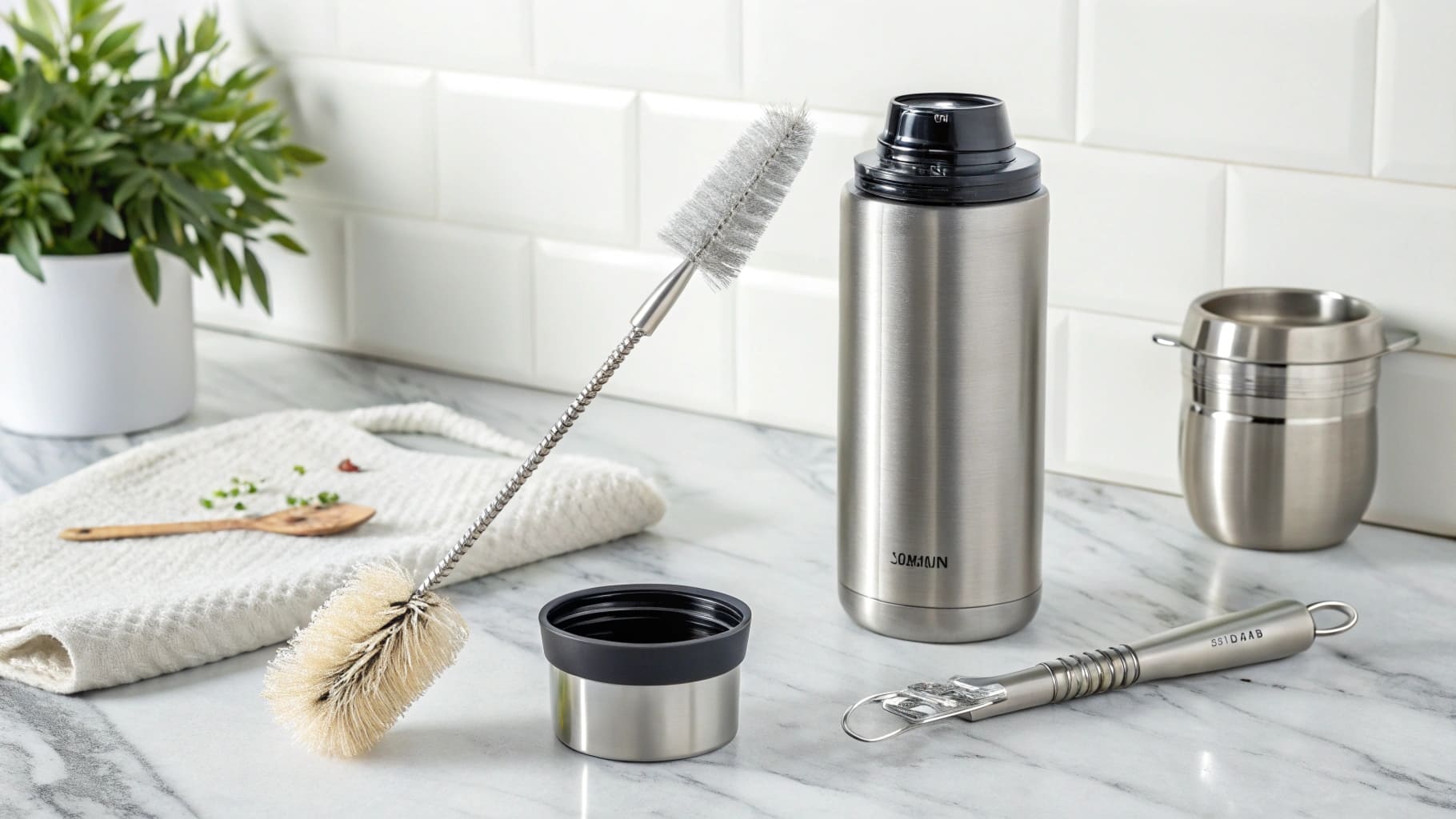
Bottle brush bristles come in three main types: nylon, silicone, and natural fibers. Nylon dominates the market for stainless steel bottles. Silicone attracts premium buyers. Natural fibers appeal to eco-conscious brands.
Understanding Bristle Materials for Your Target Market
I test every bristle type with our bottles before recommending them. Nylon bristles bend without breaking. They reach the bottom of narrow-neck bottles. The material resists bacteria growth when dried properly.
Silicone bristles cost 30% more than nylon. They work better for coated interiors. I recommend them for powder-coated bottles or copper-lined flasks. The soft texture prevents scratches on delicate finishes.
Natural fiber bristles come from plant materials. They biodegrade after disposal. The downside is shorter lifespan. They also hold moisture longer than synthetic options.
Here's how bristle materials compare:
| Material | Cost Level | Durability | Best Use Case | MOQ Impact |
|---|---|---|---|---|
| Nylon | Low | High (6+ months) | Standard stainless steel | Lower MOQ available |
| Silicone | High | Medium (4-5 months) | Coated interiors | Higher MOQ required |
| Natural Fiber | Medium | Low (2-3 months) | Eco-conscious markets | Medium MOQ |
I once shipped 5,000 natural fiber brushes to a Vancouver distributor. He complained after three months. Customers reported bristles falling out. We switched to nylon with reinforced ferrules. Problem solved.
The ferrule matters as much as bristles. This metal or plastic band holds bristles to the handle. Cheap ferrules rust or crack. I only source brushes with stainless steel or high-grade plastic ferrules.
Are Bottle Brushes Worth It for Your Customers?
Your customers buy bottles to save money and reduce waste. But dirty bottles defeat both purposes. Brushes solve this problem and create an upsell opportunity for you.
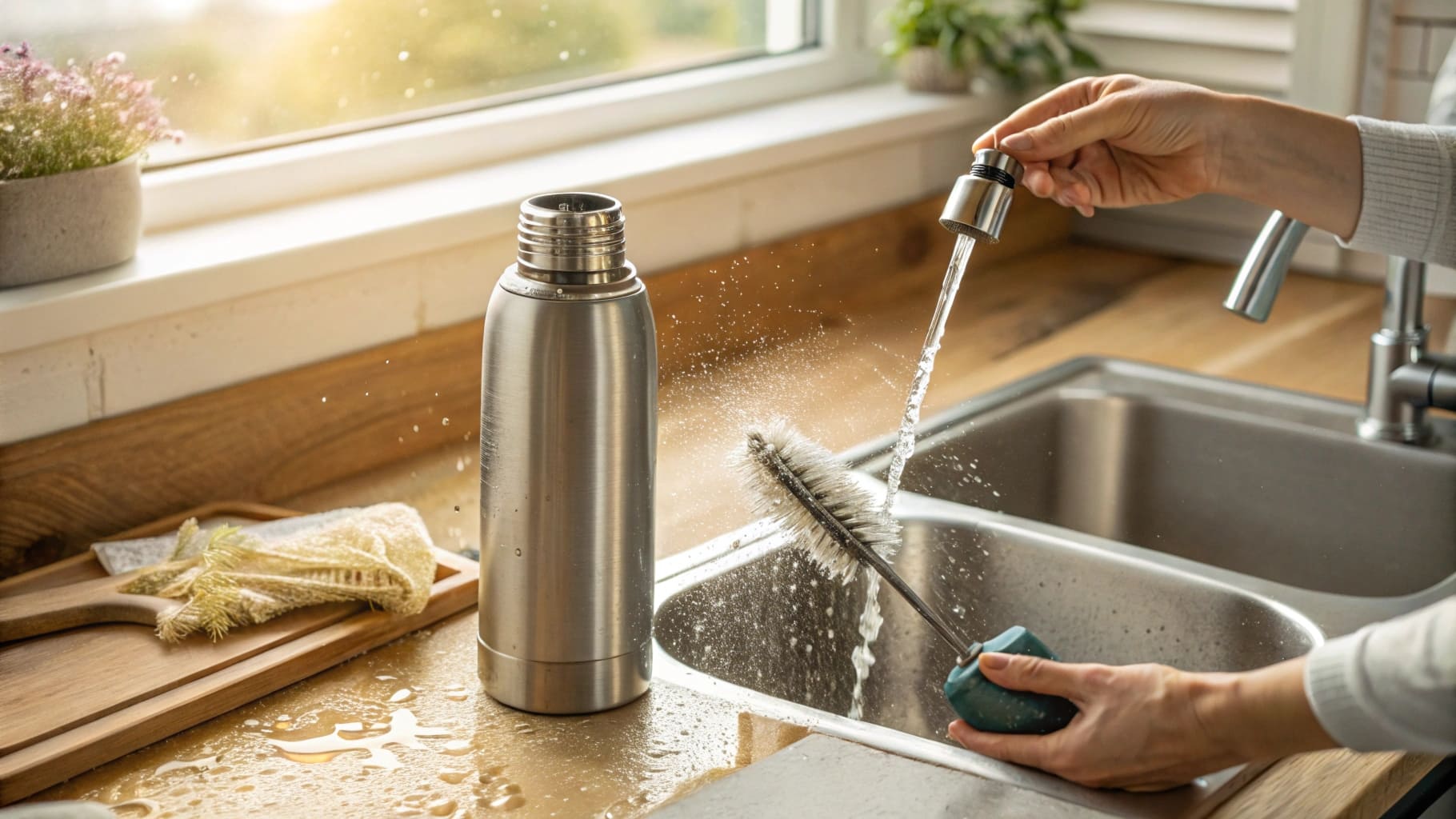
Bottle brushes provide essential cleaning that sponges cannot reach. They prevent bacterial growth in bottle necks and remove residue from insulated walls. This extends bottle lifespan and maintains drink taste quality.
The Business Case for Including Brushes in Your Product Line
I bundle brushes with every wholesale order above 500 units. The buyer gets 10% discount on brushes. This strategy increased my average order value by $2,300 per transaction.
Brushes prevent customer complaints about bottle odors. Stainless steel bottles develop smells when not cleaned properly. The smell comes from bacteria in the threads and bottom corners. Regular sponges miss these areas.
One client in Seattle lost 200 bottles to returns. Customers complained about metallic taste. The issue was residue buildup, not bottle quality. After that, he orders brushes with every shipment. His return rate dropped to 2%.
The profit margin on brushes ranges from 40% to 60%. Compare this to bottles at 25% to 35%. Brushes weigh less, reducing shipping costs. They also take minimal storage space.
Consider these value points for end users:
- Removes coffee and tea stains that cause permanent discoloration
- Reaches powder residue in shaker bottles
- Prevents mold growth in bottle threads
- Maintains vacuum insulation by removing mineral deposits
- Extends bottle life by 2-3 years through proper maintenance
Your customers will buy replacement brushes every few months. This creates recurring revenue without new acquisition costs. I send brush replacement reminders to my client's customers. It works.
How Often Should You Change a Bottle Cleaning Brush?
Replacement frequency affects your MOQ planning and inventory strategy. Understanding usage patterns helps you forecast orders accurately and avoid stockouts during peak seasons.
Replace bottle cleaning brushes every 2-3 months for daily use. Heavy users need monthly replacement. Occasional users can extend to 4-6 months. Signs of needed replacement include bent bristles, rust on ferrules, and reduced cleaning effectiveness2.
Planning MOQ and Inventory Based on Replacement Cycles
I track replacement patterns for different customer segments. Corporate clients with employee wellness programs order brushes quarterly. Retail distributors prefer bi-monthly shipments. Knowing this helps me negotiate better MOQs with factories.
Standard MOQ for custom-branded brushes starts at 1,000 pieces. Generic brushes drop to 500 pieces. Volume discounts kick in at 5,000 pieces. I always recommend starting with 1,000 generic brushes to test market response.
Carton packaging affects shipping efficiency3. Standard cartons hold 100-200 brushes depending on handle length. I calculate carton dimensions before confirming orders. This prevents surprises in freight costs.
Here's a practical replacement and ordering guide:
| User Type | Replacement Frequency | Recommended Initial Order | Reorder Timing |
|---|---|---|---|
| Daily Users | 2-3 months | 3 brushes per bottle | Every 2 months |
| Commercial/Office | 1-2 months | 5 brushes per bottle | Monthly subscription |
| Occasional Users | 4-6 months | 2 brushes per bottle | Every 4 months |
| Retail Display | Variable | 1 brush per bottle + 30% extra | As needed |
Brush bristles show wear through several indicators. Bent bristles that don't spring back signal replacement time. Bristle loss of more than 10% reduces cleaning effectiveness. Discoloration or permanent stains indicate bacteria accumulation.
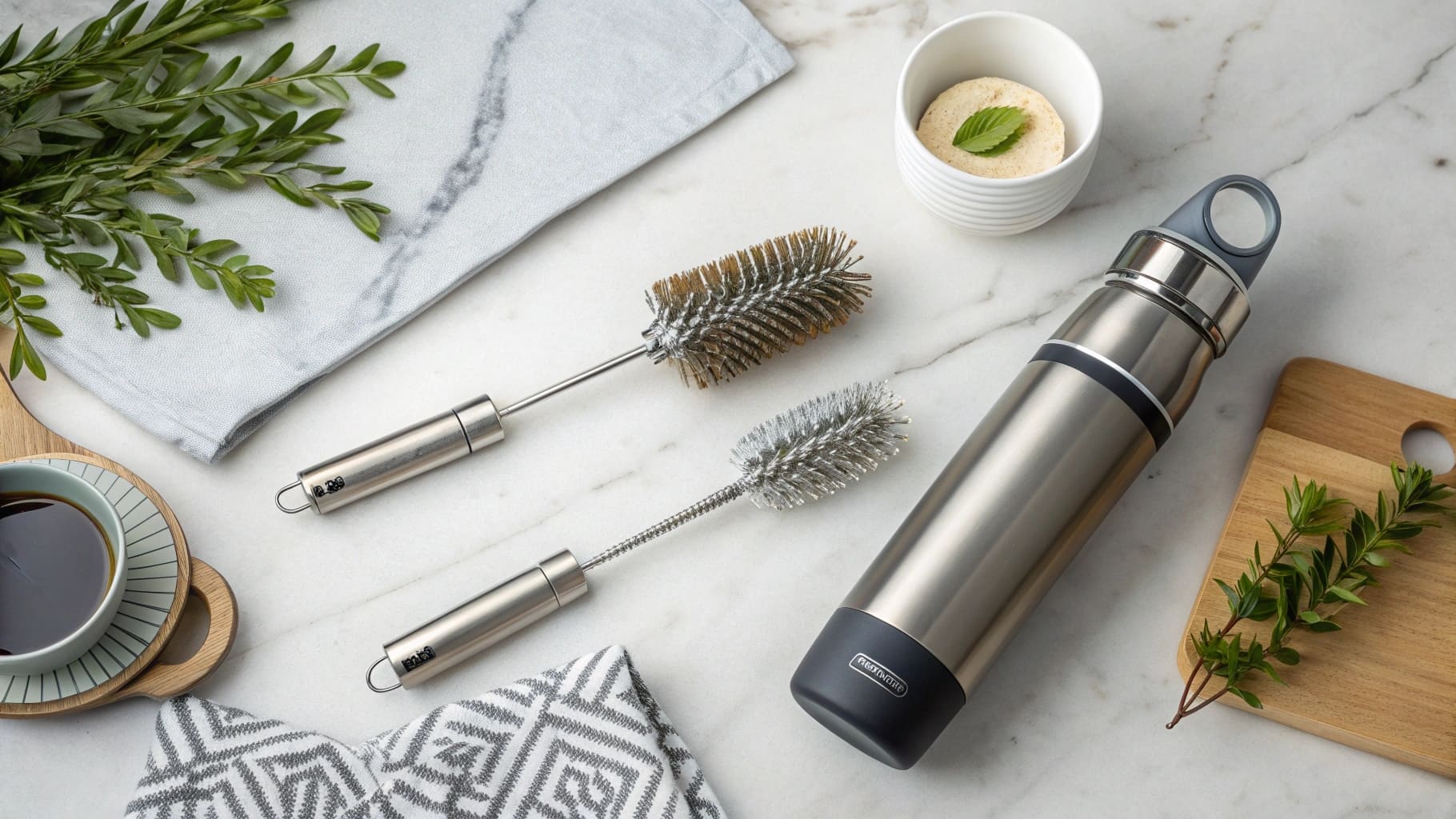
I learned about tip guards the hard way. These small silicone or plastic caps protect bristles during storage. They also prevent bristle damage during shipping. Without tip guards, 15% of brushes arrived with bent bristles. Now I require tip guards on all orders.
The handle length matters for different bottle types. Standard water bottles need 12-14 inch handles. Large tumblers require 16-18 inches. Hip flasks work with 8-10 inch specialized brushes. Ordering wrong lengths creates customer frustration.
Custom packaging adds value for retail buyers. Branded sleeves cost $0.15-0.30 per unit. They transform generic brushes into premium accessories. My clients who invest in packaging sell brushes at 2x markup compared to plain packaging.
Conclusion
Choosing the right bottle cleaning brushes for your OEM orders requires understanding materials, replacement cycles, and MOQ strategies. Start with nylon bristles, test market response, then expand to other materials based on customer feedback.
-
Explore this link to find top-rated bottle cleaning brushes that meet OEM standards and enhance your product offerings. ↩
-
Understanding these factors can help you choose the right brushes for optimal cleaning results. ↩
-
Learn about the impact of packaging on shipping costs and efficiency to optimize your logistics. ↩