
Do stainless steel straws meet BPA-free, LFGB, and Prop 65 for 2026 wholesale?
You need certified straws for your 2026 inventory. Your customers ask about safety standards. You worry about compliance issues that could halt your sales.
Yes, food-grade 304 stainless steel straws naturally meet BPA-free, LFGB, and Prop 65 requirements. The material composition ensures regulatory compliance without additional treatment or coating.
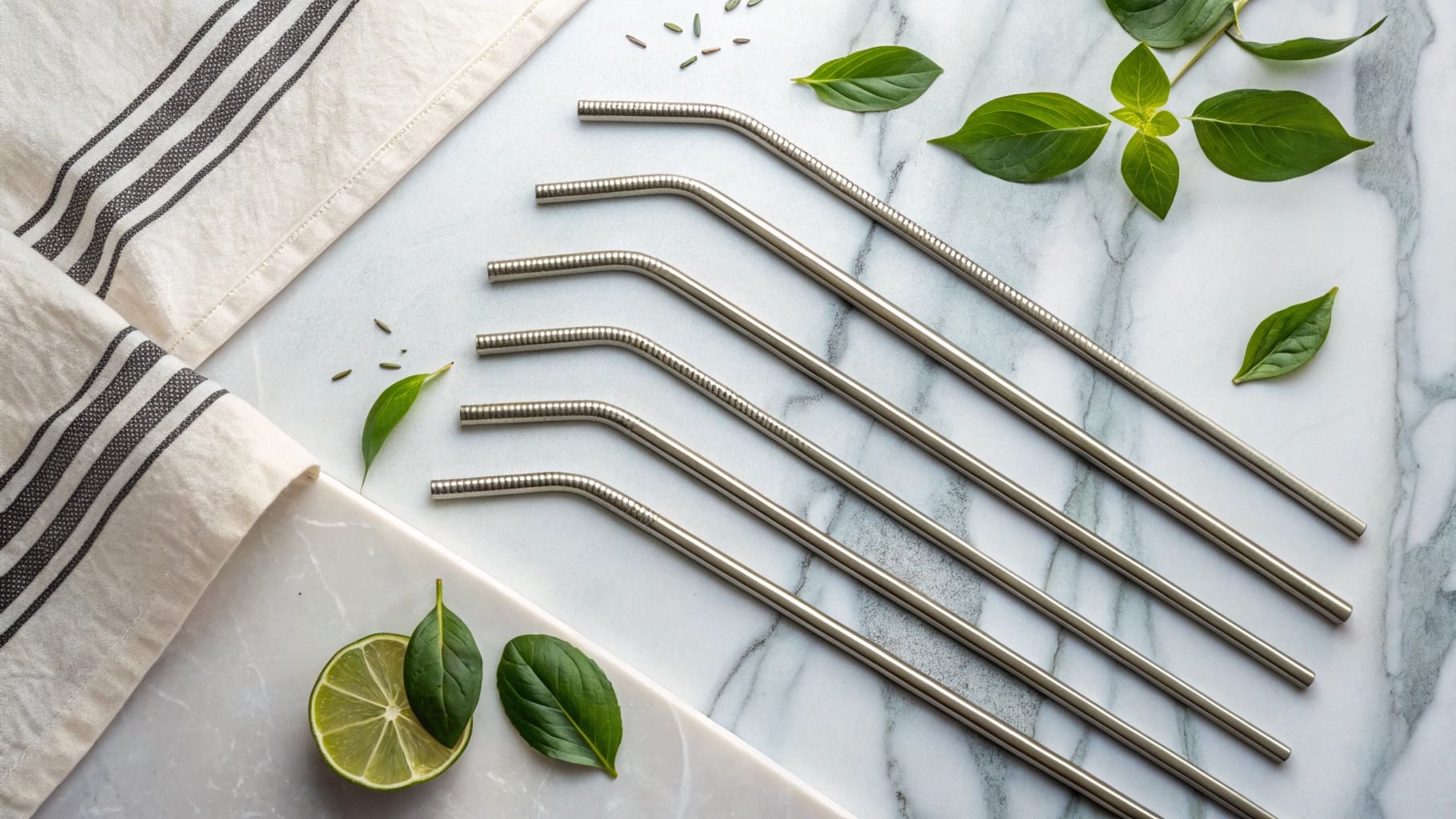
I work with North American buyers every day. They tell me the same story. Their retail partners demand proof of compliance before placing orders. One buyer from Toronto lost a $50,000 deal because he could not provide LFGB certificates on time. I learned that documentation matters as much as product quality. Let me share what I discovered about stainless steel straw compliance for your 2026 wholesale planning.
How safe are stainless steel straws?
Your customers drink from these straws daily. Parents worry about what touches their children's lips. You need products that pass safety tests1 without question.
Food-grade stainless steel straws rank among the safest reusable drinking options. The material resists corrosion and does not leach chemicals into beverages at any temperature.
What makes 304 stainless steel inherently safe
I source all my straws from 304 stainless steel. This grade contains specific element ratios that determine safety. The chromium content exceeds 18 percent. The nickel content stays above 8 percent. We call this 18/8 stainless steel in the industry.
These elements create a protective layer on the surface. The layer prevents rust and corrosion. Acids and alkalis in drinks cannot break through this barrier. I tested this myself by leaving orange juice in a straw overnight. The metal showed no discoloration or taste transfer.
The material stays stable across temperature ranges. Hot coffee does not cause chemical release. Ice-cold smoothies do not weaken the structure. This stability matters for wholesale buyers who serve diverse markets.
Certification that wholesale buyers actually need
I receive certification requests from buyers every week. Most ask for the same three documents. They need material certificates2 showing 304 grade composition. They want third-party lab reports for heavy metal testing. They require compliance statements for their target markets.
| Certification Type | What It Proves | Required For |
|---|---|---|
| Material Certificate | 304 stainless steel composition | All markets |
| LFGB Testing Report | European food contact safety | EU customers |
| Prop 65 Compliance | California chemical standards | US West Coast |
| FDA Registration | Food contact approval | US nationwide |
I keep these documents ready for every product batch. A buyer from Seattle once needed LFGB reports within 24 hours to meet a retail deadline. I sent the files immediately. He placed three more orders that quarter because I solved his problem fast.
Do stainless steel straws have lead?
You read news about lead in metal products. Your buyers ask direct questions about heavy metals. You cannot afford to sell products that fail safety tests.
High-quality 304 stainless steel straws contain no lead. Reputable manufacturers test every batch to confirm zero lead content before shipping.
Why lead concerns exist in the straw market
Lead contamination happens in two ways. Some manufacturers use recycled scrap metal with unknown composition. Others apply decorative coatings that contain lead-based pigments. I inspect factories to avoid both problems.
I visited a factory in Guangdong last year. They showed me their raw material sourcing process. They purchase virgin 304 stainless steel directly from certified steel mills. Each shipment arrives with mill certificates showing exact composition. No lead appears in the analysis.
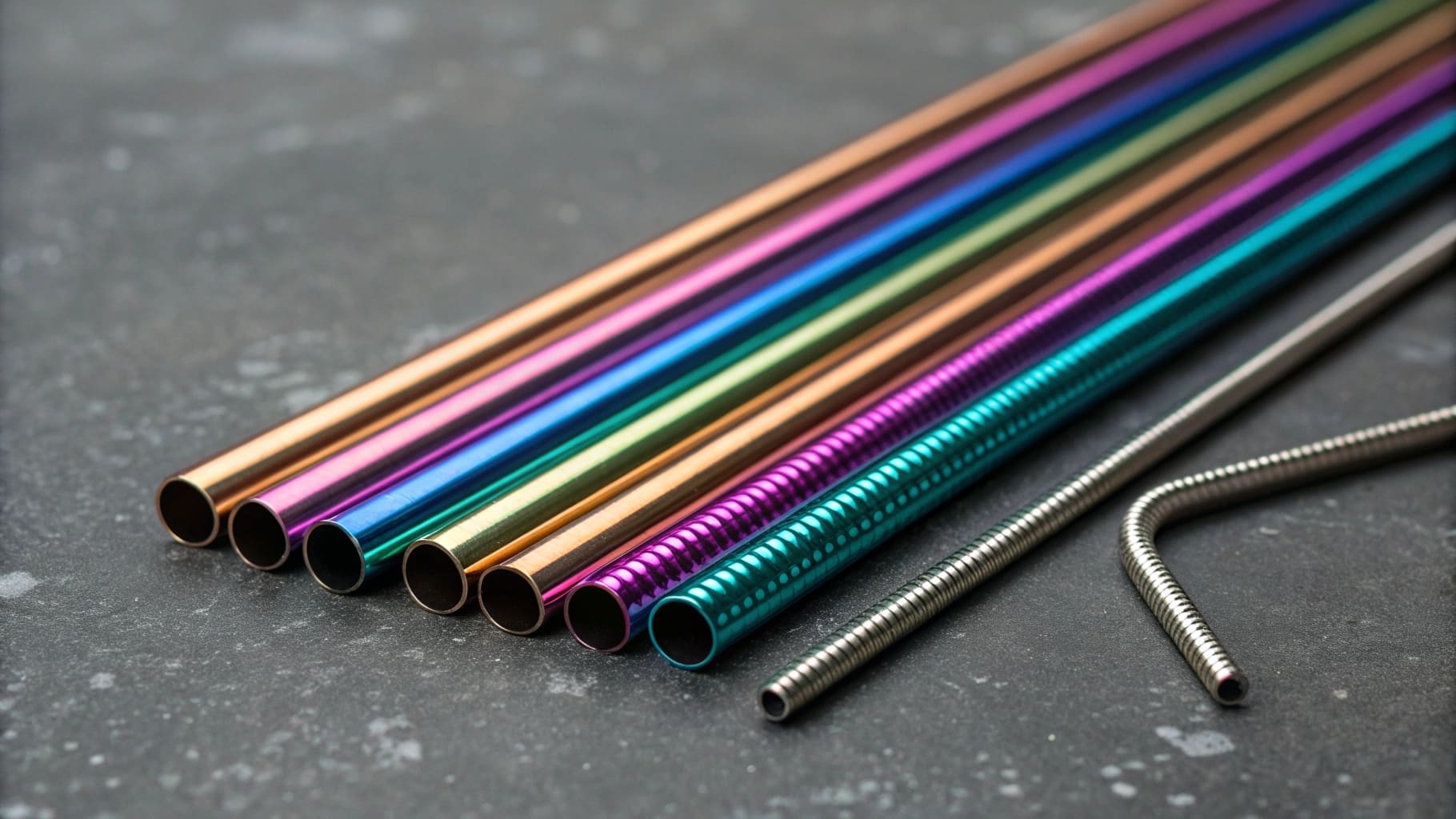
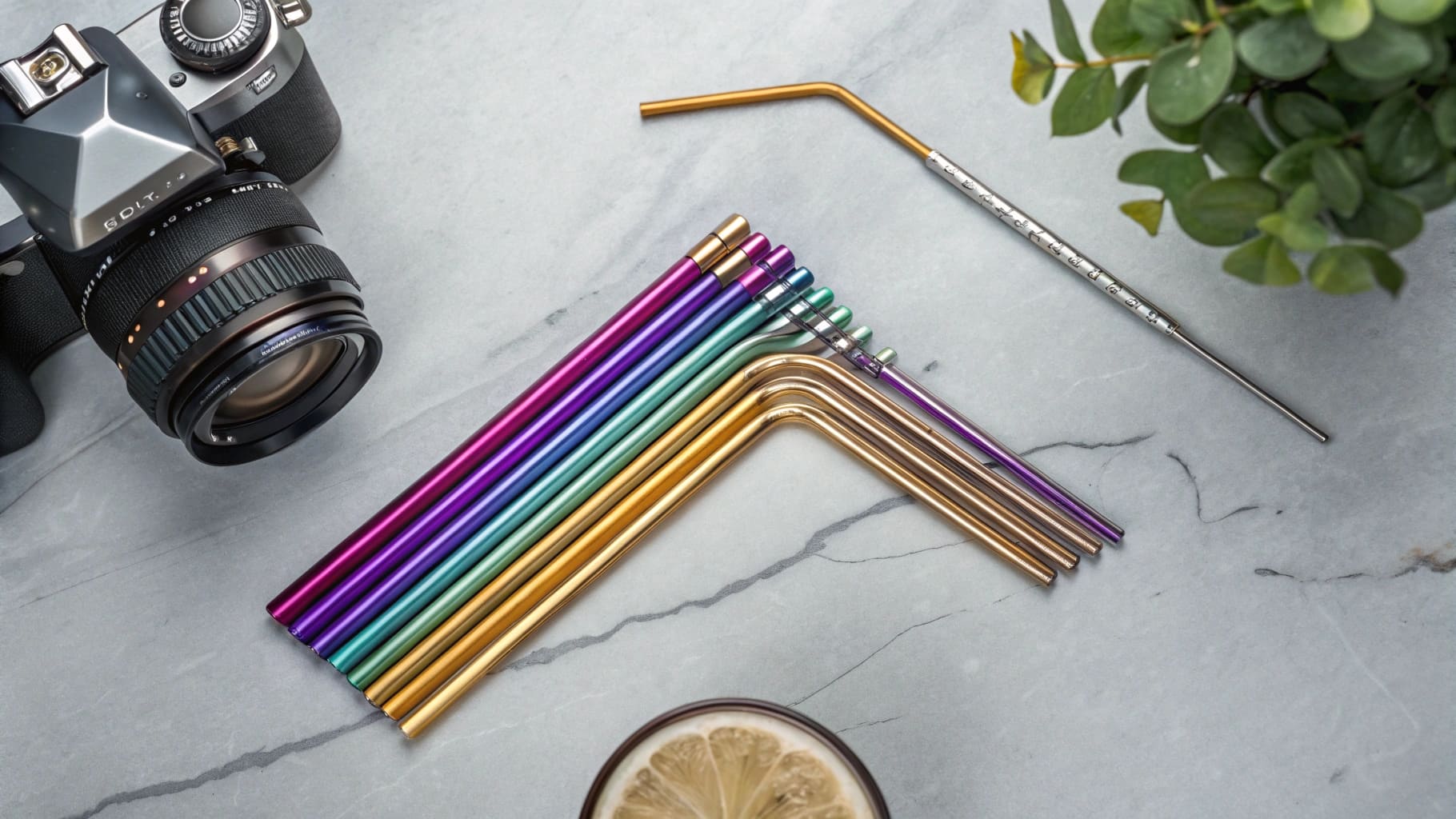
The coating issue affects colored straws more than bare metal. Cheap paint can introduce lead and cadmium. I only work with powder coating3 suppliers who provide REACH compliance reports. Their pigments contain zero heavy metals.
Testing that protects your wholesale business
I run three types of tests on every straw batch. Material composition testing verifies the 304 grade. Heavy metal migration testing checks if anything leaches into liquids. Surface coating analysis examines colored finishes.
The migration test matters most for end-use safety. Labs fill straws with acidic solution at elevated temperature. They hold this condition for hours. Then they measure the liquid for any metal traces. My products consistently show zero detection for lead, cadmium, and other restricted elements.
I keep test reports for five years. A buyer from Vancouver needed historical data for a product liability case. I provided reports from 18 months prior. The case closed in his favor because my documentation proved product safety.
Red flags that indicate lead risk
I learned to spot problem suppliers quickly. They resist providing material certificates. They offer prices far below market average. They cannot name their raw material sources.
One supplier quoted me 30 percent below my current cost. I asked for mill certificates. They said certificates cost extra. I walked away. Low prices often hide quality compromises that create compliance failures.
What are the safest straws to drink from?
Your customers compare straw materials before buying. Glass breaks easily. Paper dissolves in hot drinks. Silicone feels strange to many users. You need the best recommendation.
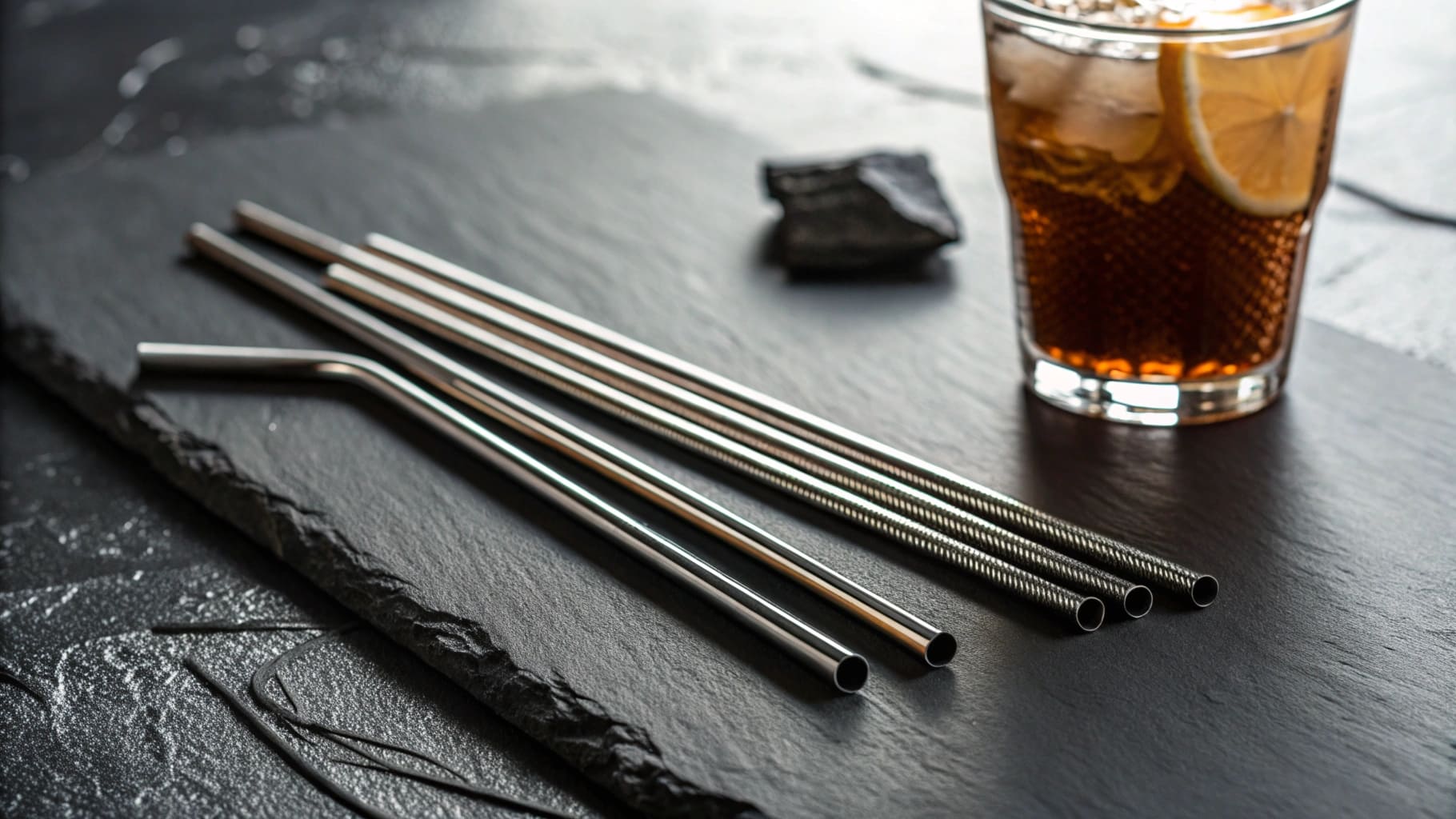
Stainless steel straws offer superior safety compared to alternatives. The material causes no chemical leaching, breaks resistant, and maintains cleanliness through high-temperature sterilization.
Comparing straw materials for wholesale safety
I evaluated every reusable straw type for my product line. Each material has specific weaknesses that affect wholesale viability. Plastic straws leach BPA and microplastics. Bamboo straws harbor mold in cracks. Glass straws chip and shatter.
Stainless steel eliminates these concerns. The solid metal construction prevents bacterial growth inside the tube. Smooth interior surfaces do not trap residue. I can put my straws in boiling water or dishwashers without degradation.
The durability creates long customer lifetime value. Buyers appreciate products that last years instead of months. This reduces their replacement costs and builds brand loyalty.
Material comparison for wholesale decisions
| Material | Safety Concern | Durability Issue | Cleaning Challenge |
|---|---|---|---|
| Plastic | BPA leaching | Scratches easily | Cannot sterilize |
| Bamboo | Mold growth | Cracks develop | Retains moisture |
| Glass | Lead in colors | Breaks on impact | Shows stains |
| Silicone | Chemical smell | Retains flavors | Difficult to inspect inside |
| Stainless Steel | None with 304 grade | Lasts indefinitely | Dishwasher safe |
I showed this comparison to a buyer from California. She was sourcing 10,000 straws for a restaurant chain. She chose stainless steel after reviewing the safety data. Her restaurants now feature my straws as a premium table setting item.
Why regulatory compliance favors stainless steel
Every material faces different regulatory hurdles. Plastic straws must prove BPA-free status and pass phthalate testing. Bamboo products need pesticide residue analysis. Glass requires lead-free certification for colored varieties.
Stainless steel straws clear all these requirements by default. The material composition naturally excludes restricted substances. I provide one set of certificates that covers multiple regulatory frameworks.
This simplicity matters for buyers who sell across regions. A Toronto buyer supplies both US and Canadian markets. He needs products that meet both FDA and Health Canada standards. My 304 stainless steel straws satisfy both without additional testing.
The 2026 wholesale advantage
I see compliance requirements tightening every year. California added new chemicals to Prop 65. European regulators expanded LFGB testing protocols. These changes create barriers for unprepared suppliers.
I invest in updated testing annually. My lab partners notify me when regulations change. I retest products before new rules take effect. This keeps my buyers ahead of enforcement dates.
A buyer from Oregon faced a retail audit in December 2024. The auditor asked for current Prop 65 documentation. My certificates were dated from September 2024 testing. The buyer passed the audit and expanded his order volume with me.
The sustainable aspect also drives 2026 demand. Consumers pressure brands to eliminate plastic waste. Businesses respond by switching to metal straws. This trend creates steady wholesale demand that favors suppliers with solid compliance records.
Conclusion
Food-grade 304 stainless steel straws meet all major safety standards for 2026 wholesale. I recommend sourcing from manufacturers who provide complete certification upfront.