
Bottle cleaning brushes: bristles, tip guards, MOQ, and packaging planning
Your customers buy beautiful stainless steel bottles from you. They use them daily. The bottles get dirty. Without proper cleaning tools, customers lose interest. Their satisfaction drops. Your repeat purchase rate suffers.
The best bottle cleaning brush combines durable bristles, protective tip guards, and practical packaging. I recommend nylon bristles for standard stainless steel bottles and silicone bristles1 for coated finishes. Plan your MOQ based on a 10-15% attachment rate to your bottle sales.
I run Icobottle in China. We manufacture stainless steel drinkware for B2B buyers. Over the years, I noticed something interesting. Buyers who order cleaning brushes alongside their bottles get fewer complaints. Their customers stay loyal longer. This makes sense. A clean bottle performs better. It lasts longer. The user experience improves.
What Is the Best Bottle Cleaning Brush?
You walk into a trade show. Hundreds of suppliers display cleaning brushes. They all look similar. You feel confused. Which one actually works? Which one protects your bottles? Your reputation depends on this choice.
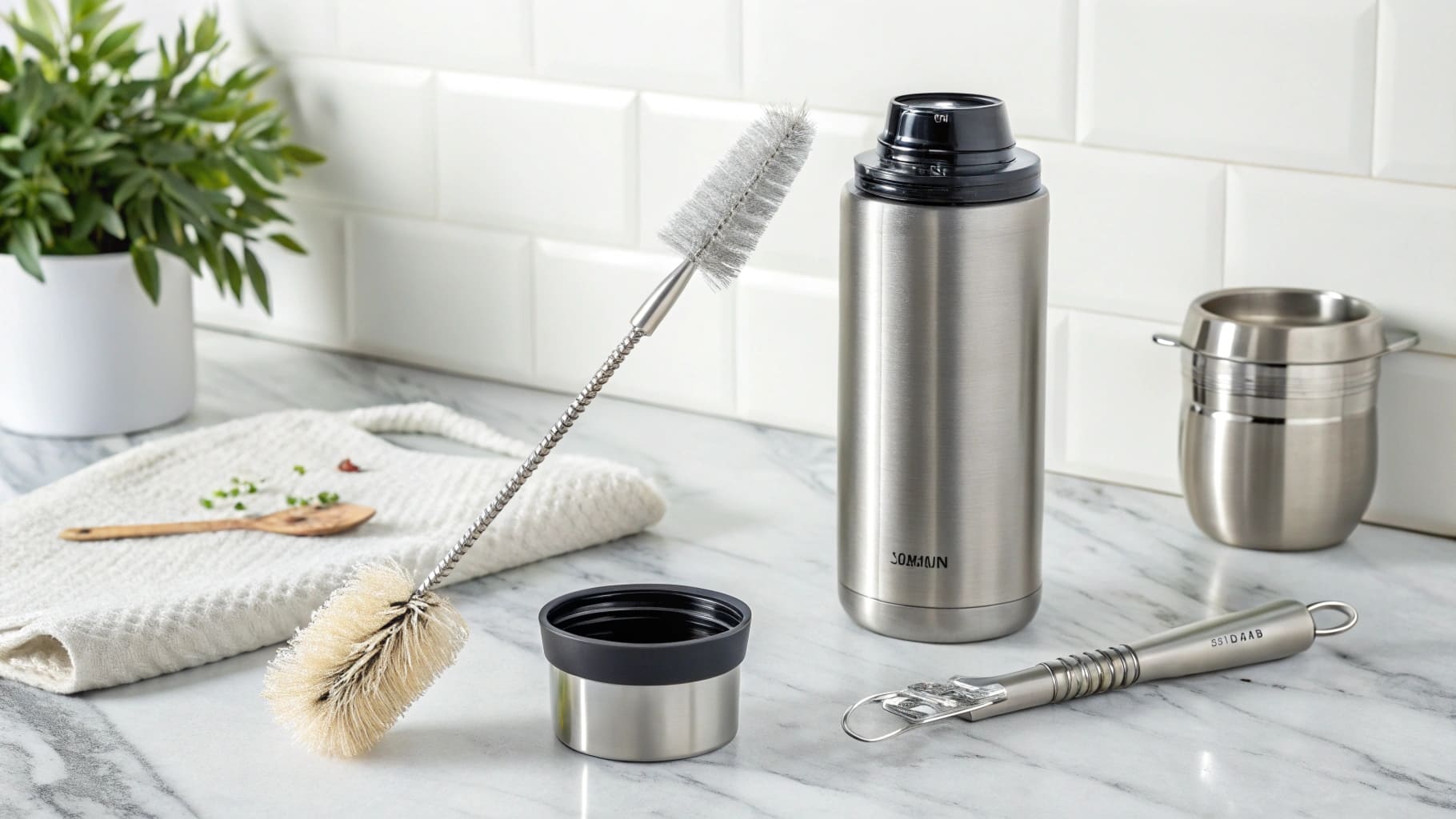
The best bottle cleaning brush2 has three features: appropriate bristle stiffness, a protective tip guard, and a handle length that reaches your bottle's bottom. These features prevent scratches while ensuring thorough cleaning.
I learned this lesson from a Canadian buyer three years ago. He ordered 5,000 water bottles from us. He sold them without offering cleaning brushes. Six months later, he called me. His customers complained about residue buildup. They could not clean the narrow bottle necks properly. Some customers posted negative reviews online. His sales dropped. We had a long conversation about accessories. He realized something important. Selling bottles without cleaning tools creates problems later.
The handle length matters more than most buyers think. I measure our standard water bottles. They range from 180mm to 350mm in height. A brush handle needs to be at least 200mm long for effective cleaning. Shorter handles force users to struggle. They cannot reach the bottom corners. Residue accumulates there. The bottle develops odors.
Tip guards protect your bottle's interior coating. I use powder-coated bottles in my product line. A metal or hard plastic tip scratches the coating easily. This exposes the stainless steel underneath. The bottle looks damaged. Your customer feels disappointed. A silicone or rubber tip guard prevents this problem. It adds minimal cost but saves your brand reputation.
| Feature | Standard Brush | Premium Brush |
|---|---|---|
| Bristle Type | Nylon | Silicone + Nylon |
| Tip Guard | Plastic | Soft Silicone |
| Handle Length | 200mm | 250mm |
| Typical MOQ | 3,000 pieces | 1,000 pieces |
What Is the Best Material for Bottle Brushes?
You receive quotes from three suppliers. One offers nylon bristles. Another promotes silicone. The third suggests a combination. You wonder which material cleans better. You worry about making the wrong choice. Your customers expect effective cleaning.
Nylon bristles work best for standard stainless steel bottles because they provide strong scrubbing power without scratching metal surfaces. Silicone bristles suit coated or specialty bottles because they clean gently while protecting finishes.
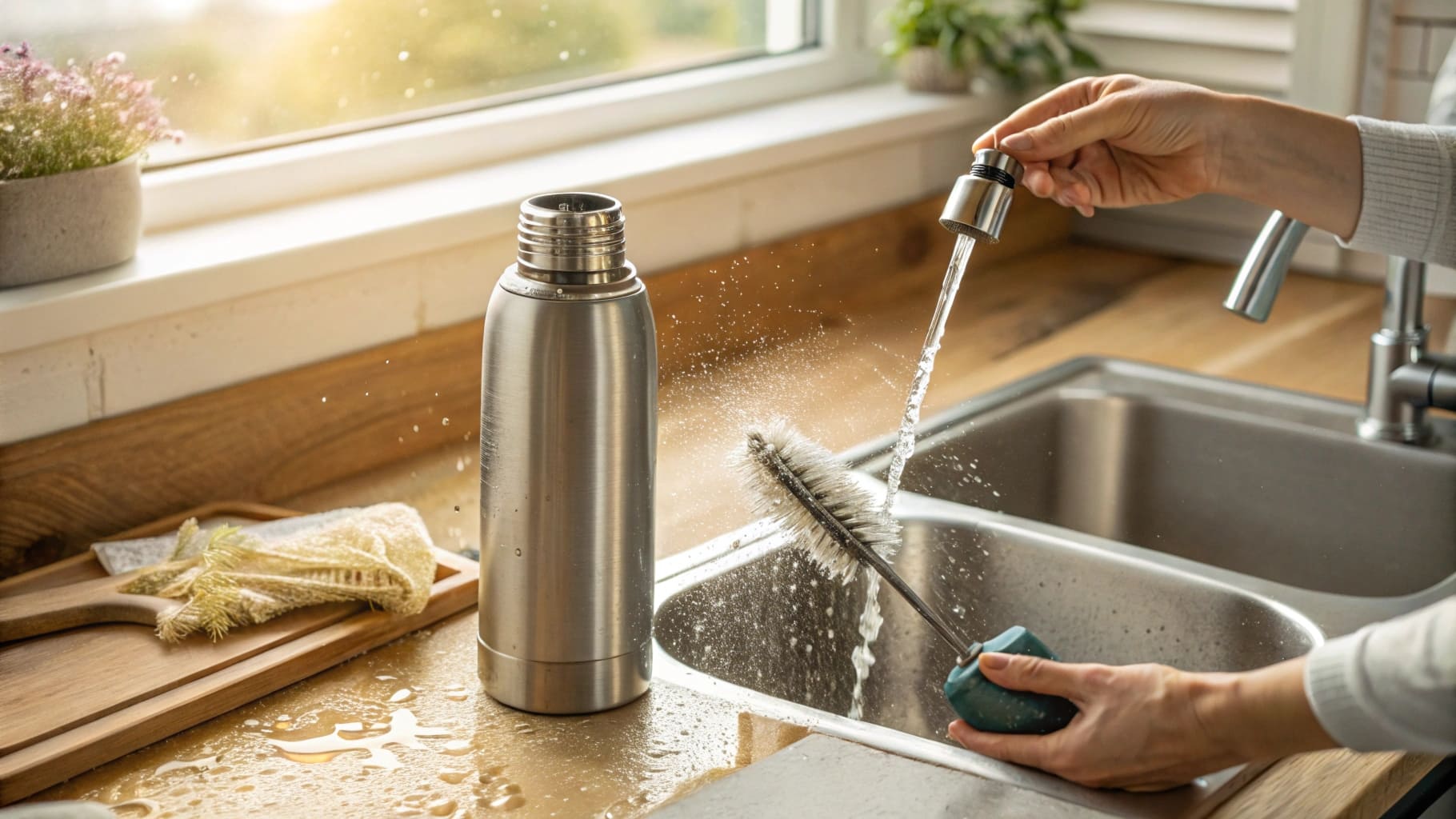
I tested both materials extensively in our factory. Nylon bristles remove coffee stains faster. They handle stubborn tea residue better. The bristles maintain their shape after repeated use. They dry quickly between uses. This prevents bacterial growth. Most of my buyers choose nylon for standard bottles.
Silicone bristles serve a different purpose. I recommend them for bottles with special interior coatings. Some of our premium bottles have ceramic coatings inside. Others have copper linings. These surfaces need gentle cleaning. Nylon bristles can damage these coatings over time. Silicone bristles clean effectively without causing harm.
The combination approach works well for diverse product lines. I supply one American buyer who sells both standard and coated bottles. He orders brushes with nylon bristles on the main brush head and silicone tips for detailed cleaning. His customers use one brush for all bottle types. This simplifies their cleaning routine. It reduces the SKU count in his inventory.
Material durability affects your replacement rate. Nylon bristles last 6-12 months with daily use. Silicone bristles can last 12-18 months. This impacts your customer's perception of value. Longer-lasting brushes justify higher prices. They also reduce environmental waste. Many buyers now emphasize sustainability in their marketing. Durable silicone brushes support this message.
| Material | Cleaning Power | Gentleness | Durability | Best For |
|---|---|---|---|---|
| Nylon | High | Medium | 6-12 months | Standard steel bottles |
| Silicone | Medium | High | 12-18 months | Coated bottles |
| Combination | High | High | 12+ months | Mixed product lines |
How Many Bottle Brushes Do You Need in a Year?
You plan your annual inventory. You know your bottle order quantity. You feel uncertain about brush quantities. You fear overordering. You worry about running out. Getting this number right affects your cash flow.
Calculate your brush needs by taking your annual bottle sales and multiplying by 0.10 to 0.15. This 10-15% attachment rate reflects typical market behavior. If you sell 10,000 bottles yearly, order 1,000 to 1,500 brushes.
I track purchasing patterns across my customer base. New buyers often underestimate brush demand. They order bottles aggressively. They order brushes conservatively. This creates a mismatch. Their customers ask for cleaning tools. The buyer runs out. They miss sales opportunities. They pay rush shipping for small reorders. This eats into profit margins.
Experienced buyers use a different strategy. They bundle brushes with bottles during product launches. One European buyer I work with packages one brush with every three-bottle set. He positions this as a "starter kit." His customers appreciate the convenience. They pay more for the bundled set. His average order value increases. He moves brushes steadily without excess inventory.
Seasonal variations affect brush demand too. I see higher attachment rates during gift-giving seasons. People buy bottle sets as presents. They want complete packages. They add brushes to make gifts more practical. Plan 20-25% of your annual brush inventory for Q4. This prevents stockouts during peak season.
MOQ requirements influence your planning. Most brush manufacturers set MOQs between 1,000 and 3,000 pieces per specification. I recommend ordering at the lower MOQ tier initially. Test market response. Track your attachment rate. Adjust future orders based on real data. This approach reduces risk while maintaining adequate supply.
Consider your storage capacity too. Brushes take up less space than bottles. One carton of 100 brushes occupies about 0.04 cubic meters. You can store 1,000 brushes in a small corner of your warehouse. This makes brush inventory more manageable than bottle inventory.
Packaging strategy impacts consumption rate. Individual brush packaging works well for separate sales. Bulk packaging reduces unit cost but requires repackaging. I see many buyers choose individual packaging for retail-ready products. They choose bulk packaging when bundling with bottles. Your business model determines which approach suits you better.
| Annual Bottle Sales | Recommended Brush Order | MOQ Consideration | Storage Space Needed |
|---|---|---|---|
| 5,000 bottles | 500-750 brushes | 1,000 MOQ minimum | ~0.4 cubic meters |
| 10,000 bottles | 1,000-1,500 brushes | 1,500 MOQ optimal | ~0.6 cubic meters |
| 20,000 bottles | 2,000-3,000 brushes | 3,000 MOQ efficient | ~1.2 cubic meters |
Conclusion
Choose brush materials that match your bottle finishes. Calculate quantities using your bottle sales data. Plan MOQ orders that balance cost efficiency with demand forecasts. Your cleaning accessory strategy strengthens customer satisfaction.