
Are Stainless Steel Straws LFGB and FDA Compliant in 2026?
I remember when a Canadian buyer canceled a $50,000 order because I couldn't provide proper FDA certificates. That painful lesson taught me that certification matters more than price. Today, most quality stainless steel straws meet both FDA and LFGB standards if you know what to verify.
Yes, stainless steel straws can be both LFGB and FDA compliant in 2026. Quality manufacturers provide test reports showing their 304 or 316 grade stainless steel1 meets migration limits for heavy metals and harmful substances. You need to request specific test documentation for each material grade and verify the testing lab's accreditation.
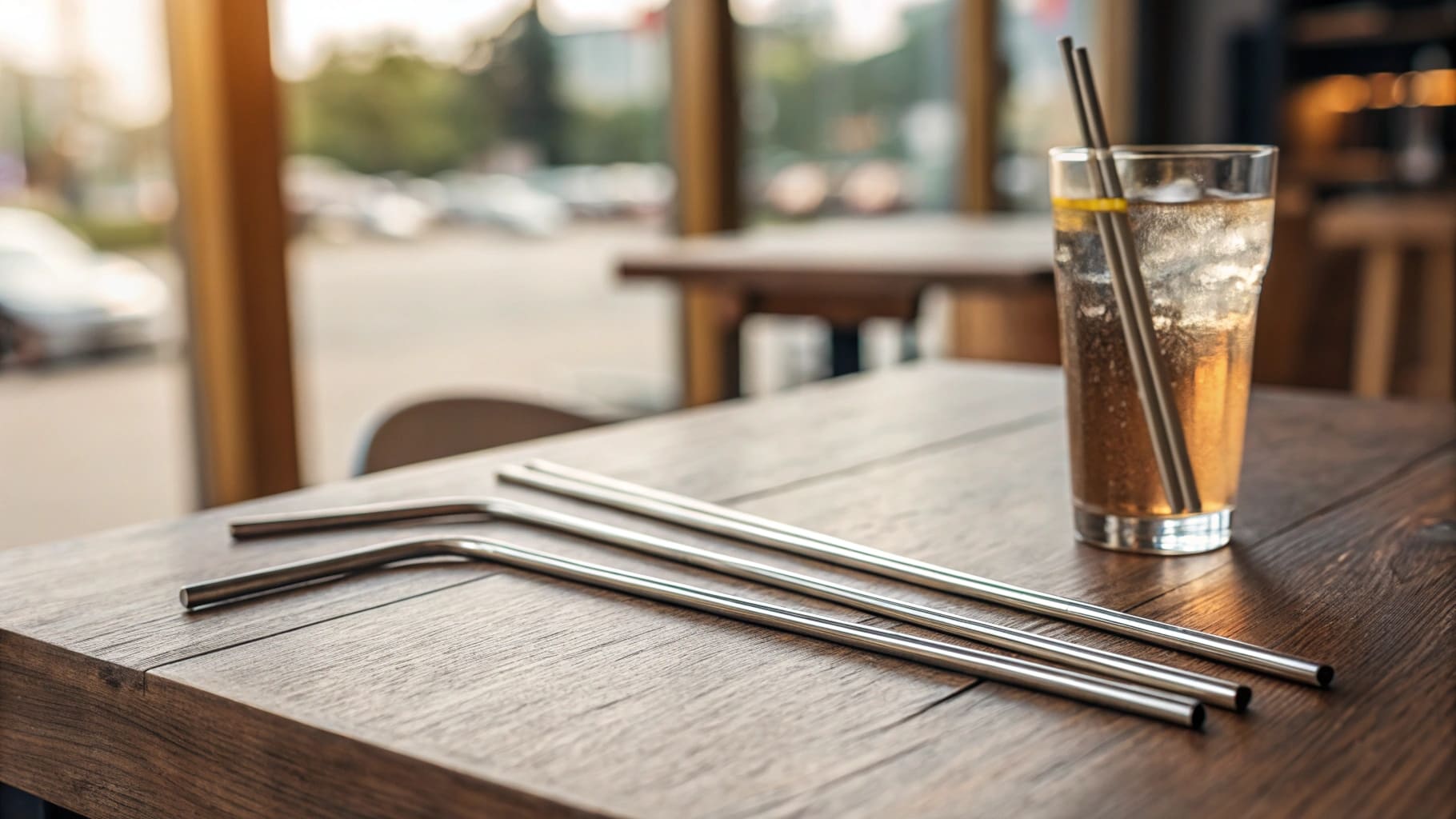
I've worked with procurement officers from America and Europe for over 10 years. The compliance question always comes up first. This guide shows you exactly what documents to request and what red flags to watch for when sourcing certified stainless steel straws.
What Does LFGB Certified Mean?
I spent three months waiting for LFGB test results from a German lab. The process felt slow and expensive. Many buyers skip this certification because they don't understand why it costs more and takes longer than FDA testing.
LFGB certification proves your stainless steel straws meet German food safety law requirements. The German Food and Feed Code sets strict limits on substance migration from food contact materials. Your straws must pass sensory testing, heavy metal migration tests, and overall composition analysis2.
The LFGB Testing Process
LFGB requires more detailed testing than most other food safety standards. I send samples to accredited German labs because European customs won't accept certificates from non-approved testing facilities.
The testing covers three main areas:
| Test Category | What Gets Measured | Why It Matters |
|---|---|---|
| Sensory Tests | Taste, odor, color changes in food simulants | Ensures no chemical taste transfers to drinks |
| Migration Tests | Heavy metals (lead, chromium, nickel) release | Prevents toxic substance contamination |
| Composition Analysis | Material purity and alloy percentages | Confirms actual 304/316 grade steel usage |
I've seen suppliers claim LFGB compliance without proper documentation. They show expired certificates or test reports that don't match the actual product specifications. You need to verify the test report includes your exact product dimensions, material grade, and surface finish type.
The certificate should list the specific food simulants used during testing. Common simulants include 3% acetic acid for acidic foods and 10% ethanol for alcoholic beverages. Your stainless steel straws need to pass all simulant tests because customers use them with different drink types.
LFGB also requires regular retesting. A certificate older than two years raises concerns about current compliance. I recommend requesting fresh test reports dated within the past 12 months for any bulk order.
What Is the Difference Between FDA and LFGB Silicone?
A customer once asked why our silicone straw tips3 cost more than competitor products. I explained that FDA and LFGB test different things. The price difference reflects the broader testing scope required for European compliance.
FDA focuses on U.S. market safety requirements while LFGB follows stricter European Union protocols. LFGB-certified silicone undergoes additional sensory testing and uses different food simulants compared to FDA standards. Both certifications test for harmful substance migration but use different acceptable limits.
Testing Protocol Differences
The gap between FDA and LFGB requirements becomes clear when you review actual test reports. I keep both types of certificates for comparison when customers ask technical questions.
Here's what makes them different:
| Standard | Testing Authority | Migration Limits | Food Simulants | Retesting Frequency |
|---|---|---|---|---|
| FDA | U.S. Food and Drug Administration | Based on 21 CFR regulations | Water, 8% alcohol, acidic solutions | No mandatory retesting |
| LFGB | German BfR Institute | Stricter EU limits (often 50% lower) | Multiple simulants including fatty foods | Required every 2 years |
I source silicone tips from manufacturers who maintain both certifications. This dual compliance approach costs about 15-20% more in testing fees but opens both American and European markets without additional certification delays.
FDA allows manufacturers to self-declare compliance for many food contact materials. You submit a Food Contact Notification to FDA but don't always need third-party testing. LFGB mandates independent lab testing from accredited German facilities.
The silicone compound formula affects compliance too. LFGB restricts certain platinum catalysts and volatile organic compounds that FDA permits in small quantities. I always request the complete formulation disclosure and compare it against both standards' restricted substance lists.
Migration testing duration differs significantly. FDA typically requires 10-day migration tests. LFGB extends this to 30 days for certain applications. Longer testing periods catch slow-releasing substances that shorter tests might miss.
Is Silicone or Stainless Steel Less Toxic?
I tested both materials in my own home before recommending them to customers. My kids used silicone straws for smoothies and stainless steel ones for water. Neither showed any safety issues but the durability difference was obvious within weeks.
Both food-grade silicone and stainless steel are safe when properly certified. Stainless steel offers lower migration risk because it's inert and doesn't degrade over time. Silicone can break down with repeated high-heat exposure or harsh cleaning, potentially releasing small amounts of volatile compounds.
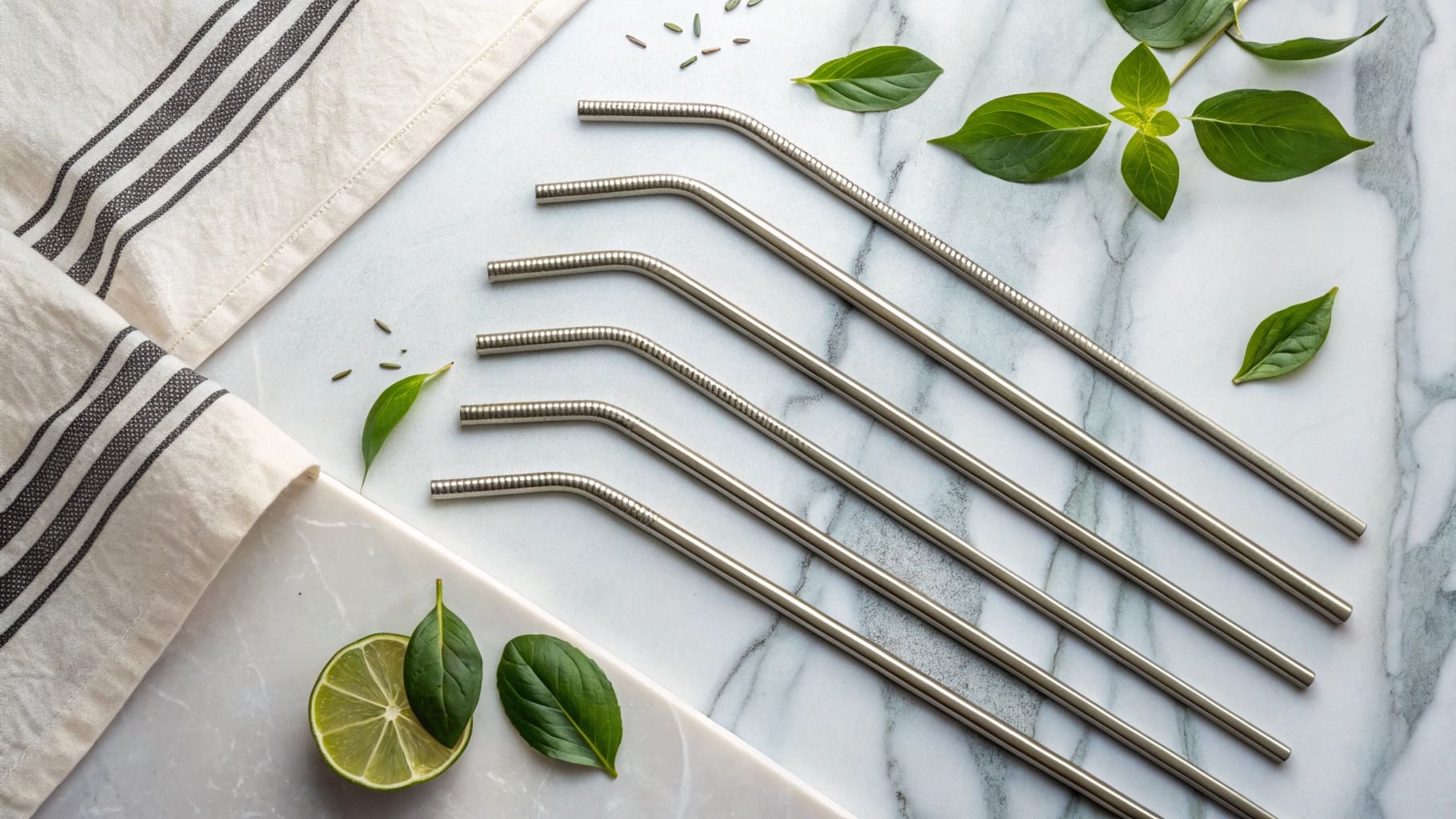
Material Safety Comparison
The toxicity question depends on material grade, manufacturing quality, and usage conditions. I've seen problems with both materials when suppliers cut corners on quality control.
Quality indicators for each material:
| Material | Safety Advantages | Potential Concerns | Best Use Cases |
|---|---|---|---|
| 304 Stainless Steel | Zero BPA, dishwasher safe, doesn't leach chemicals | Can impart metallic taste if low quality | Hot and cold beverages, daily use |
| 316 Stainless Steel | Superior corrosion resistance, medical grade | Higher cost (30-40% premium) | Acidic drinks, marine environments |
| Food-Grade Silicone | Flexible, comfortable mouthfeel | Can harbor bacteria in cracks, degrades over time | Soft-tip applications, children's products |
I prefer 316 grade stainless steel for straws because it handles acidic drinks better. Orange juice and coffee contain acids that can accelerate corrosion in lower-grade metals. The corrosion releases small amounts of chromium and nickel into drinks.
Silicone quality varies dramatically between suppliers. Medical-grade silicone costs three times more than industrial-grade versions. The cheap silicone contains fillers and stabilizers that might not appear on safety certifications. I request shore hardness specifications and volatile matter content for any silicone components.
Temperature tolerance matters for toxicity assessment. Food-grade silicone typically withstands temperatures up to 200°C. Stainless steel handles much higher temperatures without degradation. Neither material should release toxic substances at normal beverage temperatures but quality issues show up faster under heat stress.
Long-term durability affects safety too. I've used the same stainless steel straws for five years without any surface degradation. Silicone tips need replacement after 12-18 months of daily use because the material gradually hardens and develops small cracks where bacteria can grow.
Conclusion
Both FDA and LFGB compliance are achievable for quality stainless steel straws in 2026. Request current test reports, verify lab accreditation, and choose 316 grade steel for maximum safety and durability.
-
Knowing the differences between these grades can guide you in selecting the best materials for durability and safety. ↩
-
Composition analysis confirms the material quality and safety of stainless steel straws. ↩
-
Explore the advantages of silicone straw tips, especially for children and soft-tip applications. ↩
