
What AQL should you set for lid seals on travel coffee mugs to ensure no leaks?
I learned this lesson the hard way. Last year, a Canadian client received 5,000 travel mugs from us. Within two weeks, their end customers reported 50 leaking lids1. The damage to their brand was immediate and costly.
For lid seals on travel coffee mugs, I recommend setting an AQL of 1.0 or lower for critical defects. This standard ensures that less than 1% of your shipment has sealing failures. At Icobottle, we apply stricter controls on sealing components because even small leak rates destroy buyer confidence and trigger expensive returns.
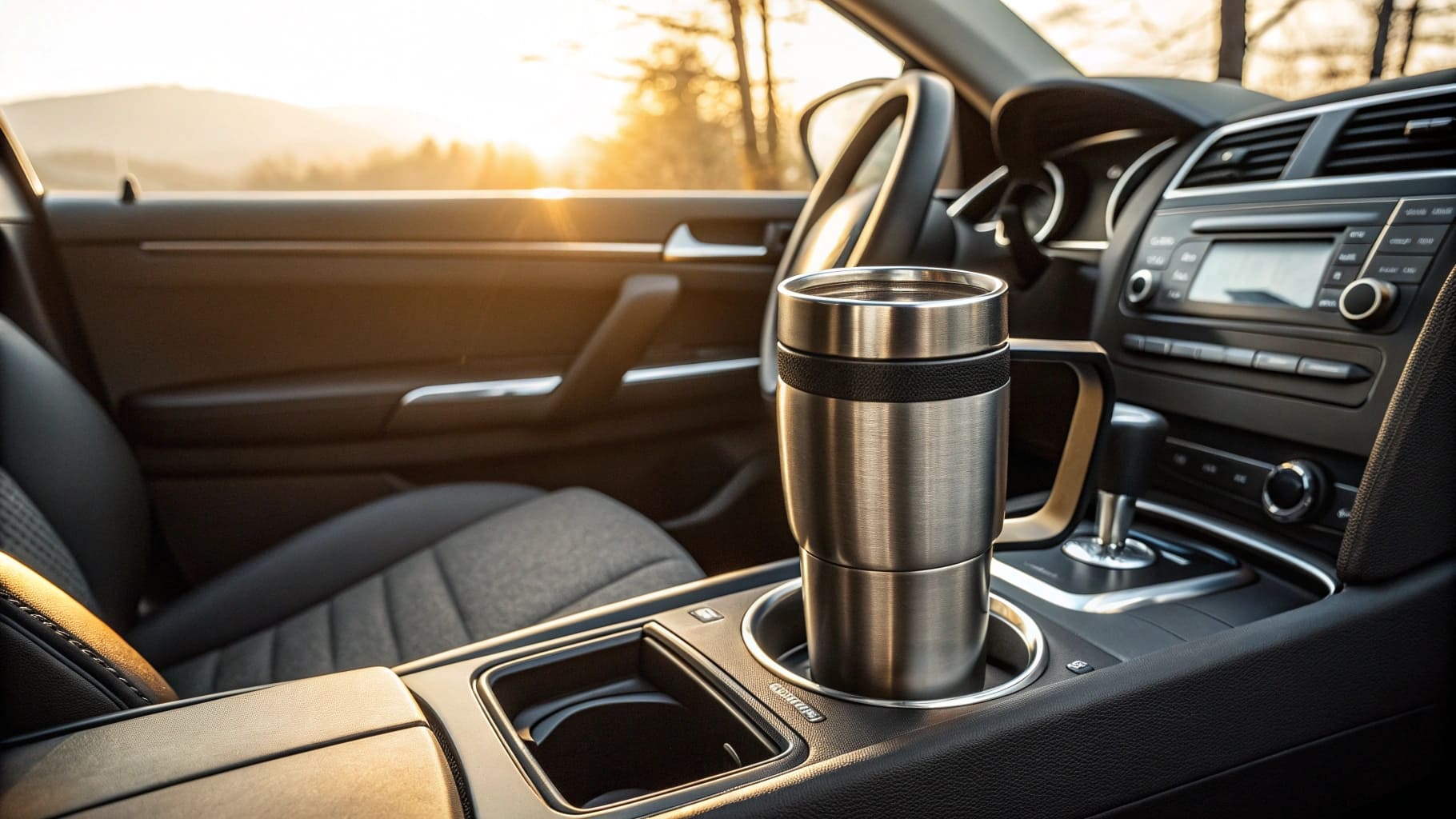
Setting the right AQL is not just about numbers on paper. It is about understanding what actually causes leaks and how to prevent them during production. Let me share what I have learned from working with buyers like you who need reliable products for their market.
Why is my travel mug leaking?
You open a customer email. They bought your branded mug last week. Now coffee stains cover their car seat. Your phone starts ringing with more complaints. This nightmare happens when seal quality fails.
The main cause of leaks is poor seal integrity. The silicone gasket either fits incorrectly, uses low-grade material, or loses elasticity after a few uses. I inspect this issue daily in our quality control process2 because it is the number one complaint from distribution partners.
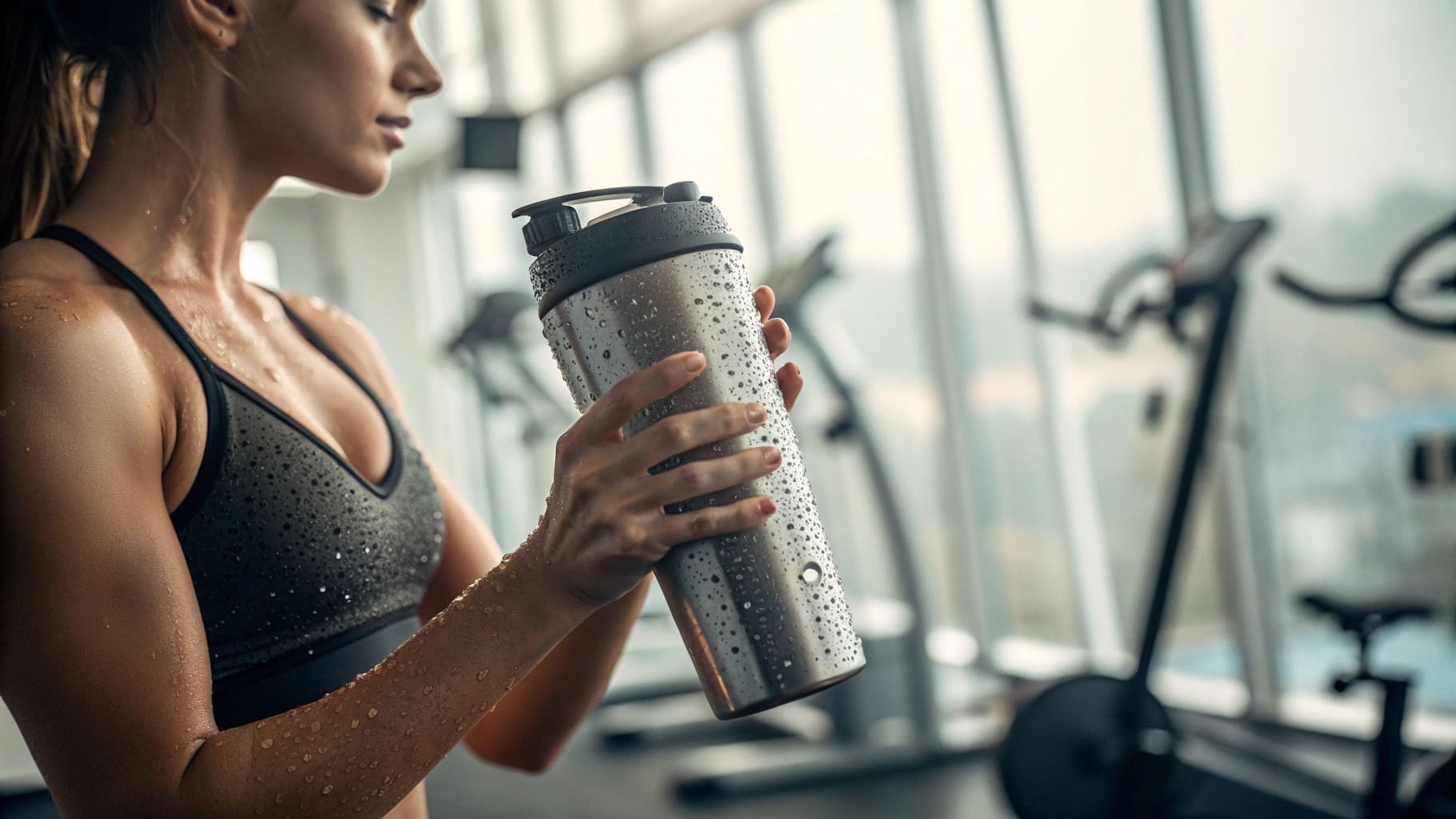
I have seen three primary failure points in lid seals. First, the gasket material itself degrades quickly. Some factories use recycled silicone or mix it with cheaper compounds to cut costs. These materials cannot handle temperature changes. When you pour hot coffee at 85°C into a mug, the seal expands. When the beverage cools, the seal contracts. Low-quality silicone loses its shape after just a few cycles.
Second, the gasket fit tolerance matters more than most buyers realize. I require our factory to maintain gasket fit within 0.1mm deviation. When the tolerance exceeds this range, gaps form between the lid and the gasket groove. Even a 0.2mm gap allows liquid to seep through under pressure. I remember one order where the buyer approved samples but rejected the bulk production. We measured the gaskets and found 0.3mm deviation. We scrapped 2,000 lids and remade them.
Third, the lid thread design3 interacts with seal performance. If the threads are too shallow, you cannot tighten the lid enough to compress the gasket properly. If the threads are too tight, over-compression damages the gasket structure. I test this by filling mugs with colored water, sealing them, and shaking them 100 times. Any leak shows up immediately.
Here is what I check during production:
| Quality Checkpoint | Standard | Testing Method |
|---|---|---|
| Gasket Material | Food-grade silicone, FDA approved | Material certification review |
| Compression Force | 15-20N | Digital force gauge measurement |
| Fit Tolerance | ±0.1mm | Caliper measurement at 5 points |
| Temperature Resistance | -20°C to 100°C | Thermal cycle testing |
| Leak Test | Zero leaks after 100 shakes | Physical shake test with dyed water |
Why is there a hole in the bottom of my ceramic travel mug?
I get this question often. You receive a shipment of ceramic travel mugs4 and notice a small hole at the bottom. You worry it is a defect. Your customers will think the product is broken before they even use it.
That hole is intentional. It is a pressure relief vent that prevents the ceramic liner from cracking during temperature changes. Without this hole, trapped air expands when hot liquid enters the mug, creating pressure that can crack the ceramic or damage the seal.

The science behind this design relates to thermal expansion. Ceramic materials expand when heated. If you have a completely sealed ceramic liner inside a stainless steel shell, the air trapped between them has nowhere to go when it heats up. This creates internal pressure. I have seen ceramic liners crack right down the middle because of this pressure build-up.
The vent hole is usually 1-2mm in diameter. It connects the space between the ceramic liner and the outer shell to the outside air. This allows pressure to equalize. The hole does not cause leaks because it sits in the air gap, not in the liquid-holding chamber. I explain this to buyers who worry about the hole affecting performance.
Some manufacturers place the vent hole in different locations. I have seen it on the bottom, on the side near the base, or even hidden under the base pad. The location does not matter as much as having it present. What matters is that the hole is properly sealed if it goes through the outer shell, so moisture cannot enter and cause rust.
When I source ceramic travel mugs for clients, I verify several things:
| Component | Quality Requirement | Why It Matters |
|---|---|---|
| Ceramic Liner | Food-grade, lead-free glazing | Health safety compliance |
| Vent Hole | 1-2mm diameter, deburred edges | Prevents pressure damage |
| Base Seal | Silicone plug or sealed cap | Prevents moisture entry |
| Ceramic-Shell Gap | 3-5mm air space | Adequate expansion room |
Most buyers I work with prefer stainless steel construction over ceramic because it eliminates these concerns. Stainless steel mugs do not need vent holes. They handle thermal stress better. They are lighter and more durable for repeated use.
What is the healthiest material for travel mugs?
I met a buyer at a trade show last year. He told me his customers complained about a metallic taste in their coffee. His mugs used stainless steel, but it was grade 201. The chromium content was too low. The nickel content was wrong. Within months, his products failed safety tests.
The healthiest material combination uses food-grade stainless steel 3045 for the body and BPA-free Tritan for lid components. This combination offers safety, durability, and taste neutrality. I only work with suppliers who provide material certificates for both components.

Stainless steel 304 contains 18% chromium and 8% nickel. This composition creates a protective layer that prevents rust and corrosion. It does not leach chemicals into beverages, even with acidic drinks like coffee or juice. I test this by leaving lemon water in mugs for 48 hours and checking for any metallic taste or discoloration.
Some factories try to substitute grade 201 stainless steel because it costs less. Grade 201 has lower chromium content and higher manganese content. It rusts faster and can release metals into acidic beverages. I caught this substitution once by testing samples with a magnet and acid test. Grade 304 is only slightly magnetic. Grade 201 is more magnetic. The acid test showed faster corrosion on the grade 201 sample.
The lid material matters just as much as the body material. I specify Tritan plastic for lid components. Tritan is the same material used in baby bottles. It resists high temperatures without releasing BPA or other harmful chemicals. Cheaper lids use polypropylene or regular polycarbonate. These materials can release odors and potentially harmful compounds when exposed to hot liquids repeatedly.
The silicone gasket must be food-grade certified. I require FDA approval or LFGB certification from European standards. Some factories use industrial-grade silicone that contains fillers or compounds not safe for food contact. The easiest way to spot poor quality silicone is by smell. Food-grade silicone has no odor. Industrial-grade silicone smells like chemicals or rubber.
Here is my material specification table for the healthiest travel mugs:
| Component | Material Standard | Certification Required | Key Properties |
|---|---|---|---|
| Mug Body | Stainless Steel 304 (18/8) | FDA, LFGB | Rust-resistant, taste-neutral, durable |
| Lid Shell | Tritan Copolyester | BPA-free certification | Heat-resistant, odor-free, impact-resistant |
| Gasket | Food-grade Silicone | FDA, LFGB | Temperature stable, elastic, non-toxic |
| Inner Coating | None (bare 304 steel preferred) | N/A | Prevents coating degradation |
I tell buyers to avoid mugs with inner coatings. Some manufacturers apply epoxy or ceramic coatings inside stainless steel mugs. These coatings can chip or degrade over time, especially with hot liquids and repeated washing. Bare stainless steel 304 performs better for long-term health safety.
Paint on the exterior also matters. I use powder coating instead of wet paint when possible. Powder coating contains no solvents or VOCs. It cures at high temperature and creates a harder, more durable finish. Wet paint can contain lead or cadmium in cheaper formulations, especially in bright colors.
Conclusion
Setting AQL at 1.0 or lower for lid seals protects your brand reputation and reduces costly returns. I focus on material quality, fit tolerance, and rigorous testing to deliver leak-proof travel mugs that your customers trust and reorder.
-
Explore the common issues leading to leaks and how to prevent them. ↩
-
Explore the steps taken to ensure high-quality travel mugs. ↩
-
Understand the relationship between thread design and seal performance. ↩
-
Discover the advantages and considerations of using ceramic materials. ↩
-
Learn about the health and safety benefits of using stainless steel 304. ↩