
Marine stainless cup holders: 316 steel, drain holes, and salt spray AQL
You order marine cup holders for your boat accessories line. Your customers complain about rust spots after one season. You lose repeat orders and damage your brand reputation.
Marine cup holders need 316 stainless steel1 construction with proper drain holes and salt spray testing2 at AQL 2.5 standards. These three features protect against chloride corrosion in saltwater environments and ensure your product lasts multiple seasons.
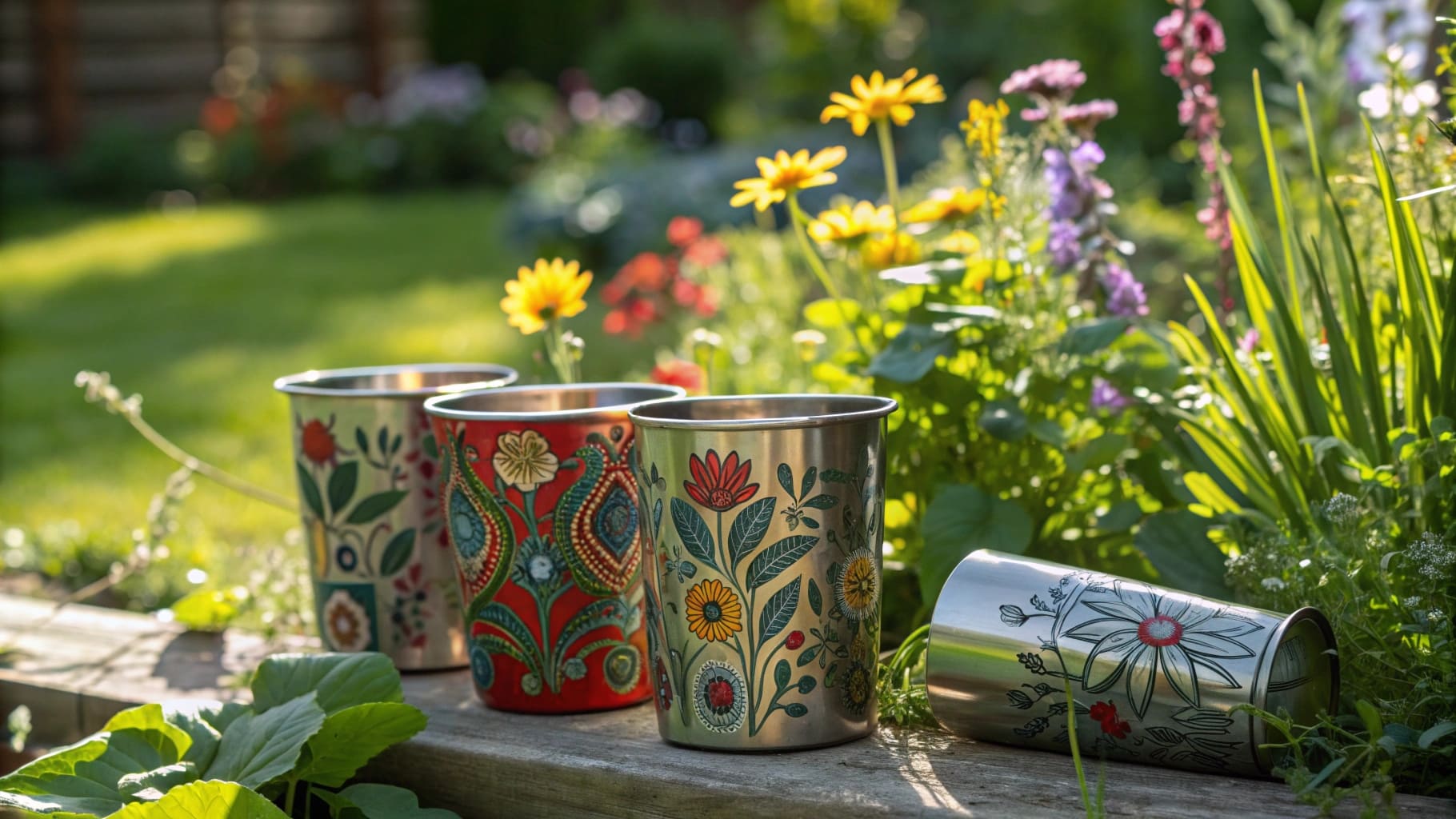
I have supplied marine hardware to North American distributors for over eight years. The cup holder category generates the most quality complaints when buyers choose the wrong specifications. Let me show you the three factors that separate premium marine cup holders from coastal failures.
What are the dimensions of a cup holder?
Your customer opens the package and tries to fit their water bottle. It wobbles or gets stuck. They return the product and leave a negative review about poor sizing.
Standard marine cup holders measure 3.5 to 4 inches in top diameter and 2.5 to 3.5 inches in depth. The mounting flange spans 4 to 5 inches to secure through-bolt installation on boat surfaces.
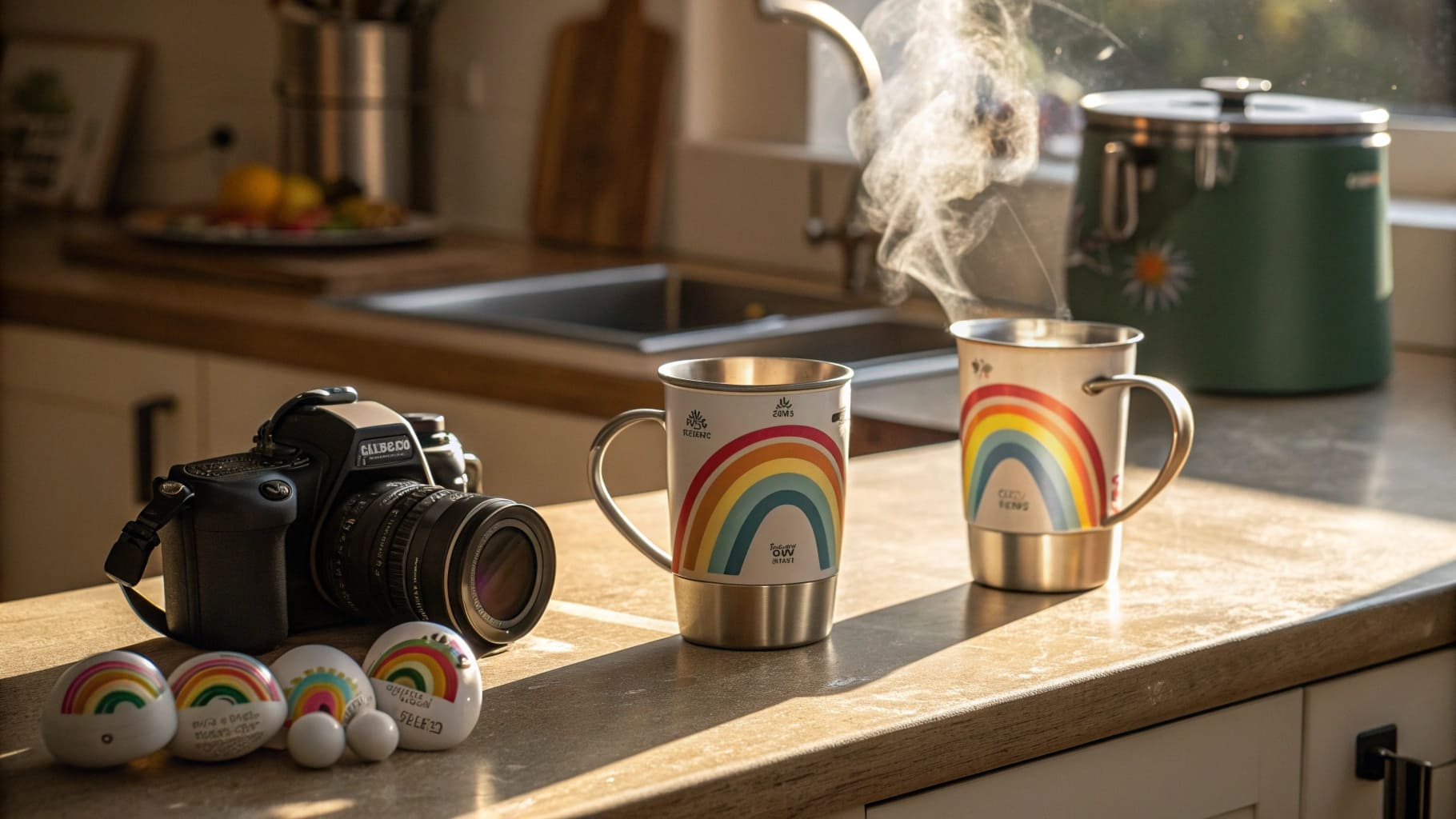
Marine cup holders require more precise dimensional planning than automotive versions. I design all my marine cup holders with a tapered interior. The bottom diameter sits 0.25 to 0.5 inches smaller than the top opening. This taper creates friction grip when boats hit waves but still allows easy bottle removal.
The depth measurement matters for different container types. A 2.5-inch depth works for standard cans. Tall water bottles need 3.5 inches minimum. I recommend 3.25 inches as the sweet spot for versatility.
Here are the critical measurements I use:
| Dimension Type | Measurement Range | Purpose |
|---|---|---|
| Top Diameter | 3.5 - 4 inches | Fits most beverage containers |
| Bottom Diameter | 3 - 3.5 inches | Creates secure grip |
| Depth | 2.5 - 3.5 inches | Accommodates different bottle heights |
| Flange Diameter | 4 - 5 inches | Provides mounting stability |
| Drain Hole Size | 0.25 - 0.375 inches | Allows water drainage |
The flange thickness needs to be at least 2mm. Thinner flanges crack under vibration stress from boat engines. I add four mounting holes at 3.5-inch spacing for even load distribution.
One detail many suppliers miss is the drain hole position. I place three drain holes at 120-degree intervals around the bottom. Each hole measures 0.25 inches in diameter. This size drains rainwater and spray quickly but prevents small items from falling through.
What is the hardness of 316 stainless steel?
You receive a shipment of marine cup holders marked as 316 stainless steel. After six months in coastal conditions, you see surface pitting. Your supplier used 304 grade instead.
Grade 316 stainless steel measures 70 to 90 HRB on the Rockwell B scale. The molybdenum content provides superior resistance to chloride corrosion in salt spray environments.

The hardness number tells only part of the story. I run material verification tests on every batch because many factories substitute 304 grade to cut costs. The price difference is small but the performance gap is massive in marine conditions.
Grade 316 contains 2 to 3 percent molybdenum. This element forms a protective layer when exposed to chloride ions in seawater. Grade 304 lacks this molybdenum content. Surface corrosion starts within months in active saltwater exposure.
I use XRF testing to verify material composition before production. This non-destructive test identifies the exact alloy content in seconds. Here is how the grades compare:
| Steel Grade | Molybdenum Content | Rockwell Hardness | Marine Suitability |
|---|---|---|---|
| 304 | 0% | 70-85 HRB | Poor - corrodes quickly |
| 316 | 2-3% | 70-90 HRB | Excellent - resists salt spray |
| 316L | 2-3% | 65-85 HRB | Best - superior welding properties |
The L in 316L means low carbon content. This grade resists intergranular corrosion better than standard 316. I recommend 316L for any cup holder with welded joints or deep drawing operations.
Salt spray testing reveals the real difference. I run 500-hour ASTM B117 tests on my marine cup holders. Grade 316 shows no visible corrosion. Grade 304 develops rust spots after 150 hours. This three-fold performance difference justifies the 15 percent cost premium.
The surface finish also affects corrosion resistance. I use number 4 brushed finish for marine cup holders. This finish provides better corrosion resistance than mirror polish because it has fewer stress points where corrosion can start.
How do you clean a cupholder?
Your end customer uses their boat every weekend. Salt residue builds up inside the cup holder. They try to clean it but scratches appear on the finish. They blame your product quality.
Rinse marine cup holders with fresh water after each saltwater use. Clean with mild soap and a soft cloth weekly. Remove stubborn stains with baking soda paste and avoid abrasive scrubbers that scratch the protective surface.

Salt crystals are the enemy of all marine stainless steel. Even 316 grade will corrode faster when salt residue sits on the surface for extended periods. I include care instructions with all my marine cup holder shipments because proper maintenance doubles the service life.
Fresh water rinsing takes 30 seconds but prevents 90 percent of corrosion issues. The salt crystals left after seawater evaporates are highly corrosive. They attract moisture from humid air and create a continuous corrosion cell on the metal surface.
For routine cleaning, I recommend this protocol:
| Cleaning Step | Method | Frequency |
|---|---|---|
| Fresh water rinse | Spray or pour clean water | After each saltwater use |
| Soap cleaning | Mild dish soap with soft cloth | Weekly |
| Deep cleaning | Baking soda paste, 2-minute soak | Monthly |
| Inspection | Check for discoloration or pitting | Monthly |
The soap choice matters. Avoid cleaners containing chlorine or bleach. These chemicals attack the passive layer on stainless steel. I tell my customers to use the same mild dish soap they use for dishes.
Baking soda paste works better than specialized stainless steel cleaners for marine applications. Mix three parts baking soda with one part water. Apply the paste and let it sit for two minutes. Wipe with a damp cloth and rinse thoroughly. This method removes light discoloration and salt stains without scratching.
Some customers ask about using vinegar for cleaning. White vinegar works well for calcium deposits but I recommend limiting use to once per month. The acetic acid in vinegar can dull the surface finish with frequent use.
The drain holes need special attention during cleaning. I use a small brush to clear any debris blocking drainage. Blocked drain holes defeat their purpose and allow standing water to accelerate corrosion.
Conclusion
I specify 316 stainless steel with proper dimensions and drain design for all marine cup holders. Regular fresh water rinsing and monthly deep cleaning protect your investment and keep customers satisfied.
