
What Tariff and HS Codes Apply to Hip Flasks? Duty, COO, and DDP Math 2026
You face confusion when importing hip flasks. Wrong HS codes lead to overpaid duties or customs delays. Your shipment gets stuck at the border.
Hip flasks typically fall under HS code 7323.93 for stainless steel tableware, with duty rates1 varying by country and construction type. Vacuum flasks may use different codes like 9617.00, affecting your total landed costs significantly.

I have shipped thousands of hip flask orders to North America and Europe over the past decade. Each market has specific classification rules that directly impact your bottom line. Getting this right from day one saves you money and headaches.
What Is the HS Code for Hip Flask?
Your hip flask classification determines your duty rate. Most buyers guess wrong on their first import. This mistake costs you real money at customs.
Standard stainless steel hip flasks fall under HS code 7323.93.00 in most markets. This code covers table, kitchen, or household articles made of stainless steel, with duty rates ranging from 0% to 8.5% depending on your destination country.

Understanding Hip Flask Classification Details
I work with procurement officers who initially classified hip flasks incorrectly. The HS system looks at material composition, manufacturing method, and intended use. Stainless steel hip flasks without vacuum insulation fit squarely in the 7323 category.
The material matters for classification. I manufacture hip flasks using food-grade 304 or 316 stainless steel2. These materials meet FDA standards and LFGB requirements. Customs officials verify material composition through your commercial invoice and material safety data sheets.
Capacity influences classification in some markets. Hip flasks under 1 liter typically stay in the same code. Larger vessels may shift to different categories. I recommend confirming with your customs broker before placing large orders.
Here is how different markets classify standard hip flasks:
| Market | HS Code | Base Duty Rate | Notes |
|---|---|---|---|
| United States | 7323.93.00 | 3.4% | Additional Section 301 tariffs may apply |
| European Union | 7323.93.00 | 0% | GSP preferences available from some origins |
| Canada | 7323.93.00 | 0-7% | Depends on trade agreement eligibility |
| Australia | 7323.93.00 | 5% | May reduce under FTA agreements |
Your country of origin certificate becomes critical here. I manufacture in China, which means certain tariffs apply. If your supplier operates in Vietnam or Thailand, different rates kick in due to trade agreements.
What Is the HS Code for Vacuum Flask?
Vacuum flasks confuse many buyers. You think they match hip flask codes. They do not. This difference changes your cost calculations completely.
Vacuum-insulated flasks typically use HS code 9617.00.10 for vacuum flasks and vessels. Duty rates differ significantly, ranging from 0% to 9.8% in major markets, higher than standard hip flasks in some countries.
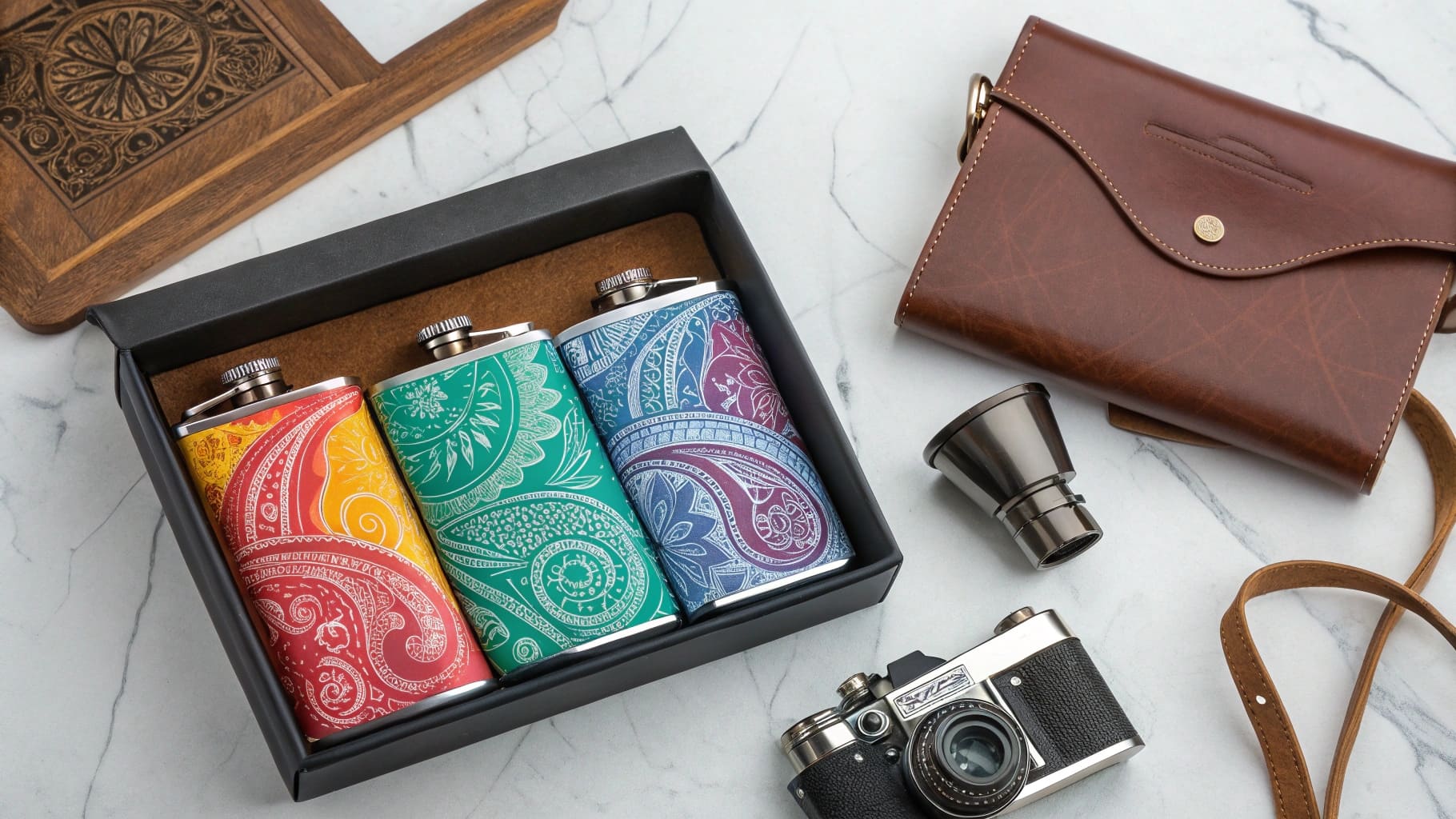
Breaking Down Vacuum Flask Tariff Classifications
I have seen buyers pay thousands extra because they misclassified vacuum products. The vacuum insulation technology shifts the product into a different tariff category entirely. Customs looks at the double-wall construction and vacuum seal as the defining feature.
The classification hinges on functionality. A vacuum flask maintains temperature through insulation. This purpose-driven design places it in Chapter 96 of the HS system rather than Chapter 73 for basic stainless steel articles. Your commercial invoice must clearly describe the vacuum insulation feature.
Manufacturing specifications affect this code. I produce vacuum flasks with copper-coated inner walls and vacuum-sealed chambers. These technical features require specific documentation. Your supplier should provide technical specs that support the 9617 classification.
Consider these vacuum flask duty scenarios:
| Destination | HS Code | Standard Rate | Special Considerations |
|---|---|---|---|
| USA | 9617.00.10 | 9.8% | Section 301 tariffs may add 7.5-25% |
| EU | 9617.00.10 | 0% | Free entry under most conditions |
| UK | 9617.00.10 | 0% | Post-Brexit rates maintained |
| Canada | 9617.00.10 | 6.5% | CUSMA may reduce to 0% |
Your certificate of origin becomes even more important with vacuum flasks. I process COO documents for every shipment. The manufacturing country determines which preferential rates you access. A Vietnam-origin vacuum flask enters the US duty-free under certain conditions, while China-origin products face standard rates plus potential Section 301 additions.
Testing and certification documentation supports your classification. I provide vacuum performance test reports3 showing heat retention rates. These documents prove the vacuum insulation functionality that justifies the 9617 code. Without this proof, customs may reclassify your goods.
Can You Bring a Flask in Checked Luggage?
Your customers ask this question constantly. They worry about travel restrictions. The answer affects product liability and customer satisfaction for your brand.
You can bring empty stainless steel flasks in checked luggage without restrictions in most countries. Airlines allow them when properly packed and cleaned, though you must verify current regulations with your specific airline and destination.

Travel Regulations and Product Compliance Connections
I ship hip flasks to distributors whose end customers travel internationally. The travel-friendliness of our products impacts brand reputation. An empty, clean stainless steel flask poses no safety concerns for checked baggage.
Material safety certifications matter for travel compliance. I manufacture flasks meeting FDA and LFGB standards. These certifications ensure the stainless steel contains no hazardous materials that might trigger security concerns. Your customers can travel confidently with properly certified products.
The cleaning requirement connects to product design. I include wide-mouth openings in flask designs for easy cleaning. This feature helps users thoroughly clean flasks before travel. Security screeners can visually inspect clean, empty flasks without issues.
Here are key travel considerations for flask products:
| Aspect | Checked Luggage | Carry-On | Notes |
|---|---|---|---|
| Empty flask | Allowed | Usually allowed | Must be completely empty |
| Flask with liquid | Allowed | Not allowed | Liquids face 100ml restriction |
| Cleaning status | Must be clean | Must be clean | Residue may trigger inspection |
| Packing method | Secure padding | In liquids bag if small | Prevent damage during handling |
Your product documentation should address travel compliance. I provide customers with care cards that include travel guidelines. This information reduces post-sale support issues and builds customer confidence in your brand.
The connection to tariff classification exists here too. Properly classified and certified flasks have complete documentation chains. When customers travel with your flasks internationally, they carry products with legitimate import histories. This legitimacy prevents secondary market complications.
Understanding DDP Calculations for 2026
You need accurate landed cost projections. DDP pricing protects your customers from surprise charges. Getting these calculations right wins you repeat business.
I calculate DDP costs by adding product cost, international shipping, insurance, duty rates, and destination taxes. For a vacuum flask shipment to the US in 2026, you might see: $5 unit cost + $0.80 shipping + $0.10 insurance + $0.58 duty (9.8%) + potential Section 301 charges + state taxes.
Your country of origin dramatically impacts these numbers. I manufacture in China, which currently faces additional tariffs on certain product categories. If I sourced the same vacuum flask from Vietnam, the duty calculation changes. Vietnam benefits from lower tariff rates under current trade agreements.
Here is a realistic DDP comparison:
| Cost Component | China Origin | Vietnam Origin | Difference |
|---|---|---|---|
| FOB Price | $5.00 | $5.40 | +$0.40 |
| Freight | $0.80 | $0.80 | $0.00 |
| Insurance | $0.10 | $0.10 | $0.00 |
| Base Duty (9.8%) | $0.58 | $0.61 | +$0.03 |
| Section 301 (25%) | $1.48 | $0.00 | -$1.48 |
| Total Landed | $7.96 | $6.91 | -$1.05 |
Your volume affects these calculations too. I offer better FOB pricing on larger orders. A 10,000-unit order might reduce unit costs by 15%, which amplifies across your total landed cost. The duty percentage stays the same, but the absolute duty amount increases proportionally with order value.
Material composition affects duty classification and rates. I manufacture hip flasks using certified 304 stainless steel. If you switched to aluminum or plastic components, different HS codes and duty rates apply. This material decision impacts both product cost and duty calculations.
Customization adds complexity to DDP math. I provide laser engraving4, powder coating, and custom packaging services. These value-added services increase the declared customs value. Higher declared values mean higher absolute duty payments, even if the percentage rate remains constant.
Your shipping method influences total DDP costs. I offer sea freight for large orders and air freight for urgent shipments. Air freight costs 5-8 times more than sea freight but reduces inventory carrying costs and gets products to market faster. The DDP calculation must account for your specific logistics choice.
Currency fluctuations create uncertainty in 2026 projections. I quote in USD, but exchange rates between USD, CNY, and your local currency shift monthly. Building a 3-5% buffer into your DDP calculations protects against currency movement surprises.
Trade agreement changes may reshape 2026 duty rates. I monitor trade policy developments that affect my customers. New agreements or tariff modifications can significantly alter DDP calculations. You need a supplier who stays informed and communicates these changes promptly.
Conclusion
Understanding HS codes, duty rates, and DDP calculations protects your margins and prevents customs issues. Work with suppliers who provide proper documentation and stay current on tariff regulations.
-
Learn about the factors influencing duty rates to avoid overpaying on your imports. ↩
-
Find out why food-grade stainless steel is essential for safety and compliance in manufacturing. ↩
-
Learn about the necessity of vacuum performance test reports for customs classification. ↩
-
Explore how laser engraving can enhance product appeal and its implications for customs. ↩
