
Do Hip Flasks Change Taste? Passivation, Weld Finish, and Spirit Storage Tests
I've tested hundreds of hip flasks over the years. The metallic taste problem keeps coming up. Buyers worry their spirits will taste like metal. This isn't always about the steel itself.
High-quality stainless steel hip flasks with proper passivation and weld finishing do not change the taste of spirits. The key factors are food-grade 18/8 material1, correct surface treatment, and certified manufacturing processes. Poor quality flasks can impart metallic taste due to inadequate passivation or rough weld finishes.
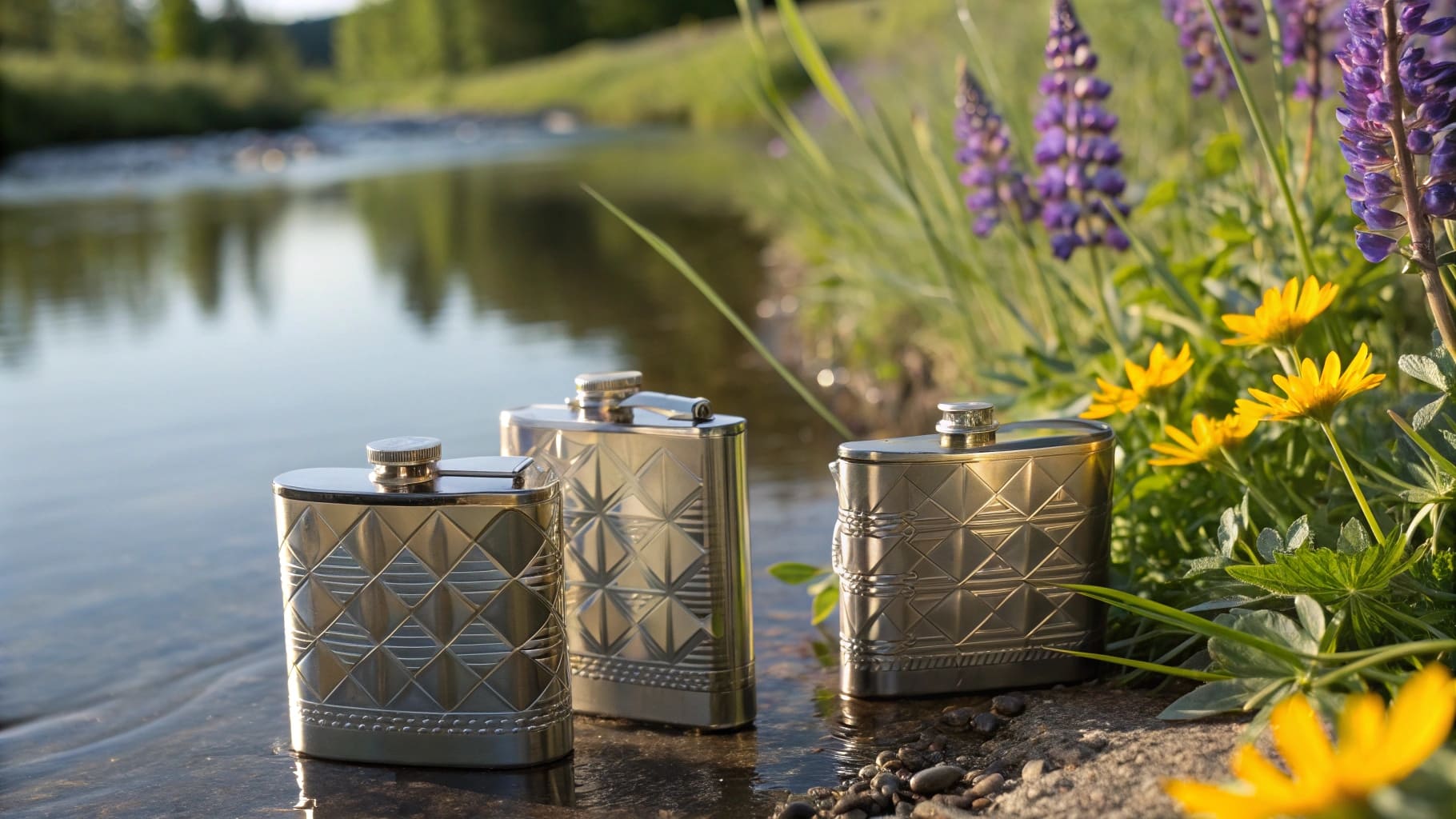
I remember a buyer from Toronto who ordered 5,000 flasks. His customers complained about a metallic aftertaste. He thought all stainless steel did this. I showed him it was the supplier's poor passivation2 process. We fixed it by switching to proper treatment methods. His next batch got zero complaints.
How Long Can You Keep Spirits in a Hip Flask?
Most people fill their flasks and forget about them. This creates problems. The spirits sit too long. They start to interact with the steel surface. Even good flasks have limits.
You can safely store spirits in a quality hip flask for up to one week. For best flavor preservation, consume within 3-5 days. Food-grade 18/8 stainless steel prevents corrosion, but spirits should not remain stagnant for extended periods to maintain optimal taste.
What Affects Storage Duration?
The storage time depends on several factors I've learned through testing. The type of spirit matters most. High-proof spirits like whiskey or vodka last longer than lower-proof liqueurs. The flask's passivation quality creates a protective layer. This layer prevents chemical reactions between alcohol and metal.
I run tests with different spirits regularly. Here's what I found:
| Spirit Type | Safe Storage Time | Notes |
|---|---|---|
| Whiskey (40%+ ABV) | 5-7 days | Best flavor retention |
| Vodka (40%+ ABV) | 5-7 days | Minimal taste change |
| Rum (40%+ ABV) | 4-6 days | Sugar content matters |
| Gin (40%+ ABV) | 3-5 days | Botanicals may fade |
| Liqueurs (20-30% ABV) | 2-3 days | Sugar and additives react faster |
The flask's interior finish also matters. A smooth, polished surface prevents liquid from getting trapped in micro-crevices. Rough surfaces or poor welds create spots where spirits accumulate. These spots can develop off-flavors over time.
Temperature affects storage too. I tell my clients to avoid extreme heat. Hot car trunks or direct sunlight accelerate chemical reactions. Keep your flask at room temperature or cooler. This simple step extends safe storage time.
Does Stainless Steel Change the Taste of Whiskey?
Many buyers ask me this question. They've heard horror stories about metallic-tasting whiskey. I've seen it happen. But it's not the stainless steel's fault. It's about how the flask was made.
Properly manufactured 18/8 stainless steel flasks do not alter whiskey taste. The material is inert and corrosion-resistant. Metallic taste problems come from poor passivation, inadequate weld finish3ing, or using non-food-grade steel. Quality control during manufacturing is essential.
The Science Behind Taste Preservation
Stainless steel contains 18% chromium and 8% nickel in the 18/8 grade. The chromium forms a protective oxide layer on the surface. This layer is called the passive film. It prevents the metal from reacting with acidic spirits.
Passivation is the process that enhances this layer. We immerse the flask in an acid bath after welding. This removes surface contaminants and strengthens the chromium oxide layer. Without proper passivation, the steel can react with whiskey's organic acids. This creates that metallic taste buyers complain about.
Weld quality is equally important. I inspect every weld line on sample products. Poor welds create gaps and rough edges. These imperfections trap whiskey and expose raw metal. The exposed metal oxidizes when in contact with alcohol. This oxidation process releases iron particles into the whiskey.
Here's my quality checklist for taste-neutral flasks:
Material Verification
- Confirm 18/8 (304) stainless steel grade
- Check for food-grade certification
- Verify material origin documentation
Surface Treatment
- Complete passivation process
- Smooth interior polish
- No visible weld beads or rough spots
Testing Protocol
- Fill with high-proof whiskey
- Store for 48 hours
- Taste test against control sample
- Check for any metallic notes
I once worked with a startup founder who insisted cheaper flasks were fine. He wanted to save money on his first order. I sent him two samples. One was properly passivated. One wasn't. He did a blind taste test with his team after 24 hours. Everyone identified the metallic taste in the cheap flask. He ordered the quality version.
Is It Safe to Drink Out of a Stainless Steel Flask?
Safety concerns worry buyers more than taste. I get questions about chemicals leaching into spirits. Parents buying flasks for their adult children ask about long-term health effects. Business buyers need to protect their brand reputation.
Food-grade 18/8 stainless steel flasks are completely safe for drinking spirits. They must have FDA, LFGB, or CA65 certification. These flasks are BPA-free4, phthalate-free, and lead-free. Proper manufacturing ensures no harmful substances leach into beverages.
Certification Standards and What They Mean
Different markets require different certifications. I help buyers navigate these requirements. The certifications aren't just paperwork. They represent real testing and compliance.
FDA approval means the flask meets U.S. food contact standards. The material doesn't release harmful substances under normal use conditions. LFGB is the German food safety standard. It's actually stricter than FDA in some areas. CA65 (Prop 65) addresses California's specific concerns about carcinogens and reproductive toxins.
| Certification | Region | Key Requirements | Why It Matters |
|---|---|---|---|
| FDA | USA | Food contact safety, no toxic release | Required for U.S. market |
| LFGB | Europe | Strict migration limits, comprehensive testing | Covers EU distribution |
| CA65 | California | No listed carcinogens or reproductive toxins | Mandatory for California sales |
| BPA-Free | Global | No bisphenol A in materials or coatings | Consumer health concern |
But certifications alone don't guarantee safety. Manufacturing quality matters too. I've seen certified materials ruined by poor processes. Burrs on the flask opening can cut lips. Loose caps can leak and create alcohol exposure risks. Inadequate cleaning before packaging can leave manufacturing residues.
My safety inspection process5 includes physical checks. I run my finger around the drinking rim. Any sharp edges fail inspection. I test the cap seal by filling the flask and shaking it vigorously. No leaks allowed. I also check for any chemical smell when opening a new flask. Quality flasks smell neutral, not like metal or chemicals.
One procurement officer from a large beverage company visited my factory. She brought a portable XRF analyzer. This device detects heavy metals instantly. We tested random flasks from the production line. All passed with zero heavy metal detection. She placed a 10,000-unit order on the spot.
The threading quality on caps matters for safety too. Cross-threaded caps can crack and leak. I machine all threads to precise tolerances. Smooth threading prevents over-tightening that damages the seal. This attention to detail prevents leaks that could cause burns from high-proof spirits.
Storage recommendations also affect safety. I always tell buyers to empty and clean flasks after each use. Don't store spirits in them long-term. The passive layer on stainless steel is durable but not indestructible. Extended exposure to high-proof alcohol can eventually compromise it. Regular cleaning and drying maintain the protective layer.
Conclusion
Quality manufacturing, proper passivation, and food-grade materials ensure hip flasks preserve spirit taste and remain safe for use. Don't compromise on these standards.
-
Discover why food-grade 18/8 material is essential for safe and taste-neutral spirit storage. ↩
-
Understanding passivation is crucial for ensuring your hip flask maintains the best taste and quality. ↩
-
Learn how weld finish impacts the integrity and taste of spirits stored in hip flasks. ↩
-
Explore the significance of BPA-free materials for health-conscious consumers. ↩
-
Discover the steps taken to ensure the safety and quality of your hip flask. ↩