
Are stainless steel cups dishwasher-safe? Lab methods, AQL, and label wording
I've seen countless procurement officers make the same mistake. They assume all stainless steel cups can go in the dishwasher. Then returns pile up.
Most vacuum-insulated stainless steel cups should not go in the dishwasher. The high heat damages the vacuum seal between walls. Single-wall cups are usually safe for dishwashers.
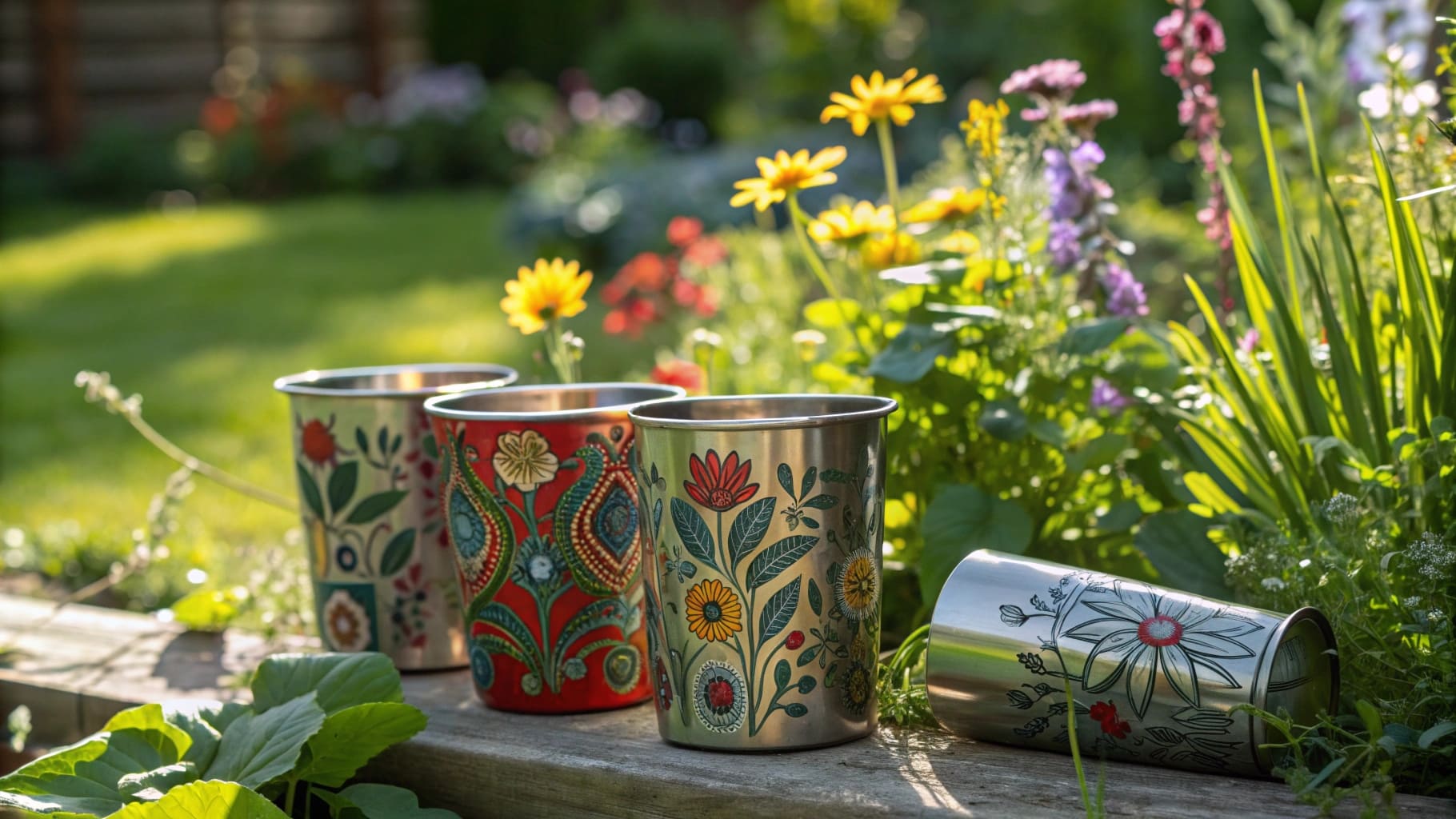
I remember a Canadian buyer who ordered 5,000 vacuum-insulated tumblers last year. His team put them through commercial dishwashers1. Three months later, customers complained the cups stopped keeping drinks cold. He called me, frustrated. We had to explain what went wrong. This happens more often than you think. Let me break down what you need to know before your next order.
Are stainless steel thermos dishwasher safe?
Your thermos keeps coffee hot for hours. You wonder if tossing it in the dishwasher will ruin that. The answer depends on construction type.
Vacuum-insulated thermos bottles should be hand-washed only. The dishwasher's heat and pressure can break the vacuum seal. This ruins the insulation permanently.
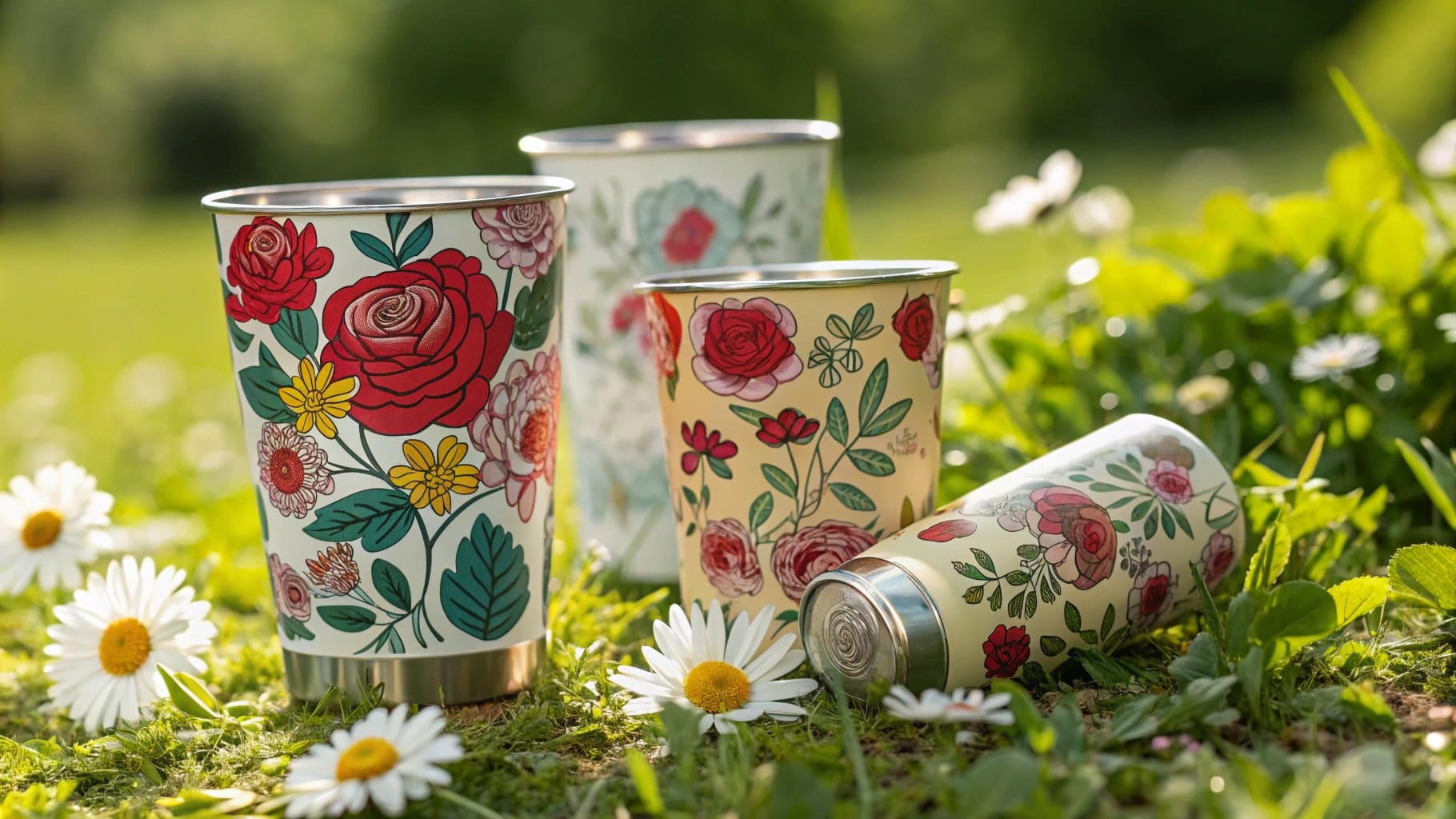
What happens inside a vacuum thermos during dishwasher cycles
Most modern thermos bottles use double-wall vacuum technology. We create a space between two stainless steel walls. Then we remove the air from that space. This vacuum stops heat transfer2. Your drink stays hot or cold for many hours.
Dishwashers operate at high temperatures. Commercial units reach 65-75°C. The intense heat causes the metal to expand. The two walls expand at different rates. This creates stress on the seal. Water pressure from the dishwasher jets adds more stress. Over time, these forces compromise the vacuum.
When the vacuum seal breaks, air enters the space between walls. Heat transfers through the air. Your thermos loses its insulation power. I've tested bottles before and after dishwasher exposure. A bottle that kept coffee hot for 12 hours could only maintain temperature for 3-4 hours after vacuum damage.
Here's what different dishwasher cycles do to vacuum seals:
| Cycle Type | Temperature | Risk Level | Vacuum Damage Rate |
|---|---|---|---|
| Light wash | 45-50°C | Low | 5-10% after 50 cycles |
| Normal wash | 55-60°C | Medium | 20-30% after 50 cycles |
| Heavy wash | 65-75°C | High | 60-80% after 50 cycles |
| Sanitize | 75-80°C | Very High | 90%+ after 20 cycles |
We run these tests in our facility. The numbers come from actual product testing. Your mileage may vary based on build quality.
Why can't I put my stainless steel water bottle in the dishwasher?
You bought a premium bottle with custom logo. The care tag says "hand wash only". You think this is just a suggestion to sell hand-washing products.
The restriction protects more than the vacuum seal. Your bottle has multiple components. Each part reacts differently to dishwasher conditions. Damage to any component affects the whole product.

Component breakdown and heat tolerance
I work with bottles that have many parts. Each part has different heat limits. Let me show you what happens to each component.
The stainless steel body handles heat well. We use food-grade 304 or 316 stainless steel. This material tolerates dishwasher temperatures. The steel itself won't warp or corrode. But the body is just one part of the bottle.
Silicone seals create the leak-proof design. These seals sit in the lid. They keep water from spilling when you carry the bottle. Dishwasher detergents contain harsh chemicals. These chemicals break down silicone over time. The seals become brittle. They crack or lose compression. Your bottle starts leaking.
Powder coating gives bottles color. We apply this coating to the exterior. It looks great and feels smooth. But dishwasher heat causes the coating to peel. The finish becomes patchy. Your custom logo sits on this coating. When the coating fails, the logo fails too.
Custom logos use different application methods. Screen printing uses ink that bonds to the surface. Heat transfer printing uses a film. Both methods have temperature limits. Repeated dishwasher cycles fade the colors. The logo becomes unreadable. I've seen entire batches rejected because distributors put sample bottles through dishwashers.
Here's a breakdown of component vulnerability:
| Component | Material | Max Safe Temp | Dishwasher Impact |
|---|---|---|---|
| Steel body | 304/316 SS | 120°C+ | Minimal - body survives |
| Vacuum seal | Welded joint | 80°C | Critical - seal breaks easily |
| Silicone gasket | Food-grade silicone | 65°C continuous | High - degrades over time |
| Powder coating | Polyester/epoxy | 70°C | High - peels and chips |
| Screen print logo | UV-cured ink | 60°C | Very High - fades quickly |
| Plastic lid parts | PP/Tritan | 75°C | Medium - warps at edges |
The straw mechanism in some lids has small moving parts. Dishwasher jets blast water at high pressure. This pressure damages delicate components. Springs lose tension. Ball bearings corrode. The straw stops working properly.
Are built stainless steel cups dishwasher safe?
Built products have a reputation for quality. Buyers ask me if the brand name means dishwasher safety. Brand doesn't change the physics of vacuum insulation.
Built cups use the same vacuum technology as other premium brands. They face identical dishwasher risks. Check the specific product's care instructions. Most Built vacuum cups require hand washing.

Lab testing methods for dishwasher compatibility
We test every new product design for dishwasher durability. I want to show you our testing protocol3. This helps you understand what questions to ask suppliers.
Our standard test runs 50-100 dishwasher cycles. We use commercial-grade dishwashers. The temperature setting stays at maximum. We add standard commercial detergent. Each cycle includes both cups and other items to simulate real conditions. The cups get placed on the top rack in various positions.
Before testing, we measure the vacuum performance. We fill the cup with water at 95°C. We record the temperature every hour for 12 hours. This gives us baseline insulation data. We also photograph all surfaces. We check logo clarity. We test seal compression with specialized tools.
After every 10 cycles, we repeat all measurements. We look for changes in vacuum performance. We inspect the coating for chips or fading. We test seals for compression loss. We examine logos for color fade. We check all moving parts for wear.
The post-test evaluation includes several checks:
| Test Parameter | Measurement Method | Pass Criteria |
|---|---|---|
| Vacuum integrity | 12-hour temp retention | <5% performance loss |
| Coating adhesion | Cross-hatch tape test | No peeling in grid pattern |
| Seal compression | Durometer hardness test | >85% original hardness |
| Logo durability | Color spectrophotometry | <10% color shift |
| Leak resistance | Pressure hold test | Zero leaks at 2x normal pressure |
Products that pass 50 cycles with minimal degradation get labeled "top rack dishwasher safe". Products that show any vacuum seal weakness get labeled "hand wash only". We don't take chances with labeling.
AQL standards for dishwasher-safe products
AQL means Acceptable Quality Limit. This standard determines how many defective items are acceptable in a batch. For dishwasher-related defects, we use strict limits.
Critical defects include vacuum seal failure4. If the vacuum doesn't work, the product is useless. We maintain AQL 2.5 for these defects. This means we inspect a sample from each batch. If more than 2.5% of the sample shows vacuum failure, we reject the entire batch.
Major defects include coating damage and seal problems. These affect function but don't make the product completely useless. We use AQL 4.0 for major defects. The batch fails if more than 4% of samples show these problems.
Minor defects include small cosmetic issues. These don't affect dishwasher safety. We use AQL 6.5 for minor defects. Small scratches or tiny color variations fall into this category.
I've worked with buyers who don't understand AQL. They accept AQL 6.5 for all defects. Then they get products with failing vacuum seals. They can't sell these products. They lose money. Always specify AQL levels for different defect types in your purchase orders.
Label wording that protects your brand
The care label is your legal protection. It also guides end users. Vague wording creates problems. I'll show you what works and what doesn't.
Bad label: "Not recommended for dishwasher". This phrase is weak. Customers ignore it. They put the cup in the dishwasher anyway. Then they complain when it breaks.
Good label: "Hand wash only with warm soapy water. Dishwasher use will void warranty and damage insulation." This is clear. It explains the consequence. It protects you legally.
For single-wall cups without vacuum insulation, use this: "Top rack dishwasher safe. Remove lid and all components before washing." This gives permission but sets boundaries.
Your label should include care symbols. These symbols work across languages. The crossed-out dishwasher symbol is universal. Add it to vacuum-insulated products. The dishwasher-safe symbol shows a wine glass and water drops. Use this for single-wall products only.
Different markets need different label formats. North American customers read English and sometimes Spanish. European customers need multiple languages. Asian markets often need local language labels. I provide label templates in six languages. We customize based on your target market.
The label placement matters too. Put it where customers see it before first use. Inside the box works. On a hang tag works. Printed directly on the product works best. Stickers fall off. Customers lose separate instruction sheets.
Conclusion
Dishwasher safety depends on product construction and components. Test samples thoroughly before bulk orders. Clear care labels protect your business and build customer trust.
-
Find out the risks associated with commercial dishwashers to protect your stainless steel items. ↩
-
Explore the science of heat transfer to better understand product insulation. ↩
-
Understand the testing protocols to ensure the durability of your products. ↩
-
Explore the causes of vacuum seal failure to avoid product issues. ↩