
Which insulated coffee mugs with handles truly suit office desk use 2026?
You walk into the office. Your coffee is already lukewarm. By 10 AM, it tastes terrible. This happens every single day, and you wonder if there is a better solution.
For office desk use in 2026, double-wall vacuum insulated coffee mugs1 with handles made from 18/8 stainless steel work best. These mugs keep coffee hot for 6+ hours, feature anti-slip bases, and include leak-proof lids that prevent spills on your desk.

I have been working with office buyers for over ten years. They all ask me the same question. They want a mug that actually keeps coffee hot while sitting on their desk. Let me share what I learned from supplying thousands of these mugs to companies across America and Europe.
Which mug keeps coffee hot the longest?
Your coffee gets cold within an hour. You reheat it in the microwave three times a day. The taste gets worse each time, and you feel frustrated with every sip.
Double-wall vacuum insulated mugs with copper coating2 keep coffee hot for 6+ hours. This technology creates an airless barrier between two steel walls, blocking heat transfer and maintaining your coffee's temperature throughout your workday.
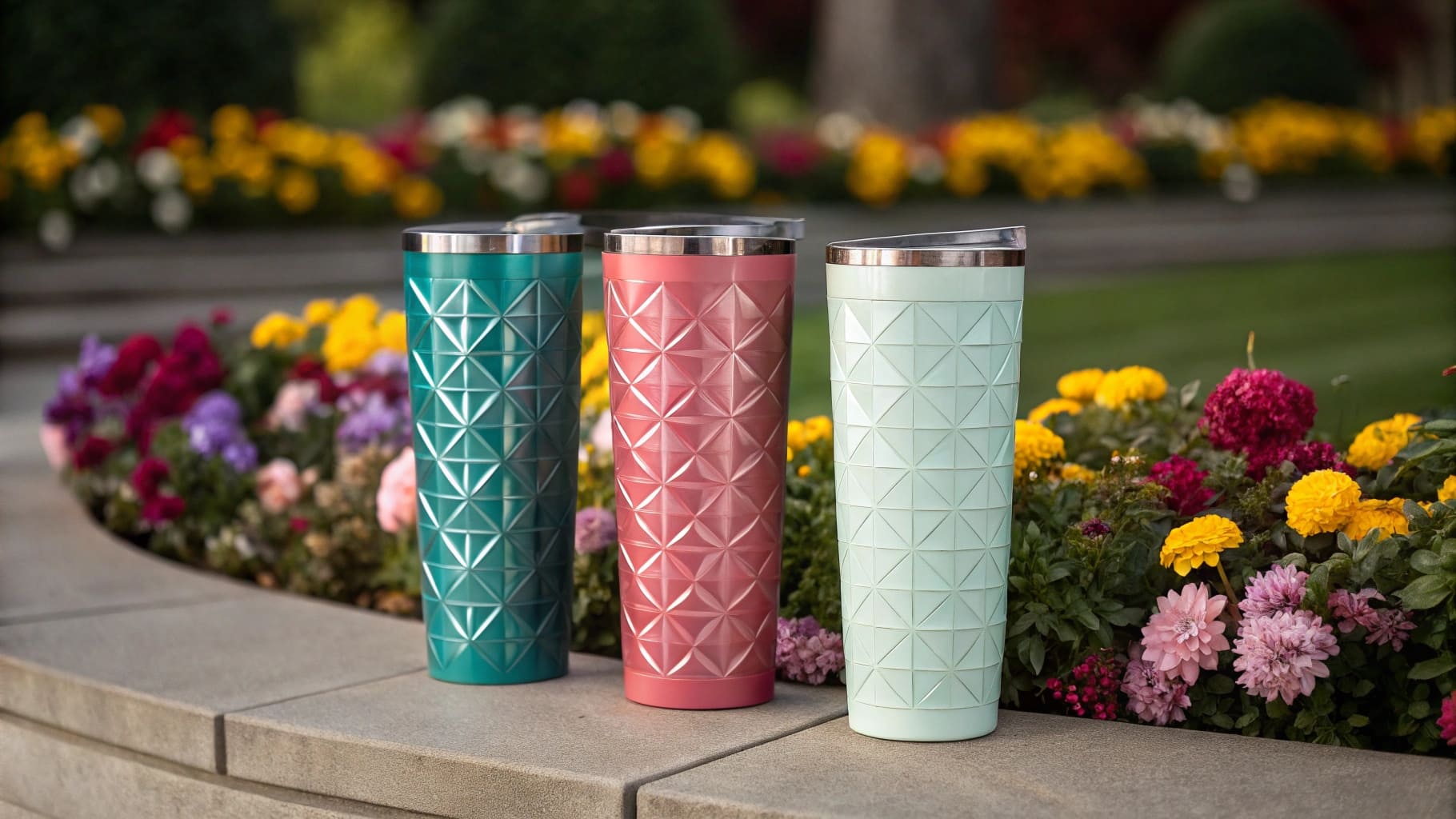
Understanding Heat Retention Technology
I tested dozens of mug designs in my factory. The results showed clear differences. Single-wall mugs lose heat quickly. Your coffee gets cold in 30-40 minutes. Double-wall mugs without vacuum perform slightly better. They maintain heat for about 2 hours. But double-wall vacuum insulated mugs win completely.
The vacuum layer makes all the difference. Air conducts heat. Remove the air, and you remove the main path for heat loss. Add copper coating to the inner wall, and you create a reflective barrier. Heat bounces back into your coffee instead of escaping through the walls.
Here is what real testing showed me:
| Mug Type | Hot Retention | Cold Retention | Best For |
|---|---|---|---|
| Single-wall steel | 30-40 minutes | 1-2 hours | Quick coffee breaks |
| Double-wall non-vacuum | 2-3 hours | 4-5 hours | Short meetings |
| Double-wall vacuum | 6+ hours | 12+ hours | All-day office use |
| Double-wall vacuum with copper | 8+ hours | 15+ hours | Extended work sessions |
I once had a customer from Toronto. He ordered 500 mugs for his sales team. His team worked in the field. They needed coffee to stay hot during long drives. He tested our vacuum-insulated mugs first. He called me after one week. His exact words were: "My coffee was still hot after 7 hours in the car." He placed a second order immediately.
The key factor is construction quality. Cheap vacuum mugs fail because manufacturers cut corners. The vacuum seal breaks. Air leaks in. Performance drops to the level of regular double-wall mugs. I only work with factories that test every batch for vacuum integrity.
Which type of cup is the best insulator?
You bought a ceramic mug because it looked nice. Your desk has coffee rings. The mug sweats all over your papers. You wonder why expensive mugs still create this mess.
Stainless steel mugs with vacuum insulation provide the best insulation for office use. They prevent heat loss, eliminate exterior sweating, and maintain consistent temperature without transferring cold or heat to your hands when you hold them.
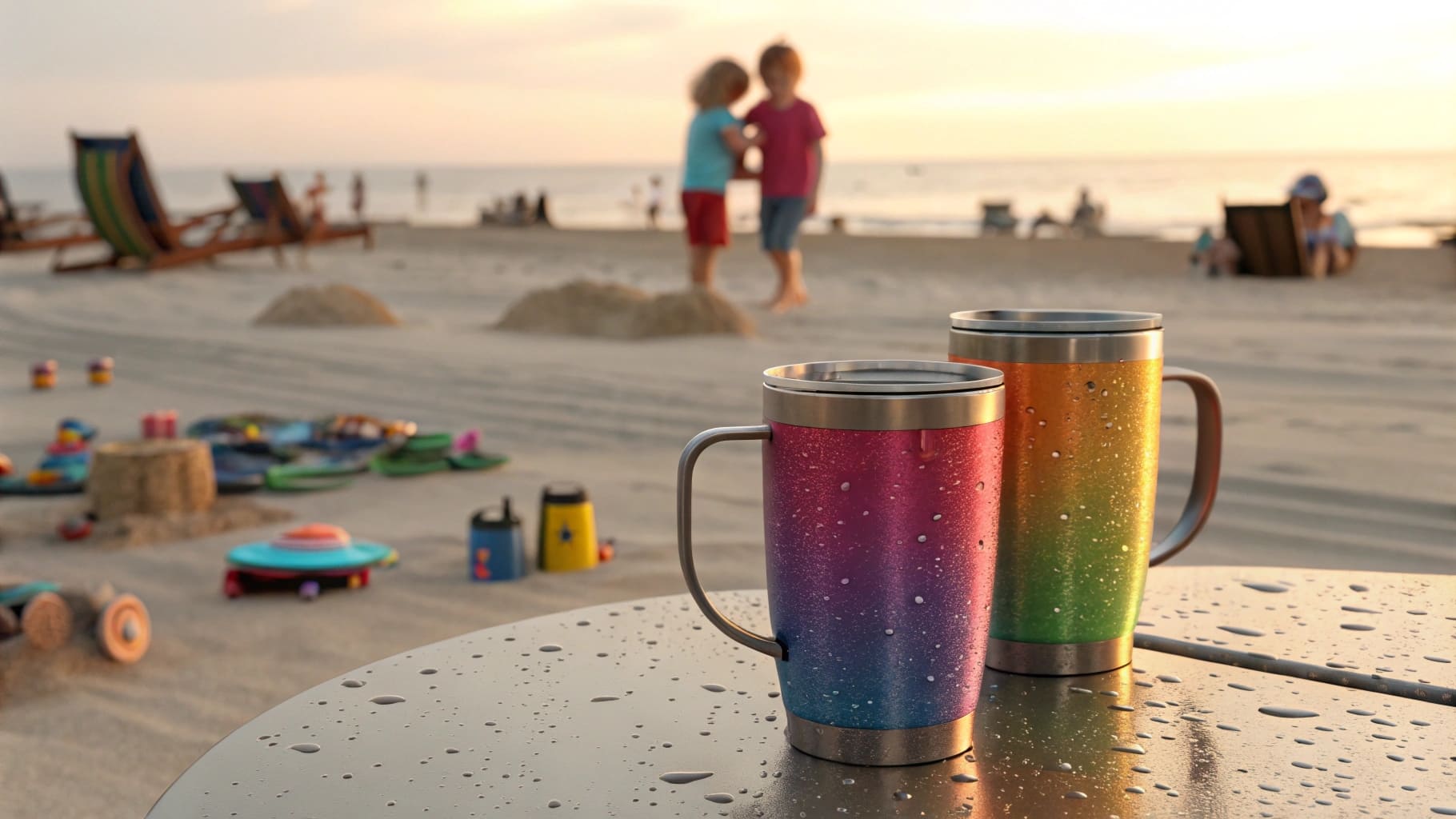
Material Comparison for Insulation
I compared different materials over the years. Each material behaves differently. Ceramic looks traditional. It feels comfortable in your hand. But ceramic is porous. It absorbs heat quickly and releases it fast. Your coffee gets cold. Glass mugs face the same problem. They conduct heat directly through the walls.
Plastic mugs with foam insulation work better than ceramic. The foam layer traps air. Air slows heat transfer. But plastic degrades over time. Hot coffee damages the material. Chemicals can leach into your drink. The foam compresses. Insulation performance drops after a few months.
Stainless steel changes everything. The material does not absorb heat. It does not degrade with hot liquids. When you add vacuum insulation3, you create the best possible barrier. Here is what I tell my clients:
| Material | Insulation Quality | Safety | Durability | Condensation Issue |
|---|---|---|---|---|
| Ceramic | Poor | Good | Moderate | Yes |
| Glass | Poor | Good | Low | Yes |
| Plastic foam | Fair | Questionable | Low | Sometimes |
| Single-wall steel | Poor | Excellent | High | Yes |
| Vacuum steel | Excellent | Excellent | High | No |
The sweat-free exterior matters more than people think. I learned this from a purchasing manager in California. She bought ceramic mugs for her office. Staff complained about wet desks. Documents got damaged. She switched to our vacuum-insulated steel mugs. The complaints stopped completely. The exterior stays dry regardless of what you put inside.
I always recommend powder-coated finishes4 for steel mugs. The coating adds grip. It prevents scratches. It keeps the mug looking professional for years. We offer dozens of colors. Companies match their mugs to their brand colors. This customization makes employees actually use the mugs instead of disposable cups.
What are the healthiest coffee mugs?
You drink coffee from a plastic mug every day. You notice a strange taste. You worry about what chemicals might be leaching into your drink but you have no clear answers.
The healthiest coffee mugs use 18/8 food-grade stainless steel (304 grade). This material is BPA-free, lead-free, and completely non-toxic. It resists high temperatures without releasing chemicals and does not retain odors or affect your coffee's natural taste.
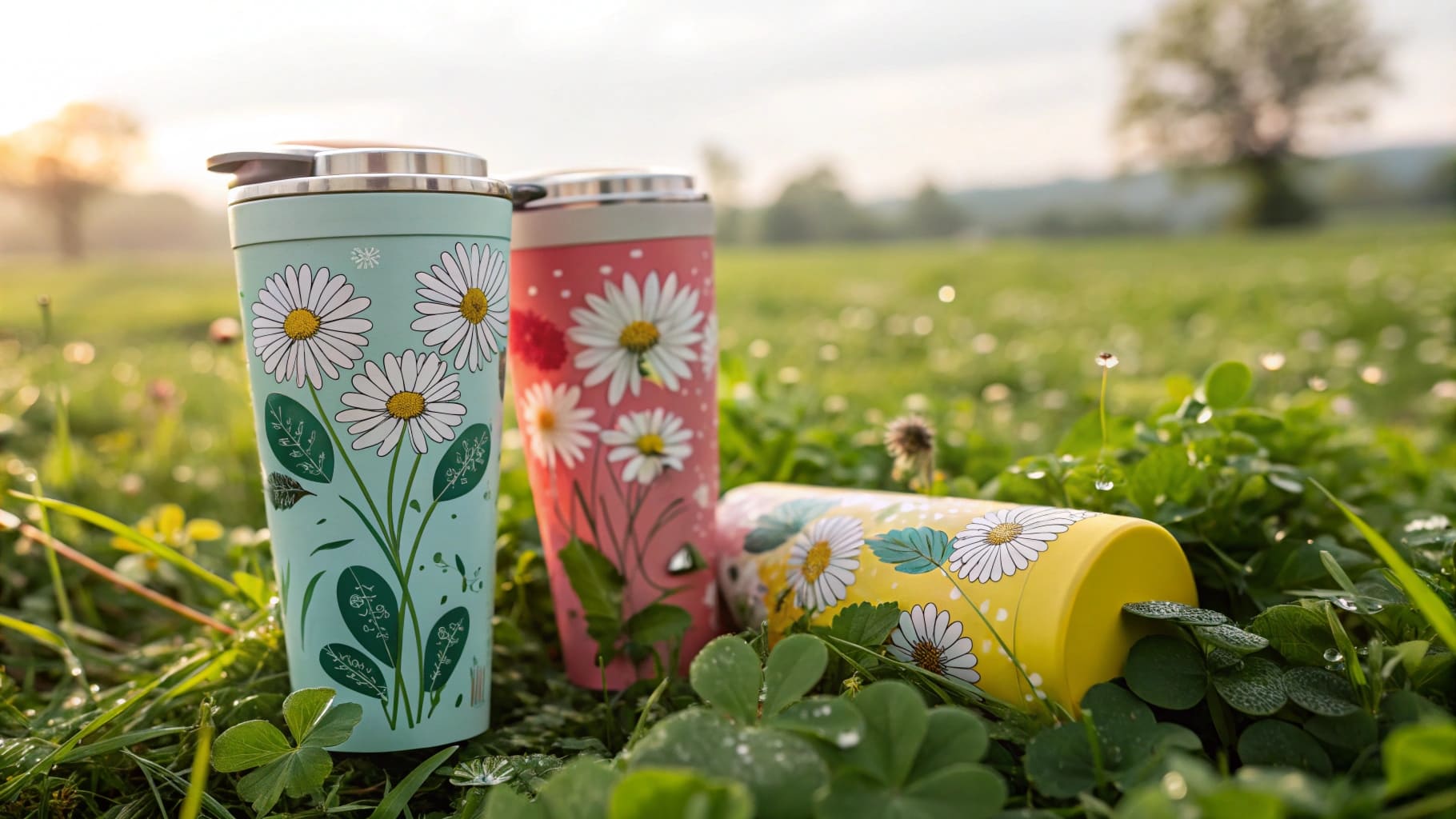
Health Standards and Material Safety
I visit factories across China regularly. Some factories cut costs by using inferior steel. They claim their products are safe. Testing tells a different story. I only work with suppliers who provide material certification5 for every batch.
18/8 stainless steel means 18% chromium and 8% nickel. This combination creates a stable, non-reactive surface. Your coffee touches this surface for hours. Nothing leaches out. The steel maintains its integrity even with acidic drinks like coffee or orange juice.
The electropolished inner wall6 adds another safety layer. This process removes microscopic impurities. The surface becomes smoother. Bacteria cannot hide in tiny cracks. Cleaning becomes easier. Coffee oils wash away completely. Your mug does not develop that stale coffee smell that some mugs get after a few weeks.
Here are the key health considerations I discuss with buyers:
| Concern | Risk Level with 304 Steel | Risk Level with Other Materials | Solution |
|---|---|---|---|
| BPA leaching | None | High (plastic) | Use certified 304 steel |
| Heavy metals | None | Possible (low-grade steel) | Demand material certificates |
| Bacterial growth | Low | Moderate to High | Choose electropolished interior |
| Odor retention | None | High (plastic, some metals) | Opt for 18/8 composition |
| Chemical taste | None | Common (plastic, aluminum) | Verify food-grade certification |
I had a corporate client from Seattle last year. They wanted mugs for their healthcare company. Their compliance team reviewed everything. They needed documentation proving our steel met FDA standards. I provided complete material certificates, food-grade testing reports, and BPA-free certifications. They approved the order after thorough review. Their employees use these mugs daily without any health concerns.
The coating on the exterior also matters for health. Some companies use spray paint. Paint chips off. It gets into drinks. We use powder coating that is heat-cured and food-safe. The coating bonds permanently to the steel. It does not chip or peel even after years of daily use.
Office-Specific Features for 2026
I notice trends in what office buyers request. The requirements changed over the past few years. Remote work increased. People split time between home and office. They need mugs that work in both environments.
The handle design comes up in every conversation. Ergonomic handles matter. Your hand holds the mug dozens of times each day. A poorly designed handle causes discomfort. We test handle shapes with actual users. The C-shaped handle with powder coating provides the best grip. It stays cool even when the mug contains hot coffee.
Anti-slip silicone bases7 prevent accidents. I cannot count how many times buyers mention tipped-over coffee ruining keyboards. A silicone base adds stability. The mug stays put even when you bump it accidentally. This small feature saves companies money on damaged equipment.
Leak-proof lids changed the game for office mugs. Earlier lids just sat on top. Any movement caused spills. Modern sliding lids seal completely. You can toss the mug in a bag. Nothing leaks. The dust cover keeps your coffee clean when you are not drinking. Office environments have dust from air conditioning and paper. Your coffee stays protected.
Capacity matters for office use. I recommend 12-16 oz sizes. Smaller mugs require constant refills. Larger mugs become heavy and do not fit in standard cup holders. The 14 oz size hits the sweet spot. It holds enough coffee for a long meeting. It fits in car cup holders for your commute. It does not take too much desk space.
Conclusion
The best office coffee mugs combine vacuum insulation technology with 18/8 stainless steel construction. Choose mugs with handles, anti-slip bases, and leak-proof lids that match your team's daily needs.
-
Explore the advantages of double-wall vacuum insulated mugs for keeping your coffee hot longer. ↩
-
Explore how copper coating improves heat retention in coffee mugs. ↩
-
Learn about vacuum insulation and its effectiveness in maintaining beverage temperatures. ↩
-
Discover why powder-coated finishes are ideal for durability and aesthetics in mugs. ↩
-
Understand the importance of material certification in ensuring mug safety. ↩
-
Find out how an electropolished inner wall enhances hygiene and cleaning. ↩
-
Explore the benefits of silicone bases in preventing accidental spills. ↩