
Are USA-made stainless cups required? COO marks, tariffs, and pricing for B2B
You receive a quote from China that looks perfect. Then you see the tariff line. Your margin disappears. This is the new reality for B2B buyers sourcing stainless steel drinkware.
No, USA-made stainless cups are not legally required for most businesses. However, understanding COO marking rules, current tariff rates, and how these factors affect your landed costs1 is critical for maintaining profitable margins when importing from China.

I work with buyers like you every day. Many tell me the same story. They found a great supplier. The samples were perfect. Then customs hit them with unexpected fees. Some even faced shipment delays because their COO marks were wrong. Let me walk you through what you actually need to know to avoid these problems.
What is the harmonized tariff code for stainless steel water bottles?
Your freight forwarder asks for the HS code. You search online and find ten different answers. This confusion costs you time and sometimes money if you get it wrong.
The standard HS code for stainless steel water bottles is 7326.90.8585 under the Harmonized Tariff Schedule. This code applies to other articles of iron or steel, specifically vacuum insulated drinkware, with current duty rates subject to Section 301 tariffs.

I learned this the hard way during my first year in this business. A buyer from Texas ordered 5000 pieces from us. We shipped the goods. Then his customs broker called. The code was wrong. The shipment sat at the port for two weeks while we sorted it out. He missed his peak season launch. That experience taught me to always verify the exact classification before production starts.
The HS code system works on a global level but the last digits change based on your destination country. The first six digits stay the same worldwide. For stainless steel water bottles, that starts with 7326.90. The USA adds extra digits to get more specific. Your customs broker needs the full code for proper clearance.
Here is how the classification breaks down:
| HS Code Level | Digits | Description | Example |
|---|---|---|---|
| Chapter | 73 | Articles of iron or steel | All steel products |
| Heading | 7326 | Other articles of iron or steel | Non-primary steel items |
| Subheading | 7326.90 | Other | Miscellaneous steel articles |
| National | 7326.90.8585 | Vacuum insulated drinkware | Your water bottles |
The duty rate under this code varies. Base rate without any tariffs is typically 3.4 percent. But Section 301 tariffs on Chinese goods add 25 percent on top. So your effective rate becomes 28.4 percent if you import from China. This number directly impacts your landed cost. Some buyers try to use wrong codes to get lower rates. Customs catches this eventually. The penalties cost more than the tariff savings.
Your freight forwarder should confirm the exact code before you ship. Different products under our range use different codes. Stainless steel hip flasks might fall under a different category. Coffee mugs could be classified differently if they have certain features. I always send detailed product specifications to my buyers so their customs team can verify the code.
Which stainless steel industry express concern over US decision to impose tariffs?
Trade associations send letters to Washington. Industry groups file complaints. But these actions rarely reach the buyers who feel the real impact every day.
The Beer Institute and Can Manufacturers Institute led opposition to steel tariffs affecting beverage container manufacturers. Their concerns centered on increased costs for aluminum and steel cans, but these tariffs also impacted the broader drinkware industry including stainless steel products.

I remember when the first round of tariffs hit in 2018. My phone rang constantly. Buyers wanted to know if prices would increase. Some asked if we could ship from Vietnam instead. Others wondered if the tariffs would end soon. Five years later, we still have these tariffs. The industry adapted but the cost pressure remains.
The concern goes beyond just the tariff percentage. Steel manufacturers worry about competitiveness. Finished goods producers worry about retail prices. Distributors like you worry about margins. Everyone in the supply chain feels the squeeze.
The aluminum industry voiced similar concerns because many drinkware products use aluminum for certain components. Even pure stainless steel products sometimes include aluminum lids or bases. This creates complications for tariff calculations. Your customs broker needs to know the exact material composition.
Here is what different industry groups focused on:
| Industry Group | Primary Concern | Impact on Drinkware |
|---|---|---|
| Steel Mills | Raw material costs | Indirect through supplier pricing |
| Container Manufacturers | Production costs | Direct on metal beverage containers |
| Drinkware Importers | Finished goods tariffs | Direct 25% Section 301 addition |
| Retail Brands | Consumer pricing | Reduced margins or higher shelf prices |
The situation creates a difficult choice for B2B buyers. You can absorb the tariff cost and accept lower margins. You can pass the cost to your customers and risk losing sales. Or you can look for alternative sourcing locations. Each option has trade-offs.
Some of my buyers moved to Vietnamese suppliers. Production quality varied widely there. Lead times were longer because Vietnam has less developed infrastructure for stainless steel manufacturing. Others stayed with Chinese suppliers because quality consistency mattered more than tariff costs. The decision depends on your specific business model.
I tell my buyers to calculate the total landed cost including tariffs before making sourcing decisions2. A 10 percent cheaper FOB price from Vietnam might not save money if quality issues create returns or if longer lead times require air freight.
Does the steel and aluminum tariff apply to finished goods?
You see headlines about steel tariffs. You wonder if your water bottles count as steel or as finished goods. This distinction matters for your cost calculations.
Yes, both Section 232 steel tariffs and Section 301 tariffs apply to finished stainless steel drinkware products imported from China. The product classification as finished goods does not exempt it from tariff application.
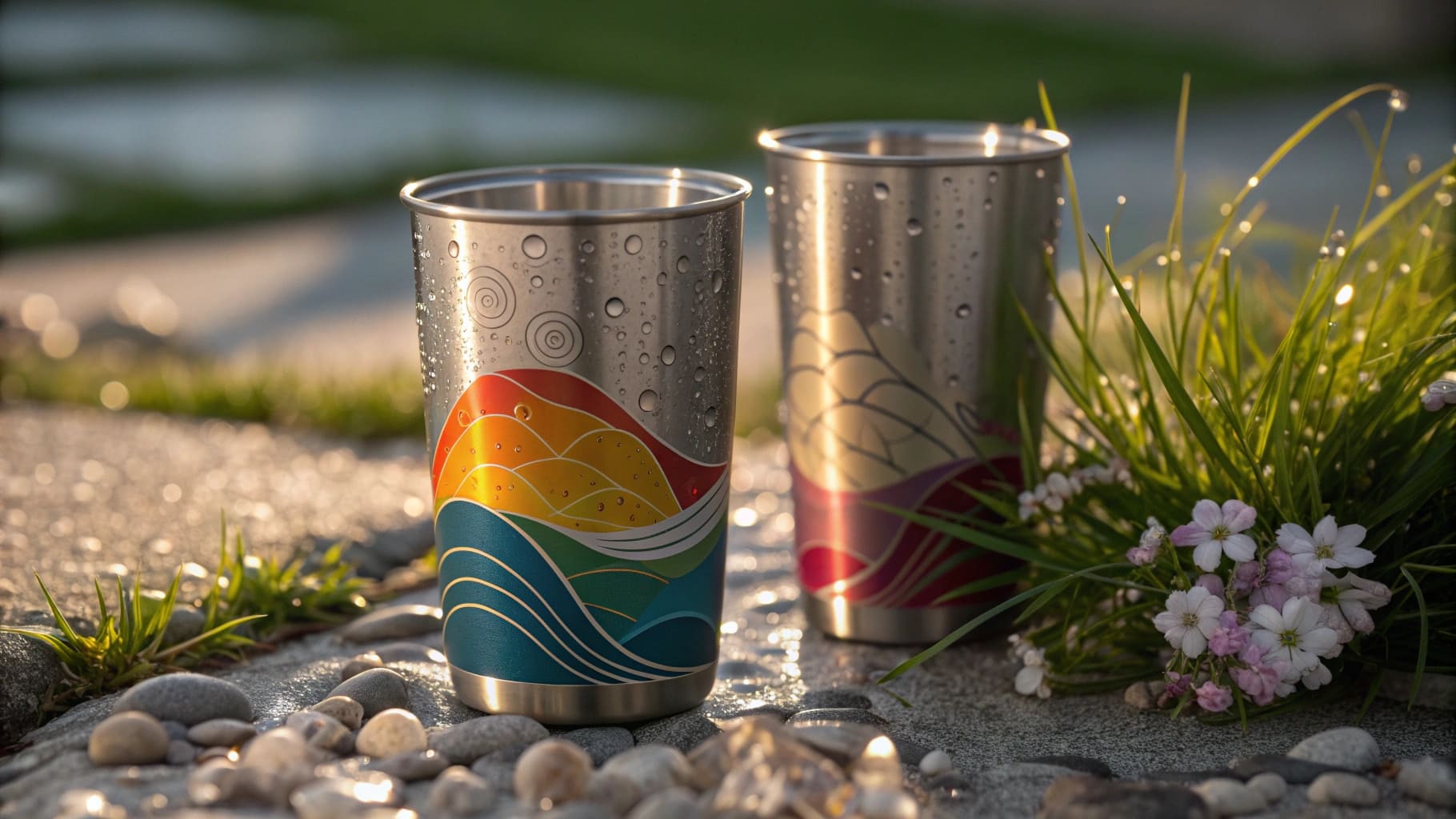
I had a buyer from Seattle call me last month. He insisted that finished water bottles should not face steel tariffs because they are consumer products. He was half right. The Section 232 tariffs target raw steel and aluminum. But Section 301 tariffs hit finished goods. His bottles fell under Section 301.
The tariff structure works in layers. First, there is the base Most Favored Nation duty rate. This applies to all imports from WTO member countries. For stainless steel water bottles, this base rate sits around 3.4 percent. Then Section 301 adds another 25 percent specifically on Chinese goods. Your total tariff burden becomes 28.4 percent of customs value.
The customs value calculation itself can be tricky. It includes your product cost, international shipping to US port, and insurance. It does not include domestic US shipping or your markup. So if you pay 3 dollars FOB for a water bottle and 0.50 dollars for sea freight and insurance, your customs value is 3.50 dollars. The 28.4 percent tariff applies to that 3.50 dollars, adding roughly 1 dollar to your cost.
Here is how the math works on a typical order:
| Cost Component | Amount per Unit | Notes |
|---|---|---|
| FOB Price | 3.00 dollars | Your negotiated price from supplier |
| Sea Freight | 0.40 dollars | Based on full container load |
| Insurance | 0.10 dollars | Typically 0.3% of goods value |
| Customs Value | 3.50 dollars | Sum of above three items |
| Base Duty | 0.12 dollars | 3.4% of customs value |
| Section 301 | 0.88 dollars | 25% of customs value |
| Landed Cost | 4.50 dollars | Before domestic distribution |
This calculation shows why some buyers struggle with margins. If you planned to sell at 8 dollars wholesale, your margin shrinks significantly after tariffs. You need to factor these costs into your pricing strategy from the start.
Some buyers ask me about tariff exemptions. The US government did grant exclusions for certain products during earlier tariff rounds. Most of these exclusions expired. Currently, very few stainless steel products qualify for exemptions. You should assume full tariff rates when calculating costs.
The payment structure also affects your cash flow. We typically work on 30 percent deposit and 70 percent against bill of lading copy. You pay the tariffs to customs before receiving your goods. This means you need to have cash available for both the final payment and the tariff amount at roughly the same time.
I recommend working with an experienced customs broker. They can verify your HS code, calculate exact duty amounts, and handle the clearance process. Their fee is small compared to the cost of clearance delays or wrong classifications. My buyers who use good brokers rarely face customs issues.
Conclusion
USA-made cups are not required, but tariffs, COO compliance, and accurate HS codes directly impact your margins. Calculate total landed costs early, work with experienced suppliers and customs brokers, and factor these expenses into your pricing strategy from the start.
