
Which Mouth Styles and Lids Keep Coffee Tumblers Car-friendly in US/EU Today?
Last week, a client emailed me photos of coffee stains all over his car seat. His tumbler leaked during a sudden stop. He asked me what went wrong. This happens more often than you think. Many buyers focus on insulation but forget about the lid design that actually prevents spills on the road.
Car-friendly coffee tumblers need three key features. They need leak-proof lids1 with sliding mechanisms. They need wide mouth openings for easy cleaning. They need tapered bottoms that fit standard cupholders without tipping over during sharp turns.
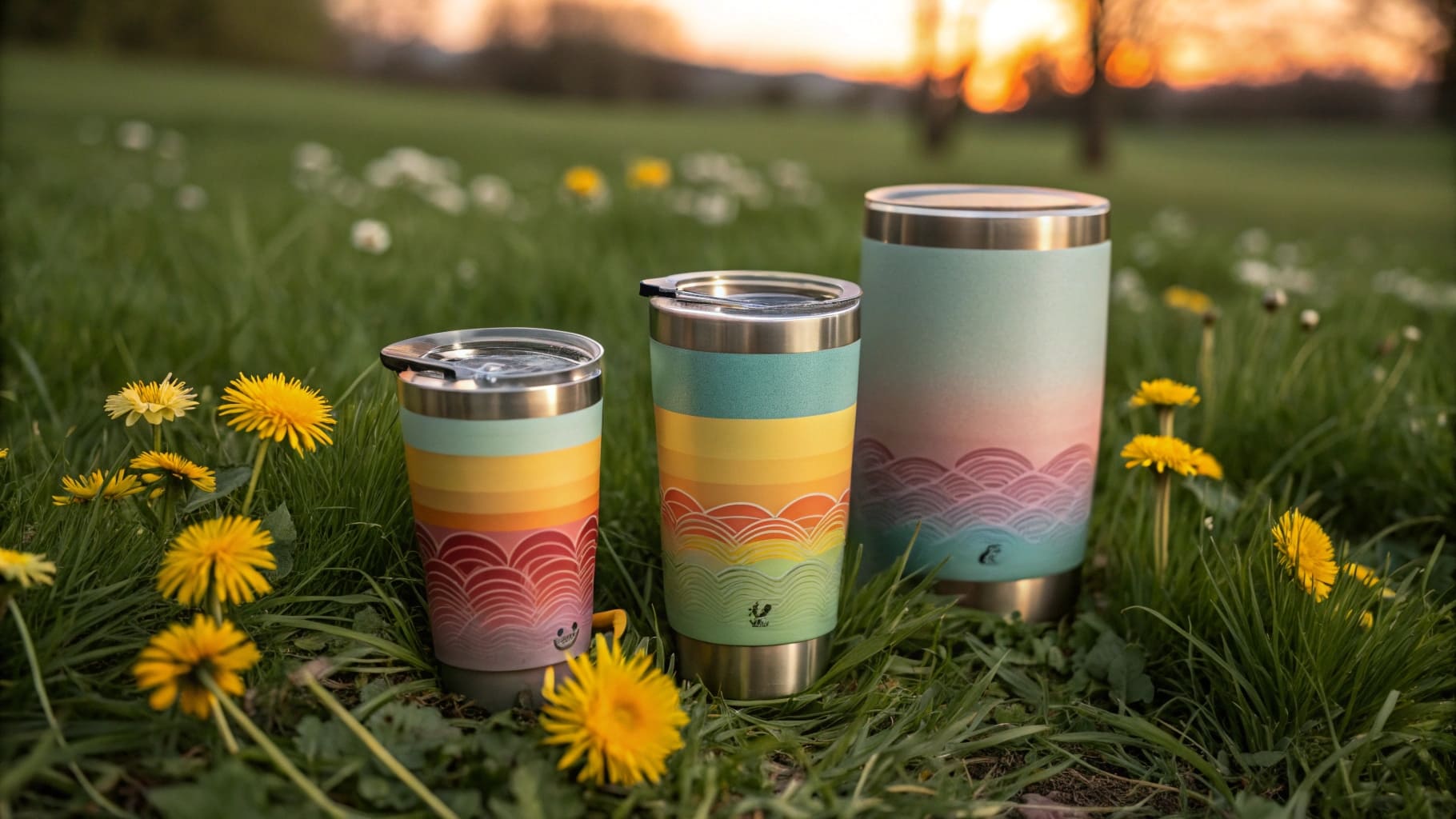
I have worked with hundreds of buyers who purchase tumblers for their retail stores. They all face the same challenge. Their customers drive to work every morning with coffee in hand. One spill ruins the entire experience and damages the brand reputation. The right lid and mouth design makes all the difference between a loyal customer and a product return.
What Is the Safest Coffee Mug for Travel?
Most people think safety means preventing spills. That is only half the story. I met a buyer from Oregon last month who had a different concern. His customers complained about bacteria growing inside their tumblers. They could not reach the bottom to clean properly.
The safest travel mug combines spill-proof design with easy-to-clean features. It needs detachable components you can take apart completely. The lid, straw, and rubber seals should separate for deep cleaning. This prevents hidden bacteria growth that makes people sick.
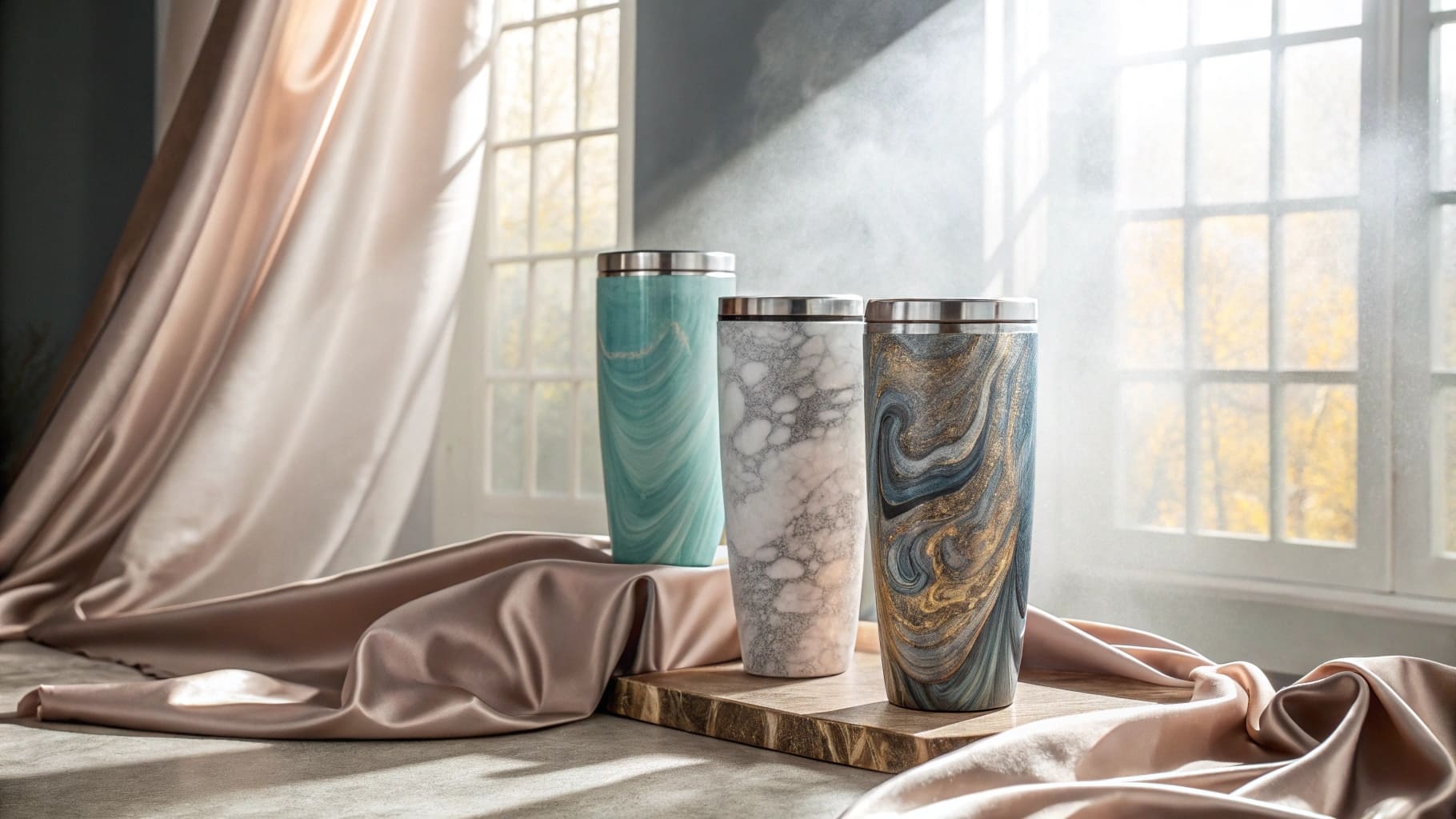
Safety in travel mugs breaks down into four essential categories. I learned this from years of working with health-conscious buyers who demand both protection and hygiene.
| Safety Feature | Why It Matters | What To Look For |
|---|---|---|
| Leak-proof seal | Prevents burns from hot liquid spills | Double-wall rubber gaskets that create vacuum seal |
| Detachable parts | Allows thorough cleaning of all surfaces | Lids and straws that come apart without tools |
| Food-grade materials | Avoids chemical contamination | Stainless steel body with BPA-free plastic lids |
| Secure grip design | Prevents drops and accidents | Silicone base or ergonomic handle options |
I always tell my clients to test the disassembly process before placing bulk orders. Take the lid apart with your hands. If you need tools or struggle to separate the pieces, your customers will never clean it properly. They will rinse it under water and call it clean. That leaves coffee oils and bacteria inside. Within weeks, the tumbler starts to smell bad.
The safest mugs also feature wide mouth openings2. I know this sounds basic. But you would be surprised how many factories still make narrow-mouth tumblers. Your hand cannot fit inside to scrub the bottom. A cleaning brush3 helps but does not solve the real problem. The mouth needs to be wide enough for proper airflow during drying. Otherwise, moisture gets trapped inside and creates the perfect environment for mold growth.
What Is the Best Coffee Cup for Traveling?
I remember visiting a trade show in Las Vegas two years ago. A buyer from Germany showed me his ideal travel cup. He had searched for months to find the right supplier. His requirements seemed simple at first. But when he explained the details, I understood why he struggled to find the right product.
The best travel cup balances three competing needs. It must fit car cupholders. It must hold enough liquid for long commutes. It must be easy to drink from while driving without taking your eyes off the road.

Standard car cupholders in US and EU vehicles measure between 2.5 to 3.5 inches in diameter. This creates a real constraint for tumbler design. I work with buyers who want maximum capacity, but physics limits what fits in a cupholder. The solution comes from tapered bottom designs that start narrow and widen toward the top.
Here is what I recommend based on market feedback from my North American and European clients. A 20-ounce tumbler with a 2.75-inch base diameter fits most vehicles. It tapers to 3.5 inches at the top. This gives you decent capacity without wobbling in the cupholder. Anything larger tips over when you make sharp turns.
The lid design separates good tumblers from great ones. I push my factory team to develop dual-function lids. These have both a straw opening and a direct drinking option. Why does this matter? Some people prefer sipping through a straw while focusing on the road. Others want to drink directly when they park. One lid that does both jobs saves manufacturing costs and appeals to more customers.
The straw mechanism needs a sliding cover that seals completely when closed. I have seen too many cheap designs where the slider loosens after a few weeks. The straw opening stays partially open and coffee splashes out when you hit a bump. Quality straw lids use a multi-position slider with defined click points. You feel and hear when it locks into place.
Anti-slip bases matter more than most buyers realize. I added silicone boot options to my product line three years ago. Sales increased by 40 percent in markets where people drive long distances. The silicone creates friction against the cupholder surface. It also dampens road vibration and reduces the annoying rattling sound that metal makes against plastic cupholders.
Is It Hygienic to Rinse Coffee Cups Without Using Dish Soap?
This question comes up in almost every client meeting. People want convenient products they can rinse quickly between uses. But I always explain the science behind why water alone fails to clean properly.
No, rinsing coffee cups without dish soap is not hygienic. Coffee contains oils that water cannot break down. These oils stick to the tumbler walls and create a film. Bacteria feed on this film and multiply rapidly. You need soap to dissolve the oils and remove the bacteria completely.
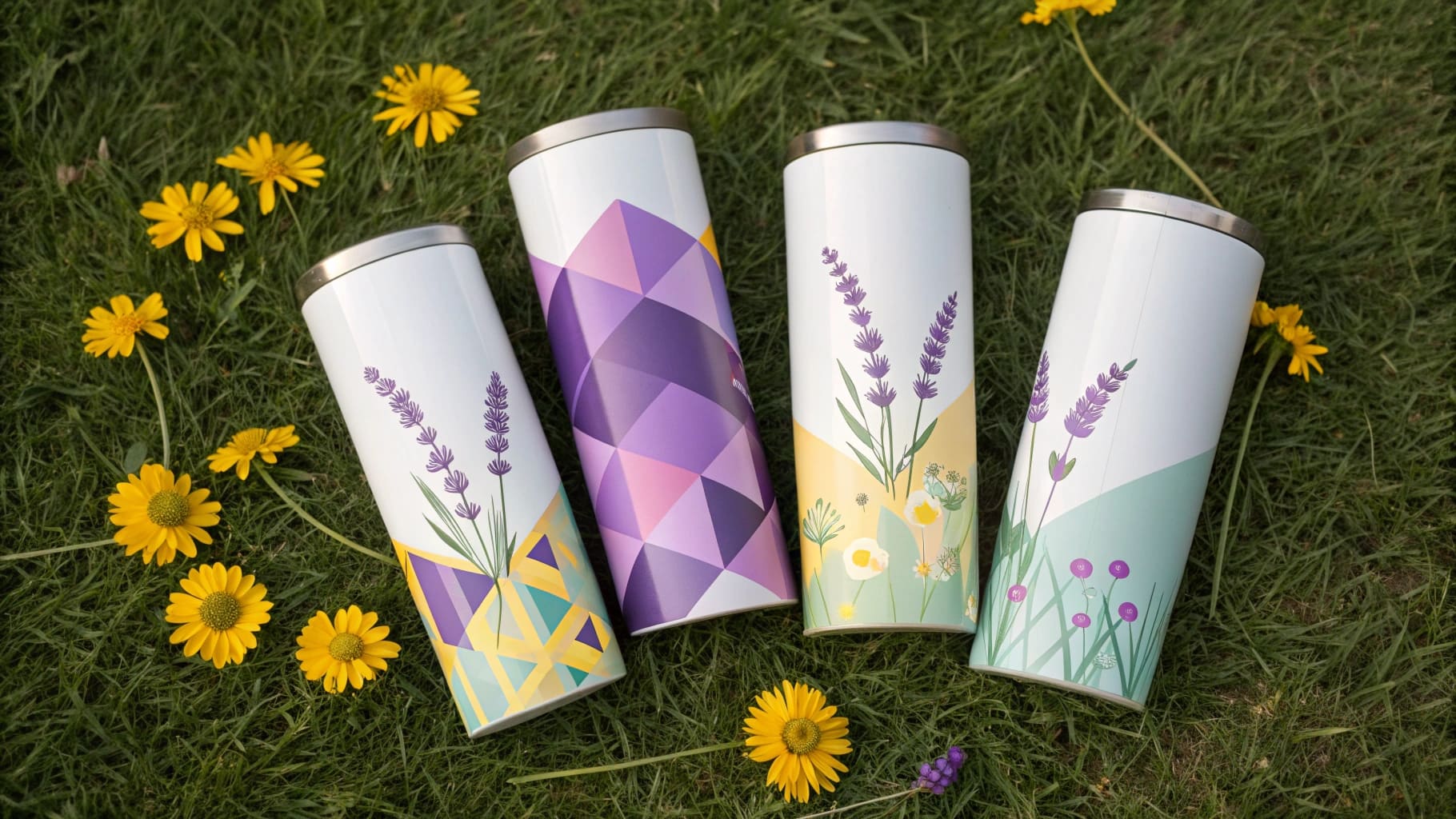
I started paying attention to this issue after a buyer from Copenhagen showed me laboratory test results. His team swabbed the inside of tumblers that customers rinsed daily without soap. The bacterial counts shocked me. Even tumblers that looked clean had high levels of bacteria colonies after just one week of water-only rinsing.
Coffee oils behave differently than most people expect. They bind to stainless steel surfaces at the molecular level. Water molecules cannot penetrate this bond. They just flow over the oil layer and drain away. The oil stays behind and accumulates with each use. After a few days, you notice a greasy feeling when you touch the inside surface. That grease feeds bacteria.
Soap molecules have a unique structure that solves this problem. One end attracts water. The other end attracts oil. When you wash with soap, these molecules surround the oil droplets and lift them away from the steel surface. The water then carries everything down the drain. Without soap, this chemical process never happens.
I recommend my clients educate their customers about proper cleaning methods4. Include care instructions with every tumbler. Explain why daily soap washing matters for health safety. Some buyers resist this advice because they think it makes their product seem high-maintenance. But I argue the opposite. Customers who understand proper care keep their tumblers longer and buy replacements from the same brand.
The wide mouth design I mentioned earlier becomes critical for hygiene. Even when customers use soap, they need physical access to scrub all interior surfaces. A bottle brush reaches the bottom but cannot clean the curved areas where the base meets the walls. Your hand needs to fit inside to wipe these spots with a sponge.
Dishwasher-safe certification helps but does not solve everything. Many households still lack dishwashers. Others avoid using them to save energy. Your tumbler needs to be easy to clean by hand. I test this myself before approving new designs. I drink coffee from the sample tumbler for three days. Then I try to clean it using only my hand, soap, and water. If I cannot reach certain areas or remove the coffee smell completely, the design goes back for revision.
Some factories suggest adding non-stick coatings to make cleaning easier. I advise against this for coffee tumblers. These coatings wear off over time. They can chip into small pieces that customers accidentally drink. Food-grade stainless steel stays cleaner in the long run when you maintain it properly. The material itself resists bacterial growth better than coated surfaces.
Conclusion
Car-friendly tumblers succeed when they combine leak-proof lids, wide cleaning access, and cupholder-compatible designs. These three features prevent spills, enable proper hygiene, and fit seamlessly into daily commutes across US and EU markets.
-
Explore this link to discover top-rated leak-proof lids that ensure your coffee stays secure during travel. ↩
-
Learn how wide mouth openings enhance cleaning and usability in coffee tumblers. ↩
-
Discover the best cleaning brushes designed specifically for coffee tumblers. ↩
-
Explore effective cleaning methods to maintain hygiene in your coffee tumblers. ↩