
Are Tumblers Good for Both Hot and Cold? Thermal Metrics for B2B Buyers
I know your buyers expect their tumblers to work flawlessly with any beverage. Temperature failure means returns, complaints, and lost trust. Your brand reputation depends on products that actually deliver.
Yes, quality tumblers handle both hot and cold drinks effectively. Double-wall vacuum insulation keeps hot beverages warm for 3-6 hours and cold drinks chilled for 9-24 hours, while the vacuum seal prevents condensation on exterior surfaces.
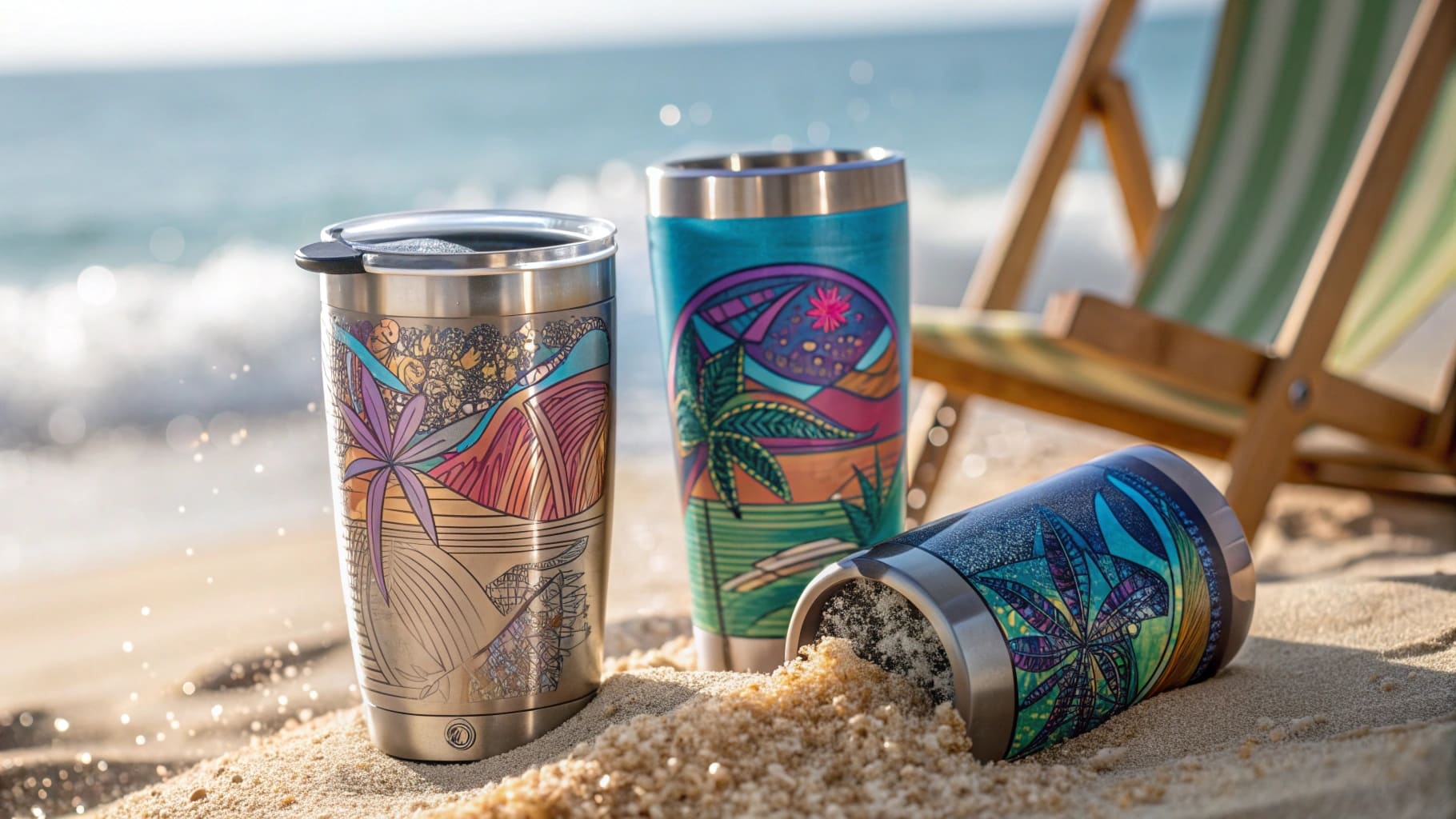
When I talk with procurement officers like you, temperature performance always comes up first. You need concrete data, not just marketing promises. Let me walk you through the thermal metrics that actually matter when you source tumblers for your market.
Is Tumbler for Hot and Cold?
Your customers will use tumblers for morning coffee and afternoon iced tea. Mixed-use scenarios create stress points. Poor thermal design fails fast, and warranty claims pile up quickly.
Modern tumblers are specifically engineered for dual-temperature use. The vacuum-insulated construction creates an airless barrier between walls, preventing heat transfer and maintaining beverage temperature regardless of whether contents are hot or cold.
The Science Behind Dual-Temperature Performance
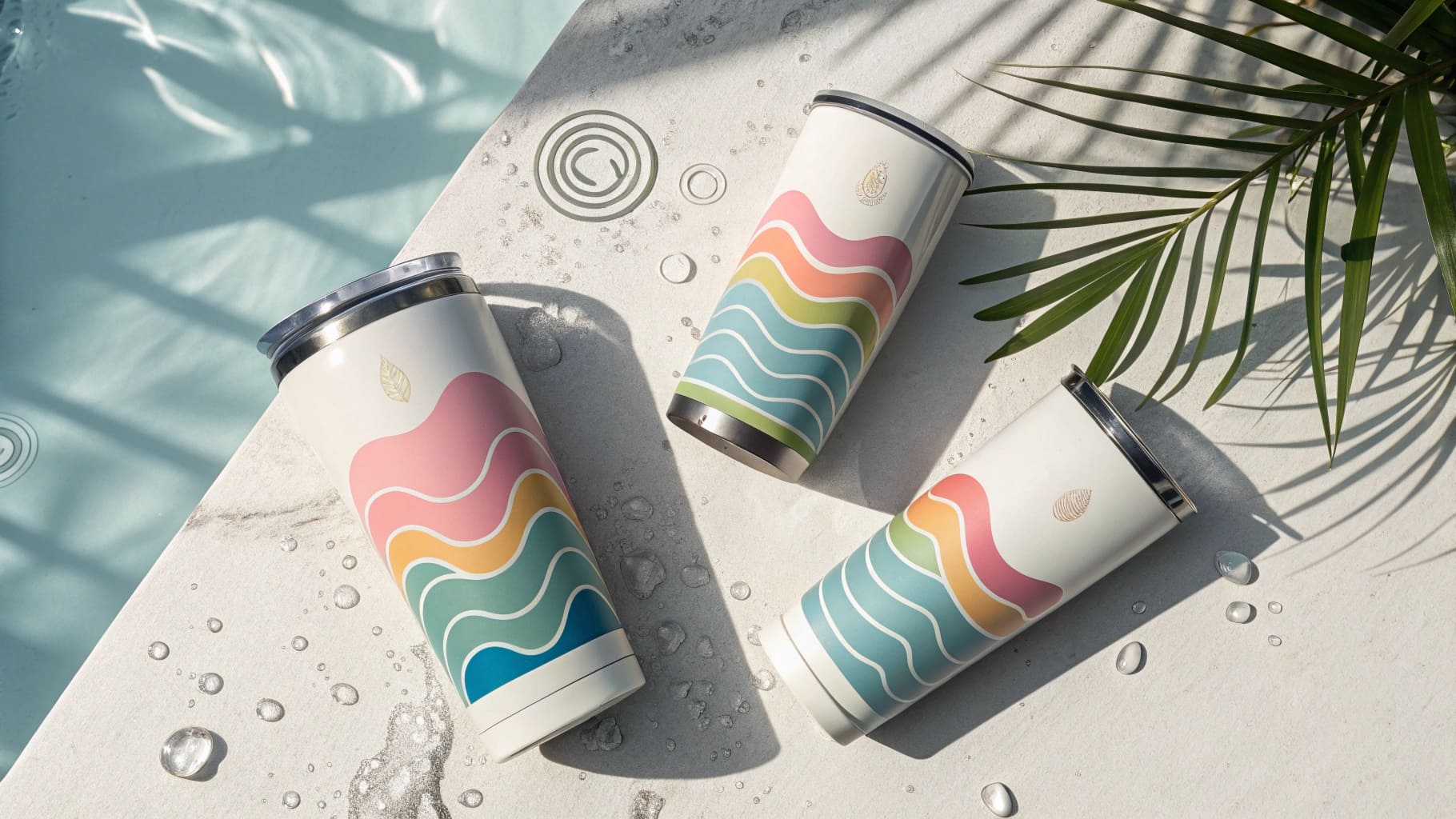
I manufacture tumblers every day. The technical foundation starts with the vacuum layer. We create this by removing air between the inner and outer stainless steel walls. Air conducts heat, so eliminating it stops temperature transfer.
The vacuum seal1 does three critical things for your product line. First, it keeps hot liquids hot by blocking heat escape. Second, it maintains cold temperatures by preventing warm air from reaching the beverage. Third, it stops condensation from forming on the outside surface.
Here is how different construction types perform:
| Construction Type | Hot Retention (Hours) | Cold Retention (Hours) | Condensation Control |
|---|---|---|---|
| Single-wall stainless steel | 0.5-1 | 1-2 | Poor |
| Double-wall air gap | 2-3 | 4-6 | Moderate |
| Double-wall vacuum insulated | 3-6 | 9-24 | Excellent |
| Triple-wall vacuum insulated | 6-8 | 24-36 | Excellent |
I recommend double-wall vacuum insulation2 for most B2B orders. The performance-to-cost ratio works best for retail and corporate gift markets. Triple-wall construction adds cost without meaningful benefit for typical daily use.
The wall thickness matters too. We use 0.4mm to 0.6mm stainless steel for each wall. Thinner walls reduce weight but compromise durability. Thicker walls add strength but increase manufacturing complexity and cost.
What Is the Best Tumbler for Hot and Cold Drinks?
Choosing the wrong tumbler specification creates problems downstream. Your customers expect consistent performance. Substandard materials lead to temperature loss, metallic taste, and rust issues that damage your brand.
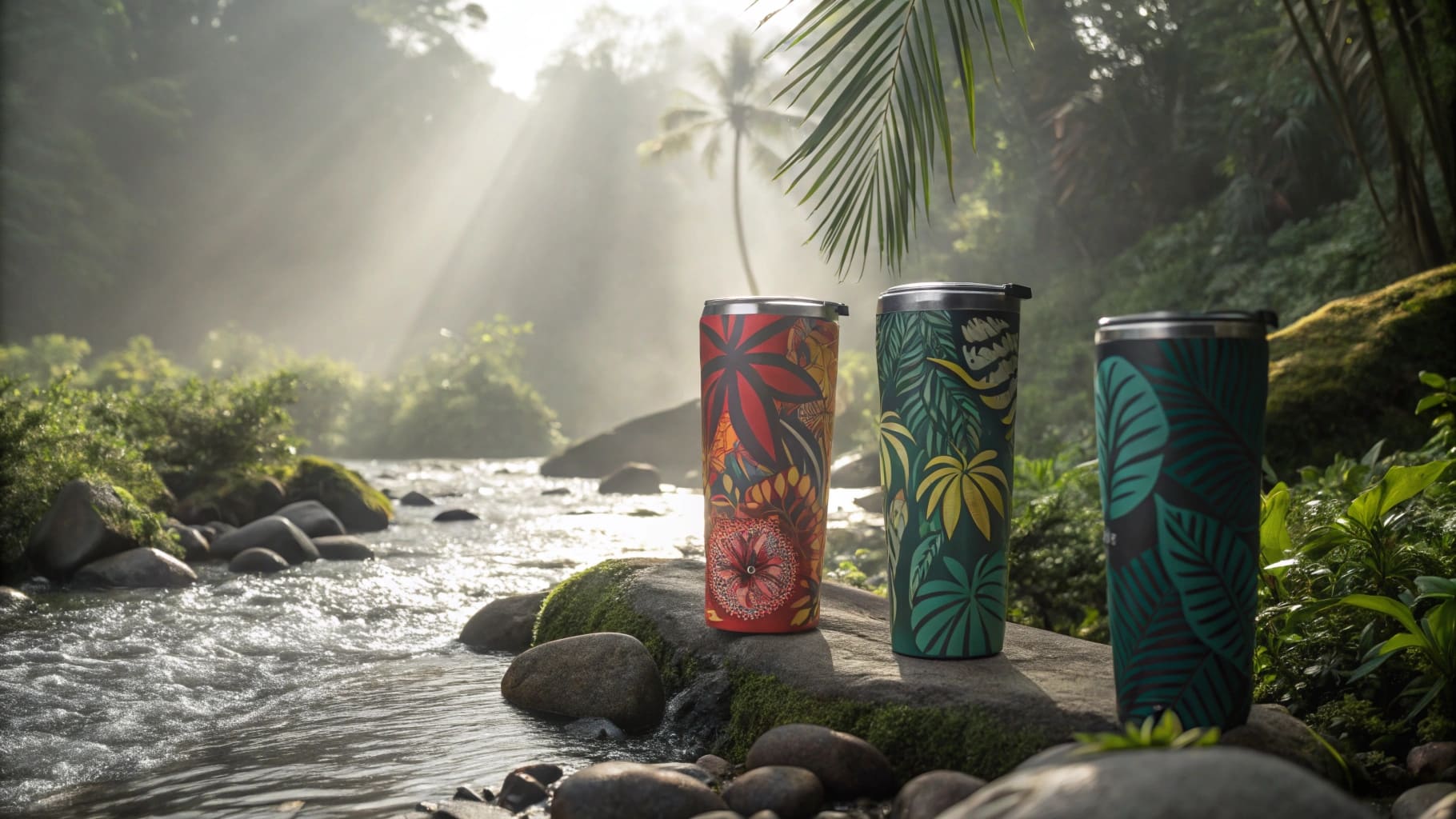
The best dual-temperature tumblers use 304 or 18/8 food-grade stainless steel3 with double-wall vacuum insulation. This combination delivers superior temperature retention, prevents flavor transfer, resists corrosion, and maintains performance through thousands of uses.
Material Specifications That Drive Performance
I source raw materials directly from steel mills. The grade designation tells you the exact composition. The 304 grade contains 18% chromium and 8% nickel. This specific ratio creates the corrosion resistance and strength you need.
Some suppliers use 201 stainless steel to cut costs. I refuse those orders. The 201 grade contains manganese instead of nickel. It looks identical but rusts quickly, especially when exposed to acidic beverages like coffee or citrus drinks.
The interior finish affects both thermal performance and taste. We electro-polish the inner surface to create a smooth, non-porous barrier. This process prevents beverage particles from lodging in microscopic crevices. The result is easier cleaning and zero metallic aftertaste.
Here are the key material specifications I verify on every production run:
| Specification | Standard Requirement | Impact on Performance |
|---|---|---|
| Steel grade | 304/18-8 food-grade | Corrosion resistance, longevity |
| Wall thickness | 0.4-0.6mm each wall | Durability, heat retention |
| Interior finish | Electro-polished | Taste purity, cleaning ease |
| Vacuum pressure | <0.1 Pa | Maximum insulation efficiency |
| Weld quality | Seamless or laser-welded | Structural integrity, no leaks |
The vacuum pressure measurement is critical. We test every batch to confirm pressure stays below 0.1 Pascal. Higher pressure means air molecules remain between walls. Those molecules conduct heat and destroy insulation performance.
Lid design impacts temperature retention as much as wall construction. Heat escapes through openings. I design lids with silicone seals4 that create airtight closure. The drinking mechanism should expose minimal surface area to prevent heat loss during use.
What Is the Point of Tumblers?
You might wonder why tumblers dominate the drinkware market. Single-use cups are cheaper upfront. Traditional mugs are simpler. But tumbler sales keep growing across every market segment I serve.
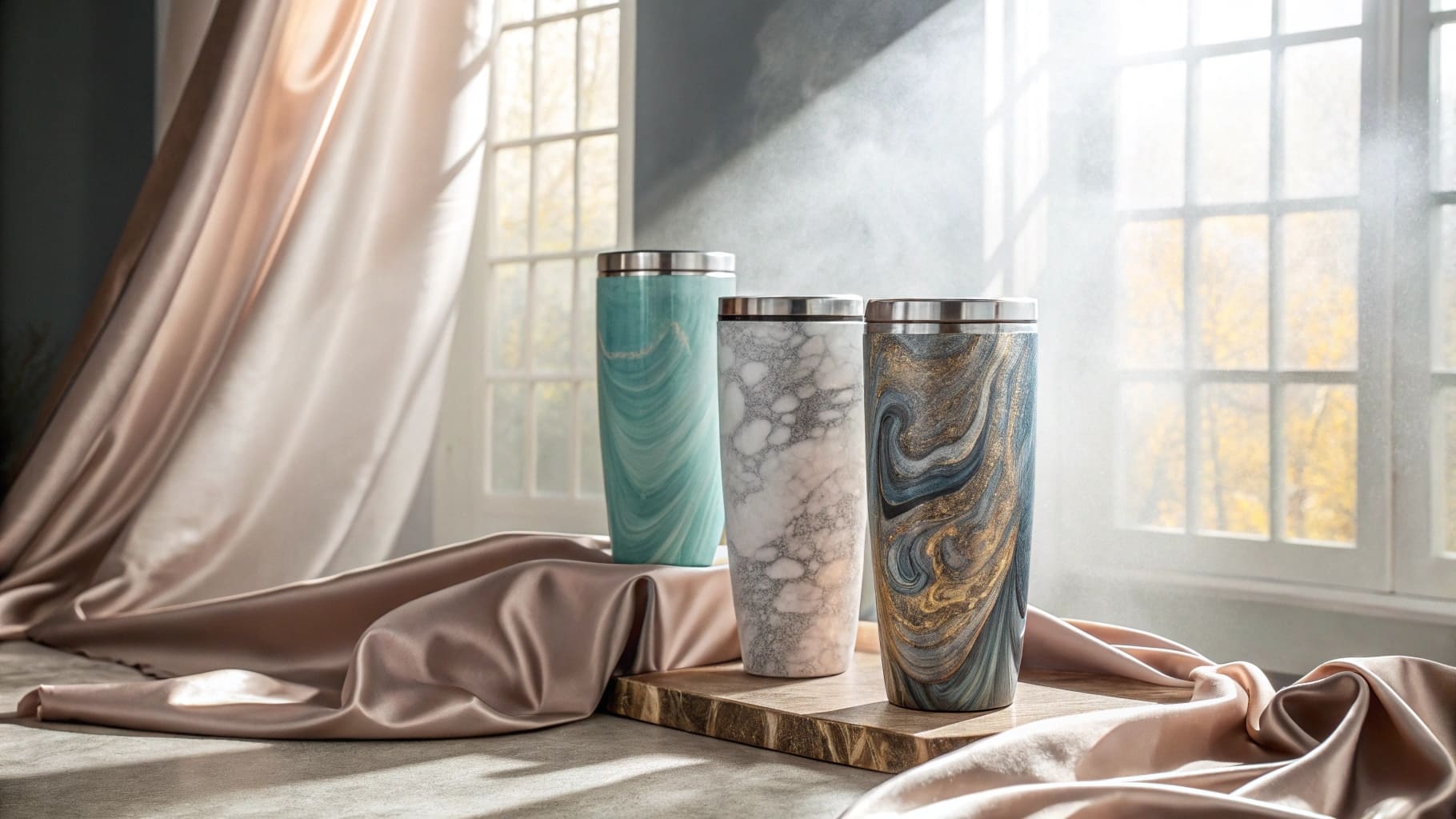
Tumblers deliver multi-functional value that spans temperature control, portability, sustainability, and brand visibility. They work across environments from offices to outdoor activities, replace disposable containers, and serve as daily-use brand ambassadors with extensive customization options5.
The Business Case for Tumblers in B2B Markets
I ship container loads to distributors across North America and Europe. The reorder rates tell me what works. Tumblers outperform traditional drinkware because they solve multiple problems simultaneously.
Temperature stability comes first. Your end users start their day with hot coffee and want it warm two hours later during a meeting. The same tumbler keeps water ice-cold during afternoon workouts. This versatility means one product replaces multiple specialized containers.
Portability drives adoption in mobile lifestyles. The splash-proof lids I manufacture prevent spills in cars, backpacks, and gym bags. The cup holder compatible base fits standard vehicle holders. Users carry the same vessel from home to office to outdoor activities.
Here is how different use cases drive purchasing decisions:
| Use Case | Key Features Needed | Market Segment |
|---|---|---|
| Office/corporate | Professional aesthetics, desk stability | Corporate gifts, employee programs |
| Retail consumer | Style variety, color options | Retail stores, e-commerce |
| Outdoor/sports | Durability, easy grip, wide mouth | Sporting goods, outdoor retailers |
| Promotional | Large branding area, cost efficiency | Marketing agencies, event planners |
| Premium gifts | Luxury finishes, packaging | Corporate gifts, high-end retail |
The sustainability angle strengthens every year. I see this in order specifications. Buyers ask about recyclability, material sourcing, and lifecycle impacts. Reusable tumblers replace hundreds of disposable cups annually. This message resonates with environmentally conscious consumers.
Customization flexibility makes tumblers powerful marketing tools. I offer logo printing, powder coating in custom colors, laser engraving, and multiple capacity options from 12oz to 40oz. The large surface area provides excellent brand visibility. Users carry branded tumblers into offices, gyms, and public spaces, creating repeated brand impressions.
The profit margins work for both you and your customers. My wholesale pricing allows healthy markup while keeping retail prices competitive. The perceived value is high because users see and feel the quality daily. This combination drives strong sales velocity and repeat purchases.
I also manufacture accessories that extend tumbler utility. Silicone boots protect surfaces and add grip. Paracord handles enable clip-on portability. Stainless steel straws appeal to eco-conscious users. Wide-mouth lids accommodate ice cubes. These add-ons increase average order values and enhance user satisfaction.
Conclusion
Quality tumblers excel with both hot and cold beverages through vacuum insulation and premium materials. Source products with verified thermal metrics and food-grade stainless steel to deliver lasting value and protect your brand reputation.
-
Learn how vacuum seals enhance temperature control and prevent condensation in drinkware. ↩
-
Understanding this technology is crucial for ensuring optimal temperature retention in tumblers. ↩
-
Discover why this material is preferred for durability and safety in tumbler manufacturing. ↩
-
Find out how silicone seals enhance the airtight closure and temperature retention of tumblers. ↩
-
Explore how customization can enhance brand visibility and customer satisfaction. ↩