
Which hip flask capacities win in 2026 wholesale: 6oz vs 8oz, and why?
You order 5,000 flasks and half sit unsold because you picked the wrong capacity. Your warehouse fills with inventory nobody wants. I learned this the hard way.
The 8oz flask wins the 2026 wholesale battle against 6oz because it holds 5-6 shots versus only 4, balancing portability with functionality. Most buyers prefer the extra volume for outdoor activities without adding significant bulk.
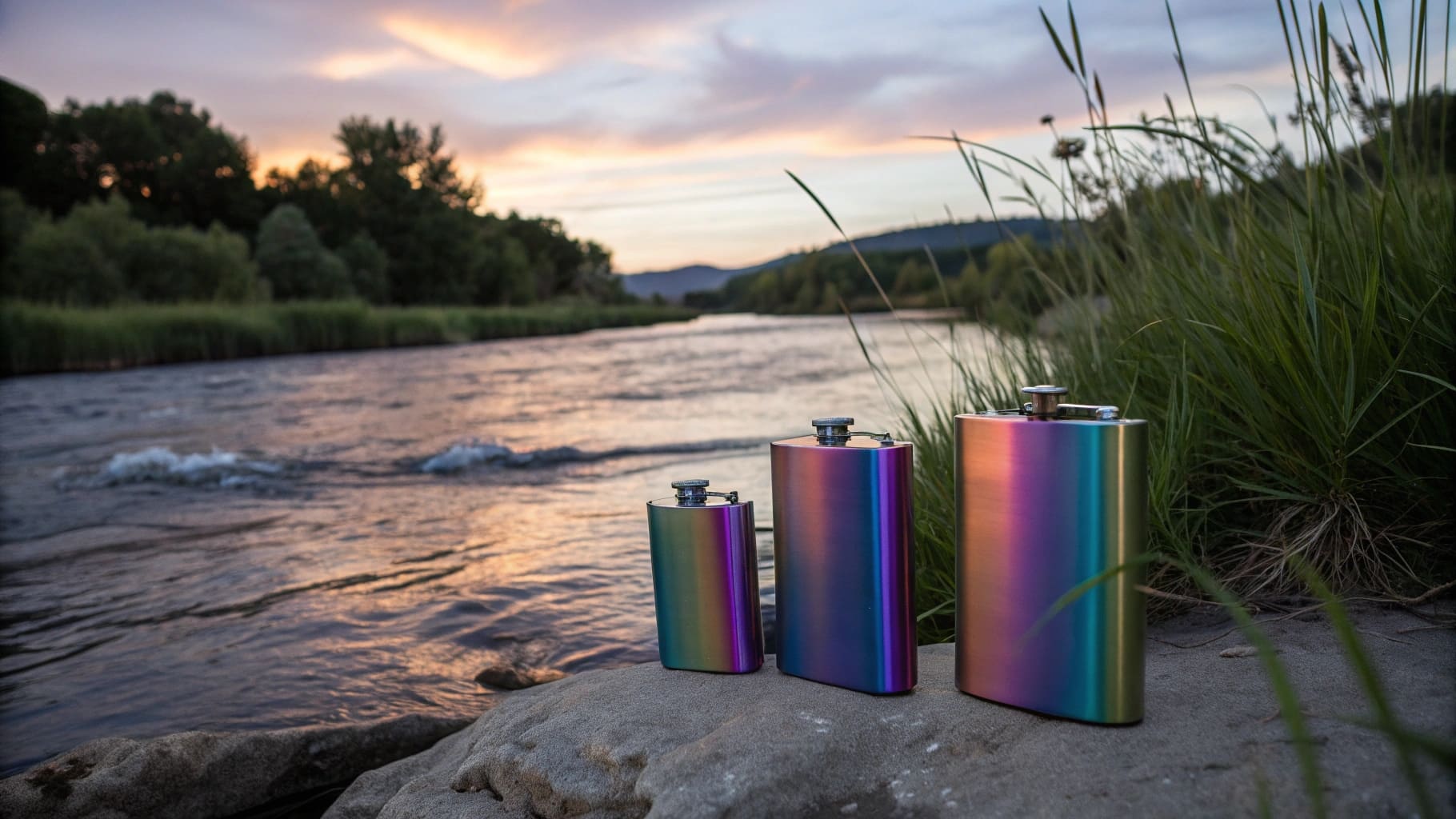
I remember Mark, one of my Canadian clients, who switched his entire order from 6oz to 8oz after his first season. His sales jumped 40%. Let me show you why capacity choice matters more than you think.
How many ounces are most flasks?
You browse supplier catalogs and see sizes from 2oz to 17oz. Which one actually sells? I check my order history every quarter to answer this.
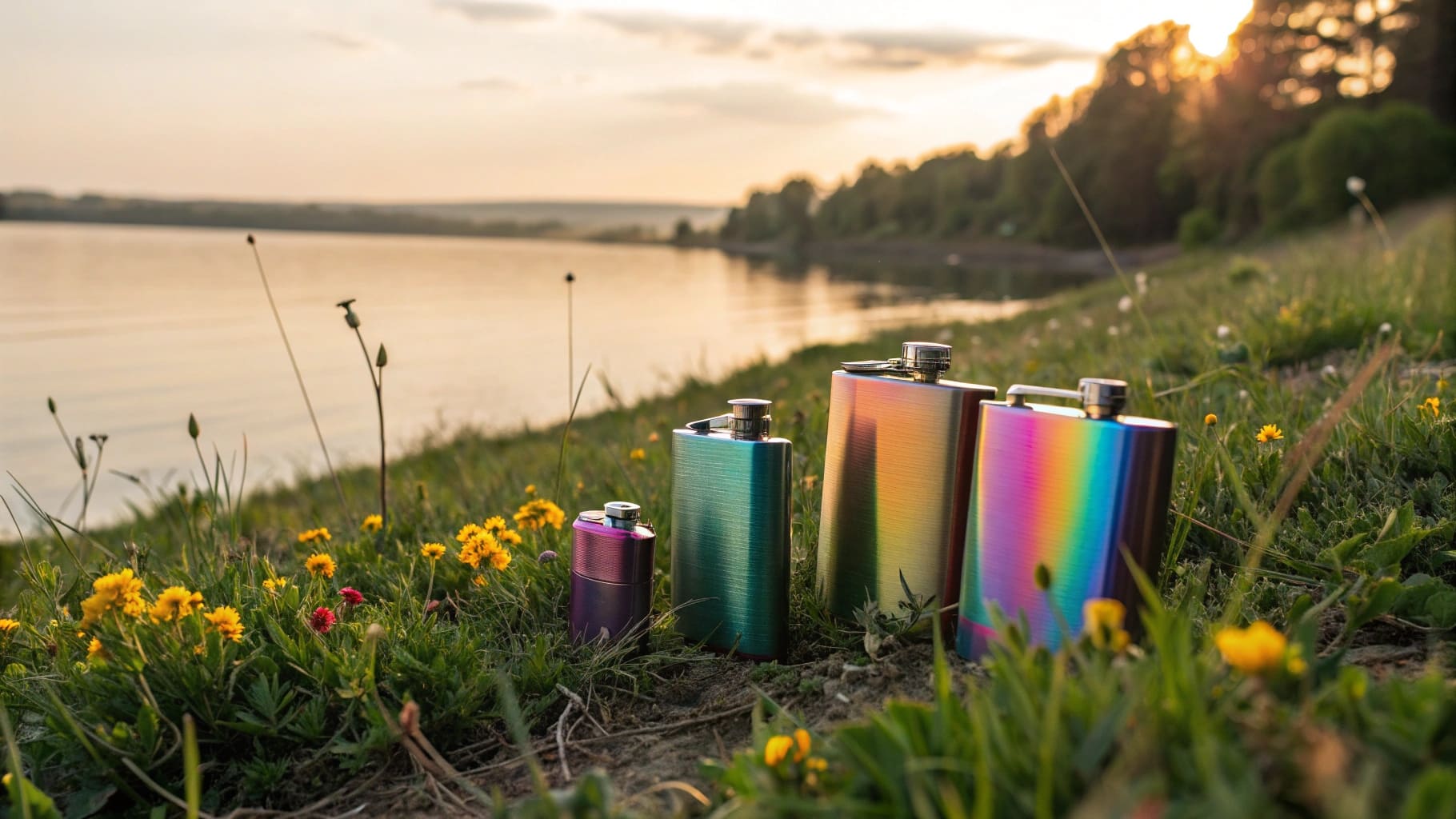
Most hip flasks range between 6oz and 10oz, with 8oz being the industry standard. Pocket flasks cluster in this range because they balance portability with practical drink volume for personal use.
Market Size Distribution
The hip flask market segments into three clear capacity tiers. I see this pattern repeat across all my wholesale orders.
| Capacity Range | Purpose | Market Share |
|---|---|---|
| 2oz - 4oz | Ultra-portable, novelty gifts | 15% |
| 6oz - 10oz | Standard pocket flasks | 70% |
| 12oz - 17oz | Group settings, camping | 15% |
Why 6oz-10oz Dominates
The middle tier captures most sales for good reasons. I manufacture all three ranges, but my production lines run longest on 8oz units.
First, pocket compatibility drives this range. A 6oz flask fits comfortably in most jean pockets without creating an obvious bulge. An 8oz adds minimal size but significant capacity. Anything above 10oz requires jacket pockets or bag carry.
Second, drinking occasions favor this volume. A standard shot measures 1.5oz in North America. A 6oz flask holds 4 shots. An 8oz holds 5-6 shots. This difference matters during a 4-hour outdoor event or camping trip. Buyers calculate this math before purchasing.
Third, weight considerations1 play a role. Stainless steel adds weight fast. A filled 8oz flask weighs about 280 grams. A 17oz flask exceeds 550 grams. Most customers want something they forget they are carrying.
Regional Preferences
I ship to different markets and notice patterns. American buyers lean toward 8oz for tailgating and hunting. European buyers often prefer 6oz for more discreet carry. Canadian customers like Mark split their orders between both sizes for different retail segments.
How many shots are in 6 oz?
Your customer picks up a flask and asks how long it lasts. You guess wrong and lose the sale. I train every sales rep on this calculation.
A 6oz flask holds exactly 4 standard shots, assuming each shot is 1.5oz. This capacity suits short outings or minimal consumption, but often feels limiting for extended outdoor activities where refills are inconvenient.
The Math Behind Flask Value
I break down capacity for wholesale buyers who need to explain value to their customers.
| Flask Size | Ounces | Standard Shots | Milliliters |
|---|---|---|---|
| 6oz | 6 | 4 shots | 180ml |
| 8oz | 8 | 5-6 shots | 240ml |
| 10oz | 10 | 6-7 shots | 300ml |
Why This Matters for Wholesale
The shot count directly impacts perceived value. I explain this to buyers like Mark who need to justify pricing to their retail customers2.
A 6oz flask at wholesale might cost you 8 dollars. An 8oz costs 9.50 dollars. That is only 1.50 dollars more for 33% additional capacity. Your retail customer sees 2 extra shots for minimal price increase. The 8oz becomes an easy upsell.
I see this play out in reorder patterns. Customers who start with 6oz often switch to 8oz after one season. They get feedback from end users who want more capacity. The price difference matters less than functionality.
Real Usage Scenarios
Consider actual use cases. A hunting trip lasts 6-8 hours. Four shots from a 6oz flask means rationing. Six shots from an 8oz flask provides more flexibility. The user can offer a sip to a companion without running dry.
Corporate gifting shows similar patterns. Companies buying branded flasks prefer 8oz because it feels more substantial. Recipients perceive higher value. A 6oz flask seems like a budget choice, even when quality matches.
Outdoor festivals present another angle. Security often limits re-entry. An 8oz flask covers the entire event. A 6oz flask leaves the user wanting more halfway through.
Is it illegal to carry a flask around?
Your shipment clears customs but your customer worries about legal issues. Sales stall because nobody explains the law. I address this in every sales presentation now.
Carrying a hip flask is not federally illegal in the United States, but open container laws vary by state and locality. Legal use focuses on private property, outdoor recreation areas, and home settings rather than public streets or vehicles.
Understanding the Legal Landscape
I am not a lawyer, but I help wholesale buyers3 position products correctly. This matters for brand protection and customer confidence.
| Setting | Legal Status | Marketing Approach |
|---|---|---|
| Private property | Generally legal | Home bar accessories |
| Camping/hiking | Usually legal | Outdoor recreation gear |
| Public streets | Often restricted | Avoid this positioning |
| Vehicles | Illegal (open container) | Never market for this |
Why This Affects Your Wholesale Strategy
Mark learned this lesson when a retail partner hesitated on a large order. The concern was liability. I helped him reframe the marketing.
Position flasks as outdoor recreation equipment. Emphasize camping, hunting, fishing, and hiking uses. These activities occur on private land or designated recreation areas where alcohol consumption is legal and expected.
Highlight home bar collections. Many buyers collect flasks as decorative items or use them for home entertaining. This completely sidesteps public carry concerns.
Corporate gifts work because companies give them for private use. The recipient uses it at home or on personal property. The corporate buyer faces no liability.
State-by-State Variations
I cannot list every state law, but patterns exist. Southern and western states with strong outdoor cultures generally allow alcohol in wilderness areas. Urban areas with strict public intoxication laws restrict public carry more heavily.
Advise your retail partners to check local laws. This shows professionalism and protects everyone involved. I include a simple legal disclaimer in my wholesale agreements noting that buyers must ensure compliance with local regulations.
Proper Marketing Language
I train Mark and other buyers on compliant marketing copy. Say "perfect for camping trips" instead of "enjoy anywhere." Say "outdoor adventure companion" instead of "portable party starter."
This language shifts perception from public intoxication risk to legitimate outdoor recreation. It protects your brand reputation while still communicating product benefits.
The legal concern actually helps segment your market correctly. Serious outdoor enthusiasts are your target buyers. They understand appropriate use contexts. Impulse buyers looking for public party accessories are not your profitable long-term customers anyway.
Conclusion
The 8oz flask wins in 2026 because it offers better value through higher shot count while maintaining portability. Stock both sizes, but lead with 8oz inventory for maximum turnover.
