
Are titanium hip flasks better than stainless? Weight, taste, and cost math
Last month, a Canadian buyer asked me to quote titanium flasks. His order was big - 5,000 units. I did the math and he nearly canceled the deal when he saw the price difference.
It depends on what matters most to you. Titanium wins on weight - it is 45% lighter than stainless steel. But stainless steel SS316 beats titanium on cost-benefit. You pay 3 to 5 times more for titanium while getting similar taste neutrality and durability. For most B2B orders, SS316 gives you medical-grade quality1 without the premium price tag.

I have been working with flask buyers for eight years now. I see the same confusion every time. People think expensive always means better. But when you break down the numbers - weight savings, actual taste tests, and total cost for bulk orders - the winner changes based on your specific needs.
Is titanium better than a stainless steel water bottle?
I tested both materials myself. I filled one titanium bottle and one SS316 bottle with coffee. I left them for six hours. Both kept the temperature. Both tasted clean.
Titanium is not universally better. It excels at being lightweight and bio-compatible. But SS316 stainless steel matches titanium in corrosion resistance and surpasses it in cost efficiency2. For beverages, both materials prevent metallic taste. The choice depends on whether you prioritize weight reduction or budget optimization.

The real performance gap
I work directly with factories in China. I see both materials in production every day. Let me tell you what the specifications actually mean for your product.
Titanium has low density. This makes it naturally lighter. A standard 8oz flask in titanium weighs about 85 grams. The same flask in SS304 weighs 155 grams. That is a 45% weight reduction.
But weight is only one factor. Let me show you the complete comparison:
| Property | Titanium | SS304 | SS316 |
|---|---|---|---|
| Density | 4.5 g/cm³ | 7.9 g/cm³ | 8.0 g/cm³ |
| Weight (8oz flask) | 85g | 155g | 158g |
| Corrosion resistance | Excellent | Good | Excellent |
| Bio-compatibility | Excellent | Good | Excellent |
| Heat resistance | Very high | Good | Very high |
| Taste neutrality | Perfect | Perfect | Perfect |
I had a customer from Germany. He bought titanium bottles for his hiking gear brand. His customers loved the light weight. But his retail price had to jump 60% higher. His sales dropped. He switched to SS316 the next season. His sales recovered because the price became competitive again while quality remained high.
What costs more, stainless steel or titanium?
I just quoted a project yesterday. The buyer wanted 3,000 flasks. I gave him prices for all three materials. He was shocked by the gap. Titanium raw material costs me four times what SS304 costs.
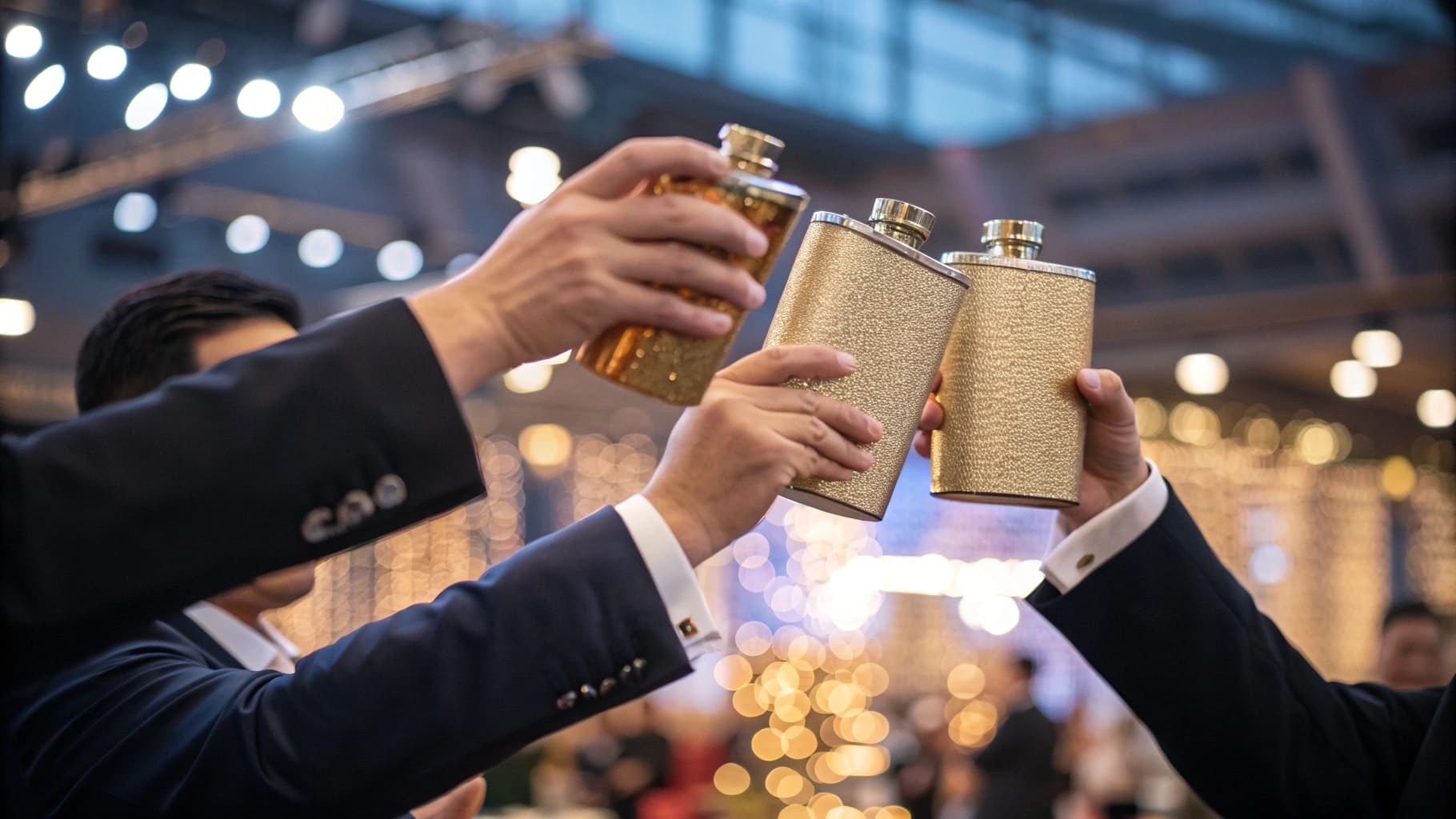
Titanium costs significantly more than stainless steel. For bulk orders, titanium material expenses are 3 to 5 times higher than SS304 and 2 to 4 times higher than SS316. Processing costs also increase with titanium due to harder machining requirements. This price gap affects your final retail pricing and profit margins3 directly.
Breaking down the cost structure
I deal with pricing every single day. I negotiate with raw material suppliers. I calculate production costs. I know exactly where your money goes.
Let me give you real numbers from my factory. These are current prices for raw materials per kilogram:
| Material | Price per kg | Processing difficulty | Total cost impact |
|---|---|---|---|
| SS304 | 15 USD | Standard | Base cost |
| SS316 | 22 USD | Standard | 47% more than SS304 |
| Titanium | 65 USD | High | 333% more than SS304 |
But raw material is just the start. Processing titanium requires special equipment. The cutting tools wear out faster. The machining time increases by 40%. All of this adds up.
I had a startup founder from Texas contact me last year. He wanted to launch a premium flask brand with titanium. I showed him the math. For his initial order of 1,000 units, titanium would cost him 48,000 USD total. SS316 would cost him 16,000 USD. That is a 32,000 USD difference for virtually identical performance in his target market. He chose SS316. His brand launched successfully because he could price competitively.
The labor cost matters too. My workers need more time to polish titanium. The welding requires more precision. These hidden costs add another 15 to 20% to the final price.
What metal is best for a flask?
I ask every customer the same three questions. Where will you sell? Who will buy it? What is your price target? These questions tell me which metal fits best. There is no single best metal for everyone.
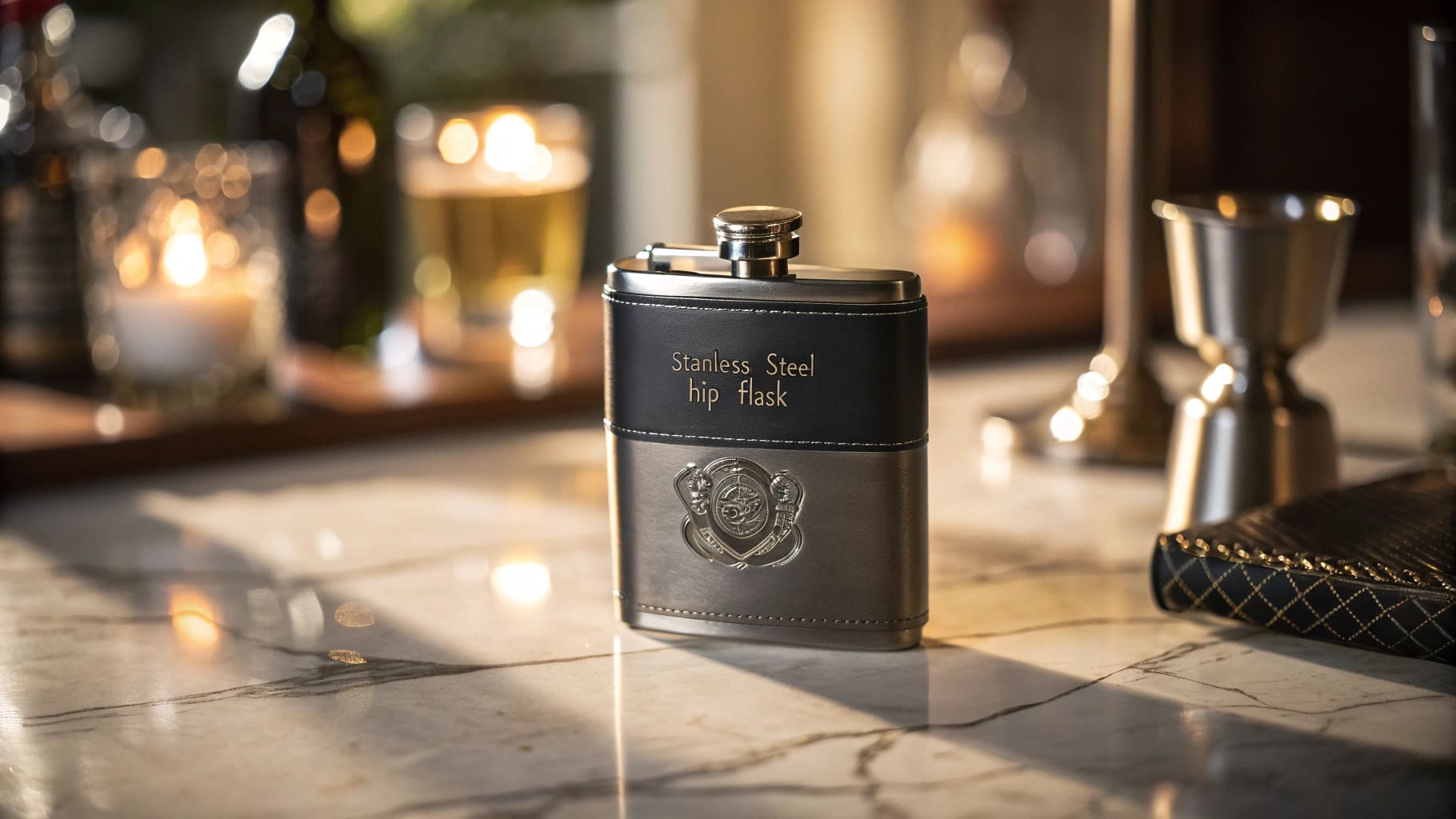
The best metal depends on your application and budget. SS316 offers the optimal balance for most B2B applications - medical-grade corrosion resistance, zero taste transfer, and cost efficiency. Choose titanium only when weight reduction is critical, like aerospace or ultralight outdoor gear. SS304 works well for mainstream markets where competitive pricing matters most.
Matching metal to market
I have shipped flasks to 23 countries now. I see clear patterns in what works where. Let me break down the decision framework I use with clients.
Your choice should match your customer profile:
| Customer type | Best metal | Why it works |
|---|---|---|
| Outdoor enthusiasts (ultralight) | Titanium | Weight savings justify premium price |
| Health-conscious buyers | SS316 | Medical-grade quality builds trust |
| Corporate gifts | SS304 | Best cost-performance ratio |
| Acidic beverage users | SS316 | Superior acid resistance |
| Budget-conscious markets | SS304 | Competitive pricing with good quality |
I remember a buyer from the Netherlands. He was launching coffee mugs for cycling teams. His first instinct was titanium because cyclists care about weight. But I showed him the numbers. A titanium mug would retail at 75 EUR. His target customers would pay maximum 35 EUR. We went with SS316. The weight difference was only 70 grams. His customers never complained. His sales exceeded targets by 40%.
For my business at Icobottle, I recommend SS316 to 70% of my customers. It gives you medical-grade corrosion resistance. It handles acidic drinks perfectly. Coffee, juice, wine - all taste clean. The price point lets you compete in mainstream markets. Your profit margin stays healthy.
SS304 still has its place. If you are doing promotional flasks or entry-level products, SS304 delivers solid quality at the best price. I use it for customers targeting cost-sensitive markets.
Titanium makes sense in specific niches. High-end outdoor brands. Aviation industry. Premium gift markets where price is secondary to exclusivity. But for most B2B buyers reading this, titanium means sacrificing market size for marginal performance gains.
Conclusion
Choose based on your real business needs, not marketing hype. SS316 wins for most B2B applications with its balance of quality and cost. Save titanium for truly weight-critical markets. Your profit margins will thank you.
-
Understand the standards that classify materials as medical-grade, ensuring safety and reliability in health applications. ↩
-
Understand the key elements that drive cost efficiency, helping you make informed decisions for your business. ↩
-
Learn effective strategies to enhance profit margins, ensuring the sustainability of your business. ↩
