
Stainless steel bottle holders for boats: hole sizes, fasteners, drainage
Imagine watching your expensive water bottle slide across the deck and disappear into the ocean. You need proper bottle holders, but choosing wrong means lost equipment and safety risks.
Most boat bottle holders need inner diameters between 2.75 to 3.5 inches to fit standard bottles. You must also check holder depth, drainage holes (6-8mm), and use 316-grade stainless steel1 fasteners for saltwater resistance.
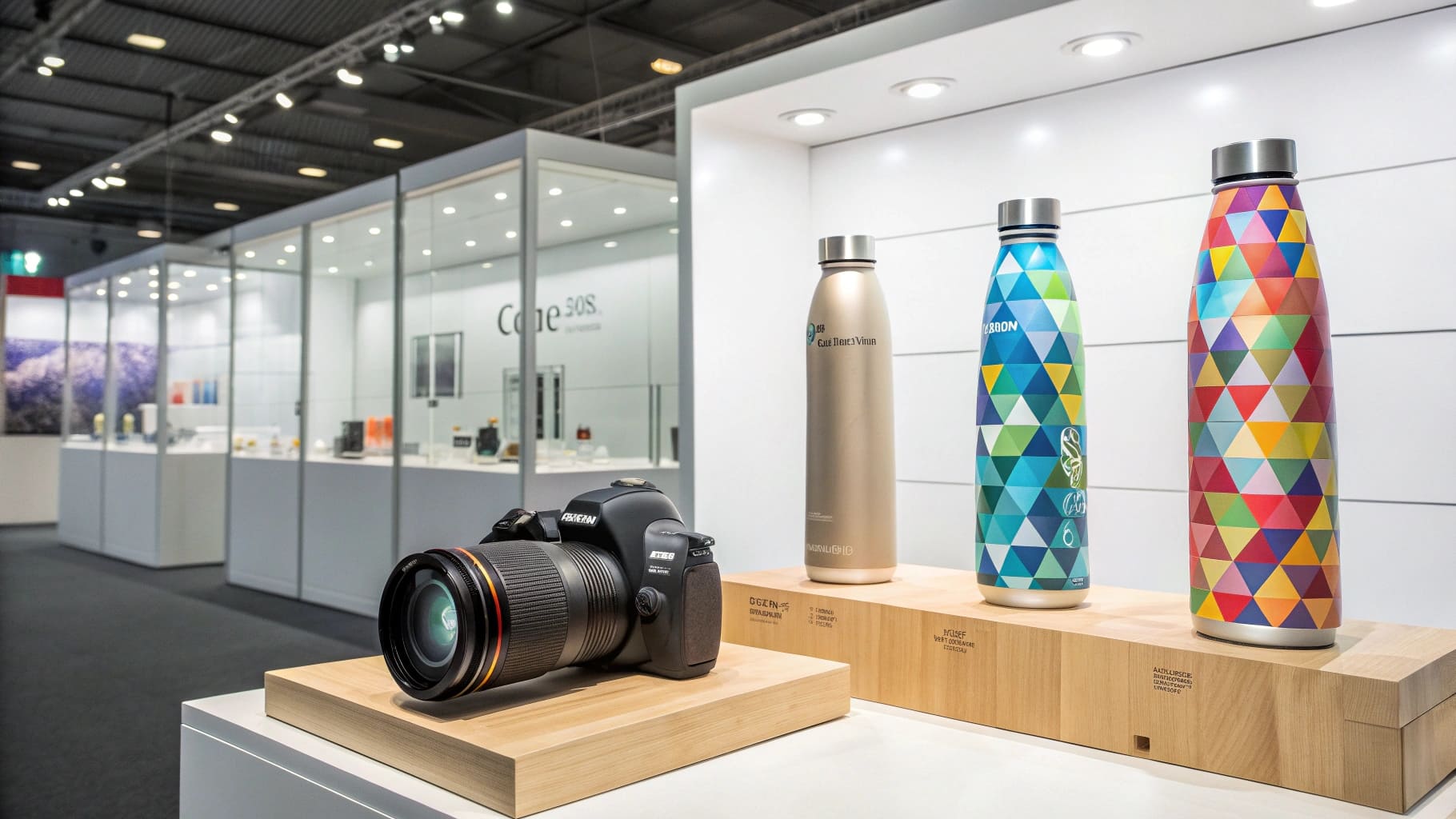
I learned this lesson the hard way during my first boat trade show in Vancouver. A customer showed me photos of corroded holders that failed after just one season. That moment changed how I approach marine equipment sourcing. Let me share what really matters when you pick bottle holders for boats.
Does a 24oz Wide Mouth Hydro Flask Fit in a Cup Holder?
You spent good money on quality bottles for your boat crew. Now you worry they will not fit standard holders. This wastes your investment and frustrates everyone onboard.
Most 24oz wide mouth bottles fit standard cup holders2 because their diameter measures 3.5 inches or less. The holder needs at least 3.6 inches inner diameter and 7 inches depth to work properly.
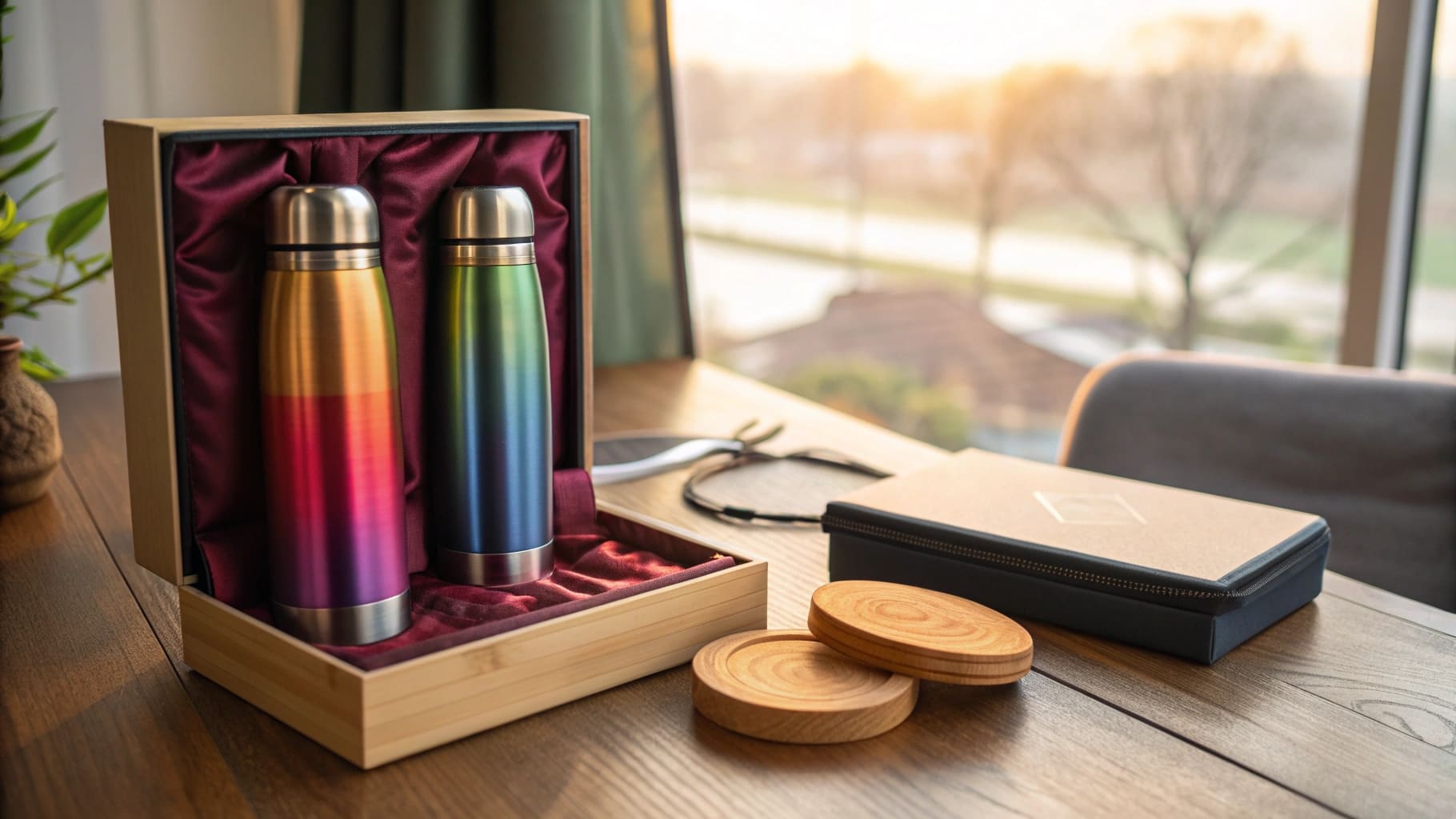
Understanding Wide Mouth Bottle Dimensions
I measured dozens of 24oz bottles in my warehouse last month. The wide mouth design adds about 0.3 inches to the top diameter compared to regular mouth bottles. This matters because some boat holders have tapered openings.
The key measurements you need are:
| Bottle Part | Typical Size | Holder Requirement |
|---|---|---|
| Top diameter | 3.5 inches | 3.6 inches minimum |
| Base diameter | 2.9 inches | 3.0 inches minimum |
| Total height | 10.8 inches | 11 inches minimum |
| Weight (full) | 1.8 pounds | Holder must support 2.5 pounds |
I always tell customers to add 0.2 inches to their bottle diameter when ordering holders. This small buffer prevents jamming issues that happen when boats rock. The holder also needs extra depth because wide mouth bottles3 often have handles or straps attached. I once shipped 500 holders to a fishing charter company in Alaska. They measured their bottles wrong and every holder was too tight. We fixed it, but the delay cost them the summer season start.
How Do You Find the Diameter of a Cup?
You need exact measurements before ordering 1000 bottle holders from China. Guessing sizes leads to expensive mistakes that eat your profit margins. One wrong measurement means you cannot use any of the products.
Measure the inner diameter at the top opening using digital calipers. Take three measurements at different points and average them. Also measure depth from rim to bottom to confirm bottle clearance.
Proper Measurement Techniques for Marine Applications
I keep three sets of digital calipers in my office because measurements matter that much. Standard tape measures give you wrong numbers because they cannot reach inside narrow openings accurately.
Here is my exact process:
Step 1: Top Opening Measurement
I place the caliper jaws inside the rim and expand until they touch the walls. I rotate the caliper 120 degrees and measure again. Then I rotate another 120 degrees for the third measurement. Many holders are not perfectly round, so averaging prevents errors.
Step 2: Depth Measurement
I use the depth probe on my calipers. I extend it until it touches the bottom while keeping the main body flat against the rim. Some holders have drainage bumps or ridges at the bottom that reduce actual usable depth.
Step 3: Taper Check
I measure the diameter again at 2 inches down from the top. If this number is smaller, the holder has a taper. This affects which bottles will fit because vacuum bottles often have wider bases.
| Measurement Point | Tool | Why It Matters |
|---|---|---|
| Top rim diameter | Digital calipers | Determines if bottle enters |
| Mid-depth diameter | Digital calipers | Shows taper angle |
| Bottom diameter | Digital calipers | Confirms base stability |
| Total depth | Depth probe | Prevents bottle sticking out |
| Drainage hole size | Small calipers | Affects water removal speed |
I learned to check wall thickness too. Some cheap holders look right but have thick walls that reduce the actual inner space. A customer in Miami once ordered holders that measured 3.5 inches outside but only 3.0 inches inside. Their 3.2-inch bottles did not fit.
Does Owala 40oz Fit in Cup Holder?
Your customers want large capacity bottles but complain they do not fit anywhere. You risk losing sales if your boat accessories cannot handle popular bottle sizes. This creates bad reviews and returns.
Standard Owala 40oz bottles measure 3.8 inches at the base and need holders with at least 3.9 inches inner diameter. Regular boat cup holders designed for 24oz bottles will not work without modification or adapter rings.
Solving Large Bottle Compatibility Issues
I spent three weeks last year solving this exact problem for a yacht accessory distributor in Seattle. Large capacity bottles have become extremely popular, but most boats still have old-style small holders.
The Owala 40oz presents specific challenges:
Base Design Issues
The bottle base measures 3.8 inches wide to maintain stability. Most marine cup holders max out at 3.5 inches inner diameter. I cannot simply tell customers to buy bigger holders because boat consoles have fixed hole sizes drilled during manufacturing.
Weight Considerations
A full 40oz bottle weighs over 3 pounds. Regular plastic or thin aluminum holders bend or crack under this weight combined with boat motion. I only recommend 304 or 316 stainless steel holders with reinforced bases for these large bottles.
Practical Solutions I Offer
I worked with my factory to develop three options:
| Solution | Best For | Installation |
|---|---|---|
| Adjustable insert rings | Existing small holders | Drops into current hole |
| Expanding holder design | New installations | Requires 4-inch drill hole |
| Rail-mount clamp style | Retrofit situations | Bolts to boat rails |
| Gimbal-style large holder | Rough water boats | Swivels to stay level |
The adjustable insert rings work great because boat owners can use them for both large and small bottles. I source these with food-grade silicone grips that prevent scratching. One marina supply store in Florida now orders 200 units monthly because their customers love the flexibility.
I also learned that drainage becomes critical with 40oz bottles. When water gets inside the holder, it takes much longer to dry because the bottle blocks airflow. I specify drainage holes at 8mm diameter minimum for large bottle holders instead of the standard 6mm. Some customers want even bigger holes, but this weakens the holder structure.
The material quality cannot be compromised with heavy bottles. I once tested a competitor's aluminum holder with a full 40oz bottle in my office. I shook it to simulate boat motion and the holder cracked after five minutes. My 316 stainless steel holders survived the same test for over an hour with no damage. This is why I only work with factories that can provide proper material certifications.
Conclusion
Choose boat bottle holders by measuring carefully, using marine-grade materials, and matching holder dimensions to your actual bottles. These steps prevent equipment loss and customer complaints.