
30oz Tumbler Lids: Slider vs Flip, Gasket AQL, and Leak Test Standards
I remember a customer from Vancouver who returned 500 units last year. The tumblers looked perfect, but the lids leaked after three uses. That one gasket issue cost him thousands and taught me a hard lesson about lid quality.
A 30oz tumbler's lid performance depends on three factors: closure mechanism design, gasket material grade, and leak test standards. Slider lids suit cold drinks while flip lids work better for hot beverages, but gasket AQL1 levels below 1.5 typically fail within weeks of regular use.
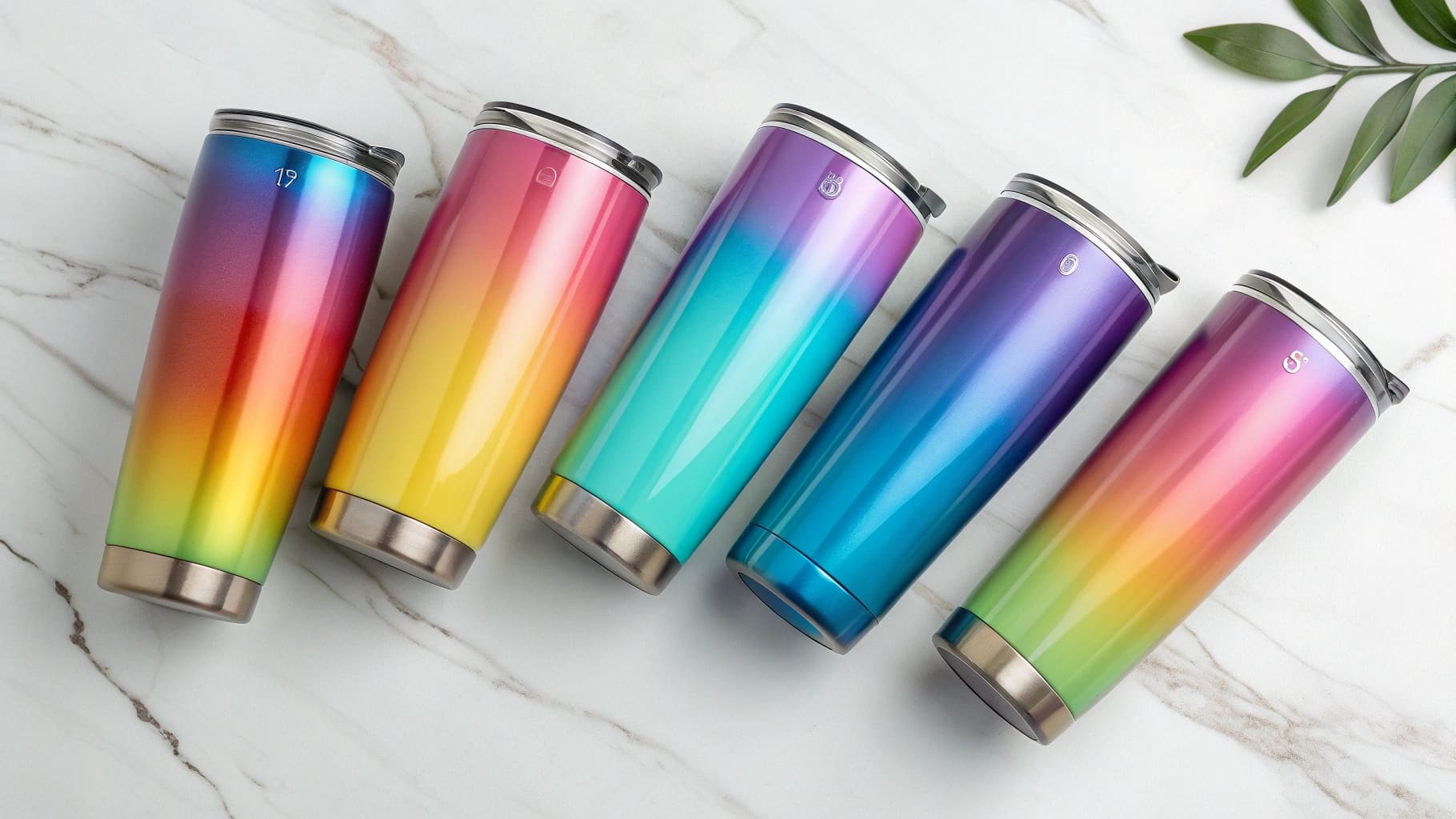
I've been making tumblers in China for eight years. During this time, I've seen buyers focus on tumbler body specifications while ignoring lid details. This mistake always comes back to hurt them. The lid is where most product failures happen, not the tumbler body. Today I want to share what I've learned about lid performance, gasket standards, and testing protocols that actually matter for B2B buyers.
Which Tumbler Keeps Drinks Hot the Longest?
You want your customers to enjoy hot coffee hours after brewing. But not all tumblers deliver this promise. The gap between marketing claims and real performance often surprises new buyers.
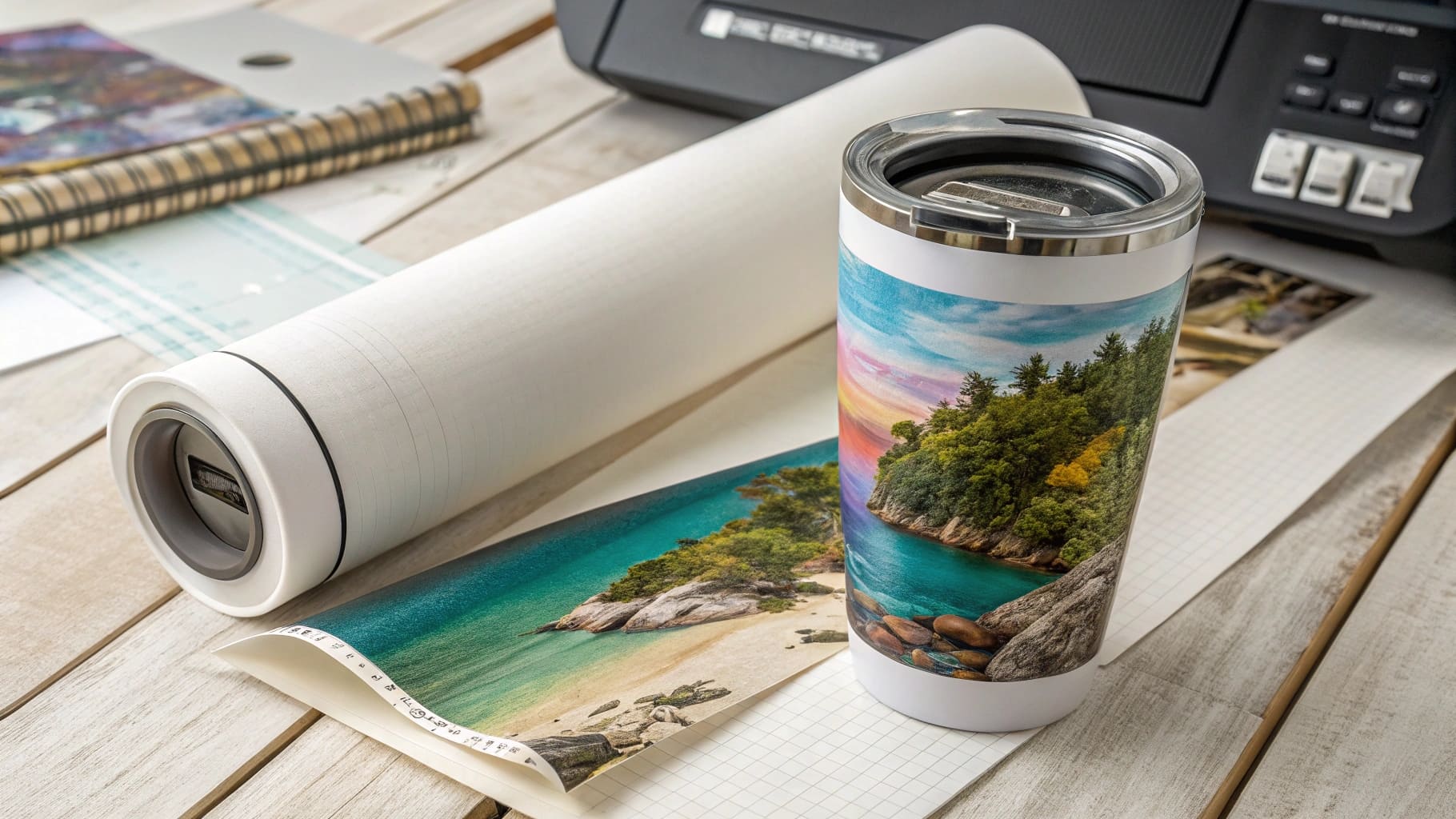
The vacuum insulation technology2 determines heat retention more than any other factor. Double-wall vacuum designs keep hot drinks warm for 6-8 hours and cold drinks chilled for 12-24 hours when properly manufactured.
Understanding Vacuum Insulation Performance
I test every production batch in my factory. We fill tumblers with water at 95°C and measure temperature drop over time. Premium vacuum insulation maintains 70°C or above after six hours. Poor vacuum seals drop below 50°C in three hours. The difference is obvious.
The space between inner and outer walls needs complete air removal. Even tiny amounts of air reduce insulation performance by 30-40%. We use copper plating3 on the inner wall of some premium models. This reflects heat back into the liquid. Wall thickness also matters. I use 0.6mm stainless steel for standard models and 0.8mm for premium lines.
| Factor | Impact on Heat Retention | Quality Indicator |
|---|---|---|
| Vacuum seal quality | 50-60% of performance | Temperature test at 6 hours |
| Wall thickness | 20-25% of performance | Minimum 0.6mm for reliability |
| Copper plating | 10-15% improvement | Added cost of $0.80-1.20 per unit |
| Lid seal quality | 10-15% of performance | Gasket compression test results |
The lid seal impacts the last 10-15% of heat retention. Many buyers overlook this part. A perfect vacuum body with a poor lid gasket still disappoints customers. I once had a European buyer who tested three suppliers. Our tumbler body performed best, but our standard lid gasket failed his leak test. We lost that order. I learned to upgrade all gasket specifications after that experience.
Can Tumblers Be Used for Hot Drinks?
Your customers will put hot coffee in tumblers regardless of your warnings. I've seen this happen too many times. The question isn't whether they should, but whether your product handles it safely.
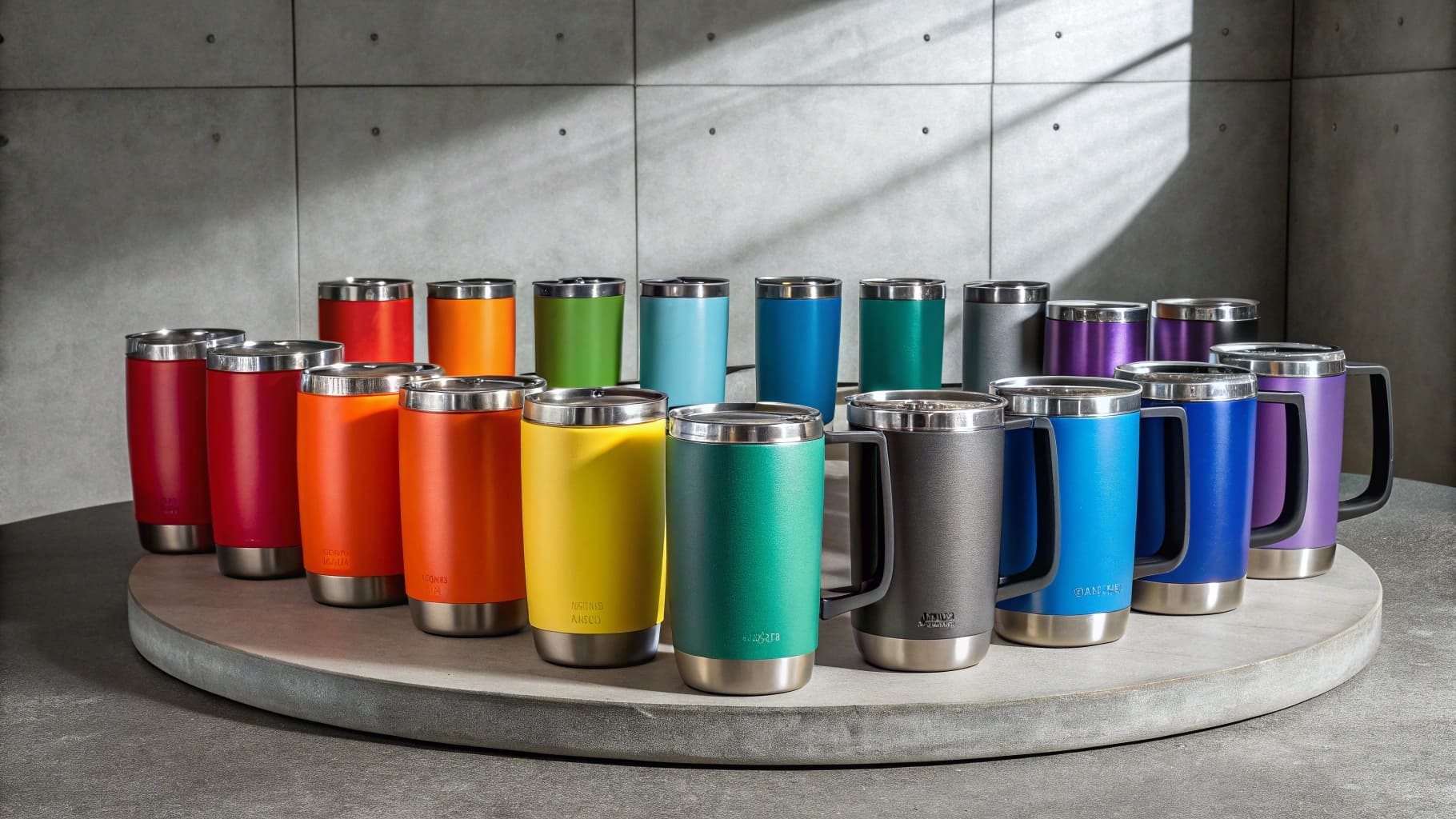
Yes, stainless steel tumblers work for hot drinks when built with proper materials and lid designs. Food-grade 18/8 stainless steel tolerates temperatures up to 110°C without leaching chemicals or affecting taste.
Material and Design Requirements for Hot Beverages
I use 304 stainless steel for all my tumbler interiors. This grade is also called 18/8 because it contains 18% chromium and 8% nickel. These elements prevent rust and metallic taste. Cheaper 201 stainless steel costs $0.30 less per unit but causes problems with acidic hot drinks like lemon tea or coffee.
The electro-polishing process on the interior matters more than most buyers realize. This process smooths the surface at a microscopic level. It prevents flavor absorption and eliminates metallic aftertaste. I send all tumbler interiors through a two-stage polishing process. The first stage removes surface imperfections. The second stage creates a mirror finish. This adds $0.15 to production cost but eliminates customer complaints about taste.
Lid design for hot drinks needs specific features. The spout opening should be 8-10mm for controlled sipping. Larger openings cause hot liquid to flow too fast. I burned my mouth testing a 15mm spout design last year. We reduced it to 9mm and the problem disappeared. The spout also needs a silicone cushion where it contacts your lip. This prevents burns from metal-to-skin contact.
Heat-resistant gaskets are non-negotiable for hot beverages. Standard silicone gaskets work up to 200°C. EPDM rubber gaskets handle higher temperatures but cost $0.08 more per unit. Some suppliers use cheaper rubber that degrades in hot liquid. This causes leaks after 2-3 weeks of coffee use.
What Is the Best Cup to Keep Drinks Cold?
Summer orders triple in my factory. Everyone wants cold drink solutions. But keeping drinks cold for 24 hours requires different specifications than hot drink retention.
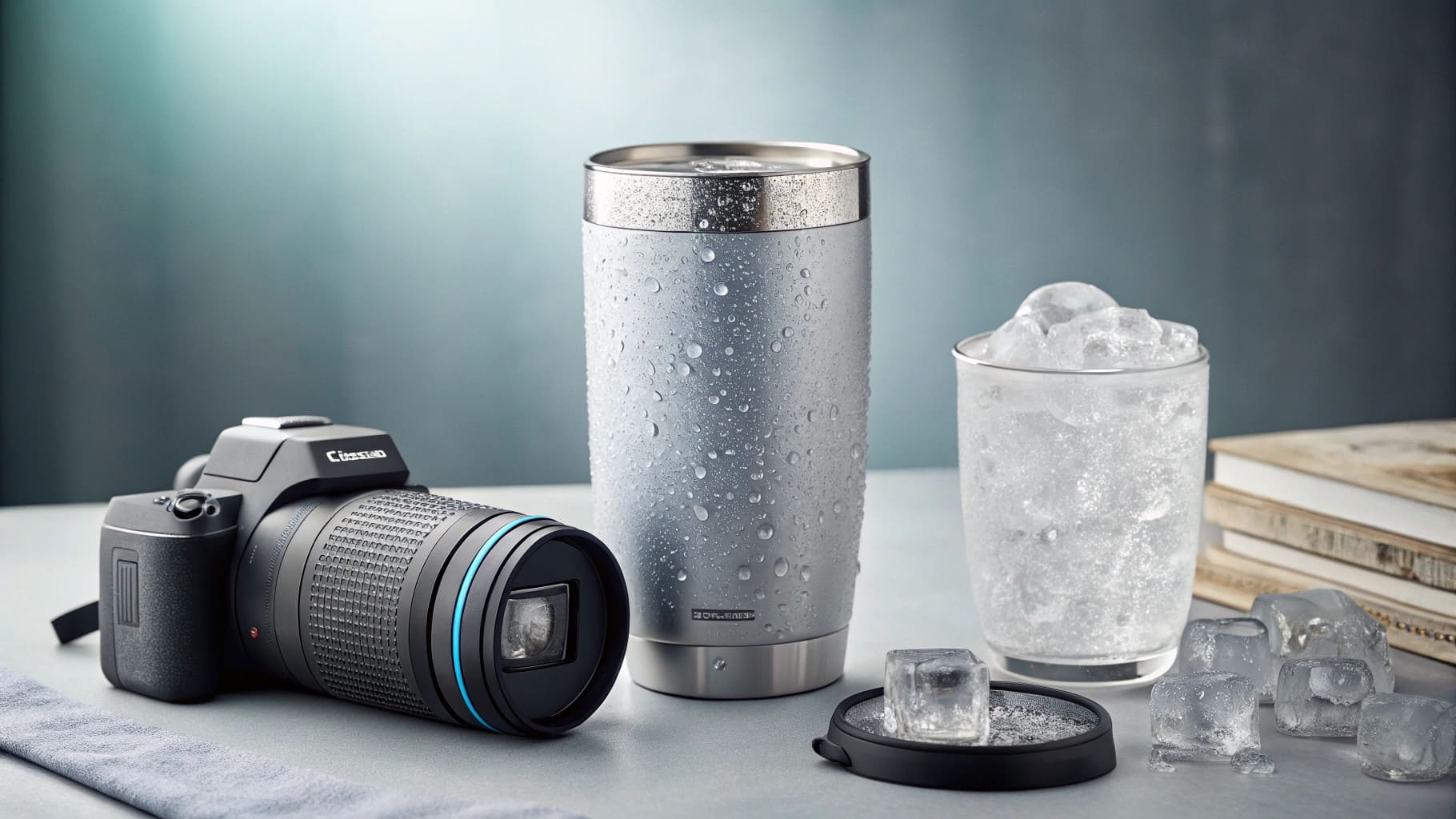
Stainless steel vacuum insulated tumblers with copper-plated inner walls keep cold drinks chilled longest, maintaining ice for 12-24 hours. The key factors are vacuum quality, wall thickness, and condensation-free exterior design.
Cold Retention Technology Details
I measure cold retention differently than heat retention. We fill tumblers with ice water at 4°C and track temperature rise and ice melt time. Premium tumblers keep the temperature below 10°C for 12 hours and maintain visible ice for 18-24 hours. Standard models reach 15°C in 8 hours with ice mostly melted by 12 hours.
The vacuum seal prevents warm air from reaching the cold liquid inside. But the lid creates a weak point in this system. Cold air is denser than warm air. This means cold escapes faster through poor lid seals than heat escapes from hot drinks. I learned this when a California customer complained about ice melting in 6 hours. We tested his lids and found gasket compression below our minimum standard. After fixing the gasket supplier, ice lasted 20+ hours.
Condensation control matters for cold drinks. Double-wall vacuum design keeps the exterior dry. Single-wall tumblers sweat heavily with cold drinks. This damages wooden furniture and feels unpleasant. I've never understood why some suppliers still make single-wall models. The cost difference is only $1.20 per unit, but the quality difference is massive.
Straw-friendly lids work better for cold drinks than flip tops. The straw allows drinking without tilting the tumbler. This reduces warm air entering the container. Our 2-in-1 lid design lets customers choose between straw mode for cold drinks and flip mode for hot drinks. This versatility increases the product value for end users.
| Feature | Cold Retention Benefit | Cost Impact |
|---|---|---|
| Copper plating | Extends ice life 4-6 hours | +$0.80-1.20 per unit |
| Premium gasket | Prevents 15% cold loss | +$0.08-0.12 per unit |
| Straw-compatible lid | Reduces warm air entry | +$0.25 per unit |
| 0.8mm wall thickness | Improves structural integrity | +$0.40 per unit |
Clear lids are growing popular for cold drinks. Customers like seeing their beverage and ice level. I was skeptical about this trend initially. Clear plastic seemed less durable than opaque designs. But after testing polycarbonate materials, I found them equally reliable. They cost $0.18 more than standard lids but increase perceived value significantly. Several buyers targeting the premium market now request clear lids as standard.
Conclusion
Quality tumbler lids need proper closure design, premium gaskets, and verified leak testing. These specifications determine customer satisfaction more than the tumbler body itself. Focus on documented standards rather than supplier promises.