
Are Handled Stainless Cups Dishwasher-Safe in 2026? Marking and Test Plan
You just received a bulk order inquiry. The client asks if your handled stainless steel cups work in dishwashers. You pause. This question affects your entire product line and customer satisfaction scores.
Most handled stainless steel cups are dishwasher-safe1 when made from food-grade 304 stainless steel. However, the handles, lids, and surface coatings often require special care. I always check the material composition and design details before giving a clear answer.
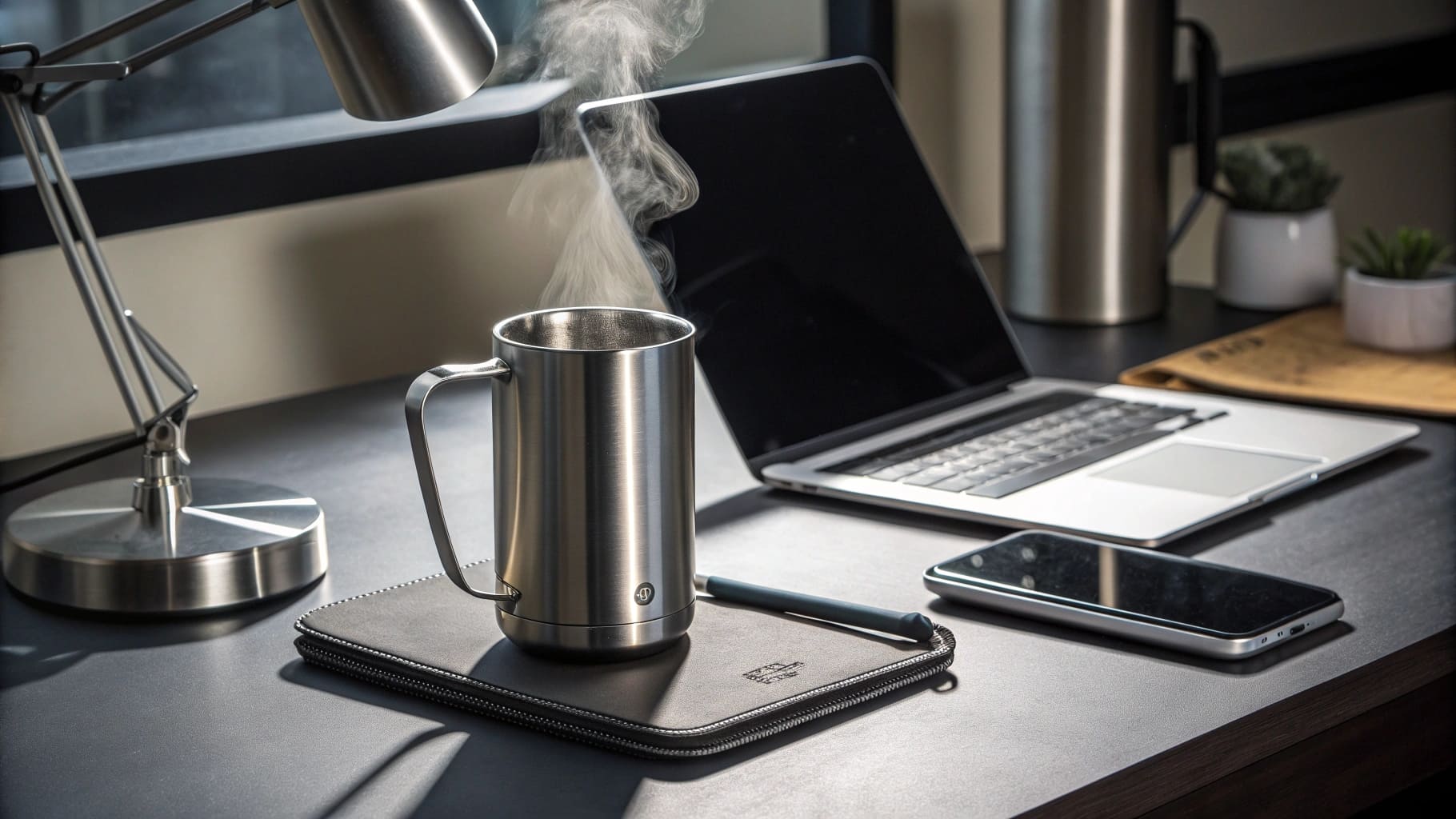
I have worked with stainless steel drinkware for years now. Every time a client asks about dishwasher safety, I know they worry about product durability and customer complaints. Let me walk you through what really matters when you source these products.
Are Steel Cups Dishwasher Safe?
Your customers expect convenience. They want to throw cups in the dishwasher after use. But steel cups behave differently based on their construction and materials.
Steel cups made from 304 stainless steel handle dishwasher cycles well. The chromium content above 18% creates a protective layer. This layer resists corrosion from hot water and detergent chemicals. But other factors affect safety beyond the steel grade.

Material Grade Determines Base Safety
I always start by checking the steel grade in any cup I consider sourcing. The grade tells me how the material responds to heat, moisture, and chemicals.
| Steel Grade | Chromium % | Nickel % | Dishwasher Performance |
|---|---|---|---|
| 304 (18/8) | 18-20% | 8-10% | Excellent resistance |
| 201 | 16-18% | 3.5-5.5% | Moderate, may corrode |
| 430 | 16-18% | 0% | Poor, rusts easily |
Food-grade 304 stainless steel contains enough chromium to form a stable oxide layer. This layer self-repairs when scratched. The nickel content adds extra corrosion resistance. I have tested cups made from 201 steel. They show rust spots after fifty dishwasher cycles. The 304 grade cups still look new after hundreds of washes.
The steel body itself survives dishwashers fine. But I need to look at the whole cup design. The handle attachment method matters just as much as the steel grade.
Handle Design Creates Complications
Handles attach to cup bodies in different ways. Each method has different dishwasher compatibility.
Welded handles on single-wall cups work great in dishwashers. The weld creates a permanent bond. No gaps exist for water to seep in. I see no issues with these designs.
Riveted handles on double-wall vacuum cups need more care. The rivets penetrate both walls. This breaks the vacuum seal slightly. Repeated hot water exposure can weaken this seal over time. The insulation performance drops. I always warn clients about this risk.
Glued or press-fit handles pose the biggest problem. High heat softens adhesives. The handle may loosen after multiple wash cycles. I avoid sourcing cups with glued handles for clients who want dishwasher-safe products.
How to Tell If a Cup Is Dishwasher Safe?
You open a shipment container. Thousands of cups sit before you. You need a quick way to verify dishwasher safety without testing each one.
Look for stamped markings on the cup bottom. Check the packaging for care symbols. Test a sample batch using standardized protocols. These three steps give you confidence before selling to customers.
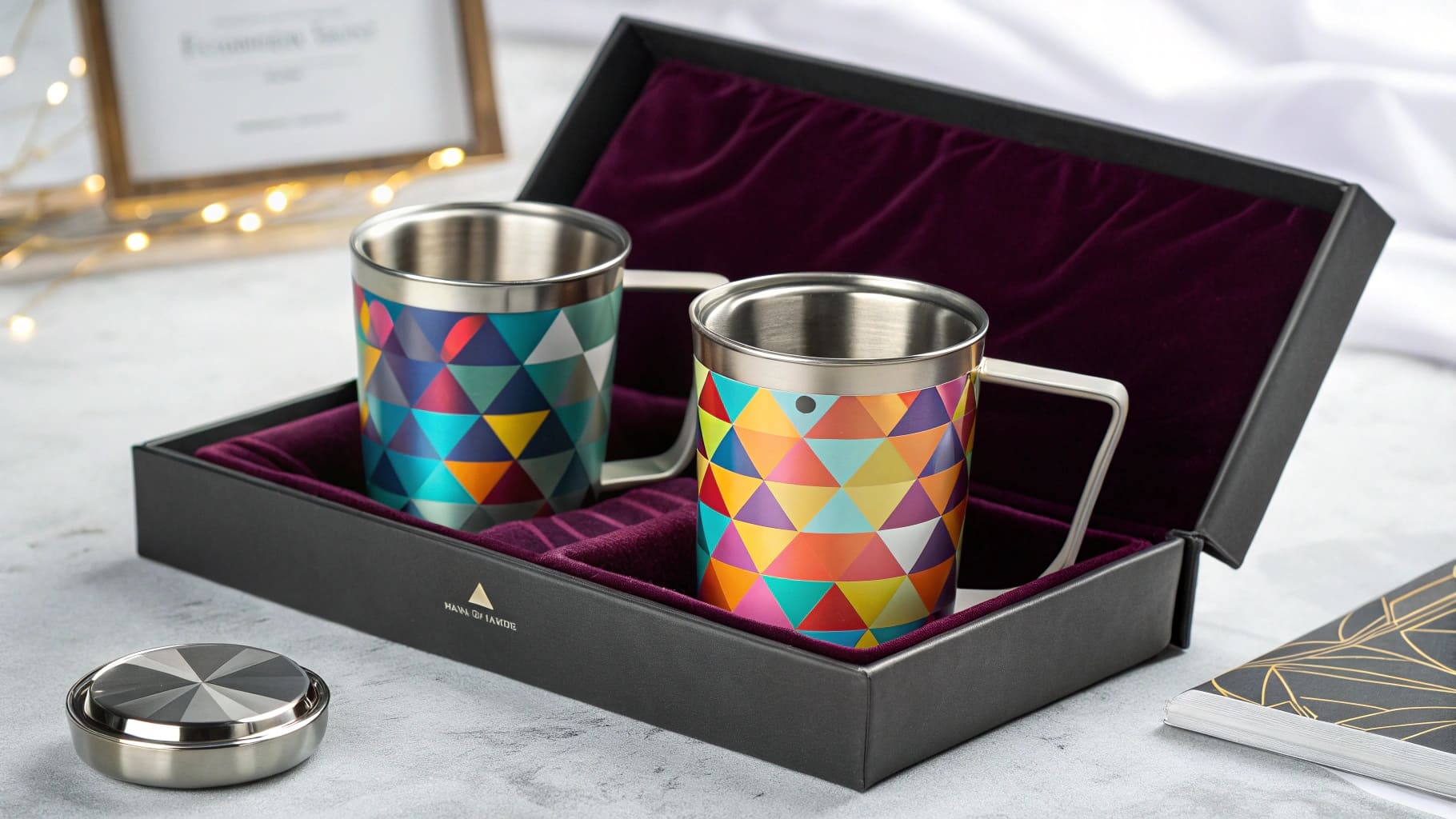
Read the Bottom Markings
I flip every sample cup over first. The bottom tells me most of what I need to know.
Legitimate manufacturers stamp key information on the cup base. I look for these specific marks:
- Steel grade marking like "304" or "18/8"
- Food safety certifications such as "FDA approved" or "LFGB"
- Dishwasher-safe symbol showing plates in a rack
- Country of origin and manufacturer code
The dishwasher-safe symbol looks like a small dishwasher with water droplets or plates. Some manufacturers use text instead. Words like "Top Rack Only" or "Dishwasher Safe" appear stamped or printed.
Missing markings raise red flags for me. A blank bottom suggests the manufacturer cuts corners. They may use cheaper materials or skip certification processes.
Check Packaging Labels
Packaging reveals information that cups cannot show. I always inspect boxes and instruction cards.
Quality suppliers print clear care instructions on packaging. These instructions specify:
- Maximum dishwasher temperature
- Recommended rack position
- Parts requiring hand wash
- Frequency limits for machine washing
I once sourced cups with powder-coated exteriors2. The box stated "hand wash only for colored finish." The steel body itself was dishwasher-safe. But the coating would fade in machines. This detail prevented customer complaints later.
Run Laboratory Tests
Markings and labels come from manufacturers. I verify claims through independent testing.
| Test Type | Purpose | Pass Criteria |
|---|---|---|
| Corrosion resistance | Check rust formation | No visible rust after 100 cycles |
| Handle strength | Verify attachment durability | No loosening or gaps |
| Coating adhesion | Test finish stability | Less than 5% coating loss |
| Temperature shock | Simulate dishwasher heat | No deformation or cracking |
I send samples to third-party labs before large orders. They run fifty to one hundred dishwasher cycles. Then they measure corrosion, coating loss, and structural changes. This data protects me from defective batches.
The test results also help me set accurate product descriptions. I can tell customers exactly what to expect. This transparency builds trust.
Why Is Stainless Steel Not Dishwasher Safe?
You hear conflicting advice online. Some sources say stainless steel cups belong in dishwashers. Others warn against machine washing. The confusion stems from incomplete information.
Pure stainless steel handles dishwashers well. Problems arise from surface treatments, multi-material designs3, and vacuum insulation features. These elements degrade faster than the steel itself when exposed to harsh washing conditions.
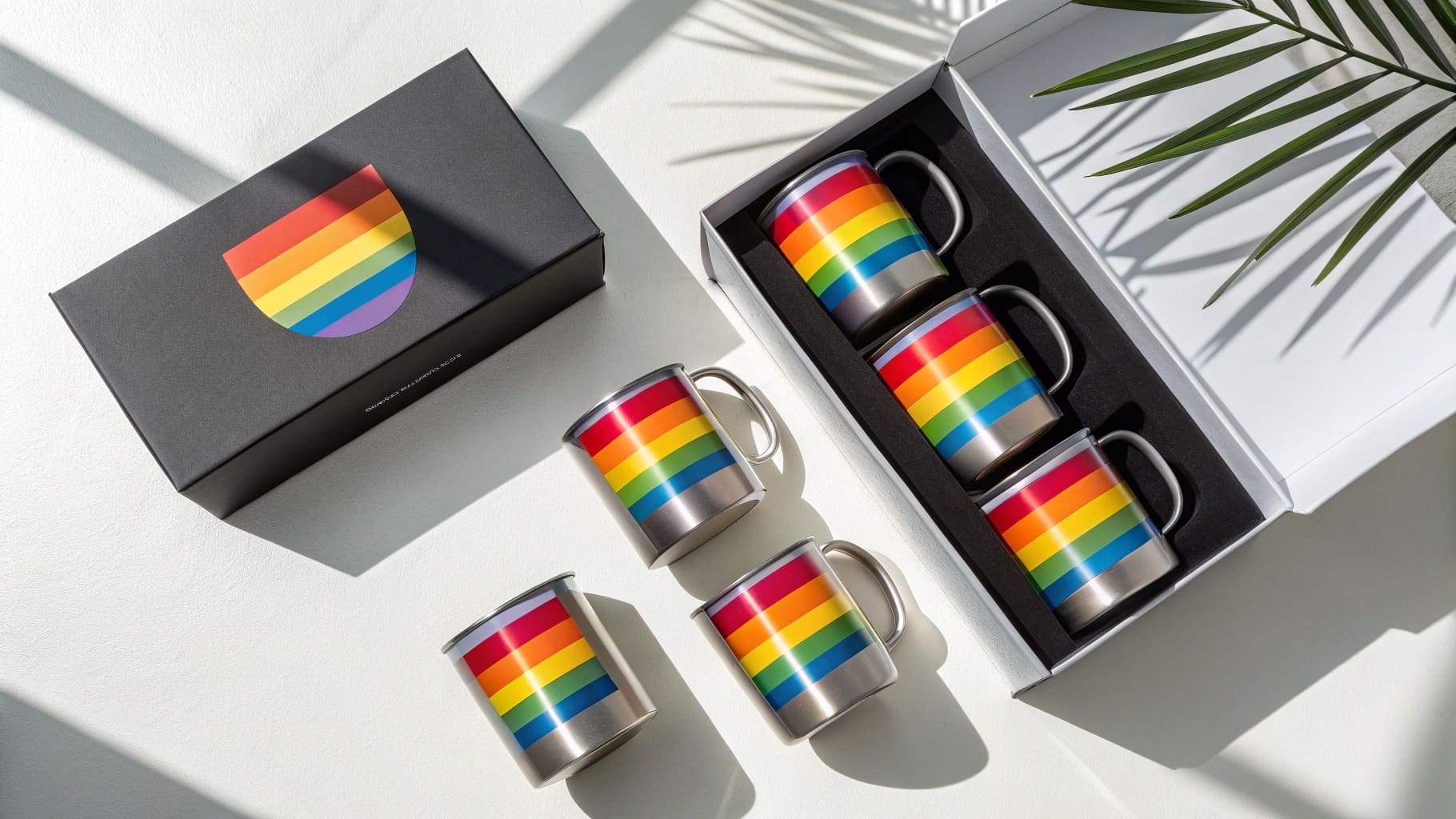
Surface Treatments React to Detergents
I have seen beautiful powder-coated cups lose their color after ten washes. The dishwasher detergent contains strong alkalis. These chemicals attack organic coatings.
Powder coating bonds to steel through electrostatic attraction and heat curing. The bond is strong but not chemical-proof. Dishwasher detergents contain enzymes that break down proteins and organic materials. They also include bleaches and phosphates. These compounds slowly erode the coating surface.
Spray paint finishes fare even worse. The paint layer sits on top of the steel. It lacks the deep bonding of powder coating. High-pressure water jets in dishwashers chip away at painted surfaces. After twenty cycles, I see noticeable fading and peeling.
Laser engraving and etching hold up better. These methods remove material rather than adding layers. The design becomes part of the steel surface. Dishwashers cannot wash away what does not exist as a separate layer.
Vacuum Insulation Requires Protection
Double-wall vacuum cups keep drinks hot or cold for hours. This insulation depends on maintaining a vacuum between two steel walls. Dishwashers threaten this vacuum in multiple ways.
The vacuum seal typically sits at the cup bottom or rim. Manufacturers use copper brazing or welding to create airtight seals. Repeated exposure to 60-70°C water and steam can stress these seals. The temperature cycling causes metal expansion and contraction. Over time, tiny gaps may form. Air seeps into the vacuum space. Insulation performance drops.
I once tested a batch of vacuum cups. I ran half through dishwashers and hand-washed the other half. After six months, the dishwasher group showed a 30% reduction in heat retention. The hand-washed group maintained 95% of original performance.
High-end manufacturers use better sealing techniques. They employ laser welding and multiple quality checks. These cups survive dishwashers longer. But I still recommend hand washing to maximize product lifespan.
Multi-Material Components Expand Differently
Handled cups rarely consist of steel alone. I see plastic lids, silicone seals, and rubber grips on most designs. Each material responds differently to dishwasher heat.
Metal expands and contracts at different rates than plastic or rubber. When a cup enters a hot dishwasher, the steel handle heats up quickly. The plastic lid heats more slowly. This creates stress at connection points.
Silicone gaskets in lids remain flexible up to 200°C. They handle dishwashers fine. But cheaper rubber seals harden after repeated heat exposure. The seal loses its flexibility. Leaks develop.
I always ask suppliers about the grade of all components. Food-grade silicone costs more than regular rubber. But it outlasts cheaper alternatives by years. This extra cost prevents warranty claims and negative reviews.
Conclusion
Handled stainless steel cups work in dishwashers when you choose the right materials and designs. I verify steel grades, test surface treatments, and check component compatibility. These steps ensure customer satisfaction and reduce returns.