
Worldwide Top 10 30oz tumbler specs and buying tactics for 2026
Your tumbler orders keep disappointing customers with poor insulation and leaks. You need reliable suppliers who deliver quality that builds your brand reputation. The right specifications prevent costly returns and negative reviews.
The best 30oz tumblers for 2026 use 304 or 316 grade stainless steel1 with double-wall vacuum insulation, leak-proof lids, and ergonomic designs. Smart buyers evaluate suppliers on manufacturing capabilities, certifications, and customization options rather than price alone.
I have worked with hundreds of tumbler suppliers over the years. The difference between successful orders and disasters often comes down to understanding the right specifications. Let me share what actually matters when you place your next bulk order.
How to choose the right tumbler?
Your customers will judge your brand by the tumbler quality you provide. Poor choices lead to damaged reputations and lost revenue. Getting the specifications right protects your investment.
Choose tumblers with 304 or 316 grade stainless steel, double-wall vacuum insulation2, and BPA-free materials. Verify the supplier holds ISO9001, FDA, and LFGB certifications. Test samples before committing to large orders.
The material foundation determines everything
I learned this lesson the hard way early in my career. A client ordered 10,000 units from a supplier offering prices 20% below market rate. The tumblers arrived with inferior steel that rusted within weeks. The client lost major retail accounts and never ordered from us again.
Stainless steel quality makes or breaks your product. The 304 grade offers excellent corrosion resistance for everyday use. The 316 grade adds molybdenum for superior resistance to saltwater and acidic beverages. Both grades work well for tumblers, but 316 costs more.
The double-wall vacuum insulation creates the temperature retention your customers expect. This construction method removes air between two steel walls. Without air molecules to transfer heat, beverages stay hot or cold for hours. Single-wall construction fails to deliver this performance.
| Material Feature | Why It Matters | What to Verify |
|---|---|---|
| Steel Grade | Prevents rust and staining | Request mill certificates |
| Wall Construction | Temperature retention | Test samples for 6+ hours |
| Food Safety | Legal compliance | Check FDA/LFGB certificates |
| BPA-Free Status | Health concerns | Require written confirmation |
The coating or powder finish protects the exterior surface. I prefer powder coating for durability and color options. Painted finishes chip easily with regular use. Ask suppliers for abrasion resistance test results before finalizing designs.
What are the best tumbler brands?
Brand reputation matters less than manufacturing capability when you source for resale. Many recognized brands outsource production to the same factories. Your focus should target the actual manufacturers.
Top manufacturers combine ISO9001 certification, in-house R&D teams, automated production lines, and flexible customization options. They update designs annually and maintain strict quality control systems3 throughout production.
Manufacturer capabilities versus brand names
I visit factories regularly to assess their real capabilities. The nameplate outside means nothing compared to what happens inside. Some factories display impressive certifications but lack basic quality control processes. Others operate sophisticated operations without marketing themselves.
Look for factories with dedicated R&D departments. These teams create innovative designs that help you differentiate in competitive markets. A manufacturer updating their product line annually shows commitment to staying current with market trends.
Automated production lines reduce human error and increase consistency. I watched one supplier hand-weld tumblers with inconsistent quality. Another used robotic welding stations producing uniform results. The price difference was minimal but the quality gap was enormous.
Quality control systems separate professional manufacturers from basic workshops. Professional facilities test every batch for insulation performance, leak resistance, and material safety. They maintain detailed records for traceability. Basic workshops skip these steps to save costs.
| Capability | What to Look For | Red Flags |
|---|---|---|
| Certifications | ISO9001, BSCI, SA8000 | Expired or missing documents |
| Production Capacity | 500,000+ units monthly | Cannot verify with factory tour |
| Customization | In-house laser engraving, printing | Outsourced customization only |
| Lead Times | 30-45 days standard | Vague timelines or constant delays |
The minimum order quantity reveals manufacturer confidence and efficiency. Factories requiring 10,000 unit minimums often lack flexible production systems. Modern manufacturers can handle orders starting at 1,000 units because their systems accommodate smaller batches efficiently.
What makes a good tumbler?
Good tumblers solve real problems for end users while lasting years without quality degradation. Features must be functional rather than decorative. Every design element should serve a practical purpose.
Effective tumblers combine leak-proof lids4, comfortable grips, temperature retention for 6+ hours, and materials that withstand daily dishwasher cycles. They fit standard cup holders and feel balanced when filled.
Functional design elements that increase sales
The lid design determines whether customers use your tumbler daily or leave it in a cabinet. I tested dozens of lid styles over the years. Sliding lids leak when bags tip over. Flip lids break after months of use. Screw-on lids with silicone gaskets provide the best seal but customers find them inconvenient.
The current winning design uses magnetic closure systems or push-button releases. These mechanisms stay sealed during transport but open easily with one hand. The straw hole should accommodate both standard and wide straws with a separate closure to prevent spills.
Temperature retention needs honest testing rather than marketing claims. I fill sample tumblers with ice water at 7 AM and check temperature at 7 PM. Good tumblers maintain ice for at least 12 hours. Hot beverages should stay above 140°F for 6 hours minimum.
The handle or grip area affects daily comfort significantly. Tumblers without handles work fine for office desks but frustrate travelers. Integrated handles add durability compared to attachable options. The grip surface should use powder coating or silicone rather than bare steel that becomes slippery when wet.
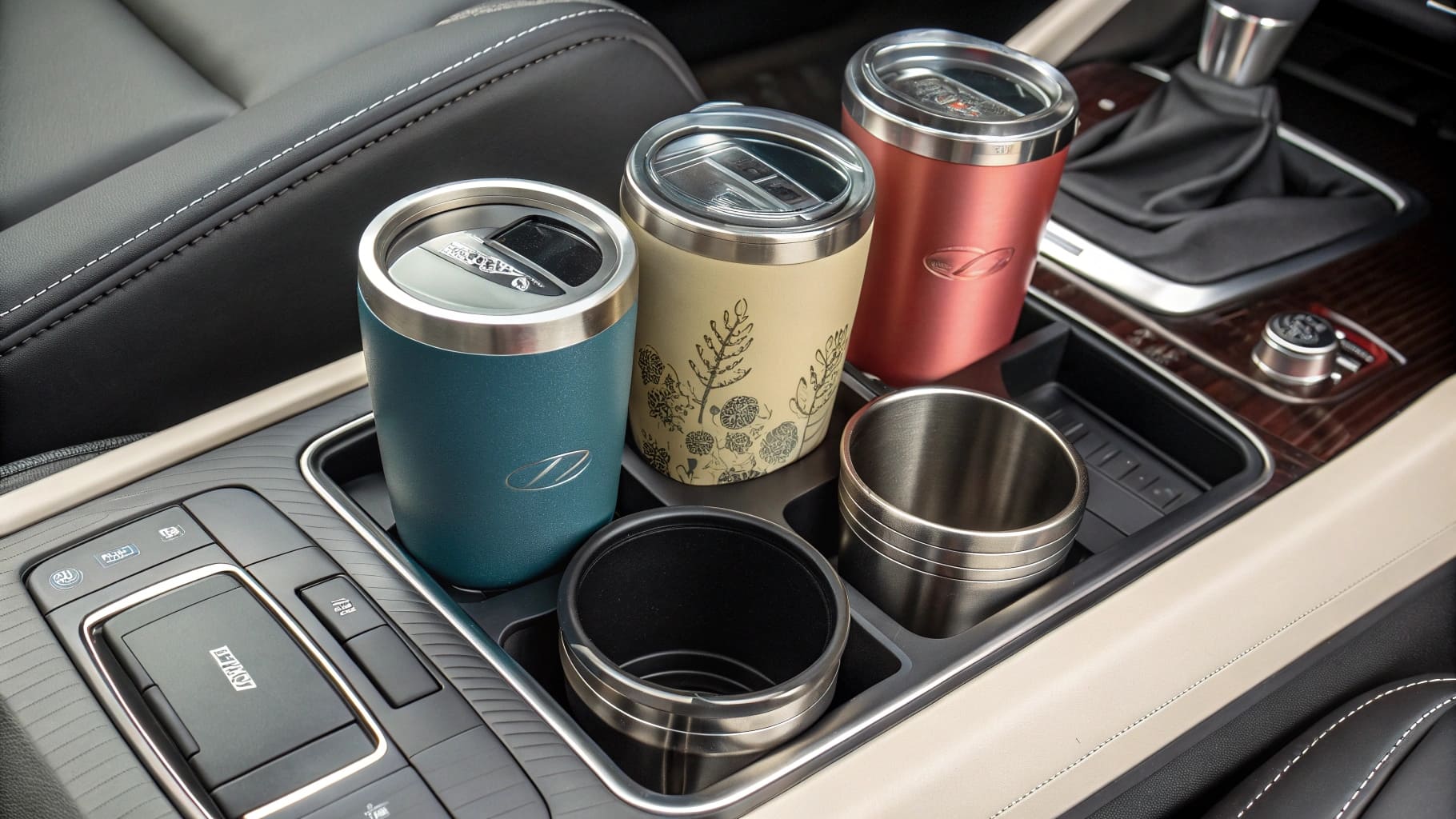
Cup holder compatibility seems obvious but many manufacturers ignore this specification. The base diameter must not exceed 3.5 inches to fit standard vehicle cup holders. Tapered bases work better than straight cylinders for stable placement.
| Feature | Specification | Testing Method |
|---|---|---|
| Insulation Duration | 12+ hours cold, 6+ hours hot | Ice test in controlled environment |
| Leak Resistance | Zero leakage at 45° angle | Tilt test with colored water |
| Dishwasher Safety | 50+ cycles without degradation | Accelerated aging test |
| Drop Resistance | Survive 5-foot concrete drop | Field testing protocol |
The weight balance when filled affects user experience daily. A 30oz tumbler holds approximately 900ml of liquid. This weighs roughly 2 pounds when full. The center of gravity should sit below the midpoint for stability. Top-heavy designs tip easily and feel awkward to carry.
Strategic procurement tactics for 2026 orders
I negotiate with suppliers weekly and see common mistakes buyers make repeatedly. Price obsession destroys more orders than any other factor. The cheapest quote usually signals corners cut somewhere in production.
Request detailed specifications in writing before sending deposits. Verbal promises mean nothing when quality issues appear. I learned this after a supplier verbally guaranteed FDA certification but delivered products without proper documentation.
Sample testing reveals more than any factory audit. Order samples from multiple suppliers and conduct identical tests on each. Fill them with hot coffee and ice water simultaneously. Check after 6 hours and 12 hours. The performance difference will surprise you.
Payment terms protect both parties when structured properly. Never pay 100% upfront regardless of supplier pressure. Standard terms of 30% deposit and 70% before shipment balance risk appropriately. Established suppliers may offer better terms after you build history together.
Production timelines need buffer time built in. Suppliers quote 30 days but delays happen frequently. Plan for 45 days from deposit to shipment arrival. This buffer prevents missing your selling season when inevitable delays occur.
Certification verification prevents legal problems later. Some suppliers show fraudulent certificates or expired documents. Contact the certification bodies directly to verify authenticity. This extra step takes one day but prevents disasters.
Communication efficiency reveals supplier professionalism immediately. Professional manufacturers respond within 24 hours with specific answers. They provide technical specifications without hesitation. Poor communicators signal operational problems before production even starts.
Conclusion
Quality specifications and supplier capabilities determine your tumbler business success more than pricing strategies. Focus on verified certifications, tested performance, and manufacturing flexibility for 2026 procurement.
-
Understanding the differences in steel grades can help you choose the best quality tumblers for your needs. ↩
-
Learn about the technology behind insulation to ensure your beverages stay at the right temperature. ↩
-
Understanding quality control can help you select manufacturers that prioritize product integrity. ↩
-
Discover the design elements that ensure your tumbler lids prevent spills and enhance user experience. ↩
