
How to choose an insulated bottle with straw: threads, flow, and seal tests?
You browse supplier catalogs and see dozens of insulated bottles with straws. They look similar. How do you pick the right one? Wrong choices mean customer complaints and lost profits.
The best insulated bottle with straw has three key features. It needs proper thread design1 for leak prevention. It requires adequate flow rate for user comfort. It must pass seal tests at all angles. These factors determine product quality and customer satisfaction.

I learned this lesson the hard way. Five years ago, I shipped 5,000 bottles to a distributor in Toronto. Two weeks later, he called me. Half the bottles leaked from the straw connection. I lost that client and $15,000. Now I test every batch before shipping.
What is the most durable insulated bottle?
You need bottles that survive daily use. Your customers drop them. They throw them in backpacks. They want products that last years, not months.
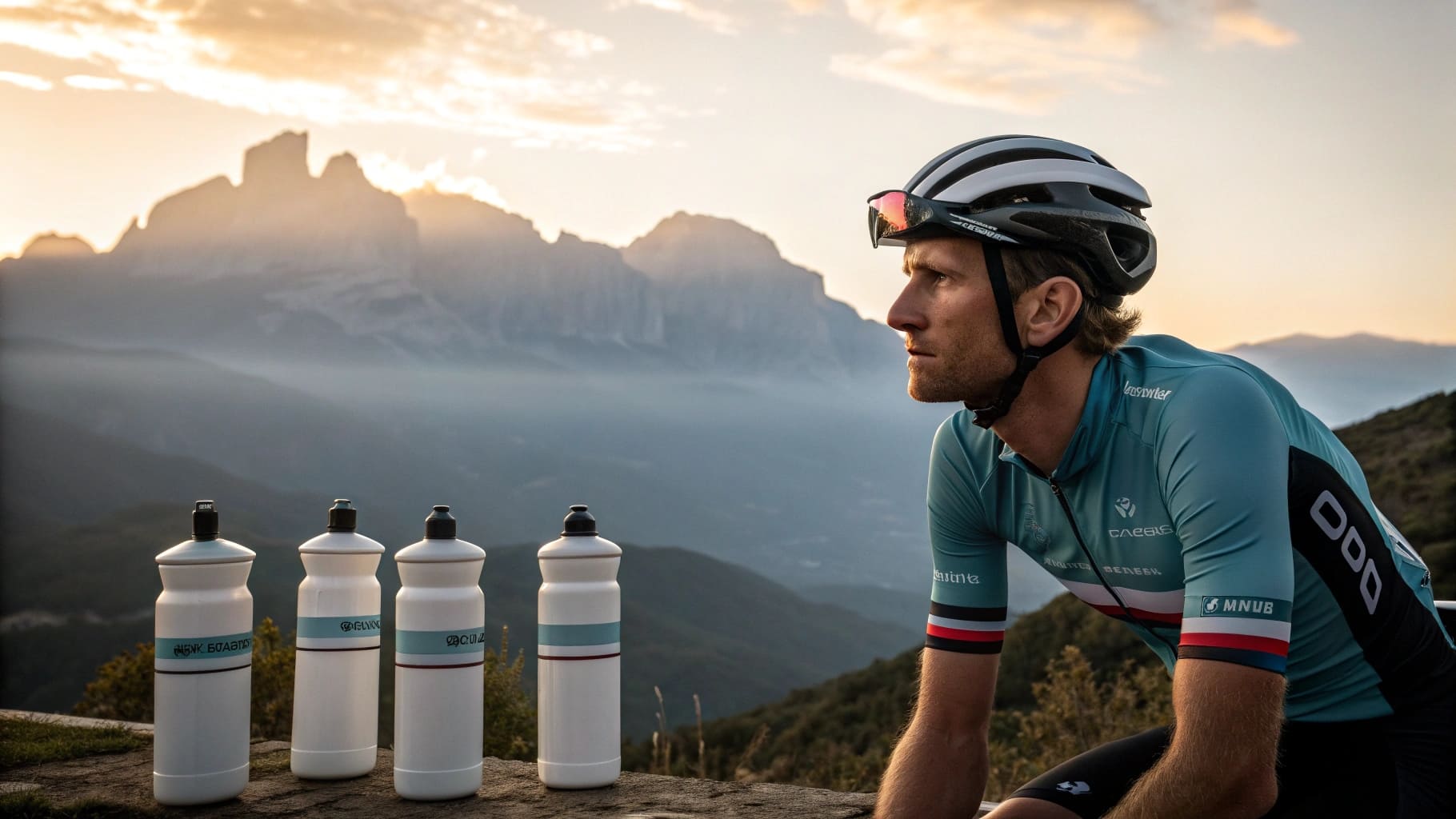
The most durable insulated bottle uses 304 food-grade stainless steel with reinforced sealing systems. It features protective exterior coatings and non-slip bases. Quality construction combines these elements to ensure long-term performance.
Material quality forms the foundation
Material choice determines product lifespan. I work with 304 food-grade stainless steel2 for most orders. This material resists bacteria growth. It handles temperature changes without warping. It stops corrosion from acidic drinks like coffee or juice.
Some clients ask for premium options. I offer 316 stainless steel for high-end product lines. This grade costs 30% more than 304. It provides superior corrosion resistance. Aerospace companies use it. Food processing plants rely on it. Your premium customers will notice the difference.
Construction features matter more than you think
Sealing mechanisms need attention. I use food-grade silicone for all seals. Cheap silicone fails within months. Premium silicone lasts years. The seal must work at every angle. I test bottles upside down for 24 hours. No leaks pass inspection.
The base needs protection too. I add non-slip silicone bottoms to all bottles. This prevents tipping. It stops scratches on customer tables. Small details build brand reputation.
| Durability Factor | Standard Grade | Premium Grade |
|---|---|---|
| Steel Type | 304 Stainless | 316 Stainless |
| Seal Material | Food-Grade Silicone | Medical-Grade Silicone |
| Base Protection | Basic Silicone | Reinforced Silicone |
| Surface Treatment | Powder Coating | Multi-Layer Paint |
| Expected Lifespan | 3-5 years | 5-8 years |
How do you know if a bottle is well-insulated?
Temperature retention drives customer satisfaction. Poor insulation means cold drinks warm up fast. Hot coffee gets lukewarm. Customers return products and damage your reputation.
A well-insulated bottle maintains temperature for 12 hours using double-wall vacuum technology3. The vacuum layer prevents heat transfer. Quality bottles show no external condensation. Test reports verify performance before purchase.

Vacuum technology separates good from bad
Double-wall construction creates the insulation space. The inner wall touches your beverage. The outer wall stays at room temperature. The vacuum between them blocks heat movement. Air cannot transfer temperature through a vacuum.
I test every production batch in my facility. We fill bottles with water at 95°C. After 12 hours, temperature must stay above 60°C. We repeat tests with ice water. Temperature must stay below 10°C after 12 hours. Batches that fail get rejected.
Visual indicators tell you quality level
Good insulation shows itself clearly. The outer surface stays dry. No water droplets form on the exterior. This means the vacuum seal works properly. Bad bottles sweat like a cold can on a hot day.
Check the bottle weight too. Proper double-wall construction adds weight. A bottle that feels too light probably has thin walls. Thin walls mean poor insulation. I calculate optimal wall thickness for each size. This ensures both insulation and durability.
Testing equipment provides certainty
Professional suppliers own temperature testing chambers. These machines monitor temperature over 24 hours. They generate reports with precise data. I send these reports to all B2B clients before shipment.
Ask your supplier for vacuum testing reports. Real manufacturers have this equipment. They test regularly. They document results. No testing equipment means no quality control.
| Insulation Test | Target Result | Test Duration |
|---|---|---|
| Hot Water (95°C) | Above 60°C | 12 hours |
| Cold Water (4°C) | Below 10°C | 12 hours |
| External Condensation | None | 6 hours |
| Vacuum Integrity | <0.1 Pa | Continuous |
Should I use 304 or 316 stainless steel?
Material costs affect your profit margins. You want quality products at competitive prices. The steel grade determines both quality and cost.
Choose 304 stainless steel for standard product lines. It meets all food safety standards at reasonable cost. Select 316 stainless steel only for premium markets or special applications requiring maximum corrosion resistance.
Understanding the technical differences
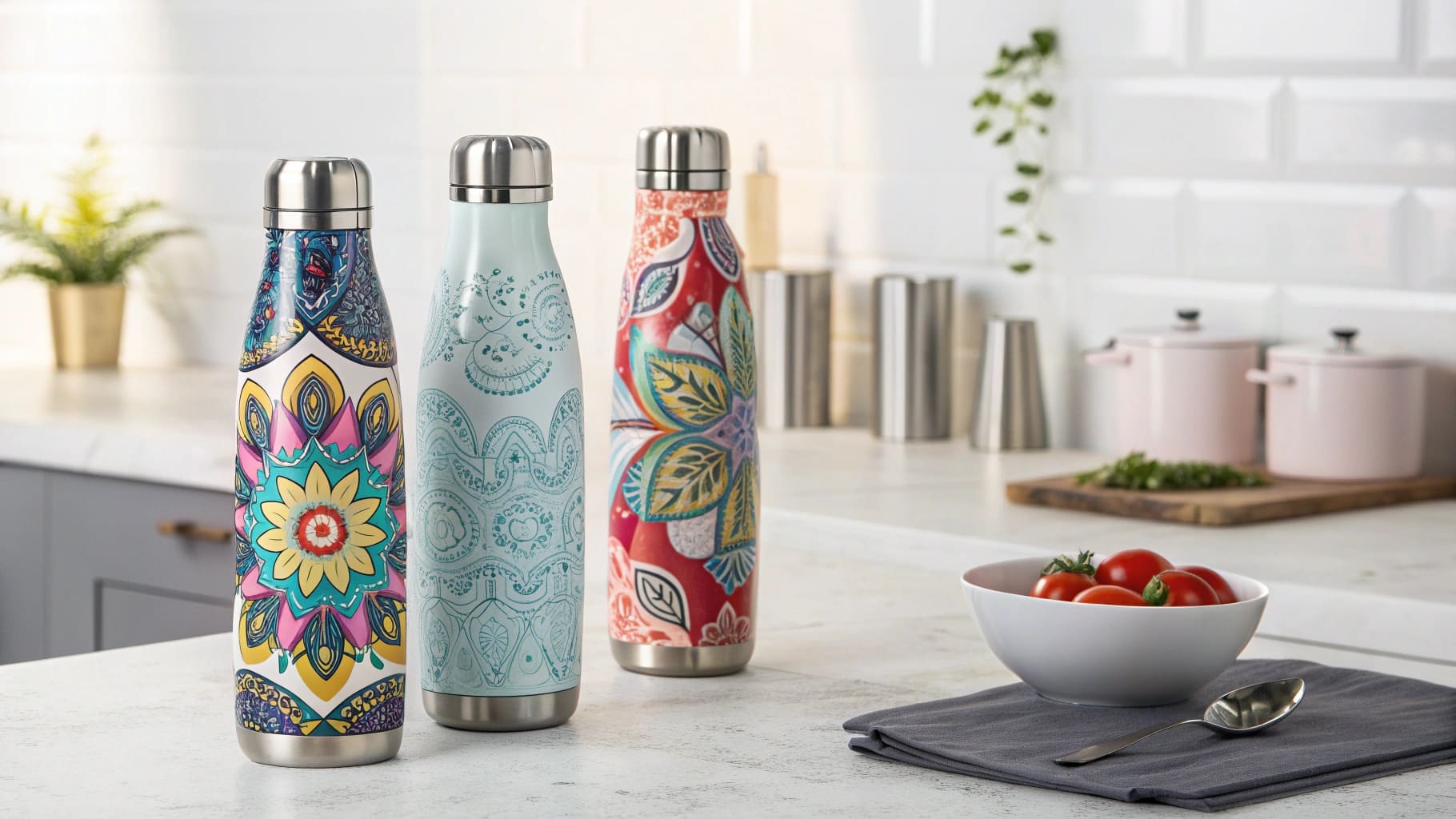
Both materials belong to the austenitic stainless steel family. They resist corrosion well. They meet food safety requirements. The difference lies in composition and performance level.
304 stainless steel contains 18% chromium and 8% nickel. The industry calls it 18/8 stainless steel. This composition provides excellent acid resistance. It handles daily use with various beverages. It costs less than 316 while delivering reliable performance.
316 stainless steel adds molybdenum to the mix. This element increases corrosion resistance significantly. The material costs more to produce. Suppliers charge premium prices. Most customers cannot tell the difference in daily use.
Making the business decision
I recommend 304 for 90% of water bottle orders. Your customers get food-safe products. You maintain healthy profit margins. The material performs well for years of normal use.
Consider 316 for specific situations. Marine environments need extra corrosion protection. Medical applications require maximum purity. Premium branding sometimes justifies the cost. Calculate whether your target market will pay the price difference.
Cost comparison matters for B2B
Material costs directly impact your bottom line. I track steel prices monthly. 304 steel costs about $2,800 per ton. 316 steel costs $3,800 per ton. This 35% price difference carries through to finished products.
A 750ml bottle in 304 steel costs $4.20 at 5,000 units. The same bottle in 316 steel costs $5.60. Your margin shrinks unless you can charge premium retail prices. Know your market before selecting materials.
| Steel Grade | Chromium % | Nickel % | Cost per Ton | Best Use Case |
|---|---|---|---|---|
| 304 | 18% | 8% | $2,800 | Standard products |
| 316 | 16-18% | 10-14% | $3,800 | Premium/Marine |
Conclusion
Choose insulated bottles with proper thread design, adequate flow rate, and proven seal tests. Material quality and vacuum insulation determine durability and performance for your customers.