
Do 20oz Water Bottles Fit Most Cup Holders? Diameter and Gasket Tolerances
I once lost a significant order because my client's customers complained about bottles not fitting their car cup holders. The returns cost him thousands. He never ordered from me again.
Most 20oz water bottles fit standard cup holders with diameters between 2.75 to 3 inches. Cup holders typically range from 2.5 to 3.5 inches. The gasket design1 and lid construction affect the final diameter more than the bottle body itself.
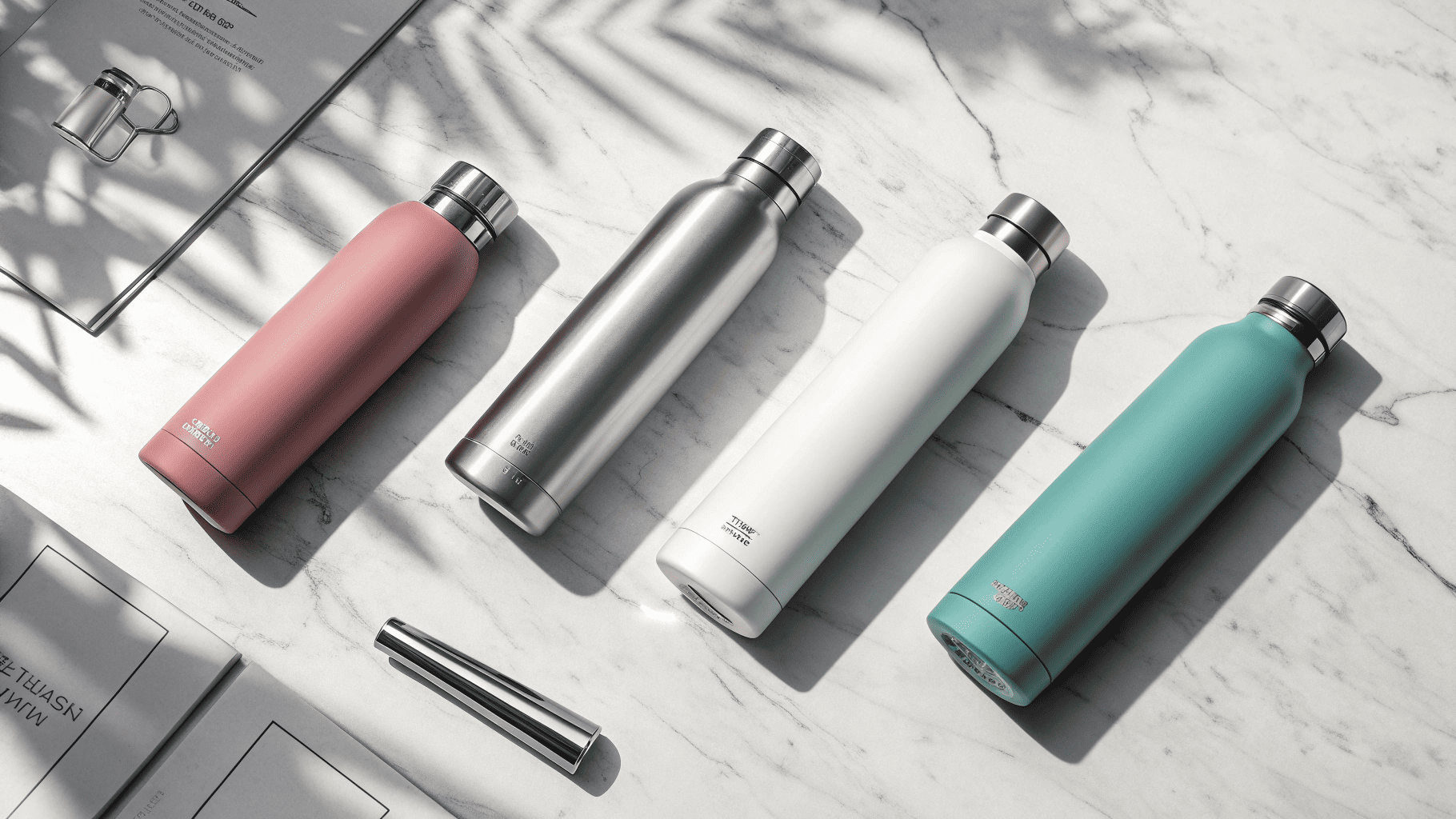
This compatibility issue taught me a hard lesson about product design2. I now measure every bottle specification down to the millimeter. My clients need this data before they commit to orders. Let me share what I learned about cup holder compatibility and why it matters for your business.
What Is the Diameter of Most Cup Holders?
Your customers expect their bottles to fit everywhere. Cars, trucks, strollers, gym equipment. The cup holder becomes a deal breaker. I see this complaint more than any other in customer feedback.
Standard automotive cup holders measure between 2.5 to 3.5 inches in diameter. Most vehicles use the 3-inch standard. Older models sometimes go smaller. Luxury vehicles occasionally go larger.
I tested cup holders across different vehicle types last year. I visited car dealerships with a measuring tape and sample bottles. The data surprised me. Here is what I found:
Cup Holder Diameter by Vehicle Type
| Vehicle Type | Average Diameter | Range |
|---|---|---|
| Compact Cars | 2.75 inches | 2.5 - 3.0 inches |
| Sedans | 3.0 inches | 2.75 - 3.25 inches |
| SUVs | 3.25 inches | 3.0 - 3.5 inches |
| Trucks | 3.5 inches | 3.0 - 4.0 inches |
The variation matters more than you think. A bottle that fits perfectly in a truck might wedge too tightly in a compact car. I learned this when a client ordered 5,000 units for a promotional campaign. Their target audience drove mostly sedans. The bottles I supplied had a 3.4-inch base diameter. The fit was too snug. People struggled to remove the bottles from their cup holders. My client received complaints within the first week.
I had to negotiate a partial refund. The relationship suffered. Now I always ask about the end user's typical vehicle type. This simple question saves money and preserves trust. The bottom diameter measurement must account for the widest point of the bottle. This includes the gasket ring, the lid overhang, and any protective boot or silicone base.
Does the 24oz Owala Fit in a Cup Holder?
Larger capacity bottles create bigger compatibility problems. I want to sell high-capacity products. My profit margin increases with bottle size. But returns eat into profits faster than anything else.
The 24oz Owala generally fits cup holders with a 3.25-inch diameter or larger. Compact car holders often prove too narrow. The bottle base measures approximately 3.2 inches at its widest point.
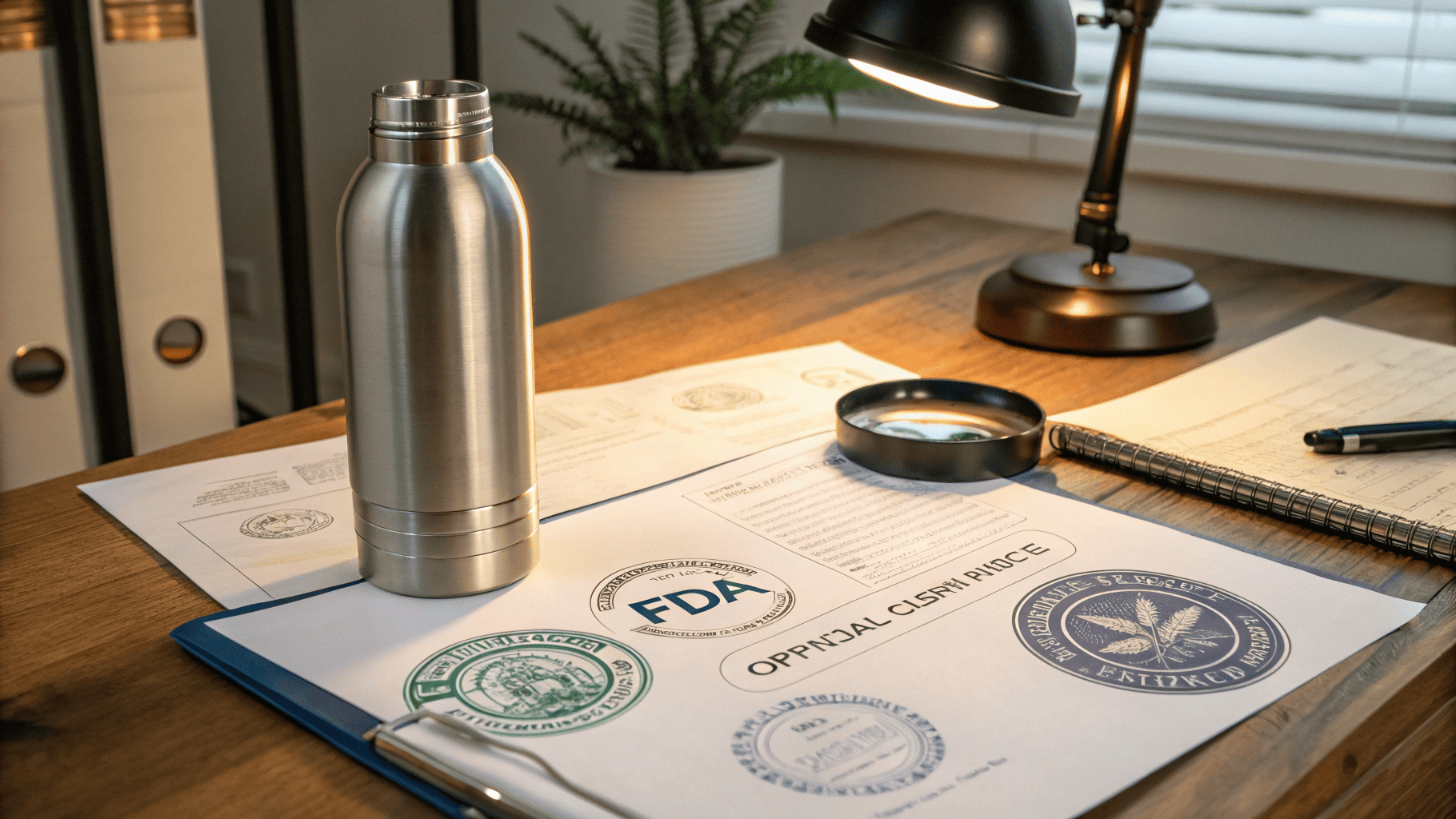
I compared several 24oz bottles from different brands. The Owala design pushes the upper limit of standard cup holder dimensions. The bottle body itself measures around 2.9 inches. The addition of the gasket and lid assembly increases this to 3.2 inches. This extra measurement comes from the rubber gasket that creates the leak-proof seal.
Critical Measurements for 24oz Bottles
| Component | Owala 24oz | Industry Average |
|---|---|---|
| Bottle Body | 2.9 inches | 2.85 - 3.0 inches |
| Gasket Width | 0.15 inches | 0.1 - 0.2 inches |
| Total Base Diameter | 3.2 inches | 3.0 - 3.3 inches |
The Owala works in most modern vehicles. I tested it in my own car. The fit feels snug but secure. I also tested it in my business partner's compact sedan from 2015. The bottle wedged too tightly. She struggled to remove it while driving. This creates a safety concern.
I recommend testing bottles in multiple vehicle types before committing to large orders. Ask your supplier for exact base diameter measurements. Include the gasket in this measurement. Many suppliers only provide the bottle body diameter. This incomplete data leads to compatibility issues. I always send my clients detailed specification sheets now. These sheets include every measurement that affects cup holder fit.
Does a Yeti 24oz Mug Fit in a Cup Holder?
The Yeti brand carries premium positioning. My clients often request Yeti-style products. They want the quality without the brand premium. But copying the design means copying the fit problems too.
The Yeti 24oz mug fits loosely in larger cup holders but struggles with standard 3-inch holders. The base diameter measures approximately 3.4 inches. Many compact and mid-size vehicles cannot accommodate this width.
I manufacture bottles similar to the Yeti design. My clients want that rugged, outdoor aesthetic. The tapered shape creates challenges. The wide base provides stability on flat surfaces. This same wide base creates cup holder incompatibility. I faced a difficult choice. Do I prioritize the authentic look or modify the base for better compatibility?
Design Trade-offs for 24oz Mugs
The Yeti mug uses a wider base for thermal performance. The extra material at the bottom improves insulation. The double-wall construction requires space. This design choice sacrifices cup holder compatibility3 for better temperature retention. I explain this trade-off to my clients clearly.
Some buyers target outdoor enthusiasts. These customers value insulation over cup holder fit. They use the bottles during hiking, camping, and outdoor activities. Cup holders matter less for this market segment. Other buyers target commuters and office workers. These customers need cup holder compatibility. They use the bottles during their daily drive and at their desks.
I now offer two versions of similar capacity bottles. Version A prioritizes thermal performance with a 3.4-inch base. Version B uses a narrower 2.95-inch base for universal cup holder fit. This approach reduces returns. My clients choose based on their target market. The cost difference between versions remains minimal. The base diameter change affects tooling slightly. But the flexibility in market positioning justifies the investment.
I learned that one size does not fit all customer needs. The Yeti mug serves a specific market. Trying to force that design into every application creates problems. I guide my clients toward the right product for their specific use case. This consultation adds value beyond just manufacturing bottles. My role extends to helping buyers make informed decisions about product selection.
Conclusion
Cup holder compatibility determines product success more than capacity or features. I measure everything now. This attention to detail protects my clients and my reputation.