
What is a Metal Water Bottle, and Which Markets Prefer 750ml in B2B Now?
You see metal bottles everywhere now. Your clients ask about them. You wonder which size actually sells. The 750ml capacity creates confusion for many B2B buyers1.
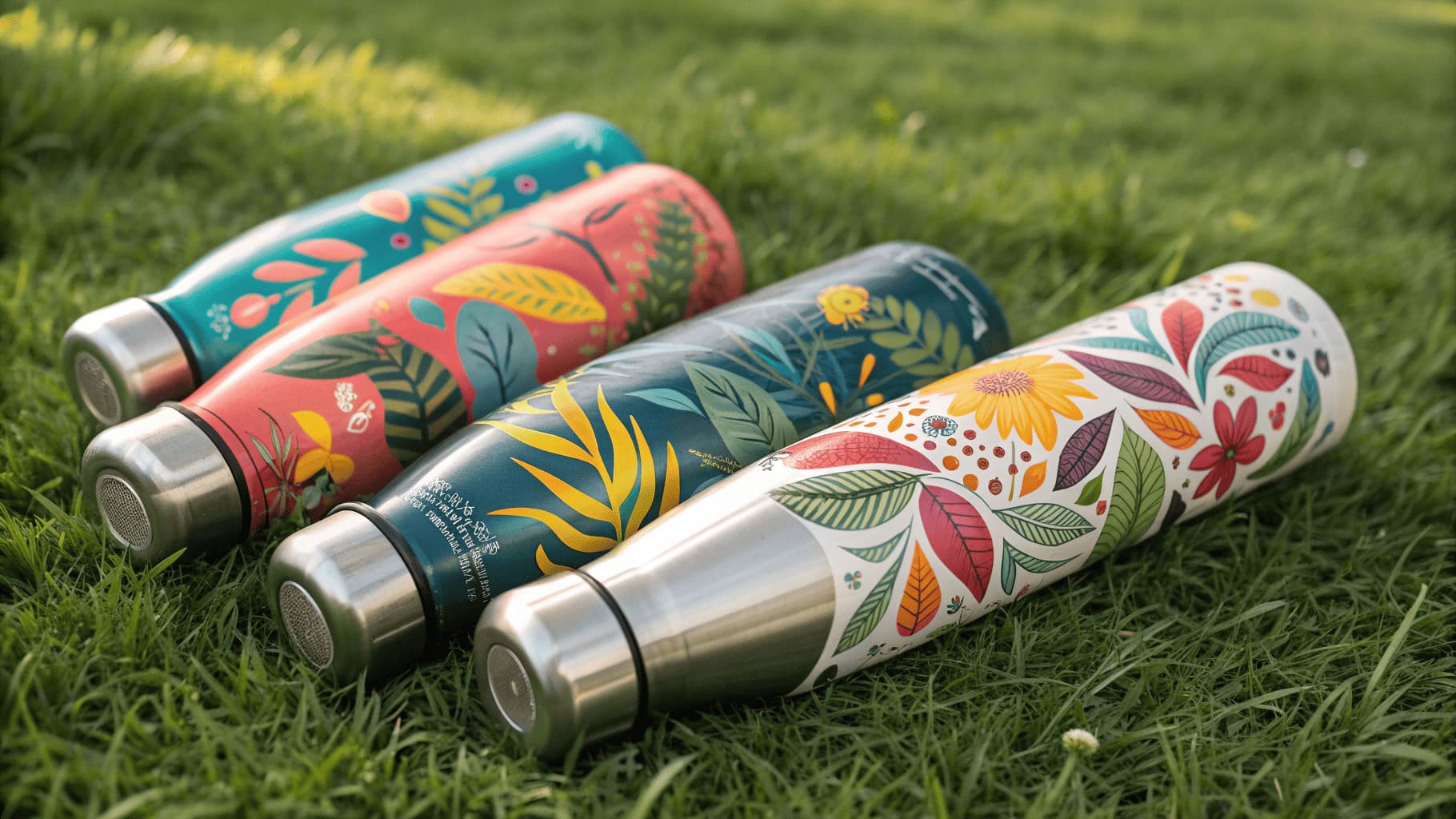
A metal water bottle is a reusable drinking vessel made from stainless steel, aluminum, titanium, or copper. The 750ml size performs well in European and North American B2B markets because it matches workplace hydration needs and corporate wellness programs.
I work with buyers from different countries every day at Icobottle. Mark from Canada recently told me he struggled to pick the right capacity for his distribution business. He wanted to know why 750ml bottles worked better in some markets than others. This question comes up often in my conversations with procurement officers and brand owners.
What is the Best Metal Water Bottle?
You pick a supplier. You place an order. Then you discover the material corrodes after three months. Poor metal choices damage your reputation and waste your money.
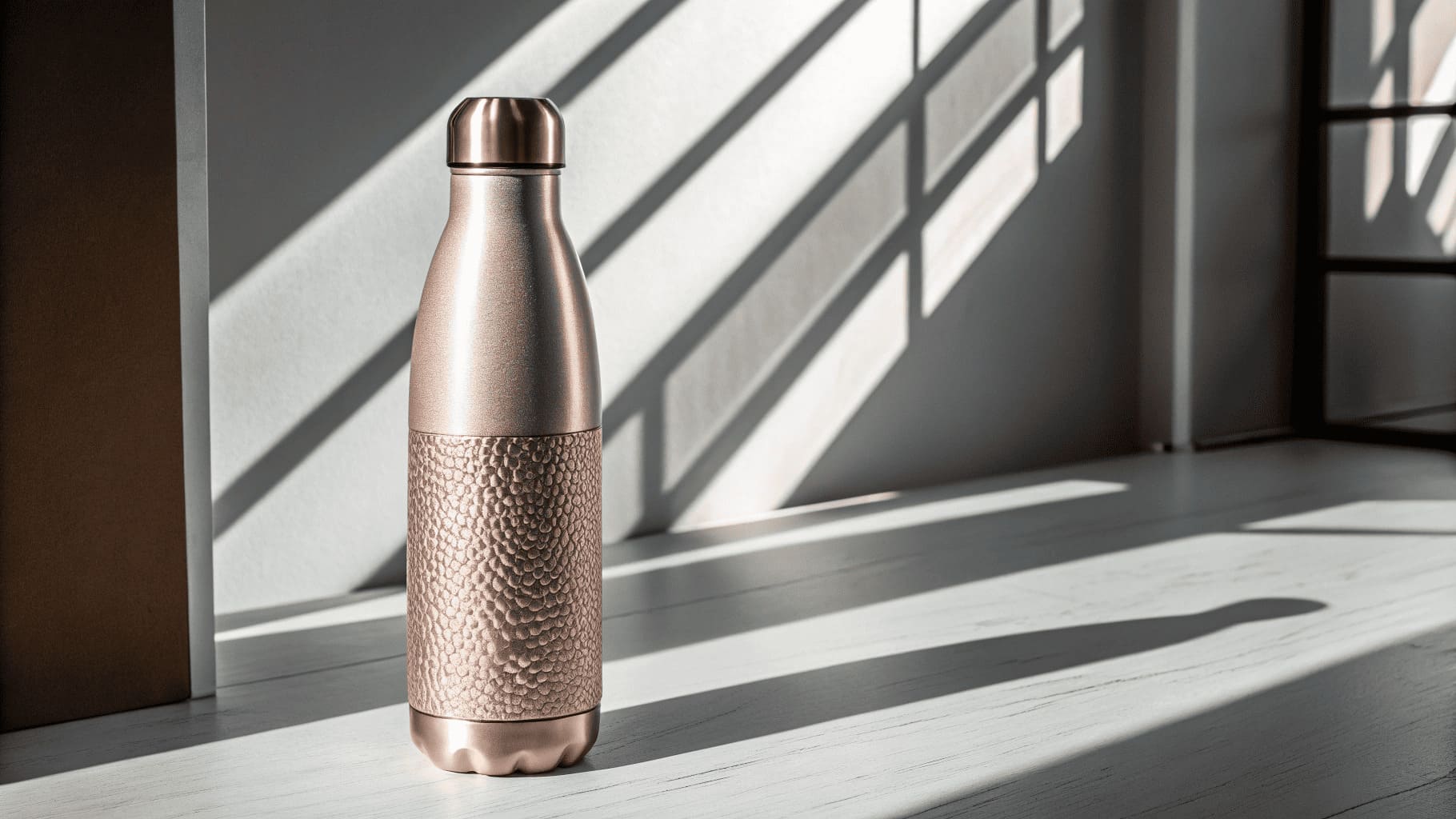
The best metal water bottle uses food-grade stainless steel2, specifically SS304 (18/8 stainless steel). This material provides tensile strength, corrosion resistance, and formability. SS316 serves as the premium medical-grade option for specialized applications.
Understanding Metal Grades in Water Bottles
I manufacture thousands of stainless steel water bottles each month. The metal grade determines everything about product performance. SS304 stainless steel contains 18% chromium and 8% nickel. This composition creates the industry standard for drinkware. The chromium forms a protective layer against rust. The nickel adds strength and improves the surface finish.
SS316 stainless steel takes this further. It contains 18% chromium and 10% nickel, plus 2-3% molybdenum. The molybdenum increases resistance to chlorides and acids. I recommend SS316 only when clients need bottles for coastal environments or medical facilities. Most B2B buyers choose SS304 because it balances performance with cost.
The inner wall material matters more than the outer wall. I always use SS304 for the inner wall. The outer wall can use SS201 or SS304 depending on budget. Some suppliers cut corners by using SS201 for inner walls. This practice risks corrosion and metallic taste in beverages. I refuse to compromise on this point, even when clients pressure me on price.
| Metal Grade | Chromium | Nickel | Molybdenum | Best Use Case | Price Point |
|---|---|---|---|---|---|
| SS304 | 18% | 8% | 0% | Standard drinkware | Medium |
| SS316 | 18% | 10% | 2-3% | Medical/Marine use | High |
| SS201 | 17% | 4.5% | 0% | Outer walls only | Low |
What is a Popular Water Bottle Right Now?
Fashion changes fast. Your inventory sits unsold. You miss the trend your competitors caught. Understanding current preferences separates successful distributors from struggling ones.
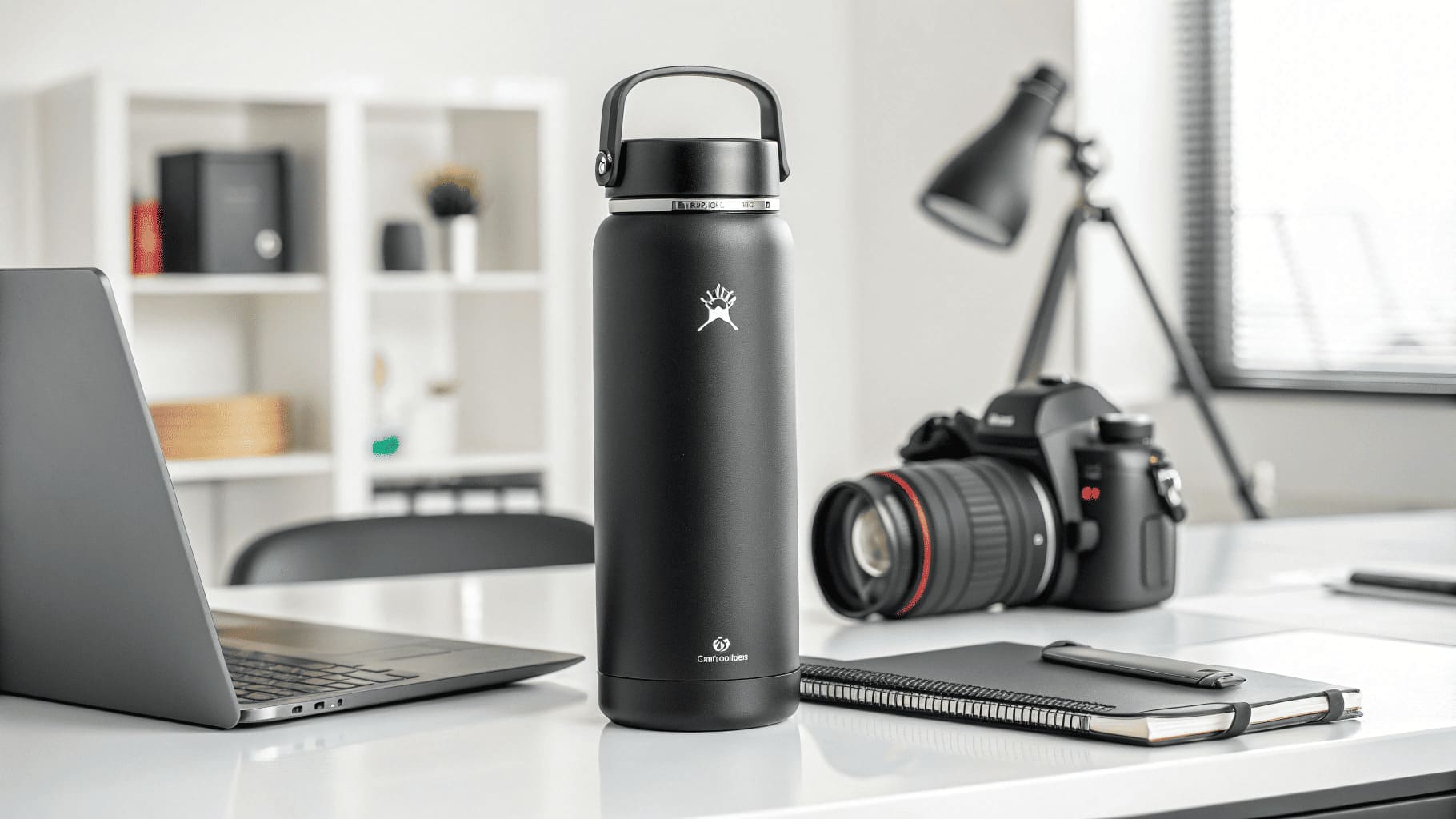
Popular water bottles now feature vacuum-insulated double-wall construction3 with versatile lid options. Buyers want spout lids, straw lids, and crown lids. Capacities range from 12oz kids' bottles to 64oz half-gallon formats based on user needs.
Current B2B Market Trends
I see clear patterns in purchase orders from my B2B clients. Double-wall vacuum insulation appears in 80% of orders now. Single-wall bottles mostly go to budget-conscious buyers or promotional campaigns with tight margins. The vacuum layer keeps drinks cold for 24 hours or hot for 12 hours. End-users expect this feature as standard.
Lid variety drives purchasing decisions more than bottle design. I offer five lid types: spout lids for easy drinking, straw lids for hands-free sipping, crown lids for wine-style bottles, flip lids for sport activities, and handle lids for outdoor use. Mark orders 40% spout lids, 30% straw lids, and 30% crown lids for his Canadian market. European buyers prefer spout lids at 50% of their mix.
Powder coating dominates color customization requests. I apply powder coating to 70% of my production runs. The coating provides scratch resistance and grip texture. Clients choose matte finishes over glossy ones at a 3:1 ratio now. Pantone color matching costs more but creates brand consistency. Some buyers skip custom colors entirely and order standard white, black, or silver to reduce lead times.
Size diversity matters for different user groups. Kids' bottles at 12oz (350ml) sell through schools and family-focused brands. Adult office bottles at 17oz (500ml) fit cup holders and desk spaces. Gym bottles at 25oz (750ml) match workout hydration needs. Outdoor bottles at 32oz (1000ml) serve hikers and campers. Half-gallon bottles at 64oz (2000ml) target serious athletes.
Which Metal is Best for a Drinking Water Bottle?
You research options. Suppliers claim their metal performs best. Conflicting information overwhelms you. Your choice affects product safety and customer satisfaction for years.
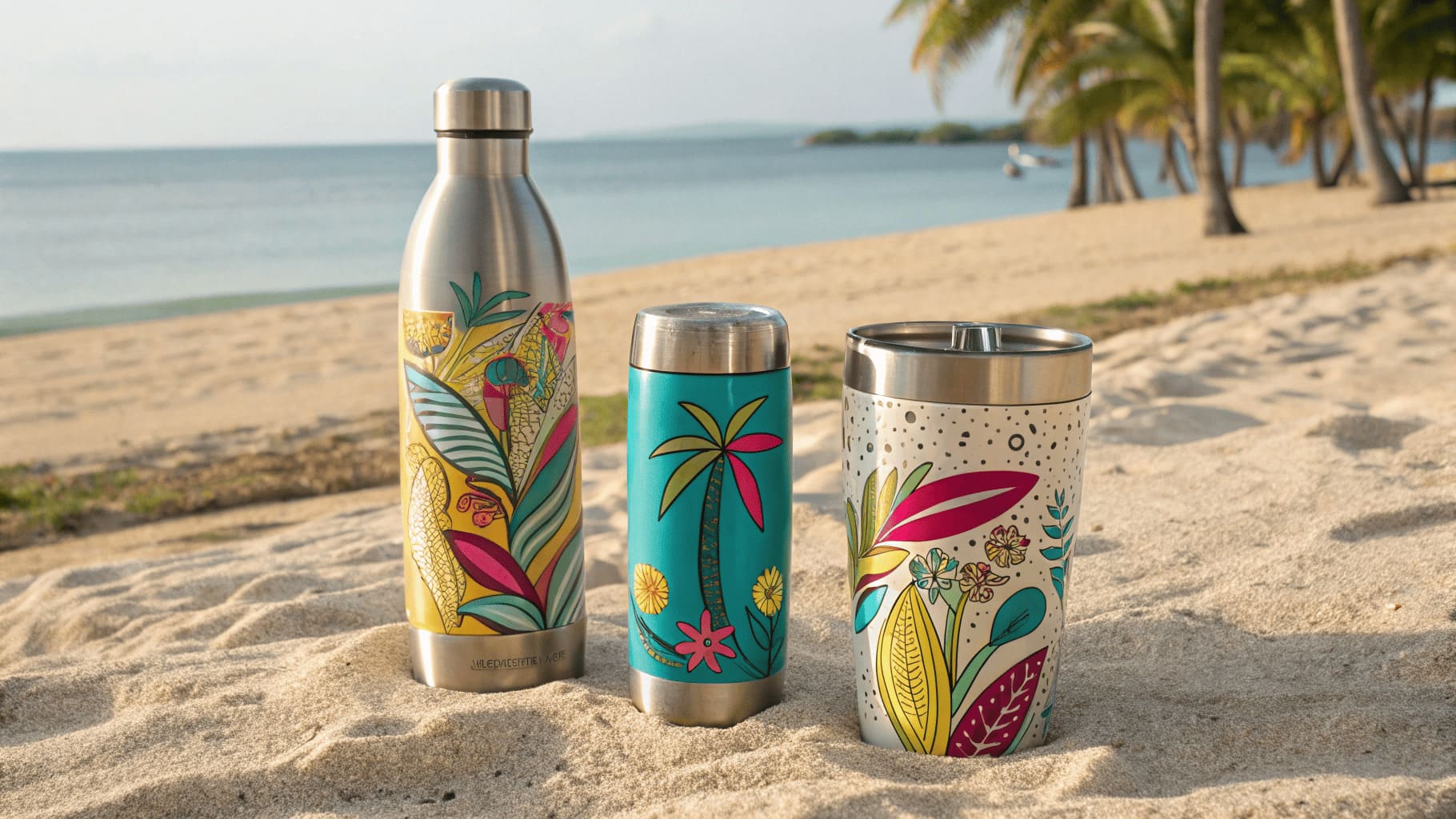
Food-grade stainless steel ranks as the best metal for drinking water bottles. SS304 provides the optimal balance of safety, durability, and cost. Aluminum requires inner coatings. Titanium costs too much for B2B scale. Copper needs frequent cleaning.
Comparing Metal Options for B2B Buyers
I tested different metals during my first year in this business. Each metal offers specific advantages and drawbacks. Stainless steel emerged as the clear winner for B2B wholesale operations. Let me share what I learned through direct manufacturing experience.
Aluminum creates lightweight bottles that appeal to hikers. The metal itself reacts with acidic beverages though. Manufacturers must apply an epoxy or enamel coating to the inner surface. These coatings can chip or degrade over time. I stopped offering aluminum bottles after receiving complaints about metallic taste. The cost savings did not justify the quality concerns.
Titanium produces the most durable bottles available. The metal resists corrosion better than stainless steel. It weighs 45% less than stainless steel too. The problem? Titanium bottles cost 3-5 times more than SS304 bottles. My B2B clients cannot justify this price premium to their end customers. Titanium works only for luxury brands or specialized military applications.
Copper bottles gained popularity through ayurvedic wellness trends. Copper has antimicrobial properties when water contacts the surface. Daily maintenance requirements create issues though. Users must clean copper bottles with lemon and salt regularly. The metal tarnishes quickly without proper care. I manufacture copper bottles only for clients with specific cultural market demands.
Stainless steel solves all these problems. The material costs 60% less than titanium. It requires no inner coating like aluminum. Cleaning needs minimal effort compared to copper. SS304 stainless steel achieves food-grade certification globally. I source SS304 sheets from certified mills with full material test reports. This documentation helps buyers clear customs and meet import regulations in their countries.
| Metal Type | Weight | Durability | Maintenance | Cost | B2B Suitability |
|---|---|---|---|---|---|
| SS304 | Medium | High | Low | Medium | Excellent |
| Aluminum | Low | Medium | Medium | Low | Fair |
| Titanium | Very Low | Very High | Low | Very High | Poor |
| Copper | Heavy | Medium | High | High | Niche |
Why Do European and North American B2B Markets Prefer 750ml Capacity?
You calculate inventory needs. Multiple sizes complicate logistics. You want to focus on one capacity that moves consistently. The 750ml size deserves your attention.
The 750ml capacity succeeds in European and North American B2B markets because it provides 4-6 hours of hydration without excessive weight. It fits standard cup holders and matches corporate wellness program recommendations. This size aligns with daily water intake goals that resonate with health-conscious users.

Market Analysis of 750ml Preference
I ship containers to American and European distributors every month. The 750ml capacity (approximately 25oz) appears in 35% of these orders. This concentration tells me something important about these markets. The size solves specific user problems that smaller or larger bottles cannot address.
Office workers form the primary end-user group for 750ml bottles. They need enough water for morning or afternoon work sessions. A 500ml bottle requires frequent refills. A 1000ml bottle feels too bulky on a desk. The 750ml capacity hits the sweet spot. Mark confirmed this when he told me his corporate clients specifically request 25oz bottles for employee wellness programs.
Corporate gifting campaigns favor 750ml bottles because the perceived value matches typical budgets. A quality 750ml bottle with custom logo4 costs between $8-12 at wholesale volume. This price point fits the $15-20 retail positioning that corporate buyers target. Smaller bottles seem cheap. Larger bottles exceed gift budgets. The 750ml size maintains premium perception without breaking budgets.
Fitness culture influences capacity preferences too. American and European gym-goers follow hydration guidelines that recommend 64oz (about 2 liters) of water daily. A 750ml bottle requires three fills to meet this goal. Users can track their intake easily. One bottle at breakfast, one at lunch, one at dinner. This psychological framework drives purchasing behavior.
Cup holder compatibility cannot be ignored. The standard automotive cup holder measures 2.75-3.25 inches in diameter. A 750ml bottle with standard diameter (2.8-3 inches) fits securely. Commuters use these bottles during drives to work. Parents use them during school runs. The 1000ml bottles often exceed cup holder dimensions and cause frustration.
Regional differences exist within these markets. German buyers order slightly more 1000ml bottles than Americans. Scandinavian markets split evenly between 500ml and 750ml. British buyers strongly prefer 750ml over other sizes. I adjust my inventory recommendations based on these patterns. Understanding sub-regional preferences helps my clients avoid overstocking slow-moving capacities.
The markup potential matters for B2B buyers. A 750ml bottle costs me $0.80-1.20 more to produce than a 500ml bottle. This represents only a 15-20% cost increase. Distributors can charge 30-40% more at retail though. The improved margin per unit makes 750ml bottles more profitable than smaller capacities. Mark runs a 45% margin on his 750ml bottles versus 38% on his 500ml bottles.
Conclusion
Metal water bottles, particularly 750ml stainless steel versions, dominate B2B markets in Europe and North America. Choose SS304 material, understand regional preferences, and stock versatile lid options for success.
-
Understand the key factors B2B buyers consider when selecting water bottles for their businesses. ↩
-
Understand the significance of food-grade stainless steel in ensuring safe drinking experiences. ↩
-
Learn about double-wall construction and its advantages for maintaining beverage temperatures. ↩
-
Learn how custom logos can enhance brand visibility and appeal in corporate gifting. ↩
