
What is the best insulated water bottle that won't alter taste in 2026 testing?
Have you ever taken a sip from your water bottle and noticed a strange metallic flavor? This problem ruins your drinking experience. I see this complaint from customers every week.
The best insulated water bottles that won't alter taste use food grade 18/8 stainless steel with proper vacuum sealing technology1. This material is non-toxic, odorless, and prevents any chemical leaching or flavor transfer while maintaining drink temperatures for extended periods.
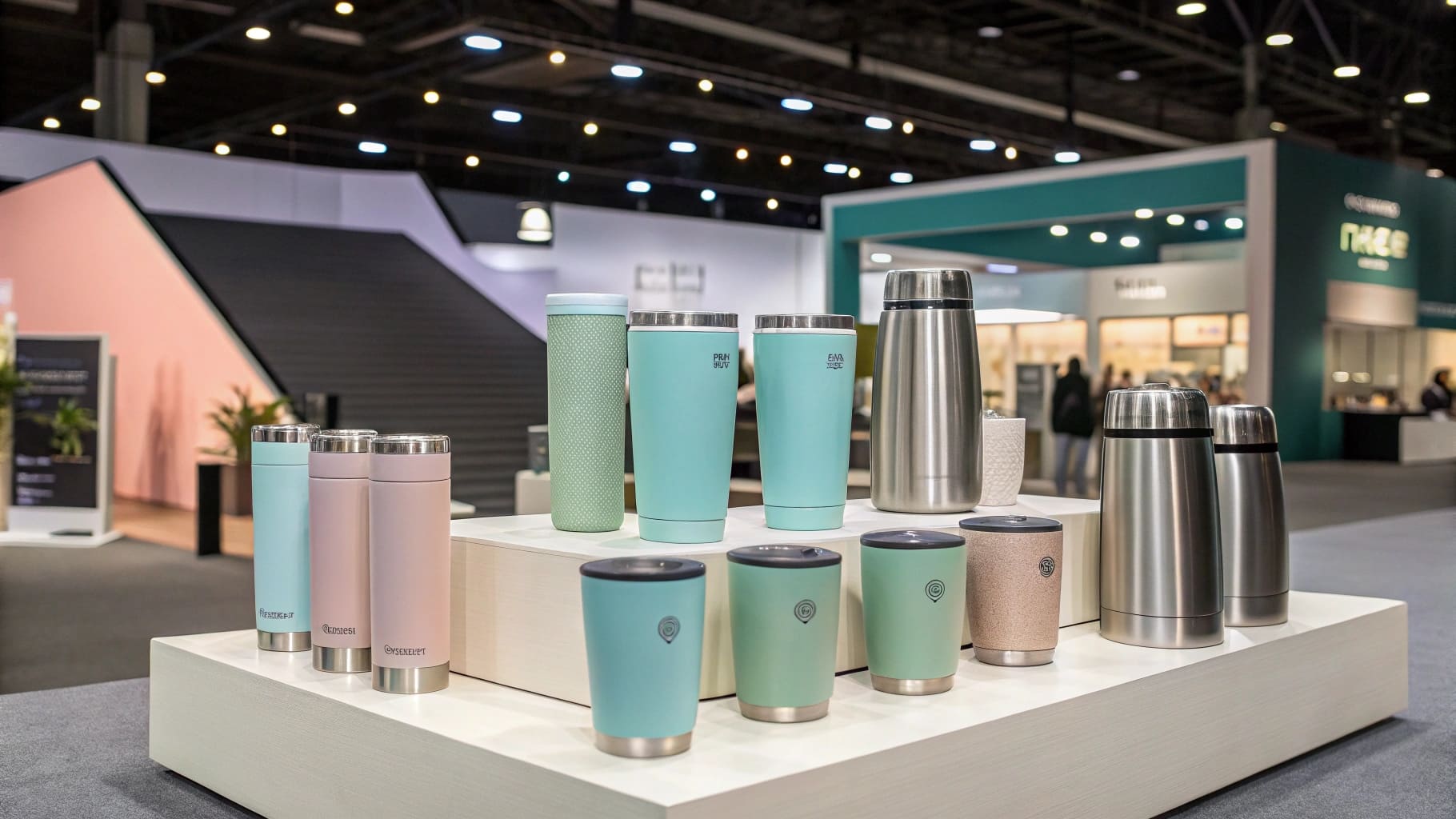
I have worked in the stainless steel bottle industry for over a decade. During this time, I tested hundreds of samples from different manufacturers. Some bottles changed the taste of water within hours. Others kept the pure flavor for days. The difference always came down to material quality and construction methods.
What is the healthiest type of water bottle to use?
Many people ask me which bottle type is safest for daily use. They worry about chemicals leaching into their drinks. I understand this concern because health comes first.
Vacuum insulated double-wall stainless steel bottles are the healthiest option. They eliminate chemical leaching2 risks, prevent exterior sweating, and maintain safe drinking temperatures without compromising the beverage's taste or nutritional value.
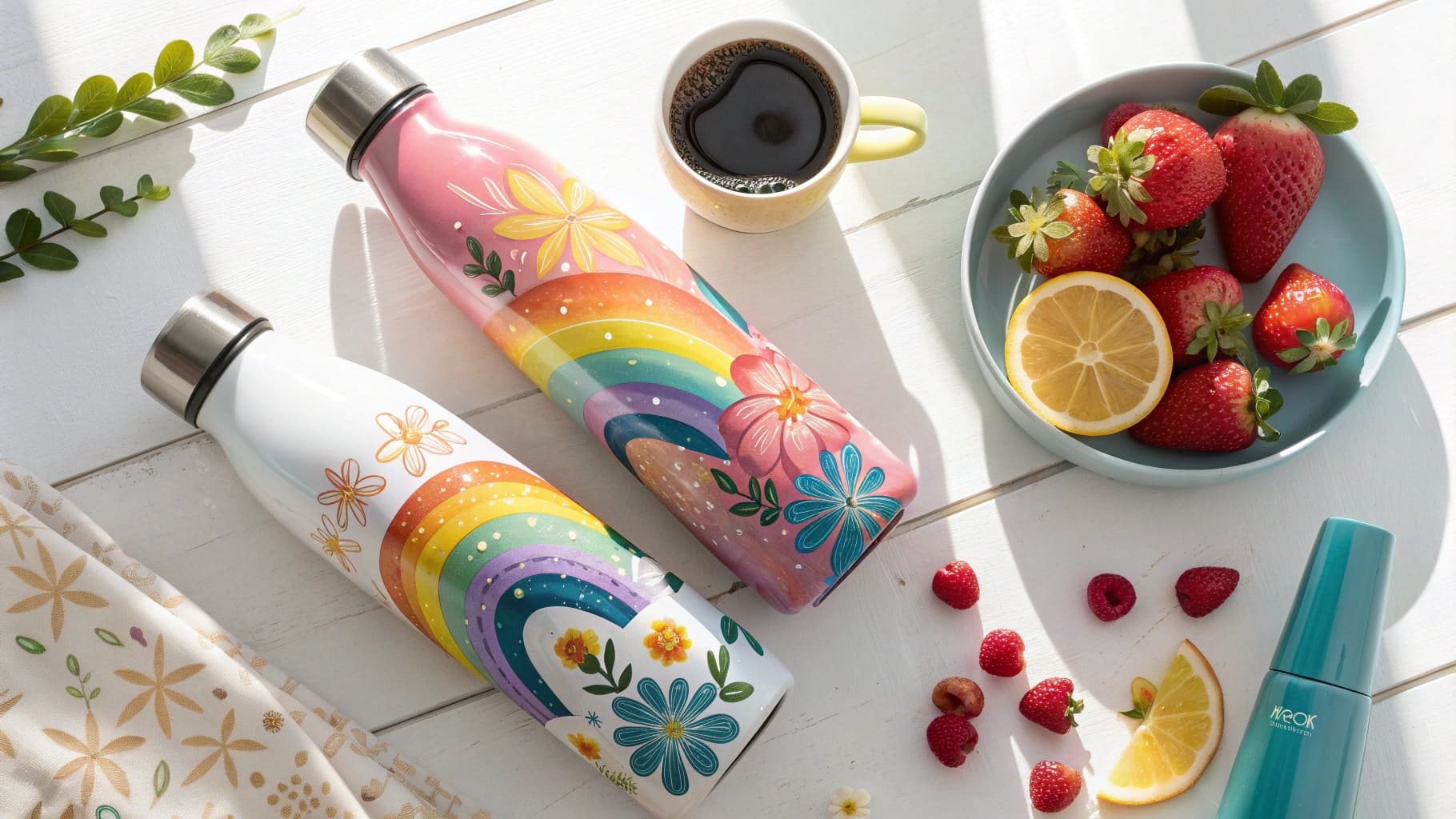
Why Double-Wall Stainless Steel Wins
The construction method matters more than most buyers realize. I explain this to every new customer who contacts me.
Double-wall vacuum insulation creates an airless space between two stainless steel layers. This design does three important things. First, it stops heat transfer completely. Your cold drinks stay cold for up to 24 hours. Your hot drinks stay hot for up to 12 hours. Second, the exterior never sweats or becomes too hot to hold. You can grip the bottle comfortably regardless of the internal temperature. Third, no part of your beverage touches anything except high-quality stainless steel.
Plastic bottles pose several health risks. They contain BPA and other chemicals that leach into liquids, especially when exposed to heat or sunlight. Glass bottles seem safe, but they break easily and lack insulation properties. Single-wall metal bottles conduct temperature, making them uncomfortable to hold and less effective at maintaining drink temperatures.
I always recommend 18/8 stainless steel specifically. The numbers refer to the composition: 18% chromium and 8% nickel. This ratio creates the perfect balance of corrosion resistance, durability, and taste neutrality. Lower grades like 18/0 stainless steel lack nickel and can develop rust over time, which affects both safety and taste.
| Bottle Type | Health Safety | Taste Neutrality | Temperature Control | Durability |
|---|---|---|---|---|
| Double-Wall Stainless Steel | Excellent | Excellent | 24h cold / 12h hot | Excellent |
| Single-Wall Stainless Steel | Good | Good | Poor | Good |
| Plastic | Poor | Poor | None | Fair |
| Glass | Good | Excellent | None | Poor |
What is the new water bottle trend in 2026?
The market changes fast. Last year's popular features become this year's standard expectations. Customers want more than basic insulation now.
Smart LED display bottles dominate the 2026 trend. These bottles integrate touch-screen temperature displays, hydration timing reminders, and magnetic charging capabilities while maintaining traditional vacuum insulation performance standards.

Understanding Smart Bottle Technology
I started seeing requests for smart features about two years ago. Now they represent nearly 30% of our custom orders.
The LED display sits on the bottle cap or body. It shows the current liquid temperature in real-time. You don't need to guess if your coffee is still hot or if your water has warmed up. The screen updates constantly, giving you accurate readings within one degree.
The timing function helps users develop better hydration habits. You set intervals based on your drinking schedule. The bottle vibrates or beeps when it's time to drink. Some models track your daily water intake and sync with smartphone apps. This feature appeals particularly to fitness enthusiasts and health-conscious consumers.
Magnetic charging eliminates the hassle of replacing batteries. You place the bottle on a charging pad overnight. The charge lasts up to 30 days with normal use. The technology is waterproof and doesn't interfere with the vacuum seal integrity.
Expired water reminders represent another innovative feature. The bottle tracks how long water has been sitting inside. After a certain period, usually 24-48 hours, it alerts you to refresh the contents. This prevents bacterial growth and ensures you always drink fresh water.
These smart features don't compromise the core function. The bottles still use double-wall vacuum insulation3. They maintain the same temperature control standards. The stainless steel quality remains at food grade 18/8. The only difference is the added technology that enhances the user experience.
Traditional Features That Endure
Some aspects never go out of style. Powder-coated finishes still dominate because they provide better grip and prevent exterior condensation. Wide-mouth openings remain popular for easy cleaning and ice cube insertion. Interchangeable lid systems let users switch between standard caps, straw lids, and sports caps based on their activity.
Is anything better than a Yeti?
Yeti built a strong reputation over the years. Many customers assume they make the best products. But the market has evolved significantly.
Several brands now match or exceed Yeti's performance at more competitive prices. Hydro Flask offers similar temperature retention with lighter designs and more versatile lid options. RTIC, Pelican, and Orca provide excellent ice retention with rotomolded construction at lower price points.
Comparing Performance Metrics
I test competitor products regularly. This helps me understand market standards and improve our own offerings.
Yeti bottles excel at durability. Their construction can withstand serious impacts and rough handling. They keep drinks cold for up to 24 hours and hot for up to 12 hours. The double-wall vacuum insulation works reliably. However, they come with premium pricing that doesn't always match the performance advantage.
Hydro Flask uses TempShield technology that achieves the same temperature control results. Their bottles feel lighter in hand without sacrificing insulation quality. The powder-coated finish comes in more color options. The grip feels more secure during activities. They also offer a wider range of sizes, from 12 oz to 64 oz, compared to Yeti's more limited selection.
RTIC products deserve serious consideration. They use rotomolded construction similar to Yeti but cost 30-40% less. The ice retention performs equally well in side-by-side tests. The only noticeable difference is the exterior finish, which some find less refined than Yeti's. But for pure functional performance, RTIC delivers exceptional value.
Pelican and Orca occupy similar positions. Both brands focus on rugged durability and superior insulation. Both compete directly with Yeti on performance while undercutting on price. The choice between them often comes down to personal preference regarding design aesthetics and specific feature sets.
| Brand | Cold Retention | Hot Retention | Weight | Price Range | Lid Options |
|---|---|---|---|---|---|
| Yeti | 24 hours | 12 hours | Heavy | Premium | Limited |
| Hydro Flask | 24 hours | 12 hours | Medium | Mid-High | Extensive |
| RTIC | 24 hours | 12 hours | Heavy | Budget | Moderate |
| Pelican | 24 hours | 12 hours | Heavy | Mid | Moderate |
| Orca | 24 hours | 12 hours | Heavy | Mid | Moderate |
The Real Differentiator
Brand name matters less than core specifications. I always tell customers to focus on material quality first. Food grade 18/8 stainless steel is non-negotiable. The vacuum seal must be properly executed. Everything else is secondary.
The powder coating should be applied evenly without thin spots. The threads on the cap should engage smoothly without cross-threading. The seal ring should compress uniformly to prevent leaks. These details separate good bottles from mediocre ones, regardless of the brand name on the exterior.
Many manufacturers now produce bottles that match or exceed Yeti's performance. The technology isn't proprietary anymore. What matters is the quality control4 during production and the testing standards applied before products reach customers. As a B2B supplier, I implement strict inspection protocols. Every batch undergoes pressure testing, temperature retention testing, and taste neutrality verification before shipping.
Conclusion
The best insulated water bottle combines food grade 18/8 stainless steel, proper vacuum insulation, and reliable construction quality. Focus on these core elements rather than brand names alone.