
Insulated Water Bottles: how to set AQL and tighten leak tests pre-shipment
I learned the hard way that one leaked bottle can cost you more than just a refund. Last year, a buyer lost their entire seasonal campaign because my factory didn't catch seal failures before shipment. That experience changed how I approach quality control.
Setting stricter AQL standards for leak tests protects your brand reputation. Most factories use AQL 2.5 for general defects, but leak failures need AQL 1.0 or even 0.65. This means testing more samples and accepting fewer defects before products leave the factory.
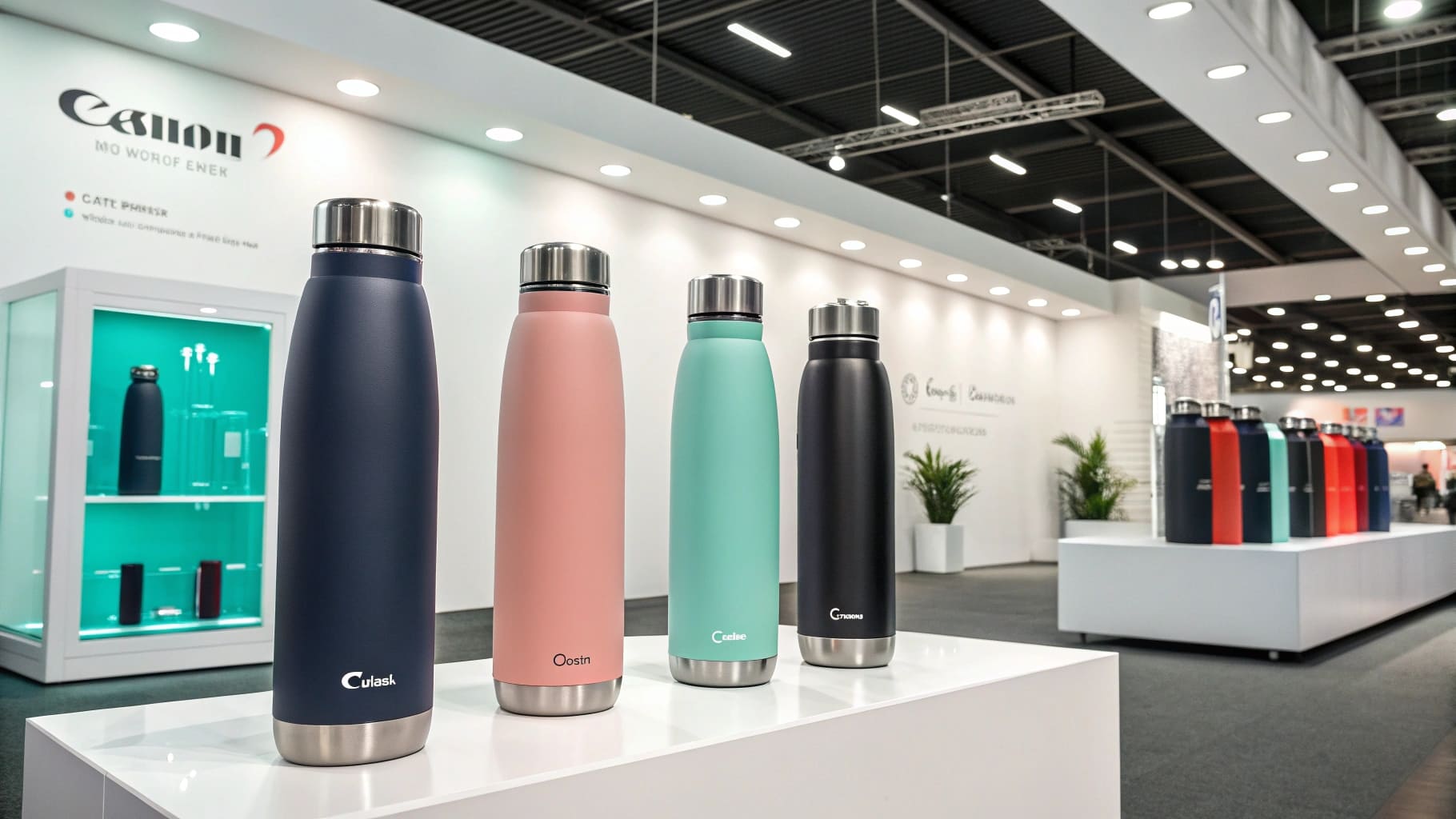
The market changed when consumers started sharing bottle reviews on social media. One leak video can reach thousands of potential customers in hours. I saw a competitor lose a major retail contract because their bottles leaked in customer bags. The buyer came to me asking what we do differently. I told them about our testing protocols. They placed an order the same week.
Why Is Gen Z Obsessed with Water Bottles?
Gen Z treats water bottles like fashion accessories. I notice this every time I visit trade shows in North America. Young buyers show me their collections like they show off sneakers. They want bottles that look good and perform perfectly.
Gen Z buyers prioritize leak-proof design1 because they carry bottles everywhere. They put bottles in backpacks with laptops, in gym bags with clothes, in work bags with documents. One leak ruins their entire day and their trust in your brand.
Social media drives this obsession. I see it clearly when buyers tell me stories. One procurement officer told me her daughter bought three different brands in one month after watching TikTok reviews. Each bottle promised leak-proof performance. Two failed within days. The third became her daily carry and she told everyone about it online.
This behavior pattern affects B2B purchasing decisions2 directly. Buyers know their end customers will post reviews immediately. They know bad reviews spread faster than good ones. They know one quality failure can destroy months of marketing work. So they demand proof of quality before placing orders.
The emotional connection matters too. Gen Z grew up concerned about environment and health. Reusable bottles represent their values. When a bottle leaks, it feels like a betrayal of those values. They paid premium prices for sustainability and quality. They expect both.
I track this trend by watching which features buyers request most. Five years ago, they asked about insulation performance first. Now they ask about seal quality first. They want to see test reports. They want to know exact AQL standards. They want photos of the testing process. This shift tells me everything about market priorities.
How to Seal a Leaking Water Bottle?
You cannot fix a leaking bottle reliably for resale. I tell buyers this directly because I value long-term relationships over quick sales. Some salespeople suggest tightening lids or replacing gaskets. These fixes fail under real-world conditions.
The honest answer is prevention through strict quality control. Identify leak causes during production, not after customers complain. Test every seal component, inspect every gasket, verify every thread alignment before products ship from the factory.
I implement a three-stage leak testing protocol at my factory. First, we test incoming silicone gaskets3 for thickness consistency. Gaskets vary by even 0.2mm can create leak points. We measure every batch with calibrated tools. We reject any batch outside tolerance.
Second, we test seal integrity during assembly. Workers press lids onto filled bottles, then invert them for 30 seconds. This simple test catches most assembly errors. We mark failed units immediately and analyze the failure pattern. Is the gasket misaligned? Is the thread damaged? Is the lid overtightened? Each pattern tells us something about our process.
Third, we conduct pressure testing on finished products. We select samples based on AQL 1.0 standards. We place bottles in a chamber and apply pressure equivalent to altitude changes during shipping. We hold this pressure for two minutes. Any pressure drop indicates a potential leak path.
Temperature cycling reveals hidden defects that static tests miss. I learned this from a failed shipment years ago. Bottles passed all our standard tests but leaked after sitting in hot delivery trucks. Now we test samples at -10°C and 60°C. We cycle temperature three times. This catches seal material problems that only appear under thermal stress.
The technical reality is that modern bottle designs create multiple leak points. Straw systems have at least four seal locations: where the straw enters the lid, where the valve sits in the straw, where the lid gasket meets the bottle rim, and where the drinking spout closes. Each point needs individual testing protocols.
Some buyers ask about repair options for returned bottles. I explain the economics clearly. Testing a returned bottle costs almost as much as making a new one. Replacing components costs more than the components themselves due to labor. Marketing new bottles as "refurbished" damages brand value more than the savings justify. Prevention costs less than cure in every scenario I have analyzed.
Why Does Everyone Have Owala Water Bottles Now?
Owala proved that leak-proof performance sells bottles at premium prices. I study their success because it shows exactly what B2B buyers should demand from suppliers. They built their reputation on one core promise and delivered it consistently.
The FreeSip spout design creates a complex seal challenge. Users can either sip through the straw or chug from the wide opening. This dual-function mechanism needs perfect sealing in both modes and during carry.
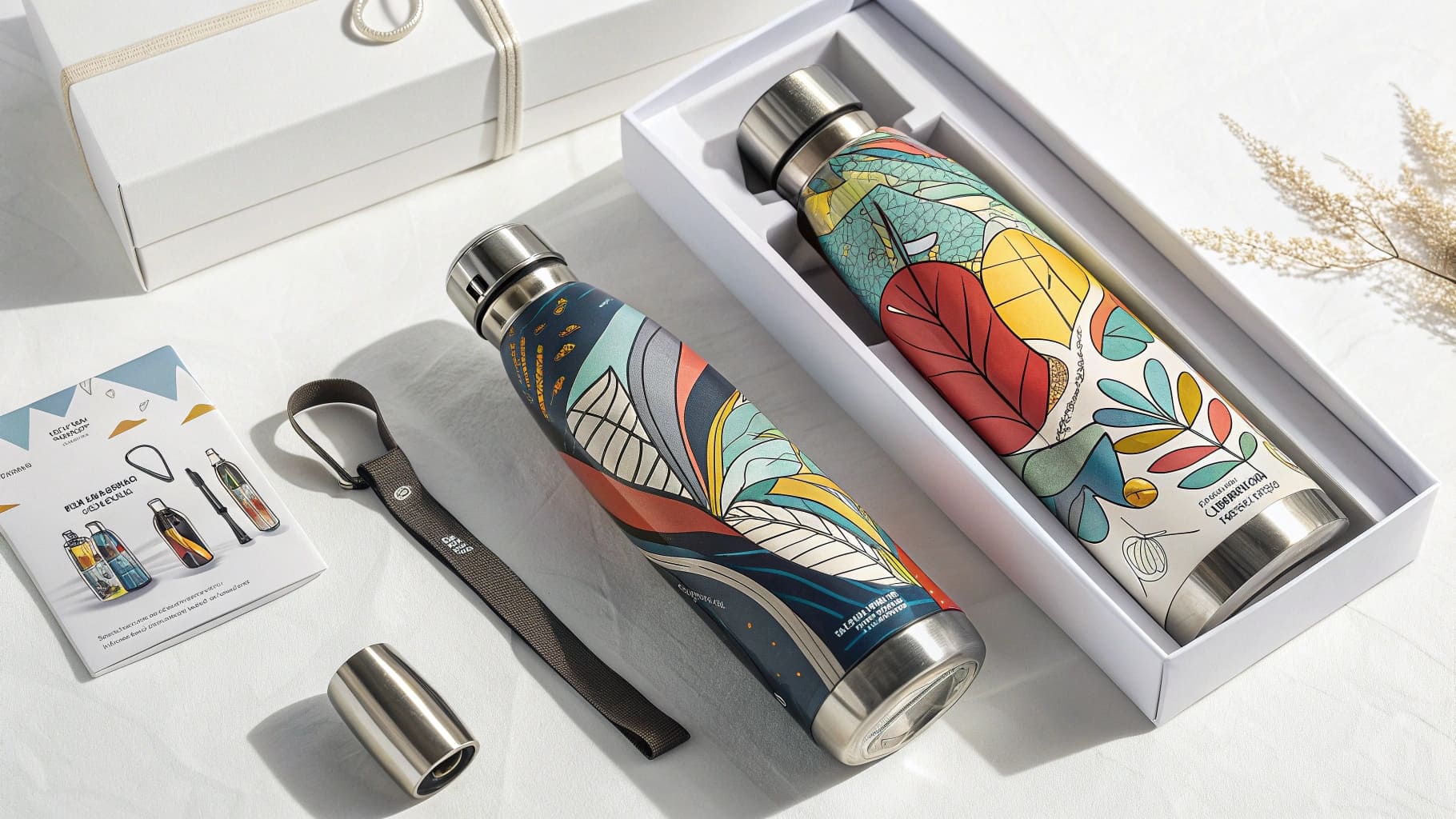
I examined Owala bottles closely to understand their quality standards. The lid mechanism uses multiple gasket layers. The straw connection point has double sealing rings. The main lid gasket compresses evenly around the full circumference. Every design choice prioritizes seal integrity over cost savings.
Their success changed buyer expectations permanently. Three years ago, buyers accepted that some leakage was normal with straw bottles. Now buyers expect zero leakage from any design. They reference Owala directly in quality discussions. They ask: "Can you match Owala's seal performance?"
This puts pressure on suppliers to upgrade manufacturing processes. I invested in better molding equipment for silicone gaskets. I added inspection stations specifically for seal components. I trained workers to identify microscopic defects that customers never see but that cause leaks over time. These investments paid back quickly through fewer returns and more repeat orders.
The social proof effect amplifies everything. When someone carries an Owala bottle, others ask about it. The owner shares their leak-free experience. More people buy based on that recommendation. This creates a quality feedback loop that rewards brands with genuine performance and punishes brands with quality issues.
For B2B buyers, this means your supplier selection directly affects your market position. You cannot compete on design alone anymore. You cannot compete on price alone. You must compete on verifiable quality that survives real-world customer testing and social media scrutiny.
I recommend requesting specific quality documentation4 from suppliers. Ask for seal compression test data. Ask for temperature cycling results. Ask for pressure testing protocols. Ask to see their incoming material inspection standards for gaskets. Suppliers who can provide detailed answers have systems worth trusting. Suppliers who give vague responses about quality are risks I avoid.
The market proved that consumers will pay premium prices for bottles that actually work as promised. This creates opportunity for B2B buyers who source from quality-focused suppliers. Your margin improves when your return rate drops. Your brand value grows when customers share positive experiences. Your negotiating position strengthens when retailers see your quality track record.
Conclusion
Tightening your AQL standards and implementing comprehensive leak testing protocols protects your brand in a market where one failure spreads instantly online. Quality costs less than returns.
-
Explore the features that contribute to a leak-proof design and enhance customer trust. ↩
-
Understanding B2B purchasing dynamics can help improve supplier relationships and product quality. ↩
-
Explore the advantages of silicone gaskets for improving seal integrity and preventing leaks. ↩
-
Requesting quality documentation ensures transparency and builds trust with suppliers. ↩