
Insulated stainless steel tumbler bottles and cups: channel mix for 2026
The tumbler market is changing fast. Brands compete harder each year. Your product mix needs updating now.
In 2026, success depends on three factors: hot beverage capability, understanding competitor positioning, and recognizing why certain brands dominate consumer choices. These elements directly impact your channel strategy and product development decisions.
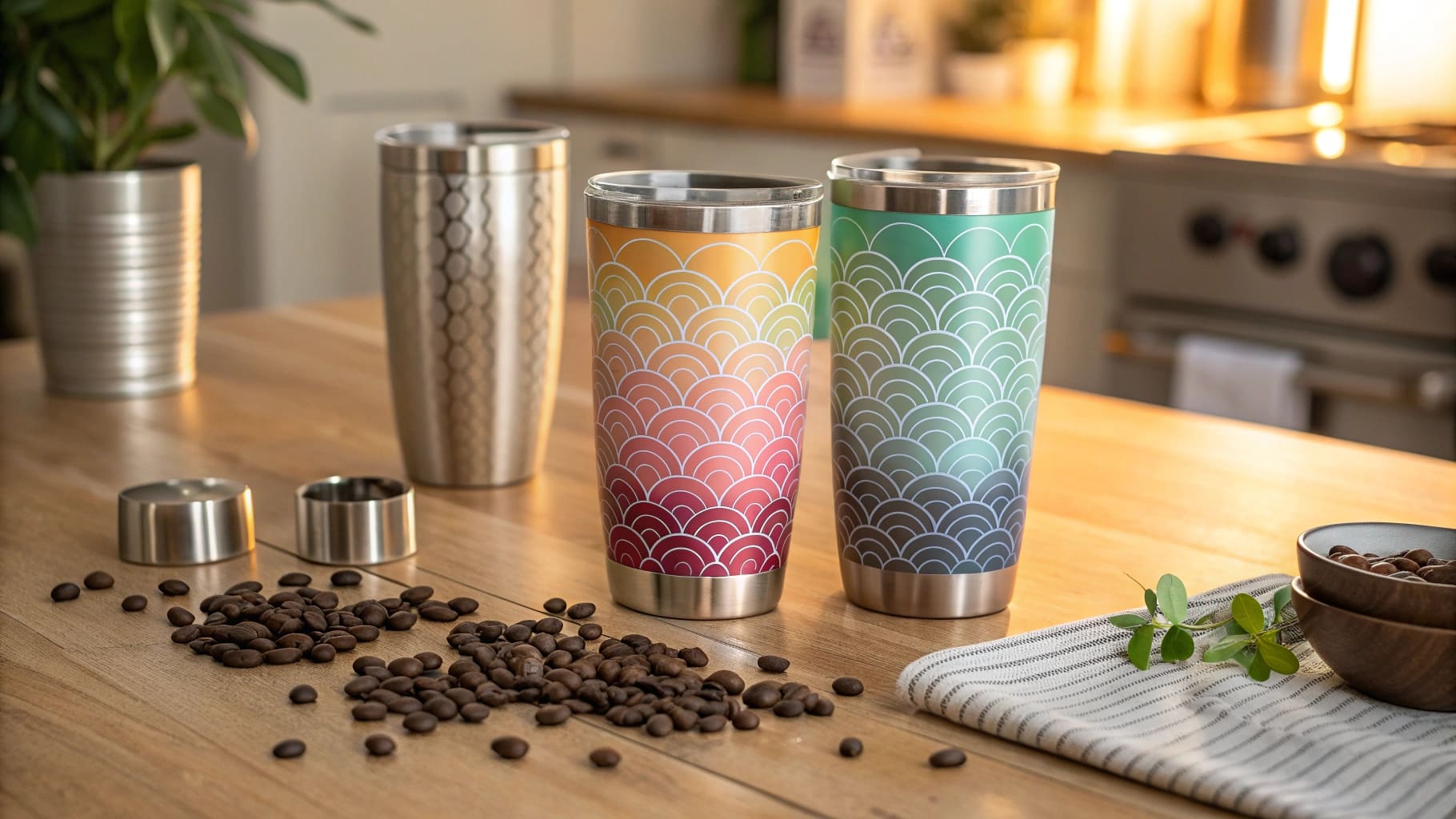
I have watched the insulated tumbler market evolve over the past five years. The changes surprise me every time. Consumer demands shift rapidly. Brand loyalty matters less than features and values. Your channel strategy must adapt to these new realities.
Can You Put Hot Beverages in a Stainless Steel Tumbler?
Hot coffee in a stainless steel tumbler worries many first-time buyers. The metal seems risky. People fear burns and strange tastes.
Yes, stainless steel tumblers handle hot beverages safely. Double-wall vacuum insulation keeps drinks hot for 3-6 hours while the exterior stays cool to touch.
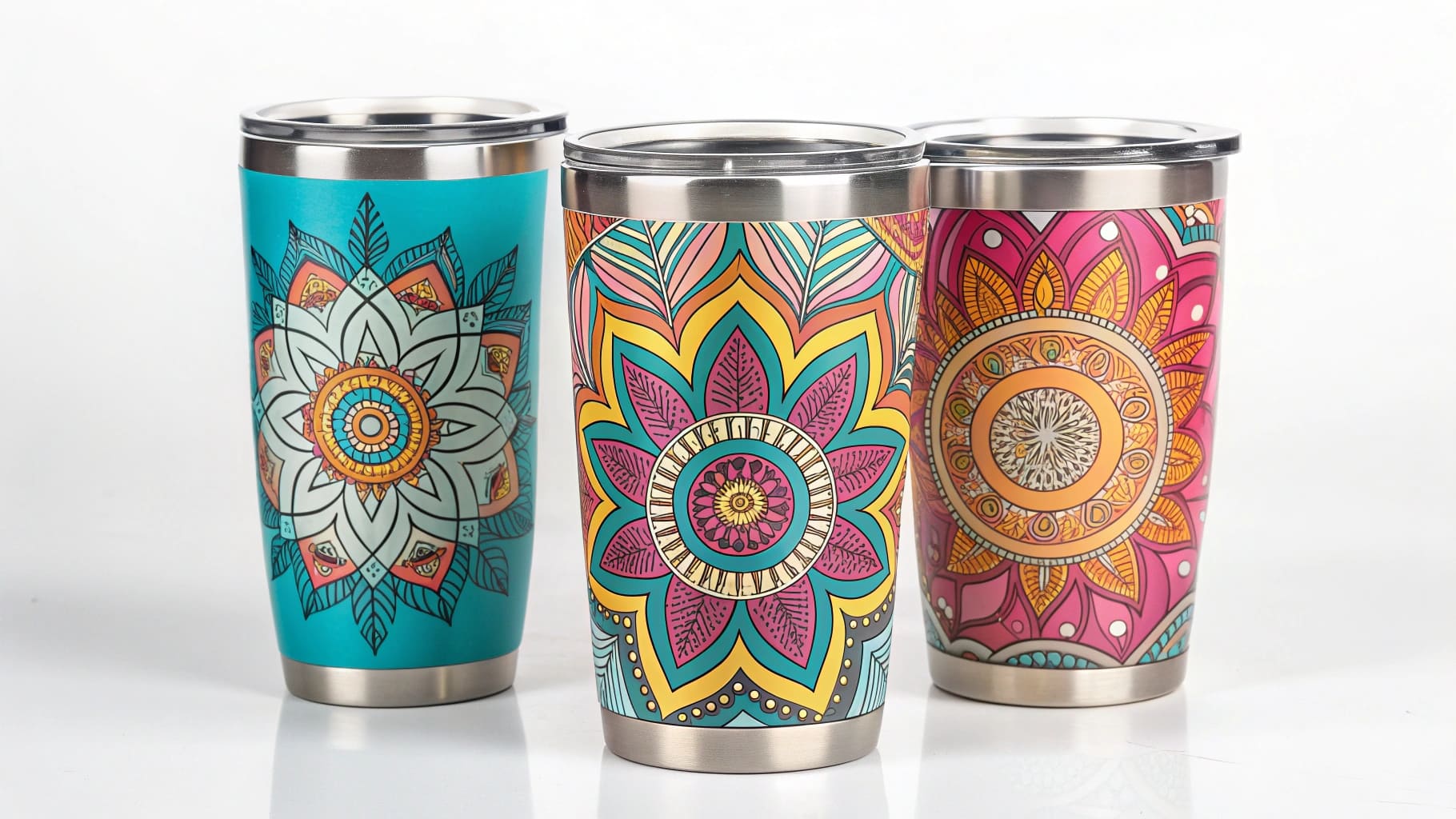
The technology behind hot beverage capability makes all the difference. I work with factories that produce these tumblers daily. The double-wall construction creates a vacuum between two layers of stainless steel. This vacuum stops heat transfer almost completely. Hot coffee stays hot inside. The outer wall stays safe to hold.
Most quality tumblers maintain hot drinks at drinkable temperatures for 3-6 hours. Cold beverages stay cold much longer, typically 9-24 hours. This performance gap exists because heat moves differently than cold. The insulation works both ways but more effectively for cold retention.
Your customers need to understand this feature clearly. Many buyers purchase tumblers specifically for morning coffee during commutes. Others want them for outdoor activities. The hot beverage capability drives purchase decisions more than people realize. I recommend highlighting this feature prominently in your product descriptions and marketing materials.
Temperature retention varies by design factors. Lid quality matters significantly. A poor lid lets heat escape quickly. The seal between lid and tumbler body affects performance directly. Stainless steel grade impacts longevity. We use 18/8 food-grade stainless steel at our factory. This grade resists corrosion and maintains insulation properties over time.
| Feature | Hot Drinks | Cold Drinks |
|---|---|---|
| Retention Time | 3-6 hours | 9-24 hours |
| Key Factor | Lid seal quality | Vacuum effectiveness |
| Customer Priority | Commuters, office workers | Athletes, outdoor enthusiasts |
| Testing Standard | 140°F after 3 hours | Ice remaining after 12 hours |
Who is Yeti's Biggest Competitor?
Yeti dominates premium tumbler discussions. Their brand recognition runs deep. But competitors challenge them constantly.
Hydro Flask stands as Yeti's primary competitor. Both brands fight for the same premium market segment with comparable quality and different positioning strategies.
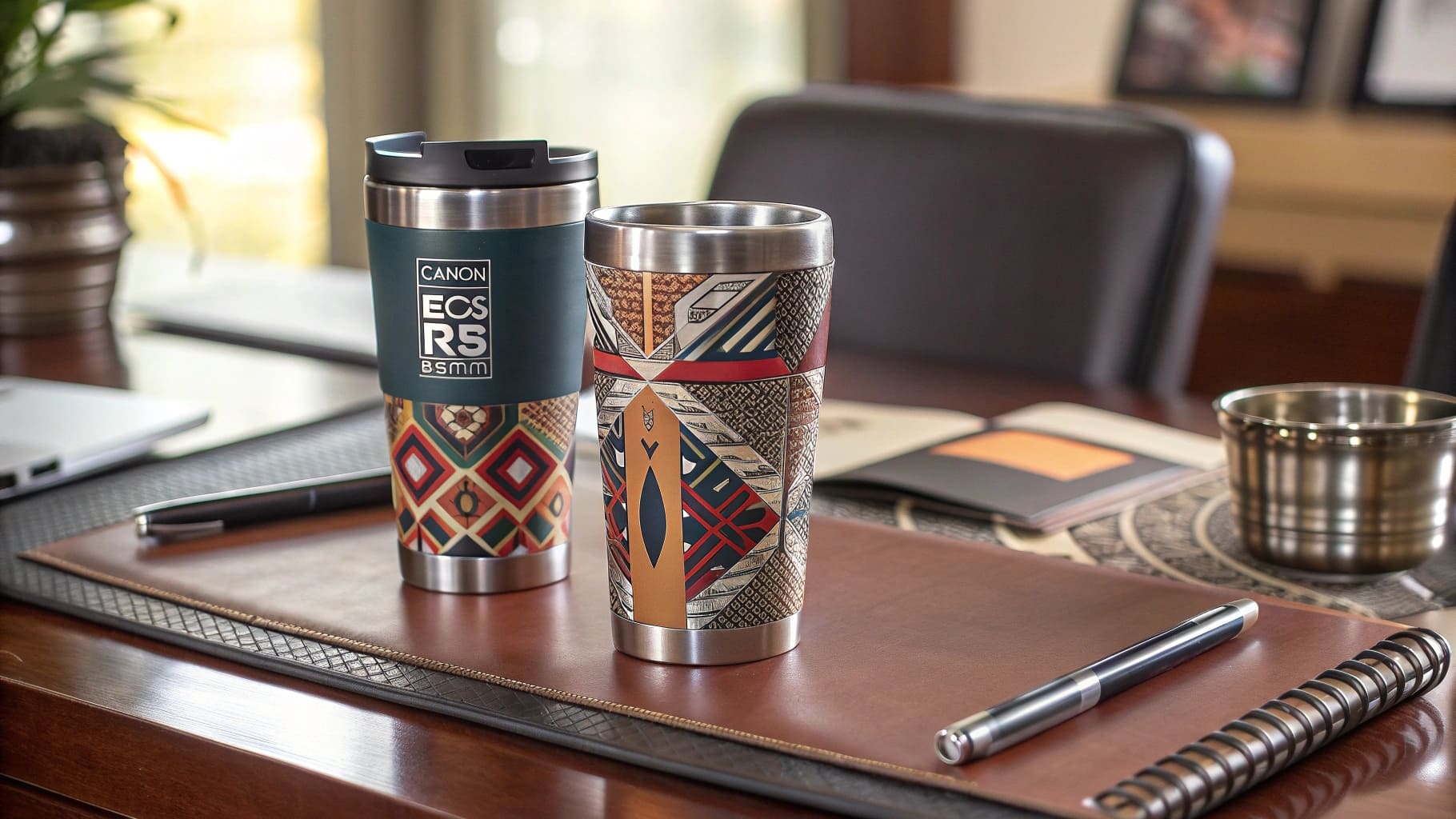
The competition between these brands fascinates me. I see procurement officers struggle with this choice frequently. They ask me which brand to compete against. The answer depends on your target market.
Yeti built its reputation on rugged durability. Their products survive harsh outdoor conditions. The brand appeals to consumers who need heavy-duty performance. Their tumblers keep ice for days, not just hours. The brand image focuses on extreme outdoor activities, hunting, fishing, and camping.
Hydro Flask takes a different approach. They target everyday use cases. Their designs emphasize style and portability. The color options attract younger consumers. The weight feels lighter in hand. The insulation performance matches Yeti closely, but the brand positioning differs significantly.
For B2B buyers, this distinction matters greatly. Your product positioning1 should consider which competitor you want to challenge. I work with clients who target the rugged outdoor segment. They need thicker walls and more durable powder coating. Other clients prefer the lifestyle segment. They want attractive colors and lighter weights.
The price points differ slightly. Yeti typically commands higher prices due to brand premium. Hydro Flask prices competitively while maintaining quality. Both brands use similar manufacturing processes. The double-wall vacuum insulation2 technology works identically. The material quality matches closely when both use proper 18/8 stainless steel.
Your channel strategy should reflect these competitive dynamics. Outdoor retailers favor Yeti positioning. Lifestyle retailers prefer Hydro Flask aesthetics. Online channels allow you to position differently based on product variations. I recommend developing multiple product lines to compete in different segments.
| Brand Aspect | Yeti | Hydro Flask |
|---|---|---|
| Primary Use Case | Extreme outdoor activities | Daily lifestyle use |
| Weight | Heavier, more durable | Lighter, more portable |
| Color Options | Limited, muted tones | Extensive, vibrant colors |
| Price Premium | Higher brand premium | Competitive pricing |
| Target Audience | Outdoor enthusiasts, hunters | Urban professionals, students |
Why is Everyone Buying Stanley Tumblers?
Stanley tumbler sales exploded recently. The surge seems sudden. But multiple factors drive this trend.
Stanley tumblers gained popularity through sustainability messaging, premium features, and social media influence. The 90% recycled stainless steel content appeals to environmentally conscious buyers.
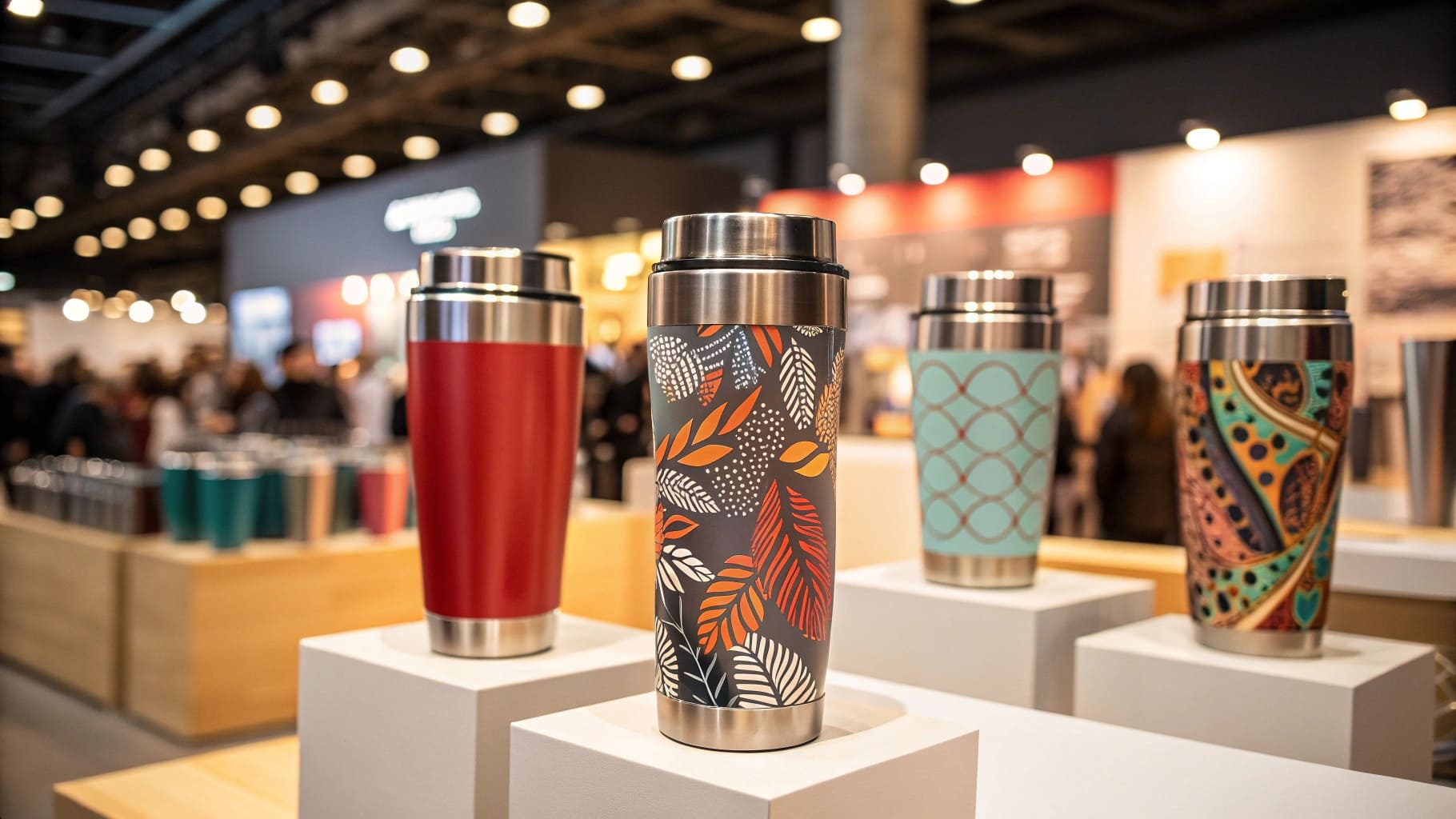
The Stanley phenomenon teaches important lessons about modern consumer behavior. I noticed the trend starting around 2020. The Stanley Quencher specifically changed the game. The product combines several winning elements that competitors struggle to match.
Sustainability drives purchase decisions more than ever before. Stanley uses 90% recycled 18/8 stainless steel. This fact resonates strongly with younger consumers. They want products that align with environmental values. The recycled content does not compromise quality. The insulation performs as well as products made from virgin materials.
Pacific Market International now owns Stanley. PMI operates as a subsidiary of the HAVI Group. This corporate structure provides substantial resources for marketing and distribution. The brand leveraged social media effectively. Influencers promoted the product widely. The viral nature of this promotion created genuine demand, not just hype.
The powder coat finish adds durability and style. The coating resists scratches better than bare stainless steel. The texture feels good in hand. The variety of colors appeals to different tastes. These features matter more than people expect. I see buyers choose products based on finish quality frequently.
The Quencher design includes practical features. The large capacity suits all-day hydration needs. The straw lid makes drinking convenient while driving. The handle allows easy carrying. The cupholder compatibility solves a common frustration. These seemingly small details create significant competitive advantages.
For B2B procurement in 2026, understanding the Stanley success story helps guide product development3. Your customers increasingly demand sustainability credentials. The recycled content matters. The environmental story matters. The premium features must justify higher prices through clear value propositions.
I recommend evaluating your supply chain for sustainability opportunities. Can you source recycled stainless steel? Can you document the recycling percentage? Can you communicate this value clearly to end consumers? These questions determine competitive positioning in the current market.
The brand positioning also teaches lessons about premium pricing. Stanley commands higher prices successfully. The combination of sustainability, advanced insulation, and durability creates a compelling story. Buyers accept premium prices when the value proposition feels complete. Your channel strategy should emphasize these value elements clearly.
| Success Factor | Impact Level | Implementation Difficulty |
|---|---|---|
| Recycled material content | High | Medium |
| Social media marketing | Very High | High |
| Practical design features | Medium | Low |
| Powder coat finish quality | Medium | Medium |
| Brand story authenticity | High | High |
The channel mix for 2026 must account for these market realities. Online channels allow detailed sustainability storytelling. Retail channels provide tactile experiences with finish quality. B2B channels need documentation of environmental claims. Your product line should address all three competitive factors: hot beverage capability, clear positioning against major competitors, and strong sustainability credentials.
Conclusion
Success in 2026 requires understanding hot beverage technology, positioning against Yeti and Hydro Flask strategically, and incorporating sustainability features that drive the Stanley phenomenon.