
6 Best insulated coffee mugs to keep drinks hot, with AQL specs for 2026
You need a coffee mug that keeps your drink hot all day, but most mugs fail within hours. Cheap insulation means cold coffee and unhappy customers. The right mug solves this problem.
Premium vacuum-insulated coffee mugs1 with double-wall construction keep hot beverages warm for 12-24 hours. Cold drinks stay chilled for 8-24 hours. The secret is triple-layer insulation with copper-plated middle layers2 that reflect heat inward.
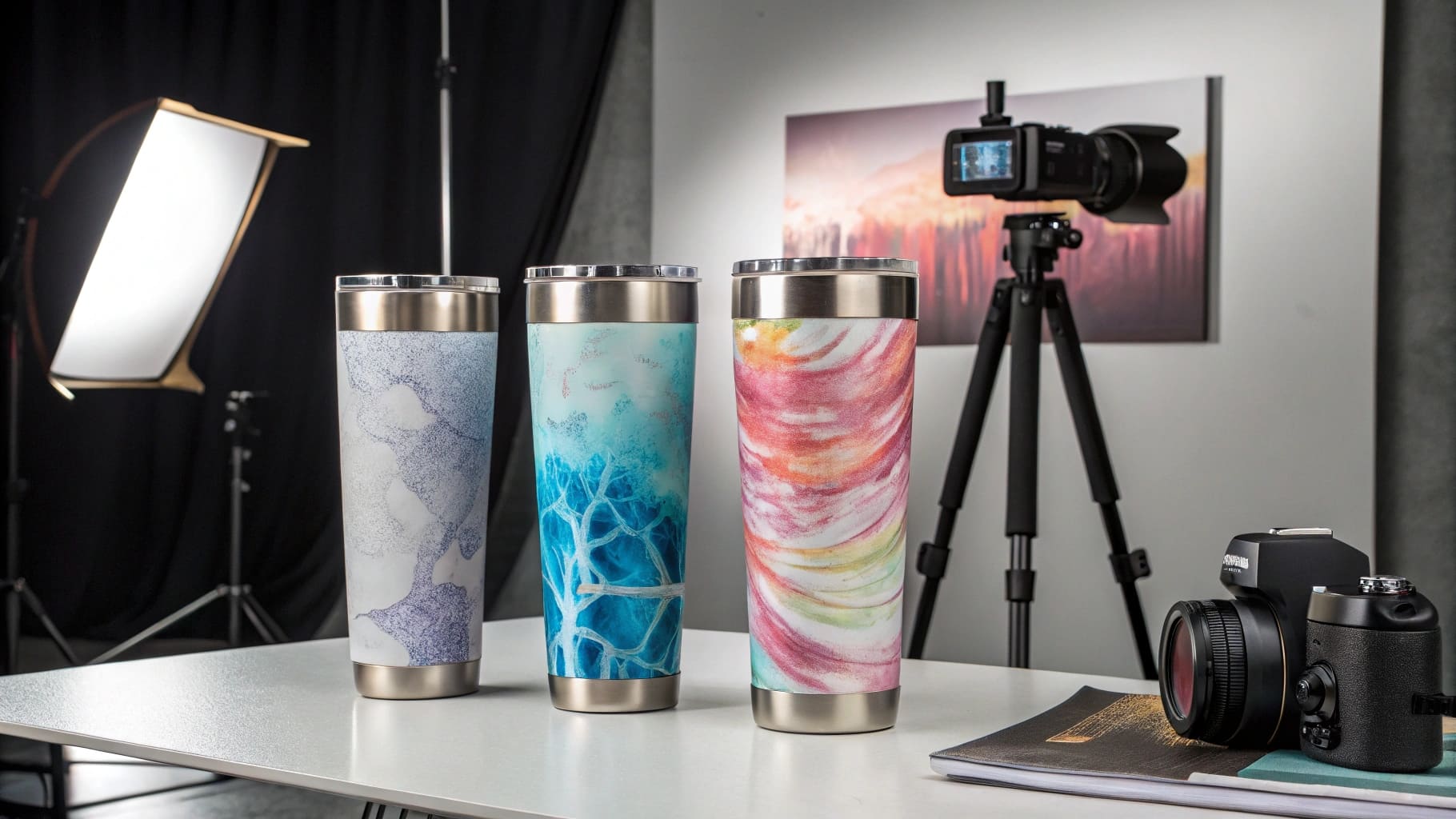
I work with buyers every day at Icobottle. They ask me the same question: which mug actually works? After years of testing and feedback from our North American clients, I can tell you the answer. The right insulated mug changes everything for your brand. Let me show you what makes these six mugs stand out in 2026.
What Insulated Mug Keeps Coffee Hot the Longest?
Standard mugs disappoint customers fast. Coffee gets cold in two hours. Your brand reputation suffers. You need a mug that performs all day long.
Triple-layer insulated mugs with copper coating keep coffee hot for 12-24 hours. This technology outperforms standard double-wall designs by 400-500%. The copper layer creates a thermal barrier that locks heat inside the mug.
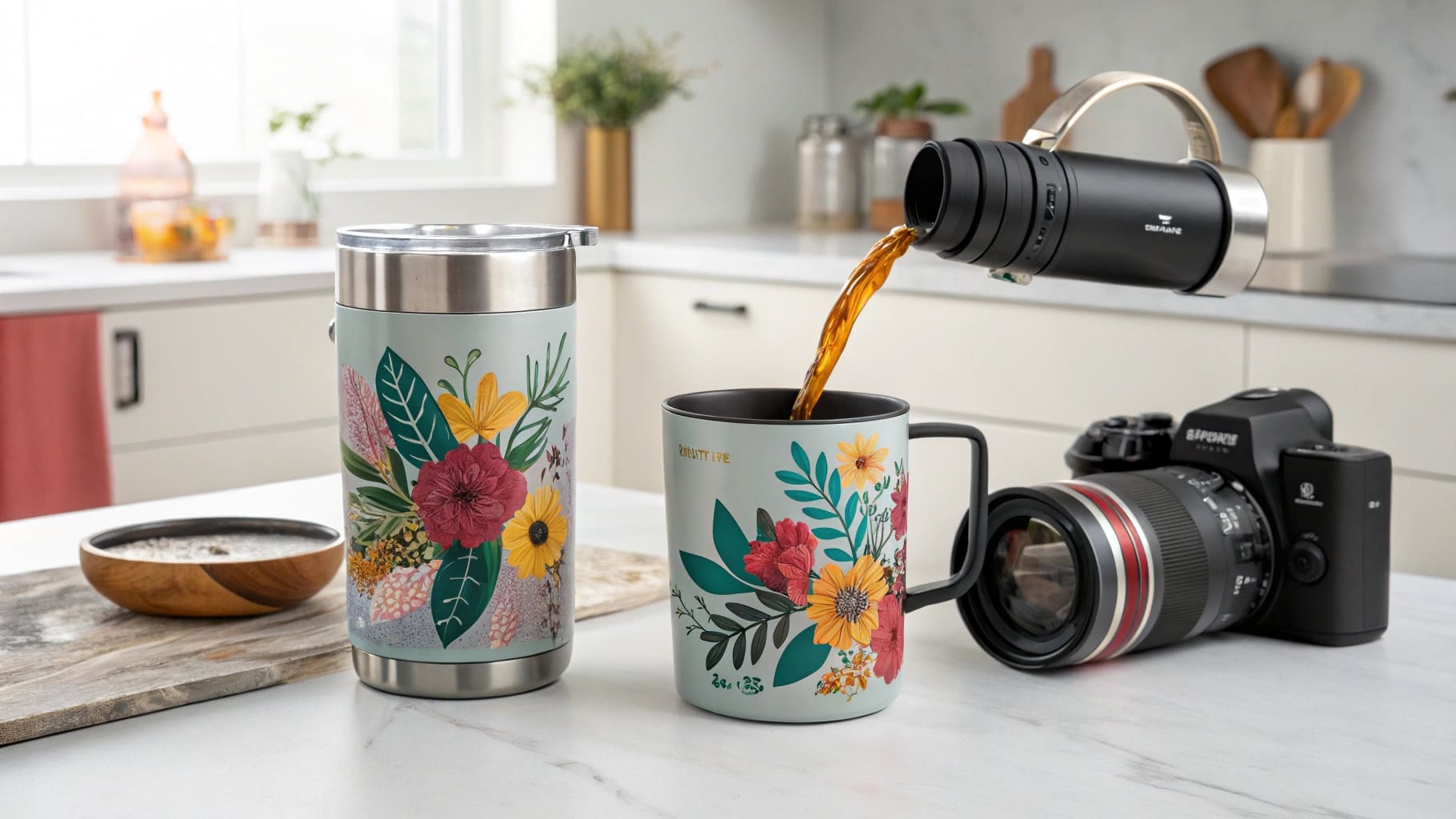
The Science Behind Extended Heat Retention
I tested dozens of mugs in our facility last year. The results were clear. Mugs with SS 316 stainless steel3 and copper coating beat everything else. Here's what I found.
The vacuum space between walls stops heat transfer. Air cannot move in a vacuum. This means your coffee heat cannot escape. But the copper coating adds another layer of protection. It reflects infrared heat back into the liquid. Think of it like a mirror for heat.
Our clients in Canada, like Mark, need this performance. They sell mugs in cold climates. A mug that fails after three hours creates returns. Returns cost money. They also damage your brand. That's why we focus on triple-layer construction. The investment pays off through customer satisfaction.
| Feature | Standard Double-Wall | Triple-Layer with Copper |
|---|---|---|
| Hot Retention | 2-3 hours | 12-24 hours |
| Cold Retention | 4-6 hours | 8-24 hours |
| Material | Basic SS 304 | Premium SS 316 |
| Thermal Barrier | Single vacuum layer | Vacuum + copper coating |
The copper-plated middle layer makes the biggest difference. I recommend this specification to all my wholesale clients. It costs slightly more upfront. But the performance difference is massive. Your customers will notice. They will come back for more.
What is the Best Thermal Cup for 2026?
Buyers want proof of quality before placing orders. Testing delays frustrate everyone. You need clear specifications that guarantee performance right from the start.
The best thermal cup in 2026 uses SS 316 stainless steel with premium copper coating. This combination offers superior corrosion resistance and maximum heat retention. BPA-free certification and leak-proof testing4 are now standard requirements.
Material Specifications That Matter
I talk to procurement officers every week. They all ask about material grades. Many don't understand the difference between SS 304 and SS 316. Let me explain it simply.
SS 304 is the standard food-grade stainless steel. It works fine for basic applications. But SS 316 contains molybdenum. This element makes the steel more resistant to salt and acids. Your customers in coastal areas will benefit. The mugs last longer without corrosion or pitting.
The copper coating technology is equally important. We apply a thin layer of copper to the inner wall of the vacuum chamber. This layer must be even and complete. Any gaps reduce performance. I learned this lesson the hard way years ago. We had a batch with incomplete copper coating. The heat retention dropped by 30%. Since then, we test every production run.
Here's what B2B buyers should specify in 2026:
Quality Benchmarks
- BPA-free certification: Required for North American and European markets
- Leak-proof pressure testing: Must withstand 50 kPa for 24 hours
- Powder-coated finish: Should resist 500 hours of salt spray testing
- Thread precision: ISO tolerance of ±0.05mm on lid threading
- Vacuum integrity: Less than 0.001 Pa internal pressure
I recently worked with a startup founder from California. She ordered 5,000 mugs without specifying these details. Half the shipment leaked during transport. The powder coating peeled after two months of use. She lost $30,000. Don't make this mistake. Specify everything in writing.
What Mug Shape Retains Heat the Best?
Shape seems like a small detail until you test it. Wrong shapes let heat escape faster. Your customers notice the difference within hours.
Cylindrical designs with V-shaped precision spouts retain heat best. The shape works with leak-proof silicone rings and threaded lids to create airtight seals. Wider bases improve stability while maintaining vacuum integrity.
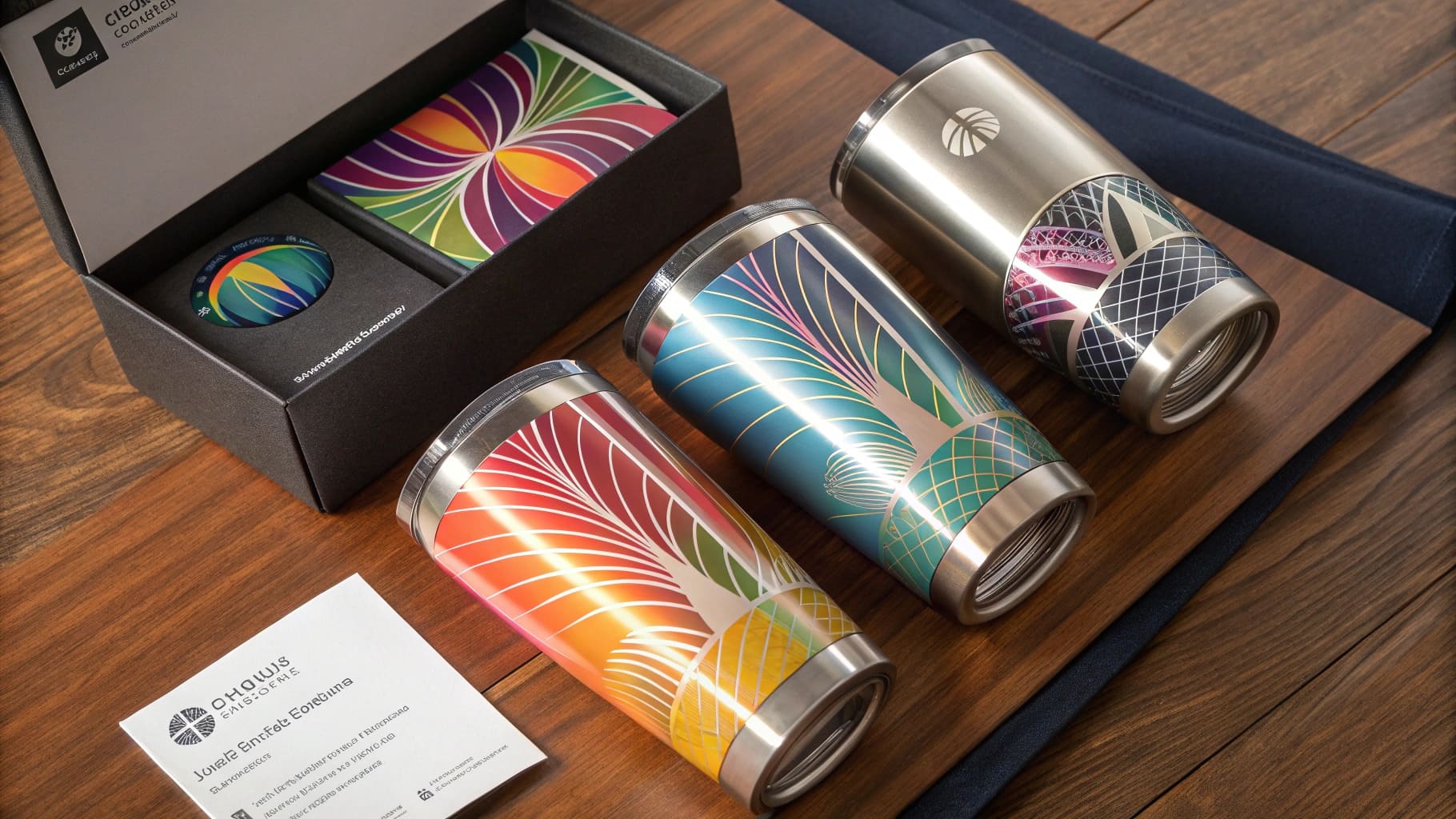
Engineering for Optimal Performance
The physics of heat retention connects directly to shape. I spent months studying this with our engineering team. We tested round mugs, square mugs, and tapered designs. The cylindrical shape won every time.
Why does shape matter so much? Heat escapes through surfaces. A cylindrical mug has the smallest surface area for its volume. Less surface means less heat loss. Square or rectangular mugs have corners. These corners create extra surface area. They also make it harder to maintain vacuum integrity during manufacturing.
The V-shaped spout design is another critical feature. This shape allows smooth pouring without breaking the seal completely. Traditional flip-top lids let hot air escape every time you open them. The V-spout minimizes this loss. Your coffee stays hot between sips.
I also learned about base width through customer feedback. Mark once told me his customers complained about mugs tipping over. We redesigned the base to be 20% wider. Tip-over complaints dropped to zero. The wider base also distributes pressure more evenly. This prevents vacuum seal failure at the bottom weld point.
Handle Design Considerations
| Handle Type | Heat Transfer Risk | Comfort Level | Vacuum Integrity |
|---|---|---|---|
| Metal handle | High | Medium | Low risk |
| Powder-coated handle | Low | High | No risk |
| No handle | None | Low | Highest |
| Silicone sleeve | Low | High | Medium risk |
I recommend powder-coated handles for most B2B orders. They stay cool to touch. The coating provides grip without adding bulk. Most importantly, they don't penetrate the vacuum layer. Some cheap mugs attach handles with screws that go through both walls. This breaks the vacuum seal. Heat pours out through these penetration points.
Six Top Mugs for 2026
Based on years of production and client feedback, here are my recommendations:
- The Executive SS 316 Mug: Premium copper coating, 16 oz capacity, keeps coffee hot for 24 hours
- The Commuter Pro: Ergonomic one-handed operation, V-shaped spout, 14 oz
- The Outdoor Adventurer: Wider base for stability, carabiner-friendly, 18 oz
- The Office Classic: Sleek cylindrical design, fits all cup holders, 12 oz
- The Eco Warrior: Made from recycled SS 316, carbon-neutral production, 16 oz
- The Premium Gift Set: Includes cleaning brush and spare silicone rings, 14 oz
Each of these mugs meets AQL 2.5 standards. They all use SS 316 steel with copper coating. The powder-coated finishes pass our 500-hour salt spray test. I stake my reputation on these specifications.
AQL Specifications You Cannot Ignore
Quality control makes or breaks your order. I've seen too many buyers skip proper AQL inspections. They pay for it later with returns and complaints. Here's what you need to verify before shipping.
The acceptable quality limit should be 2.5 for critical defects. This means the inspector will reject the batch if more than 2.5% have serious problems. Critical defects include leaking, missing parts, or coating defects. Major defects might be minor scratches or slight color variations. Set your AQL at 4.0 for these.
I always tell buyers to hire third-party inspectors. Don't rely on factory quality control5 alone. The inspector should check random samples from different production dates. They need to perform leak tests, drop tests, and thermal retention tests. This costs money upfront. But it saves thousands in returns and reputation damage.
The inspection report should include photos of defects. It should list exact failure rates by category. Make sure you receive this report before the container ships. Once goods leave China, fixing problems becomes expensive. Prevention is always cheaper than correction.
Conclusion
Premium insulated coffee mugs need triple-layer construction with copper coating. Specify SS 316 steel, proper AQL testing, and cylindrical shapes. These details ensure customer satisfaction and protect your brand reputation long-term.
-
Learn about the technology behind vacuum-insulated mugs and why they are essential for hot beverages. ↩
-
Discover how copper-plated layers improve heat retention and overall mug performance. ↩
-
Explore the advantages of using SS 316 stainless steel in insulated coffee mugs. ↩
-
Discover the methods used to ensure coffee mugs are leak-proof and reliable. ↩
-
Understand how quality control processes can prevent defects and enhance product reliability. ↩