
Stainless Steel Tumbler Mugs: Which 20oz Profiles Fit Cup Holders Best?
After reviewing hundreds of customer complaints about tumblers that do not fit car cup holders, I realized this compatibility issue directly affects return rates. Many buyers overlook this critical dimension when placing bulk orders.
The tapered profile 20oz tumbler fits most cup holders best. Standard automotive cup holders accommodate 2.5 to 3.5 inches in diameter. Tapered designs with base diameters between 2.75 to 3.25 inches provide optimal fitment across vehicles and gym equipment.
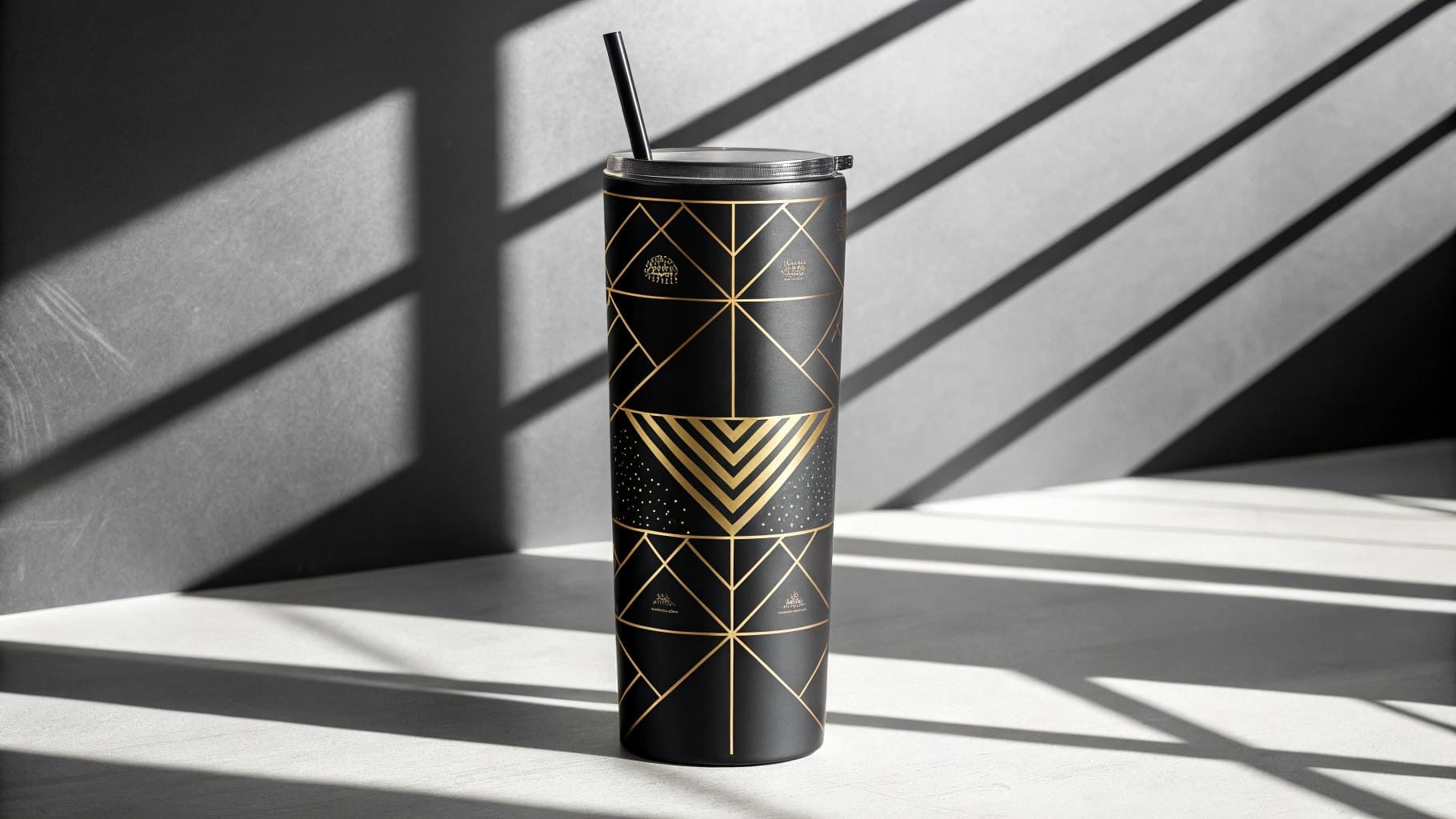
When I first started manufacturing stainless steel tumblers for North American distributors, I assumed all 20oz models would fit standard cup holders. That assumption cost one Canadian client a 30 percent return rate on their first shipment. The straight-walled design1 I produced sat perfectly on desktops but wobbled in most car cup holders. That experience taught me why profile engineering matters more than aesthetic preferences in B2B sourcing decisions2.
Does Yeti 20oz Tumbler Fit in Cup Holder?
Your customers expect their premium tumblers to work seamlessly during commutes. The Yeti 20oz Rambler created market expectations that all quality tumblers should fit standard cup holders without issues.
The Yeti 20oz Rambler features a tapered design with a base diameter of approximately 2.75 inches, which fits most automotive cup holders. This engineering choice prioritizes real-world usability over maximum capacity, a trade-off that reduces customer complaints.
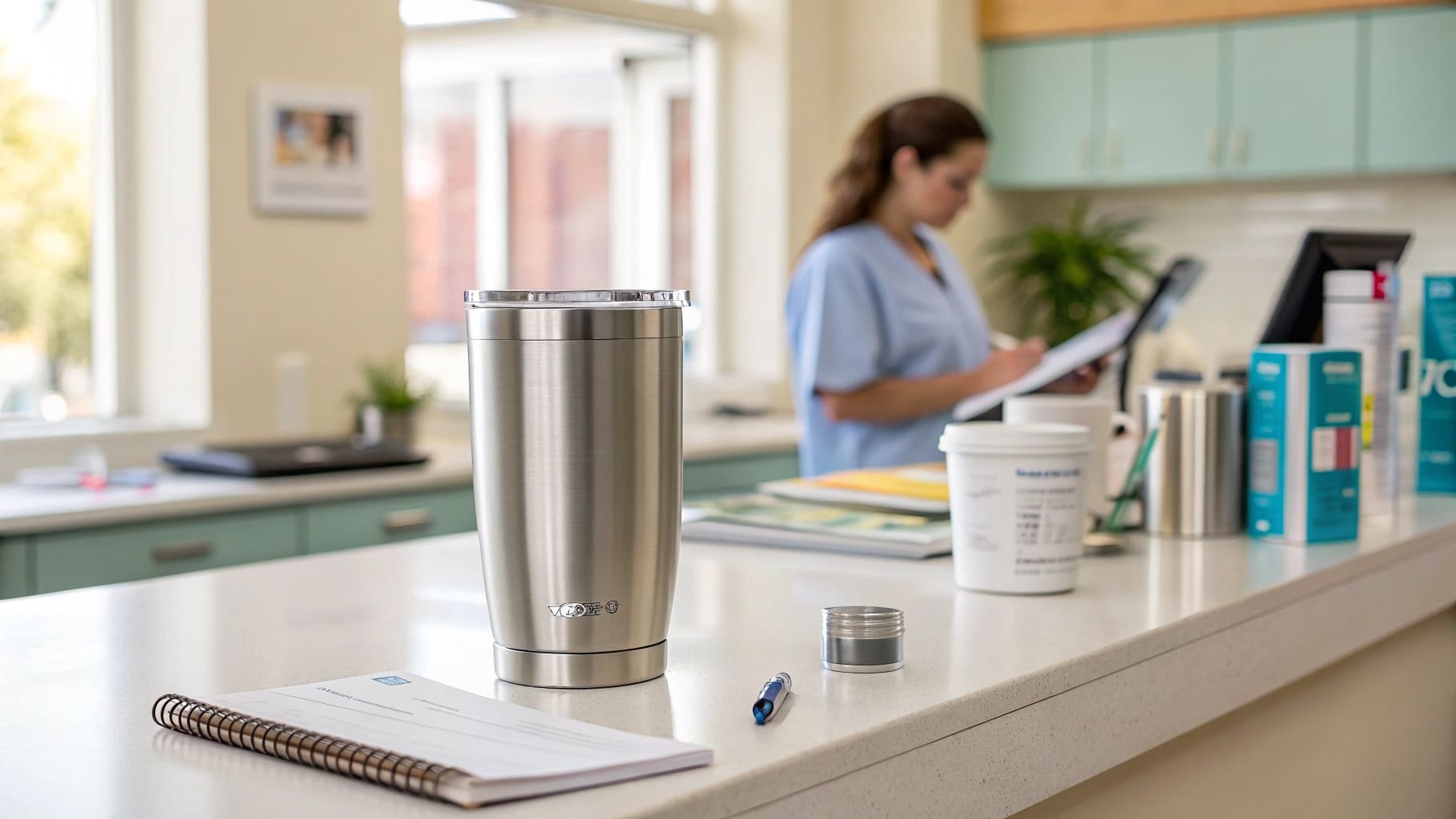
Understanding Yeti's Design Philosophy
The Yeti 20oz tumbler uses a carefully calculated taper angle that narrows from the rim to the base. This gradual reduction in diameter serves two purposes. First, it ensures compatibility with the vast majority of cup holders found in vehicles manufactured after 2010. Second, it maintains structural stability when filled with hot or cold beverages during vehicle movement.
From my factory's perspective, replicating this profile requires precise tooling. The base diameter must stay within the 2.7 to 2.8 inch range to match Yeti's fitment performance. If your supplier quotes a straight-walled 20oz tumbler as a Yeti alternative, question their understanding of the design fundamentals. The taper is not decorative, it solves a functional problem.
When I manufacture Yeti-grade tumblers for wholesale clients, I maintain three critical specifications. The base diameter measures 2.75 inches. The rim diameter reaches 3.5 inches. The wall thickness stays at 0.8mm for the inner and outer shells. These measurements create the balance between cup holder compatibility3 and adequate liquid capacity.
| Dimension | Measurement | Purpose |
|---|---|---|
| Base Diameter | 2.75 inches | Cup holder fitment |
| Rim Diameter | 3.5 inches | Drinking comfort |
| Wall Thickness | 0.8mm | Insulation performance |
| Total Height | 6.875 inches | Standard 20oz volume |
Which Size Yeti Fits in a Cup Holder?
Not all Yeti sizes work in standard cup holders. Your product selection must match your target market's actual usage patterns, or you will face returns and negative reviews.
The 20oz Yeti Rambler fits most cup holders reliably. The 30oz model requires larger cup holders found in trucks and SUVs. Sizes above 30oz do not fit standard automotive cup holders and serve desktop or outdoor use primarily.
Size Selection Strategy for B2B Buyers
I recommend that distributors focus their initial orders on 20oz tapered tumblers for maximum market compatibility. This size hits the sweet spot between capacity and portability. In my conversations with North American buyers, the 20oz volume matches typical coffee shop servings and accommodates both hot morning coffee and cold afternoon drinks.
The 30oz tumbler presents a trade-off. It holds more liquid, which appeals to outdoor enthusiasts and gym users who want fewer refills. However, this size only fits cup holders in larger vehicles. When a Canadian client asked me about 30oz tumblers last year, I advised splitting their order between 60 percent 20oz and 40 percent 30oz models. This ratio matched North American vehicle ownership patterns and minimized compatibility issues.
Sizes above 30oz, specifically the 40oz tumbler, do not fit any standard cup holders. These products target desktop use at offices or bedside tables at home. If your business model focuses on automotive accessories or gym gear, avoid these larger sizes regardless of their trending popularity on social media. The mismatch between size and use case will generate customer dissatisfaction.
Consider your end customer profile. Office workers commuting in sedans need 20oz tumblers. Construction workers driving pickup trucks can use 30oz models. Remote workers staying home might prefer 40oz desktop tumblers. Match the tumbler size to the actual cup holder availability in your target demographic.
What is the Best Grade of Stainless Steel for Tumblers?
Material choice affects product durability, safety certifications, and your landed cost. Many new buyers confuse marketing claims with actual material performance specifications.
Food-grade 304 stainless steel, also called 18/8 stainless steel, offers the best balance of safety, durability, and cost for most tumbler applications. It meets FDA and LFGB requirements and resists rust in normal use conditions.
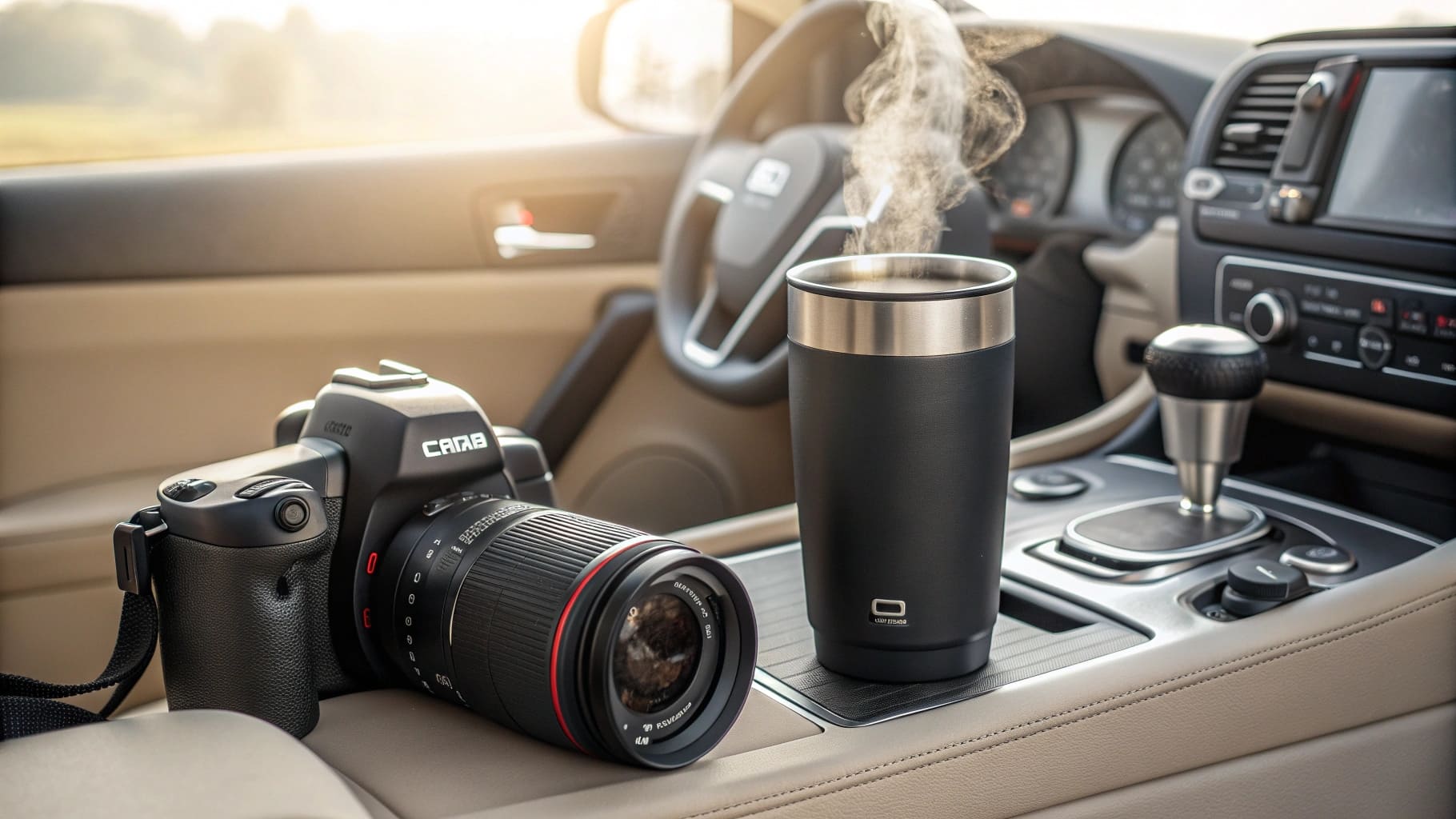
Material Grade Comparison
I manufacture tumblers in both 304 and 316 stainless steel. The difference matters for specific use cases but most buyers overpay for 316 when 304 performs adequately.
304 stainless steel contains 18 percent chromium and 8 percent nickel, hence the 18/8 designation. This composition creates a passive layer that prevents rust and corrosion in everyday environments. When you fill the tumbler with coffee, juice, or water, the 304 steel will not leach metallic taste or harmful substances. This grade satisfies all food contact regulations in the United States, European Union, and Canada.
The material passes standard testing for BPA-Free certification, FDA food contact compliance, and LFGB European safety standards. For your import documentation, I provide test reports from SGS or Intertek that verify these certifications. Without these documents, customs clearance in Western markets becomes problematic.
316 stainless steel adds molybdenum to the alloy, increasing corrosion resistance in harsh environments. This grade makes sense for marine applications or industrial settings with chemical exposure. For a tumbler holding coffee during a commute, the extra corrosion resistance provides no practical benefit. You will pay 15 to 20 percent more for 316 steel without improving the customer experience.
| Steel Grade | Composition | Corrosion Resistance | Cost Premium | Best Application |
|---|---|---|---|---|
| 304 (18/8) | 18% Cr, 8% Ni | Excellent for food/beverage | Baseline | Standard tumblers |
| 316 | 16% Cr, 10% Ni, 2% Mo | Superior in saltwater | +15-20% | Marine equipment |
When reviewing supplier quotations, verify they specify 304 food-grade stainless steel in the purchase contract. Some factories substitute 201 stainless steel, which contains less nickel and corrodes faster. The 201 grade fails FDA requirements and will rust within months of regular use. Insist on material certifications4 and consider third-party inspection before shipping, especially for your first order with a new supplier.
The wall thickness also impacts quality perception. I use 0.8mm for both inner and outer shells in double-walled vacuum insulated tumblers. Thinner walls reduce material costs but compromise insulation performance and structural durability. Thicker walls improve insulation slightly but add weight and increase your per-unit shipping costs unnecessarily.
Conclusion
Selecting 20oz tapered tumblers in 304 stainless steel with verified base diameters between 2.75 to 3.25 inches gives you products that fit cup holders reliably while meeting safety standards for Western markets.
-
Understand the limitations of straight-walled designs in tumblers and why they may not fit well in vehicles. ↩
-
Gain insights into B2B sourcing strategies that prioritize product functionality and customer satisfaction. ↩
-
Discover tips and guidelines for selecting tumblers that fit standard cup holders, reducing return rates. ↩
-
Understand the significance of material certifications in ensuring product quality and compliance with safety standards. ↩