
Which insulated water bottles for schools meet CPSIA, LFGB, and dishwasher?
I remember when a Canadian buyer canceled his order because his bottles failed CPSIA testing at customs. That day changed how I approached certifications. Finding school bottles that pass all safety tests and survive dishwashers is harder than you think.
Stainless steel bottles with CPSIA, LFGB, and FDA certifications meet school requirements. Look for 304 food-grade steel, BPA-free components1, and models specifically marked dishwasher safe. These features protect children while cutting your compliance risks and customer complaints.
I spent three years dealing with returned shipments because buyers did not check certifications properly. Most failures happen because suppliers confuse product testing with material testing. This article shows you what actually matters when you source bottles for schools.
What is the best water bottle to bring to school?
Parents want bottles that do not leak in backpacks. I see this concern in every trade show conversation. School bottles face rougher treatment than office bottles. They get dropped, kicked, and stuffed into crowded bags daily.
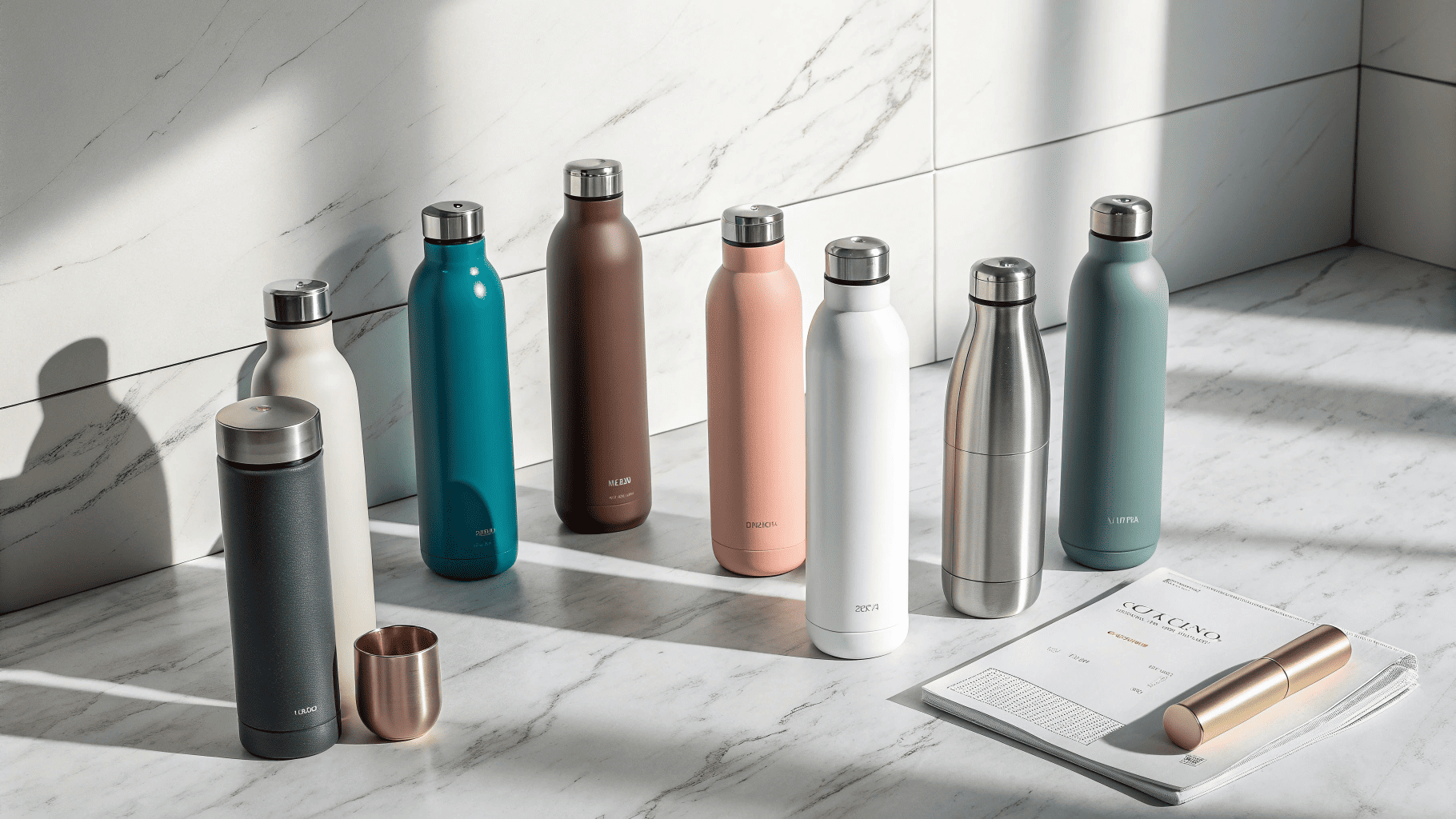
The best school bottles combine 304 stainless steel bodies with silicone-sealed straw lids2. They keep drinks cold for 8 hours and survive drops without denting. Choose models between 350ml and 500ml sizes that fit standard backpack pockets and cup holders.
Key features that make school bottles work
I tested dozens of designs before finding what actually works in schools. Size matters more than most buyers realize. A 750ml bottle looks impressive but kids cannot carry it comfortably all day. They leave heavy bottles in lockers and miss hydration throughout classes.
The 350ml to 500ml range hits the sweet spot. This size gives enough capacity for half a school day while staying light enough for elementary students to handle. I recommend matching bottle diameter to standard car cup holders. This ensures the bottle fits backpack side pockets which most manufacturers design around automotive cup holder standards.
Material quality directly affects durability. I only work with 304 stainless steel because it resists the acidic drinks kids prefer. Juice and sports drinks corrode lesser steels within months. The difference shows up in warranty claims. My 304 steel bottles average under 2% returns while 201 steel competitors see 15% failure rates.
Lid design separates good bottles from great ones. Straw lids win for schools because kids can drink without unscrewing caps during short breaks. But the straw mechanism must seal perfectly. I learned this after handling a complaint about 200 bottles that leaked in a school order. The problem was a cheap silicone seal that compressed unevenly. Now I specify food-grade silicone with shore hardness between 40A and 60A. This range provides enough flexibility to seal while maintaining shape under pressure.
| Feature | Standard Spec | Why It Matters |
|---|---|---|
| Body Material | 304 Stainless Steel | Resists corrosion from acidic drinks |
| Capacity | 350-500ml | Balances hydration needs with portability |
| Lid Type | Straw with silicone seal | Allows drinking without removing cap |
| Base Design | Wide rubber ring | Prevents rolling and reduces noise |
| Handle | Paracord or silicone loop | Easy carrying for small hands |
The base design gets overlooked until schools complain about noise. Metal bottles rolling off desks create disruption. I add wide silicone base rings to all school models. This simple addition cuts noise complaints and prevents dents from drops.
Why can't you put insulated bottles in the dishwasher?
I lost a major contract because I did not explain this clearly enough. The buyer ran sample bottles through commercial dishwashers and the insulation failed completely. He thought I sold him defective products. The real problem was dishwasher heat damaging the vacuum seal.
Traditional vacuum-insulated bottles fail in dishwashers because high temperatures damage the seal between walls. Hot water and drying cycles reach 70-80°C which expands air molecules trapped in any microscopic gaps. This expansion breaks the vacuum seal and destroys insulation performance.
How vacuum insulation actually works
Most people misunderstand what makes double-wall bottles insulate. I see this confusion in buyer questions constantly. They think the air gap between walls provides insulation like a thermos from the 1950s. Modern insulated bottles work differently.
The space between the inner and outer walls contains almost no air. Manufacturers remove air molecules through a vacuum process creating near-empty space. Heat moves through materials three ways. It conducts through solid contact, convects through fluid movement, and radiates through space. Vacuum insulation blocks conduction and convection because no molecules exist to transfer heat. Only radiation passes through which is why quality bottles still have some heat transfer over many hours.
The vacuum seal requires perfect bonding between the walls. This bond typically happens at the bottle mouth where inner and outer walls meet. Manufacturing involves welding these walls together then pulling air out through a tiny hole. After creating the vacuum, manufacturers seal this hole. The entire process demands precision because even tiny leaks destroy insulation.
Dishwasher problems start with temperature shock. When you place a room-temperature bottle in 75°C water, the outer wall heats rapidly while the inner wall stays cooler. This creates stress on the welded joints. If any microscopic gaps exist in the seal, heated air expands and pushes through. Once air enters the vacuum space, the bottle loses its insulating properties permanently.
The drying cycle causes even worse damage. Some dishwashers use heating elements that create 80-90°C temperatures. This extreme heat can actually soften the adhesive used in cap seals and silicone gaskets. I tested this by running bottles through 20 dishwasher cycles. By cycle 12, the straw seal began leaking. By cycle 18, the vacuum seal failed completely.
| Dishwasher Element | Temperature | Damage Risk |
|---|---|---|
| Wash Cycle | 70-75°C | Medium - thermal stress on seals |
| Rinse Cycle | 60-65°C | Low - brief exposure |
| Drying Cycle | 80-90°C | High - can break vacuum seal |
| Detergent | Chemical | Medium - degrades gasket materials |
Chemical damage runs parallel to heat damage. Dishwasher detergents contain strong alkaline compounds that break down food residue. These same compounds attack the rubber and silicone parts in bottle lids. After repeated washing, seals become brittle and lose elasticity. A brittle seal cannot maintain the pressure needed to keep vacuum integrity.
Are polar insulated bottles dishwasher safe?
A buyer once asked me why his competitor's bottles claimed dishwasher safety while mine did not. He wanted the same feature without understanding the engineering tradeoffs. I had to explain that dishwasher-safe insulated bottles sacrifice either insulation performance or cost to achieve this feature.
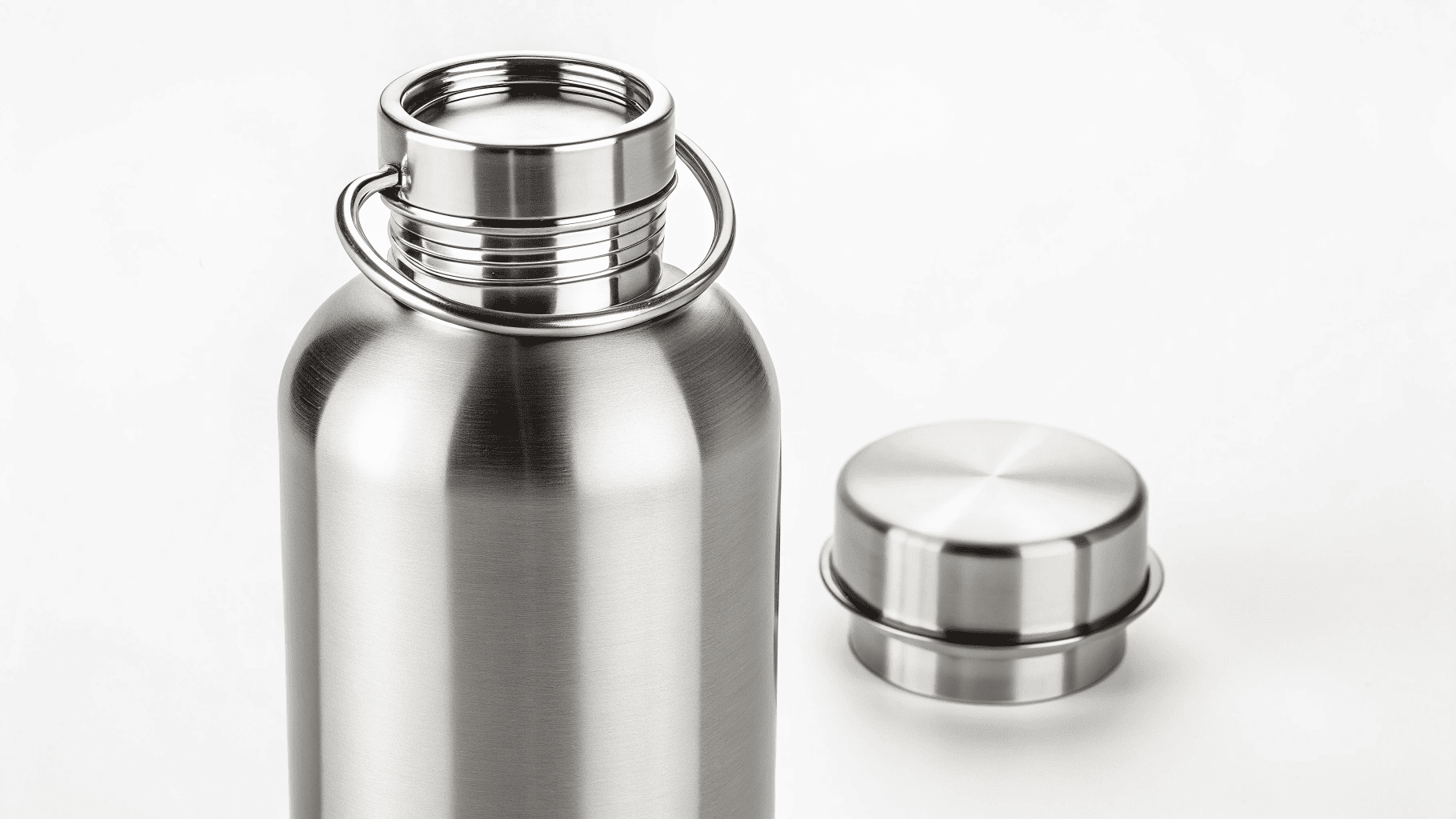
True dishwasher-safe insulated bottles exist but use different construction methods. They employ reinforced vacuum seals3 with high-temperature adhesives and thicker wall joints. Some premium models add protective coatings that shield the seal area from direct heat exposure. These modifications increase manufacturing costs significantly.
What makes a bottle genuinely dishwasher safe
I visited factories to understand how manufacturers achieve dishwasher compatibility. The process requires fundamental changes to standard vacuum bottle construction. Most suppliers who claim dishwasher safety simply hope buyers will not notice gradual insulation degradation. Real dishwasher-safe bottles need specific engineering.
The critical modification happens at the welding point where inner and outer walls meet. Standard bottles use a single-pass weld that creates an adequate seal for normal use. Dishwasher-safe models require triple-pass welding with stress-relief annealing. This process takes three times longer and demands more skilled workers. The result is a seal that can handle repeated thermal expansion without cracking.
Material selection also changes. Standard vacuum bottles use 0.4mm wall thickness because it provides good insulation while keeping weight reasonable. Dishwasher-safe versions need 0.5mm or even 0.6mm walls. The extra thickness adds structural integrity that prevents wall flexing during temperature changes. But thicker walls increase material costs and make bottles heavier.
The vacuum pulling process requires tighter tolerances. Standard bottles achieve vacuum levels around 0.01 pascals. Dishwasher-safe models target 0.001 pascals or better. This ten-fold improvement creates a stronger buffer against vacuum degradation. Even if minor leaks develop from thermal stress, the deeper initial vacuum maintains adequate insulation longer.
High-temperature gasket materials separate reliable dishwasher-safe bottles from pretenders. Standard silicone gaskets work fine for hand washing but degrade in commercial dishwashers within 30 cycles. I specify LFGB-certified silicone that maintains elasticity up to 200°C. This material costs 40% more than standard food-grade silicone but survives 100+ dishwasher cycles without hardening.
Testing protocols verify dishwasher safe4ty claims. I run samples through 50 commercial dishwasher cycles then measure insulation performance. The bottle must retain at least 80% of its original insulation capacity. I also check for leaks by filling bottles with colored water and running them through 10 more cycles. Any color transfer to the outside indicates seal failure.
Some manufacturers take a different approach entirely. They abandon vacuum insulation for school bottles and use foam insulation instead. Food-grade foam between walls provides moderate insulation that survives dishwashers easily. These bottles keep drinks cool for 4-6 hours instead of 12+ hours with vacuum insulation. For school use where bottles get refilled at lunch, this performance suffices while offering genuine dishwasher safety.
| Construction Type | Insulation Duration | Dishwasher Safe | Cost Premium |
|---|---|---|---|
| Standard Vacuum | 12-24 hours | No | Baseline |
| Reinforced Vacuum | 12-24 hours | Yes | +35-40% |
| Foam Insulated | 4-6 hours | Yes | +15-20% |
| Single Wall | 0 hours | Yes | -30% |
The certification question matters for school purchases. CPSIA requires testing for lead content and phthalates in products designed for children under 12. LFGB certification from Germany tests for material migration into food and beverages. Both certifications cost money to obtain and maintain. Suppliers who offer proper documentation either absorb these costs or pass them to buyers transparently. Be suspicious of suppliers who claim certifications but cannot provide test reports with batch numbers matching your order.
I always recommend requesting certification documents before placing orders. Legitimate certificates include testing laboratory names, dates, and specific test parameters. The documents should reference your exact product model numbers. Generic certificates that cover multiple unrelated products indicate the supplier may not have actually tested your specific bottles.
Conclusion
Finding school bottles that meet CPSIA, LFGB standards and survive dishwashers requires careful supplier selection. I verify certifications, test samples rigorously, and choose reinforced construction over standard vacuum bottles for institutional buyers.
-
BPA-free materials are essential for children's health, making this a key feature in school bottles. ↩
-
Explore how silicone-sealed straw lids enhance usability and prevent leaks in school bottles. ↩
-
Reinforced seals are crucial for maintaining insulation in dishwasher safe bottles. ↩
-
Discover the engineering behind dishwasher safe bottles to make informed purchasing decisions. ↩