
Shop Insulated Water Bottles for OEM: Which Specs Drive 2026 Landed Cost?
I watched a buyer lose $40,000 last month. He picked the wrong steel grade and his shipment failed FDA inspection at customs. Landed cost is not just FOB plus freight.
Three spec decisions control your 2026 landed cost: steel grade selection, vacuum insulation construction method1, and customization depth. Material choice creates 15-20% FOB variance while customization level determines tooling investment and MOQ flexibility2.
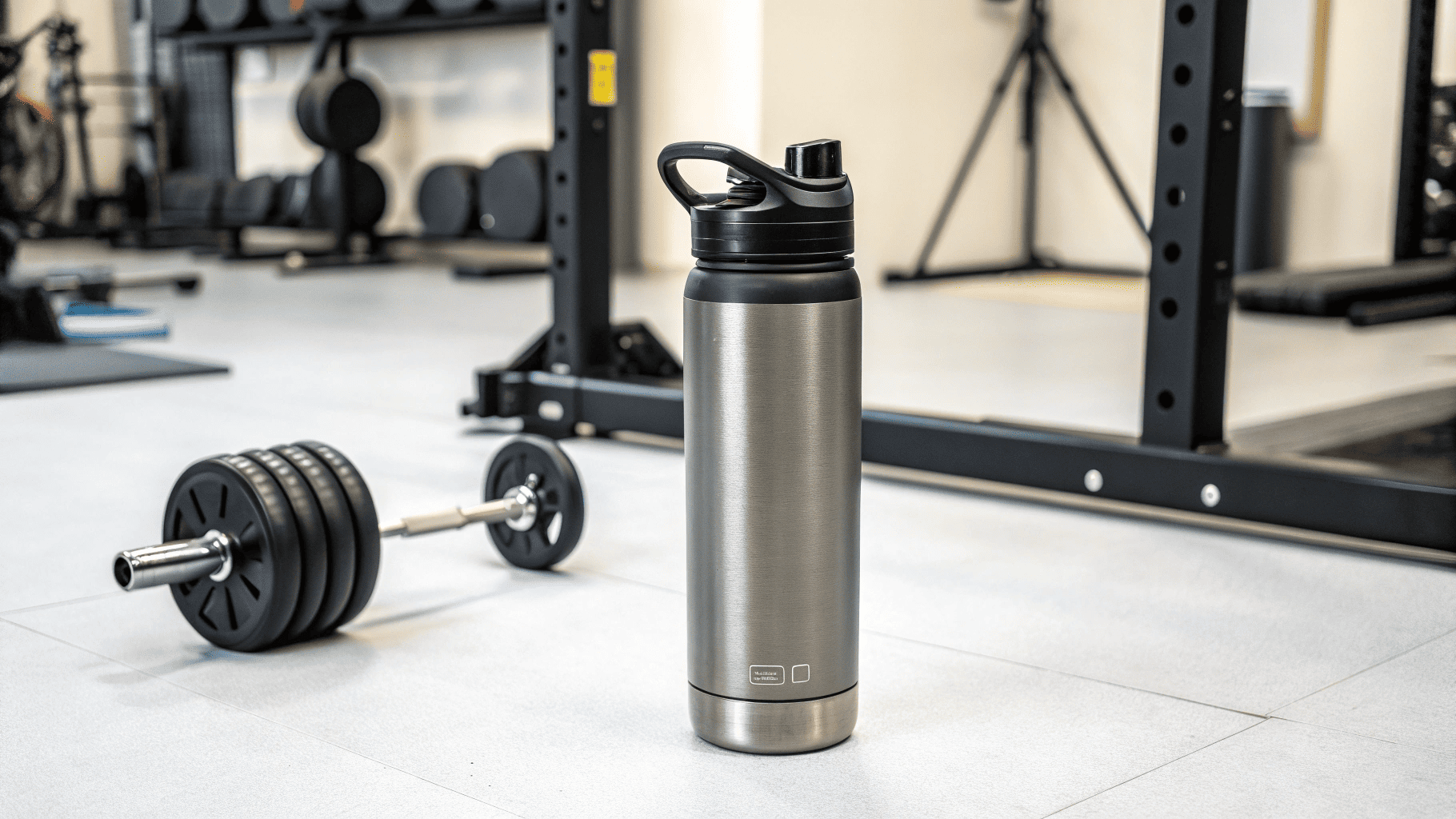
I have worked with over 200 B2B buyers since 2015. Most focus on unit price but ignore how specs multiply total landed cost3. Let me show you the numbers that matter.
Which Water Bottle Has the Best Insulation?
Your customers will return bottles if their coffee goes cold in two hours. Insulation performance directly impacts your brand reputation. I have seen distributors lose retail contracts over this issue.
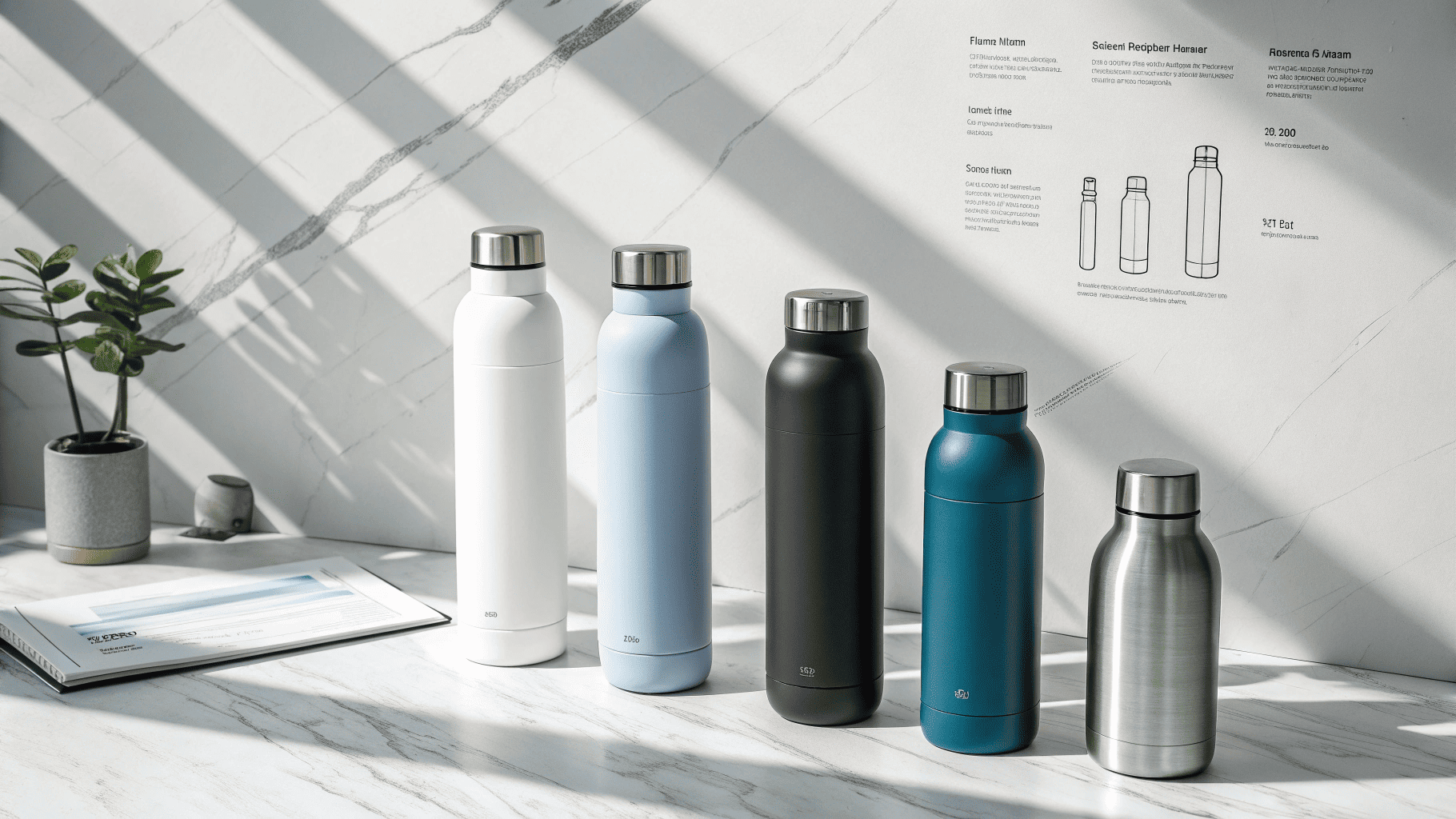
Double wall vacuum insulated construction provides the best thermal performance. The vacuum seal between stainless steel walls eliminates heat transfer through conduction and convection. Quality vacuum insulation keeps drinks hot for 12 hours and cold for 24 hours.
Understanding Vacuum Insulation Technology
I need to explain why vacuum insulation beats other methods. Some factories still try to sell foam-filled or air-gap designs at lower prices. These alternatives fail in real-world testing.
The vacuum layer removes air molecules between the inner and outer walls. Heat cannot transfer without a medium to carry it. This is basic physics but many buyers do not understand the cost difference comes from the vacuum sealing equipment investment.
Here is how different insulation types compare:
| Insulation Type | Hot Retention (12h) | Cold Retention (24h) | Cost Level | Durability |
|---|---|---|---|---|
| Vacuum Double Wall | 85-90% | 90-95% | High | Excellent |
| Foam Filled | 50-60% | 60-70% | Medium | Good |
| Air Gap | 30-40% | 40-50% | Low | Fair |
| Single Wall | 0-10% | 0-10% | Lowest | Poor |
The vacuum seal is permanent when done correctly. I always tell buyers to request vacuum retention testing certificates. A proper vacuum seal should maintain pressure below 0.005 Pa. If the factory cannot provide this data, they are cutting corners on the vacuum pumping process.
One more thing about cost: vacuum insulation adds $1.50-$2.50 per unit to FOB compared to foam alternatives. But your end customers will pay 30-40% more for proven vacuum performance. The math works in your favor.
What Is the #1 Selling Water Bottle Company in the US?
Your competitors are watching what works in the US market. I get this question from every new buyer during our first meeting. Brand leaders set the product standards you need to match.
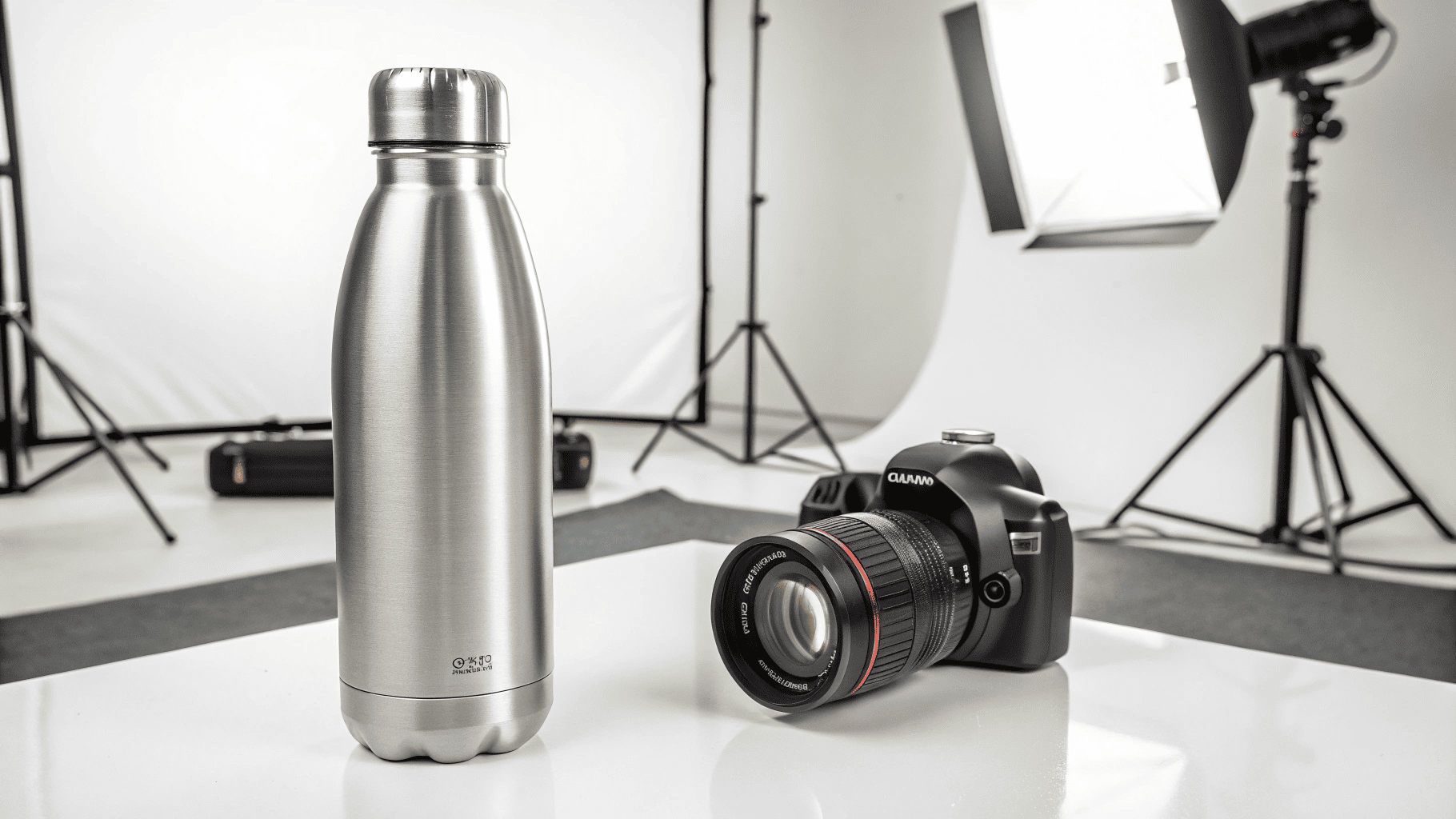
Hydro Flask and YETI dominate US insulated bottle sales, both using 18/8 food-grade stainless steel with vacuum insulation. Their success proves consumers pay premium prices for quality materials and reliable thermal performance.
Learning from Market Leaders
I studied what makes these brands successful. It is not just marketing. Their product specs create a quality baseline that B2B buyers must understand.
Both brands use 304 stainless steel, also called 18/8 because it contains 18% chromium and 8% nickel. This composition resists rust and does not leach metallic taste into beverages. They also standardized on powder coating4 for exterior finish because it survives dishwasher cycles better than spray paint.
Here is the spec breakdown of top-selling bottles:
| Brand Category | Steel Grade | Wall Construction | Typical Price Point | Key Feature |
|---|---|---|---|---|
| Premium (Hydro Flask, YETI) | 304 (18/8) | Vacuum Double Wall | $30-$50 | Lifetime warranty |
| Mid-Tier (Contigo, Takeya) | 304 (18/8) | Vacuum Double Wall | $15-$25 | Good value |
| Entry Level (Generic OEM) | 201 or 304 | Foam or Vacuum | $8-$12 | Basic function |
The pattern is clear. Serious brands do not compromise on steel grade or insulation method. They compete on design, color options, and lid innovation instead.
I recommend matching the 304 steel and vacuum insulation standard if you want retail placement. Buyers for large retail chains now require these specs as minimum qualification. Cutting corners on materials saves $2-3 per unit but costs you access to premium channels.
Is It Better to Drink Out of Aluminum or Stainless Steel?
I stopped quoting aluminum bottles in 2018. The requests dried up as buyers learned about the problems. Material choice affects product safety, shipping damage, and certification costs.
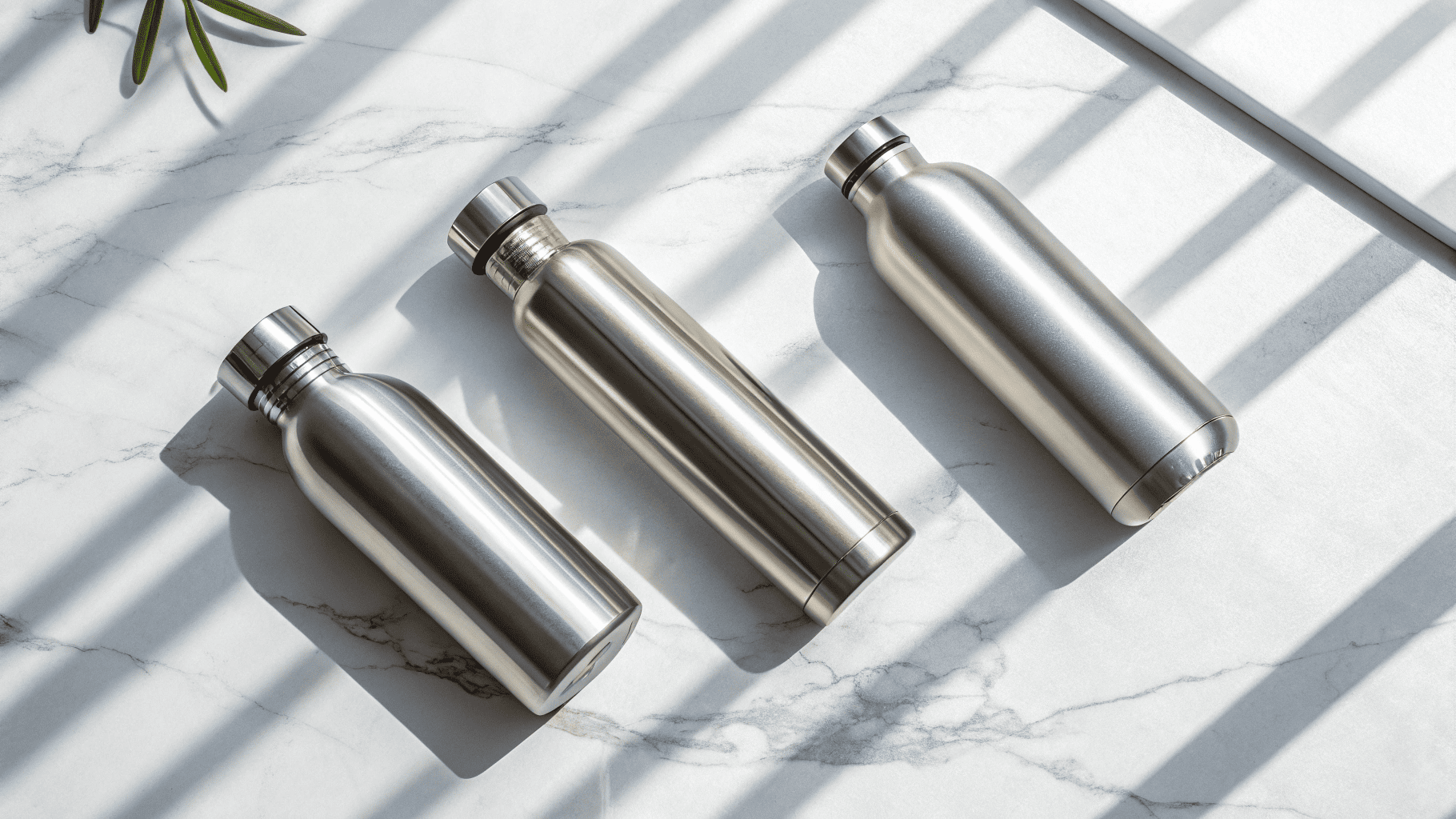
Stainless steel is better for beverage containers because it does not leach metallic taste, resists dents during shipping, and meets FDA food contact requirements without additional coating. Aluminum requires interior lining which adds cost and can chip over time.
Why Stainless Steel Dominates B2B Orders
Let me be direct about why I do not offer aluminum options anymore. Three technical problems make aluminum wrong for insulated drinkware.
First is the taste issue. Aluminum reacts with acidic beverages like coffee, tea, and juice. The metal ions dissolve into the liquid creating a metallic taste. Factories coat aluminum with food-safe epoxy liners but these coatings chip when customers drop the bottle. Once the coating cracks, the taste problem appears.
Second is the dent problem. I ship containers every month and aluminum bottles always have higher damage rates. Aluminum is softer than stainless steel so it dents easily during transit. Dented bottles cannot be sold as A-grade product. You end up paying for B-grade discounts or destruction fees.
Third is the certification problem. FDA requires additional testing for aluminum food contact surfaces. The testing costs $800-1200 per product line. Stainless steel 304 grade already has established food safety data so the testing is faster and cheaper.
Here is the real cost comparison:
| Factor | Stainless Steel 304 | Aluminum with Liner |
|---|---|---|
| Material Cost per Unit | $3.50-$4.00 | $2.80-$3.20 |
| Coating/Lining Cost | None needed | $0.40-$0.60 |
| Damage Rate in Shipping | 1-2% | 5-8% |
| FDA Testing Cost | $400-600 | $800-1200 |
| Consumer Perceived Value | High | Medium |
| True Landed Cost per Unit | $4.20-$4.80 | $4.60-$5.40 |
The math surprised my buyers when I first showed them these numbers. Aluminum looks cheaper on the FOB quote but the total landed cost is actually higher when you factor in damage and testing.
I have one more point about 2026 trends. Sustainability matters now. Stainless steel is infinitely recyclable without quality loss. Aluminum loses properties when recycled and the epoxy lining contaminates the recycling stream. Retailers increasingly audit supplier sustainability claims. Stainless steel gives you a cleaner story.
Conclusion
Material grade, insulation method, and customization depth are the three spec levers that control your 2026 landed cost. Pick 304 steel with vacuum construction and standard molds to optimize total investment.
-
Learn about the most effective insulation methods to improve thermal performance in products. ↩
-
Understanding MOQ flexibility can help you optimize inventory and production planning. ↩
-
Understanding landed cost is crucial for optimizing your supply chain and pricing strategy. ↩
-
Discover how powder coating enhances durability and aesthetics in beverage containers. ↩
