
Are wide-mouth insulated water bottle lids cross-compatible in 2026 for OEM?
You are planning your 2026 product line and wondering if you can offer cross-compatible lids. The compatibility promise sounds appealing, but reality is more complex than marketing suggests.
Wide-mouth insulated water bottle lids share similar dimensions but lack true cross-compatibility. Most brands use proprietary thread patterns and sealing systems. Your OEM strategy should focus on building your own lid ecosystem rather than chasing universal compatibility.

I learned this lesson the hard way when a customer requested compatible lids for multiple brands. The project failed because each brand protects its design differently. Let me share what I discovered about lid compatibility in 2026.
Are all Hydro Flask lids interchangeable?
Most buyers assume all Hydro Flask lids1 fit any Hydro Flask bottle. This assumption creates problems during bulk orders. You need to understand which lids actually work together.
Hydro Flask lids are only interchangeable within the same mouth-size category. A standard-mouth lid2 will not fit a wide-mouth bottle. Even within wide-mouth options, some specialty lids have unique requirements.
Understanding Hydro Flask's Lid System
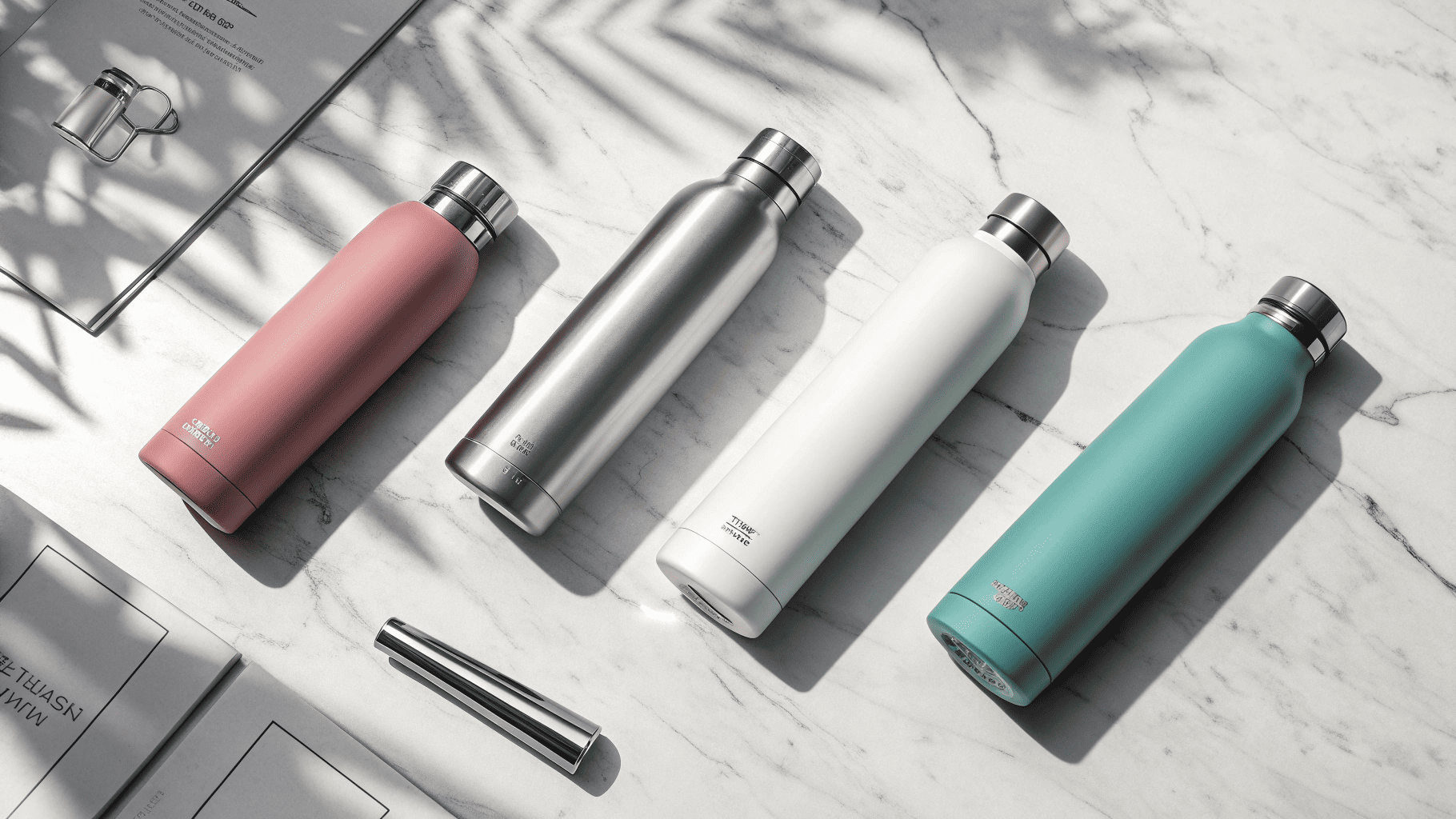
Hydro Flask divides their products into two main categories. The standard mouth measures approximately 1.75 inches. The wide mouth measures approximately 2.28 inches. These dimensions dictate which lids work with which bottles.
I tested this myself last month. I ordered several Hydro Flask bottles and lids for a customer sample. The wide-mouth straw lid fit perfectly on the wide-mouth bottle. But when I tried the flex sip lid from their coffee line, the threading was slightly different. The lid screwed on but did not seal properly.
Here is what I found during my testing:
| Lid Type | Wide Mouth Compatibility | Standard Mouth Compatibility | Special Notes |
|---|---|---|---|
| Standard Flex Cap | Yes | Yes | Basic screw-on design |
| Straw Lid | Wide mouth only | No | Requires wider opening |
| Flex Sip Lid | Coffee series only | Coffee series only | Different thread pitch |
| Sports Cap | Standard mouth only | Yes | Narrower spout design |
The coffee series lids use a modified thread pattern. Hydro Flask did this to optimize the drinking experience for hot beverages. The result is a lid system that looks compatible but is not fully interchangeable.
Your OEM customers will face the same issue. If you copy Hydro Flask's approach, you create multiple SKUs and inventory challenges. But you also protect your product line from cheap knockoffs.
Can I put an Owala lid on a Hydro Flask?
Your customer asks if they can mix and match lids between popular brands. They want to offer Owala's innovative drinking system on your bottles. This request seems reasonable until you examine the engineering.
Owala lids do not fit Hydro Flask bottles due to different thread patterns and spout mechanisms. The FreeSip technology requires specific bottle neck geometry. Forcing compatibility risks leaks and customer complaints.

Why Cross-Brand Compatibility Fails
I recently worked with a startup founder who wanted to source bottles from me and lids from another supplier. He thought this would give him the best of both worlds. The project collapsed within three weeks.
The first problem was thread pitch. Thread pitch refers to the distance between threads on the bottle neck. Hydro Flask uses a standard pitch that works with their lid designs. Owala uses a slightly different pitch to accommodate their FreeSip mechanism. When you try to force an Owala lid onto a Hydro Flask bottle, the threads engage but do not seal completely.
The second problem was neck height. Owala bottles have a taller neck to support the dual-functionality spout. The straw inside the FreeSip lid reaches a specific depth. If you put this lid on a Hydro Flask bottle, the straw length is wrong. Users either cannot reach the water or the straw hits the bottom awkwardly.
The third problem was patent protection3. Owala holds patents on their FreeSip design. Even if you successfully adapted the lid to fit different bottles, you would face legal issues. I learned this when researching similar designs for a customer. Our legal team advised against any design that mimicked the dual-sip functionality.
I always tell my customers to think long-term. Developing your own lid system costs more upfront. You need molds, testing, and certification. But you own the design. You control the supply chain. You build brand recognition through distinctive features.
Why are people swapping Owala lids?
You see social media posts about lid swapping4 and wonder if this trend affects your business. Customers share videos of their favorite lid combinations. The trend suggests demand for customization and variety.
People swap lids within the same brand to match different activities and drinking preferences. They rarely swap between brands successfully. The trend reveals consumer desire for versatile drinking options rather than universal compatibility.
The Psychology Behind Lid Preferences
Last year I attended a trade show in Las Vegas. I spent three days talking to retailers and end users. One conversation changed how I think about lid design.
A woman approached our booth. She carried an Owala bottle with three different lids in her bag. I asked why she needed so many lids. She explained that she used the FreeSip lid for the gym because she could drink quickly during workouts. She switched to a simple screw cap for her commute because it was quieter and less likely to leak in her bag. She used a straw lid at her desk because she could drink without looking away from her computer screen.
This conversation taught me something important. Consumers do not want universal compatibility between brands. They want versatility within their chosen brand. They form emotional connections to specific products. Then they seek accessories that enhance their experience.
The hybrid two-in-one lid popularity proves this point. Users appreciate having options without carrying multiple bottles. The spout allows big gulps during intense activities. The straw enables small sips during meetings or while driving. This flexibility happens within one lid rather than through brand mixing.
Here is what drives lid-swapping behavior:
| Motivation | Consumer Need | OEM Opportunity |
|---|---|---|
| Activity-specific drinking | Different flow rates for different situations | Offer multiple lid styles in one product line |
| Aesthetic preference | Match bottle color or personal style | Provide various color options for each lid type |
| Functionality upgrade | Add features like handles or carrying loops | Design modular accessories within your ecosystem |
| Replacement after damage | Replace lost or broken lids | Sell lids separately with clear compatibility information |
I now recommend that OEM buyers develop at least three lid options for each bottle size. A basic screw cap serves as the default option. A sports lid appeals to active users. A straw lid targets office workers and drivers. This approach gives customers choice without creating compatibility confusion.
The key is clear communication. Your product packaging should show which lids work with which bottles. Your website should have a compatibility chart. Your sales team should understand the limitations. When customers know exactly what works together, they feel confident buying multiple accessories. When compatibility is unclear, they hesitate to invest in your ecosystem.
Conclusion
Wide-mouth lid compatibility in 2026 depends on building your own ecosystem rather than chasing universal standards. Focus on offering variety within your product line while maintaining clear compatibility guidelines.
-
Learn about Hydro Flask's lid system and the importance of understanding compatibility for bulk orders. ↩
-
Discover the differences between standard-mouth and wide-mouth lids to avoid compatibility issues. ↩
-
Understand the legal implications of lid design and the importance of patent protection. ↩
-
Explore the trend of lid swapping and what it reveals about consumer preferences. ↩