
What is a metal water bottle, and how do buyers spec 304 vs 201 in RFQs?
You receive an RFQ for 10,000 metal water bottle1s. The price looks good until you discover the supplier used SS201 for the inner wall. Your customer finds rust after three months. Your brand reputation takes a hit.
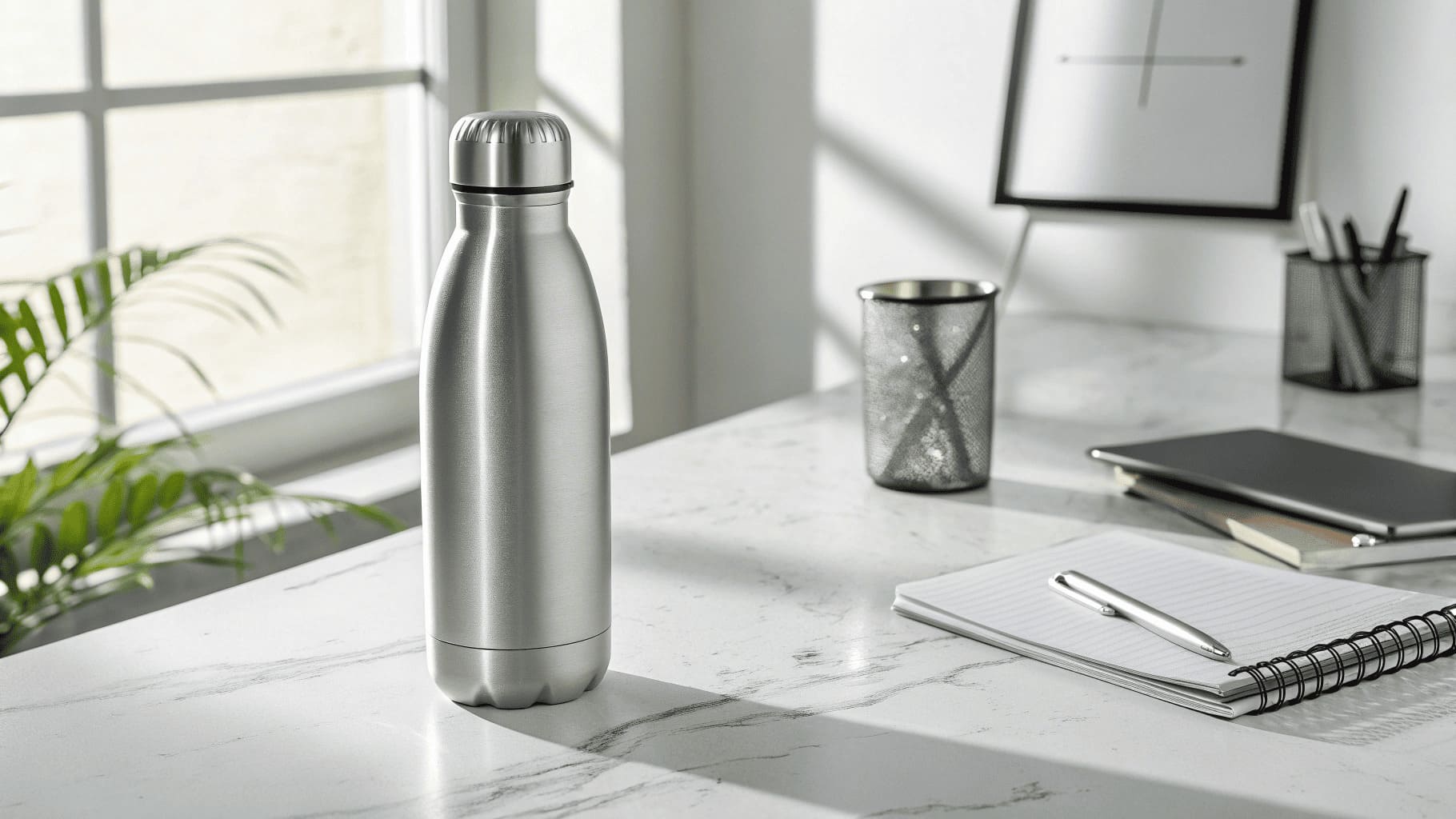
A metal water bottle is drinkware made from stainless steel alloys. In B2B procurement, SS304 and SS201 are the most common grades. SS304 is food-grade with 18% chromium and 8% nickel. SS201 is cheaper but not safe for food contact.
I have seen this mistake too many times in my 15 years at Icobottle. Buyers focus on unit price and forget about material safety. The result is always the same. Customers complain. Returns pile up. The relationship ends. Understanding the difference between these steel grades will save you from these problems.
What is the meaning of SS 304 water bottle?
You see "SS304" stamped on the bottom of a water bottle. You assume it means quality. But do you know what those numbers actually guarantee for your order?
SS304 water bottle means the container is made from 18/8 stainless steel. This grade contains at least 18% chromium and 8% nickel. It is FDA compliant and safe for direct food contact.

The technical definition of SS304
I always start material discussions with the basic composition. SS304 stainless steel belongs to the austenitic family. The 18% chromium creates a passive oxide layer on the surface. This layer protects the steel from corrosion. The 8% nickel adds structural stability and improves the material's resistance to acidic beverages.
The industry uses a simple rule for verification. If the chromium content exceeds 18% and nickel exceeds 8%, the steel qualifies as SUS304 stainless steel. We test every batch at Icobottle using X-ray fluorescence analyzers. I recommend buyers request these test reports with every shipment.
Why SS304 became the industry standard
SS304 earned its position through proven safety. The material is BPA free. It does not leach chemicals into beverages. I have sold SS304 bottles to customers in America and Europe for over a decade. We have never received a health complaint.
The material works for both hot and cold liquids. Coffee stays hot for 6 hours. Ice water remains cold for 12 hours. The double-wall vacuum insulation2 performs consistently because SS304 maintains its properties across temperature ranges.
| Property | SS304 Performance | Application Benefit |
|---|---|---|
| Chromium content | 18% minimum | Corrosion resistance |
| Nickel content | 8% minimum | Structural stability |
| FDA compliance | Yes | Safe for food contact |
| Temperature range | -40°C to 200°C | Hot and cold beverages |
| BPA content | Zero | No chemical leaching |
How SS304 appears in B2B specifications
I receive RFQs every week. Professional buyers specify material requirements clearly. They write "inner wall material: SS304 minimum" in the technical section. They request SGS testing reports3 and FDA compliance certificates.
Smart buyers go further. They specify the testing method. They ask for XRF analysis results. They want to see the exact percentage of chromium and nickel. This level of detail prevents supplier fraud.
What are the disadvantages of 304 steel?
Your supplier quotes SS304 material. The price seems reasonable. Then production delays start. The manufacturer blames the material. You wonder if SS304 has hidden problems.
SS304 has three main disadvantages. It shows poor sulfur resistance. It has poor reduction resistance. The material can be difficult to process during manufacturing, which increases production time and cost.
Processing challenges in manufacturing
I manage production at Icobottle. SS304 requires more force during deep drawing operations. Our presses need higher tonnage compared to working with SS201. The material work-hardens quickly. This means we must use multiple forming stages for complex shapes.
Tool wear increases with SS304. We replace cutting tools more frequently. The material generates more heat during machining. This requires better coolant systems and slower feed rates.
Chemical resistance limitations
SS304 performs poorly in sulfur-rich environments. The material can develop pitting corrosion when exposed to sulfides. I have seen this issue in industrial settings where water contains high sulfur content.
The reduction resistance problem appears less often. It becomes relevant in specific chemical processes. For normal beverage applications, this disadvantage does not matter. Coffee, tea, and fruit juices do not create reducing environments.
Cost implications for buyers
These disadvantages translate into higher costs. Manufacturing takes longer. Tool replacement adds expense. Skilled operators demand higher wages because SS304 requires more expertise to work with.
I always explain this to new buyers. The higher unit price for SS304 reflects real manufacturing challenges. A supplier offering SS304 bottles at SS201 prices is either cutting corners or committing fraud. The economics do not support such pricing.
| Disadvantage | Impact on Production | Impact on Cost |
|---|---|---|
| High work-hardening | Multiple forming stages needed | 15-20% longer production time |
| Poor machinability | Frequent tool replacement | 10-15% higher tooling cost |
| Sulfur sensitivity | Limited water source compatibility | Potential warranty claims |
| Higher material hardness | Specialized equipment required | Initial capital investment |
What is the healthiest water bottle to use?
You want to offer premium products to health-conscious customers. You see claims about surgical-grade steel and medical-grade materials. You need to know which material actually delivers the best health benefits.
SS316 medical-grade stainless steel is the healthiest option. It offers superior acid resistance, alkali corrosion resistance, and heat resistance compared to SS304. Manufacturers use this grade in medical equipment and surgical instruments.
Understanding the SS316 advantage
SS316 contains molybdenum in addition to chromium and nickel. The typical composition is 16-18% chromium, 10-14% nickel, and 2-3% molybdenum. This extra element provides exceptional corrosion resistance.
I source SS316 material for premium customers who target high-end markets. The performance difference becomes clear in long-term use. SS316 bottles maintain their surface finish after years of use. SS304 bottles may show minor pitting or discoloration.
Comparing health safety across grades
All three common grades - SS201, SS304, and SS316 - present different health profiles. SS201 fails the basic safety test. Metal ions precipitate when heated. This leaching can harm health over time. I refuse to use SS201 for any food-contact surface.
SS304 meets FDA requirements and passes food safety standards. The material is inert. It does not react with beverages. I have sold hundreds of thousands of SS304 bottles. The safety record is excellent.
SS316 exceeds SS304 in every health metric. The material resists bacterial growth better. The surface remains smoother, which prevents bacteria from colonizing microscopic pits. Medical facilities choose SS316 for surgical instruments for these reasons.
Positioning SS316 in your product line
I recommend a tiered approach for B2B buyers. Use SS304 for your standard line. The material delivers excellent value and safety. Reserve SS316 for premium products where customers will pay for superior quality.
Marketing SS316 requires education. Many buyers do not understand the difference. I create comparison charts for customers. I explain the surgical-grade positioning. The higher price becomes justified when buyers understand the health benefits.
| Material Grade | Health Safety | Corrosion Resistance | Typical Application | Price Premium |
|---|---|---|---|---|
| SS201 | Not food-safe | Low | Outer wall only | Baseline |
| SS304 | FDA compliant | Good | Standard products | +30-40% |
| SS316 | Medical grade | Excellent | Premium products | +60-80% |
Writing RFQ specifications for maximum safety
I help buyers draft technical specifications. The material section should be explicit. Write "inner wall material: SS304 minimum, SS316 preferred." Include testing requirements. Request material certificates with every shipment.
Specify the testing method. XRF analysis provides fast, accurate results. SGS or similar third-party labs should conduct the testing. Do not accept supplier self-certification. I have seen too many cases of material fraud.
Add a clause for random batch testing. Reserve the right to send samples for independent analysis. This clause alone prevents many suppliers from substituting cheaper materials.
The payment terms should reflect material verification. Hold 10-20% of payment until you receive and verify material certificates. This gives you leverage if the supplier ships incorrect grades.
Conclusion
SS304 serves as the reliable standard for metal water bottles. SS316 elevates quality for premium markets. SS201 creates risks that no responsible buyer should accept. Specify materials clearly in your RFQs to protect your brand.
-
Explore the advantages of metal water bottles, including durability and safety, to make informed purchasing decisions. ↩
-
Learn about the technology behind double-wall vacuum insulation and its benefits for temperature retention. ↩
-
Understand the significance of SGS testing reports in verifying material quality and safety. ↩