
Are Insulated Thermal Coffee Mugs Certified LFGB and FDA for Retail in EU/US?
You need certified products to sell in regulated markets. Many buyers lose money because they skip certification checks. Your shipment can get rejected at customs without proper approvals.
Yes, quality insulated thermal coffee mugs from reputable manufacturers carry both LFGB and FDA certifications. These certifications prove the products meet food contact safety standards1 for European and American markets.
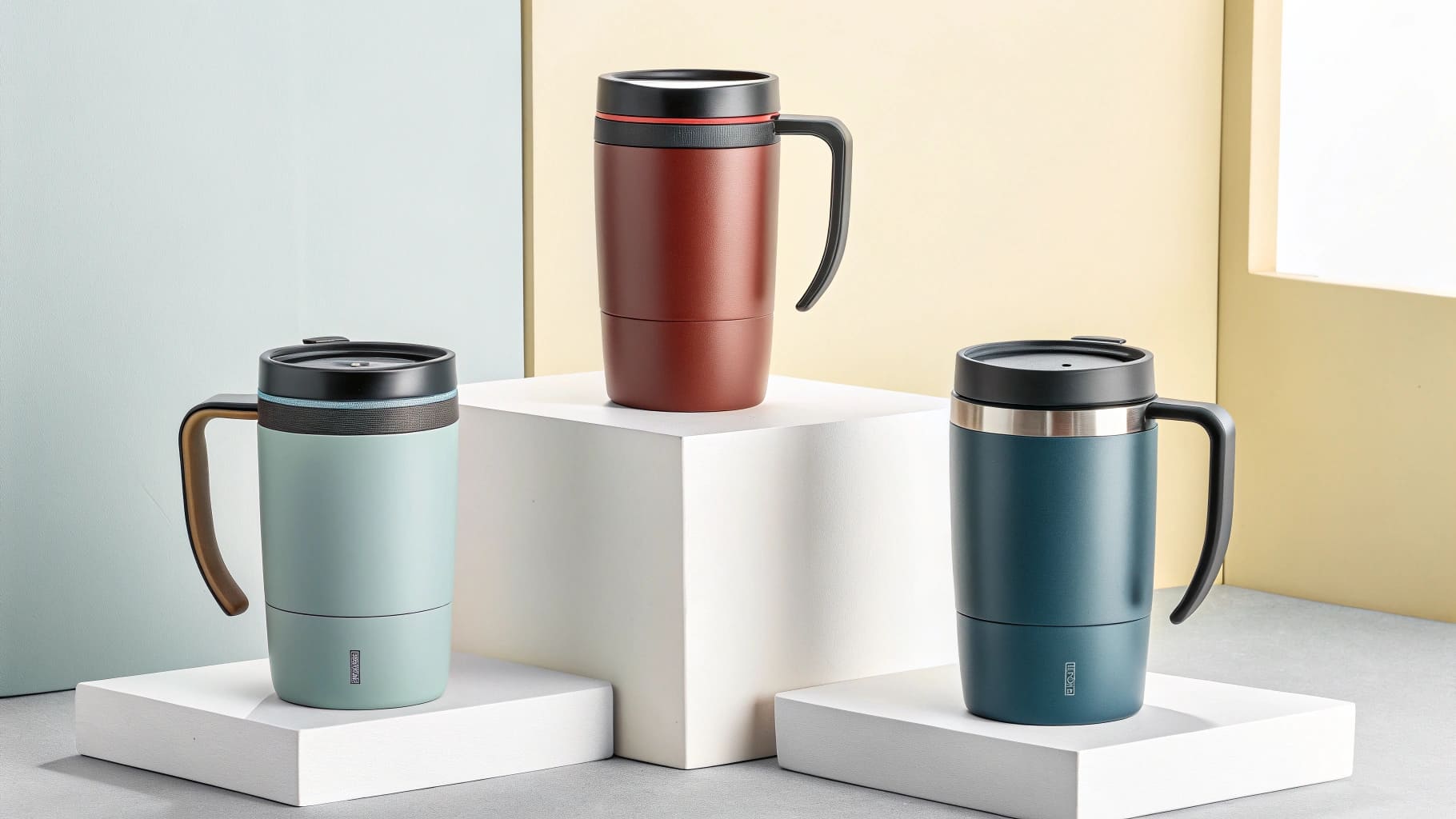
I talk to buyers every week who face the same challenge. They find a great supplier with competitive prices, then discover the products lack proper certifications. This mistake costs them thousands in rejected shipments and missed sales seasons. Let me share what I learned after years of helping clients navigate this certification maze.
What Is the Difference Between LFGB and FDA?
You see these acronyms everywhere but no one explains what they actually mean. Your customs broker keeps asking for documents. You need to understand the real differences to make smart sourcing decisions.
LFGB is the German food contact standard that applies across the EU. FDA is the US regulatory body that approves materials for food contact use. Both ensure safety but test different parameters and follow different approval processes.

Certification Scope and Testing Requirements
I remember when one of my Canadian clients ordered 5,000 coffee mugs without checking the certification details. The products had FDA approval but the European distributor rejected them because they lacked LFGB certification2. He lost three months waiting for recertification.
LFGB tests focus on migration levels of specific substances into food simulants. The German standard examines how materials behave under various conditions like heat and acidity. FDA approval looks at whether materials are Generally Recognized as Safe for their intended use. The testing methods differ significantly.
| Aspect | LFGB | FDA |
|---|---|---|
| Geographic Scope | Germany and EU | United States |
| Testing Focus | Migration analysis | Material safety |
| Renewal | Periodic retesting | Ongoing compliance |
| Documentation | German language reports | English reports |
| Cost Range | Higher testing fees | Moderate fees |
The approval process takes different amounts of time too. LFGB testing usually takes 4-6 weeks because labs need to run multiple migration tests. FDA approval can happen faster if you use pre-approved materials. But custom formulations need extensive documentation.
Regulatory Authority and Legal Framework
The difference in how these systems work matters for your business planning. LFGB operates under German law but influences all EU member states. FDA has direct enforcement power in the US market. Both can stop your products at the border.
I always tell my clients to budget for both certifications from the start. Getting LFGB certification after FDA approval means additional testing costs. The chemical composition reports from FDA testing do not automatically transfer to LFGB requirements. You need separate test reports for each market.
What Is the Safest Non Toxic Coffee Mug?
You want to sell products that keep your customers safe. Bad publicity from toxic materials destroys brands overnight. Safety should never be an afterthought in product selection.
The safest non-toxic coffee mugs use 18/8 food-grade stainless steel with BPA-free lids and silicone seals. These materials resist corrosion, never leach chemicals, and maintain taste neutrality across all temperatures.

Material Grade Standards
I source materials from multiple suppliers and the quality difference is obvious. Grade 304 stainless steel contains 18% chromium and 8% nickel. This composition creates a protective layer that prevents rust and chemical reactions. Grade 316 adds molybdenum for even better corrosion resistance.
The numbers tell you exactly what you get. Lower-grade stainless steel saves money upfront but causes problems later. I saw one client deal with customer complaints about metallic taste. Their supplier used inferior steel to cut costs. The returns ate up all their profit margins.
| Material Component | Safety Feature | Why It Matters |
|---|---|---|
| 18/8 Stainless Steel | Non-reactive surface | No metallic taste |
| BPA-Free Plastic | No hormone disruptors | Safe for hot liquids |
| Food-Grade Silicone | No phthalates | Durable sealing |
| Lead-Free Paint | No heavy metals | Safe external coating |
| Virgin Materials | No recycled contamination | Consistent quality |
Your lid components need the same attention as the mug body. Many suppliers use cheap plastic gaskets that contain phthalates. These chemicals leach into hot coffee and create health risks. I only work with manufacturers who provide material safety data sheets for every component.
Testing and Verification Methods
Quality control extends beyond initial certification. I visit factories quarterly to audit their production processes. The best manufacturers test every production batch. They keep detailed records of material sources and test results.
You can verify safety claims through third-party testing labs3. Send sample products to independent facilities for analysis. This extra step protects your brand reputation. I learned this lesson when a factory showed me someone else's test reports. Their actual products failed basic migration tests.
What Is the Difference Between FDA and EU Approval?
Markets demand different proof of safety. Your EU distributor wants different documents than your US retailer. Understanding these requirements prevents costly delays and restocking fees.
FDA approval focuses on pre-market safety assessment of materials and additives. EU approval requires comprehensive chemical migration testing4 and ongoing compliance monitoring. Both systems aim to protect consumers but use different evaluation frameworks.
Approval Process and Timeline
The FDA system lets you use materials on the Generally Recognized as Safe list without pre-approval. You file a Food Contact Notification if you use new materials or processes. The review takes several months. EU regulations require testing before any market entry.
I guide clients through both processes regularly. FDA approval starts with determining if your materials need notification. You compile safety data and manufacturing details. The FDA reviews your submission and may request additional information. The entire process takes 120 days minimum if everything goes smoothly.
| Process Stage | FDA Approach | EU Approach |
|---|---|---|
| Initial Review | Material classification | Migration testing |
| Documentation | Safety assessments | Test reports |
| Timeline | 4-5 months | 6-8 weeks |
| Renewal | Not required | Periodic updates |
| Compliance Proof | Supplier letters | Lab certificates |
EU approval requires you to work with accredited testing laboratories. These labs run specific migration tests using food simulants. They measure how much of each substance transfers from the mug into liquids. The test conditions simulate real-world use including hot coffee and acidic beverages.
Market-Specific Requirements
Each market adds its own layers of compliance beyond basic FDA or LFGB approval. California requires Proposition 65 compliance5 for lead and other chemicals. The EU demands REACH registration for certain substances. These additional requirements catch many buyers off guard.
I help clients map out the full compliance picture before they commit to orders. A complete certification package includes FDA approval, LFGB certification, Prop 65 compliance, REACH registration, and BPA-free verification. This comprehensive approach lets you sell across all major markets without restriction. The upfront investment in proper certification pays off through unrestricted market access.
Conclusion
Choose manufacturers who maintain current FDA and LFGB certifications. Verify material safety through independent testing. Plan for comprehensive compliance across all target markets.
-
Discover essential food contact safety standards to protect your brand and customers. ↩
-
Learn about LFGB certification to ensure your products meet EU food safety standards. ↩
-
Explore how third-party testing labs ensure product safety and compliance. ↩
-
Understand the process of chemical migration testing to ensure product safety. ↩
-
Learn about Proposition 65 compliance to avoid legal issues in California. ↩