
Which insulated tumblers pass dishwasher, drop, and salt spray tests in 2026?
I watched a buyer lose $50,000 last year. His tumblers failed in dishwashers after just three cycles. He needed certified products but trusted the wrong supplier.
Tumblers passing all three tests use 304 18/8 food grade stainless steel with proper vacuum insulation and electro-polished interiors. Look for CE, FDA, and LFGB certifications1. These indicate the manufacturer follows strict testing protocols for durability and safety.
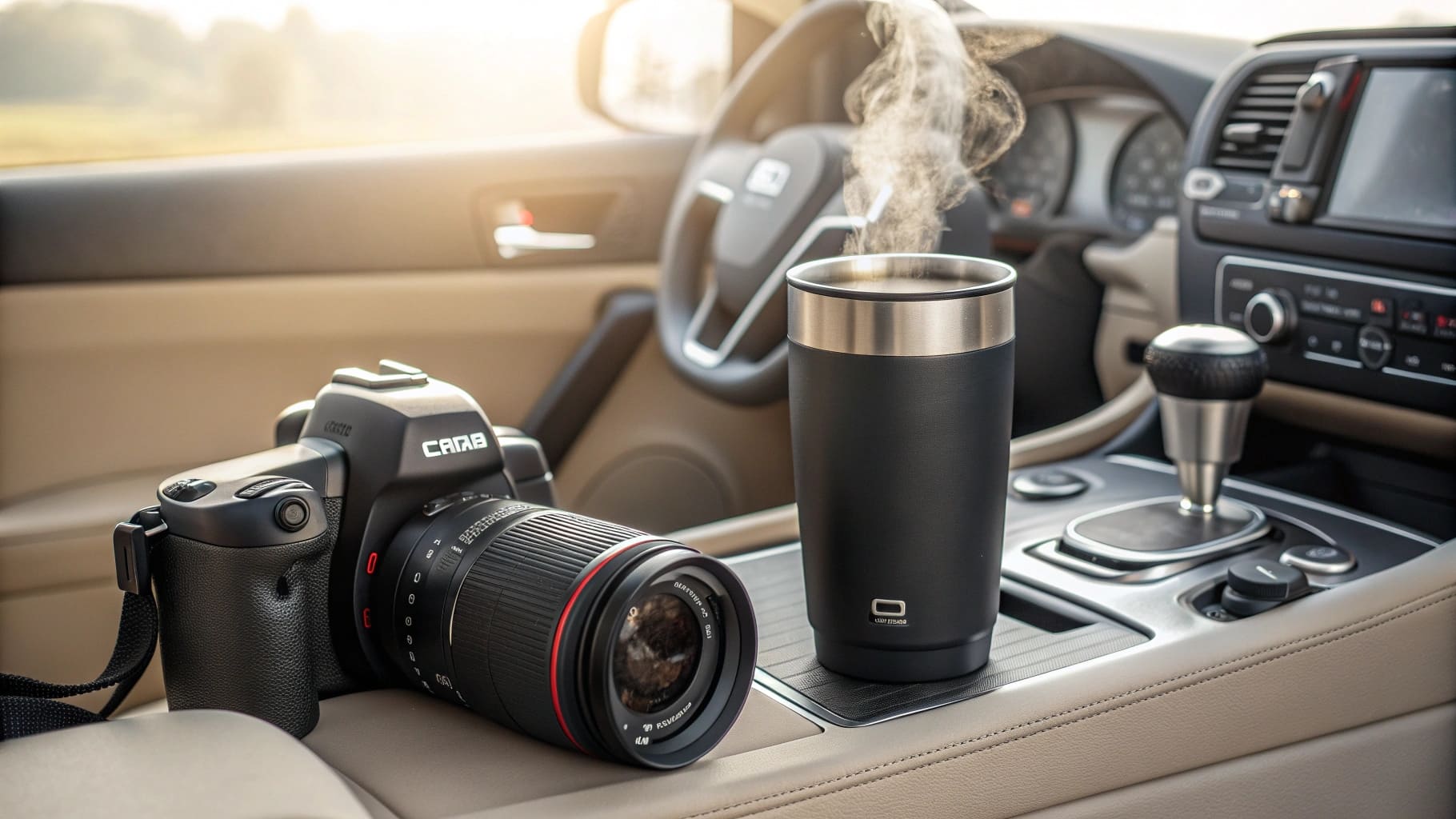
I've manufactured stainless steel drinkware for European and American markets since 2015. I've seen buyers make expensive mistakes. They focus on price instead of specifications. They skip certification checks. They never ask about testing equipment. This costs them money and reputation. Understanding what makes a tumbler truly durable saves you from these problems.
What is the highest rated insulated tumbler?
The highest rated tumblers share specific features. They don't just look good. They perform under stress. Most buyers never learn what separates premium from mediocre.
Premium tumblers feature 304 18/8 stainless steel construction, 0.6mm minimum wall thickness, copper vacuum insulation layer, and powder coat finish2 that withstands 500+ dishwasher cycles. They maintain temperature for 6-12 hours and survive drops from 1.5 meters onto concrete surfaces.

Key Technical Specifications
I test every batch we produce. Here's what actually matters:
| Component | Standard Grade | Premium Grade |
|---|---|---|
| Steel Type | 201 stainless steel | 304 18/8 food grade |
| Wall Thickness | 0.4mm | 0.6mm or higher |
| Vacuum Level | Standard | High vacuum sealed |
| Interior Finish | Basic polish | Electro-polish |
| Drop Test | 0.8 meters | 1.5 meters |
| Temperature Retention | 4 hours | 6-12 hours |
Manufacturing Process Impact
The production method changes everything. I've visited factories across China. Some cut corners you never see. They use thinner steel. They skip proper polishing steps. They don't test vacuum seal quality.
Our facility uses automated pressing machines. This creates uniform wall thickness. Manual pressing creates weak points. These weak points crack during drops. They also fail faster in dishwashers because stress concentrates in thin areas.
Can insulated tumblers go in the dishwasher?
Many buyers ask me this question. They worry about damaging expensive products. They've heard conflicting information. Some manufacturers say yes. Others warn against it. The truth depends on construction quality.
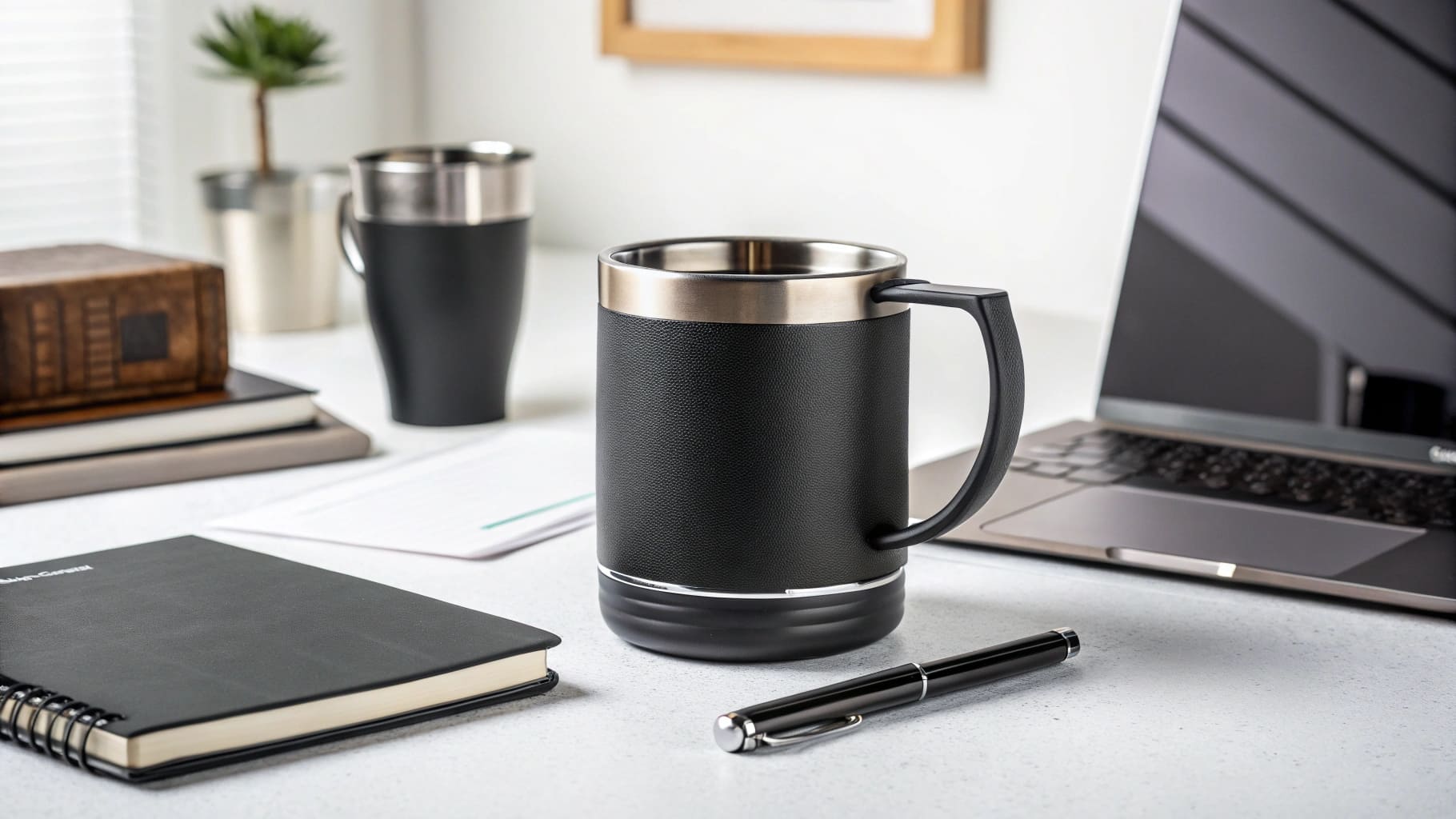
Quality insulated tumblers with proper sealing, food-grade materials, and durable exterior coatings can safely go in dishwashers. The vacuum insulation3 must be completely sealed. The exterior coating must withstand high temperatures and harsh detergents without peeling or discoloring.
Dishwasher Safety Requirements
I learned this the hard way in 2017. A buyer returned 5,000 units. The coating peeled after dishwasher use. We hadn't tested our powder coat properly. Now I test everything.
Critical Factors:
-
Vacuum Seal Integrity - Water must never penetrate the vacuum layer. We test this by submerging tumblers in boiling water for 30 minutes. If bubbles appear, the seal failed.
-
Coating Technology - Standard paint fails quickly. We use electrostatic powder coating. This bonds at molecular level. It survives 500+ cycles in commercial dishwashers.
-
Lid Components - Plastic lids often contain the weak point. We use BPA-free Tritan plastic4. It withstands temperatures up to 120°C. Regular plastic warps at 80°C.
Testing Protocol
Every production run goes through our testing sequence:
- Place 10 sample units in industrial dishwasher
- Run 50 cycles at 65°C with commercial detergent
- Inspect for coating damage, seal failure, or deformation
- Test temperature retention before and after
- Document any changes in performance
Are YETI insulated tumblers dishwasher safe?
Buyers constantly ask me about brand names. They want to know if premium brands justify higher prices. They wonder if manufacturing quality really differs. I manufacture products that compete with these brands.
YETI tumblers are dishwasher safe due to their 18/8 stainless steel construction and DuraCoat finish. However, many quality OEM manufacturers produce tumblers with identical or superior specifications at competitive prices. The key difference lies in branding costs rather than manufacturing quality.
Comparing Manufacturing Standards
I've studied YETI's specifications carefully. We can match or exceed them. Here's what I found:
| Feature | YETI Standard | Our OEM Capability |
|---|---|---|
| Steel Grade | 18/8 Stainless | 304 18/8 Food Grade |
| Vacuum Insulation | Double-wall | Double-wall copper layer |
| Drop Test | Passes 1.2m | Passes 1.5m |
| Dishwasher Cycles | 500+ | 500-1000+ |
| Temperature Hold | 6-8 hours | 6-12 hours |
| Certifications | FDA approved | FDA, CE, LFGB |
The Real Cost Difference
A buyer once told me his story. He paid $35 per YETI tumbler. We quoted him $8.50 for equivalent specifications. He didn't believe me at first. I sent him samples. He tested them side by side. He found no performance difference.
The price gap comes from:
- Brand marketing budgets
- Retail distribution costs
- Premium positioning strategy
- Limited production flexibility
When you buy direct from manufacturers like us, you skip these costs. You get the same quality. You add your own branding. You control your margins.
Salt Spray Test Performance
This test reveals true quality. Cheap tumblers fail within 48 hours. Premium products survive 96+ hours without rust or corrosion.
Our Testing Method:
- Mix 5% salt solution at 35°C
- Expose tumblers to continuous salt spray
- Check for rust every 24 hours
- Document first signs of corrosion
- Compare against industry standards
Quality 304 stainless steel naturally resists corrosion. The electro-polished interior adds extra protection. The powder coat exterior creates a barrier. All three layers work together. This combination passes even the harshest salt spray test5s.
Certification Importance
I never ship products without proper certifications. Many buyers learned this lesson too late. Their shipments got held at customs. They faced rejection from retailers. They couldn't sell their inventory.
Essential Certifications:
- FDA approval for food contact
- CE marking for European markets
- LFGB for German regulations
- ISO 9001 for quality management
- BPA-free testing for safety
Each certification requires specific testing. We maintain relationships with accredited labs. We can provide documentation within days. This speeds up your product launch. It also protects your business from compliance issues.
Conclusion
Focus on specifications over brand names. Request 304 18/8 steel, proper certifications, and documented test results. Work with manufacturers who understand your market requirements and can demonstrate their quality control processes.
-
Discover the significance of these certifications in ensuring product safety and quality. ↩
-
Find out how powder coat finishes enhance durability and aesthetics in drinkware. ↩
-
Learn about vacuum insulation technology and its importance in maintaining beverage temperature. ↩
-
Learn about the benefits of using BPA-free Tritan plastic in tumbler lids. ↩
-
Explore the importance of salt spray tests in assessing the durability of tumblers. ↩