
Which insulated coffee mugs with handles keep flavor neutral for offices?
You pour fresh coffee into your office mug. You taste yesterday's tea. This happens because most mugs trap flavors in their walls.
Premium 18/8 food-grade stainless steel mugs1 with electropolished interiors solve this problem. The smooth inner surface resists flavor absorption. Your morning espresso tastes pure every time.

I have supplied thousands of coffee mugs to offices across North America. The most common complaint I hear is about lingering flavors. One client from Vancouver told me their team stopped using branded mugs because the coffee tasted metallic. We switched them to electropolished stainless steel mugs. The problem disappeared.
What is the most ergonomic coffee mug?
Your hand cramps after holding your coffee mug during long meetings. You fumble with the handle while typing emails. Poor ergonomics costs you comfort and productivity.
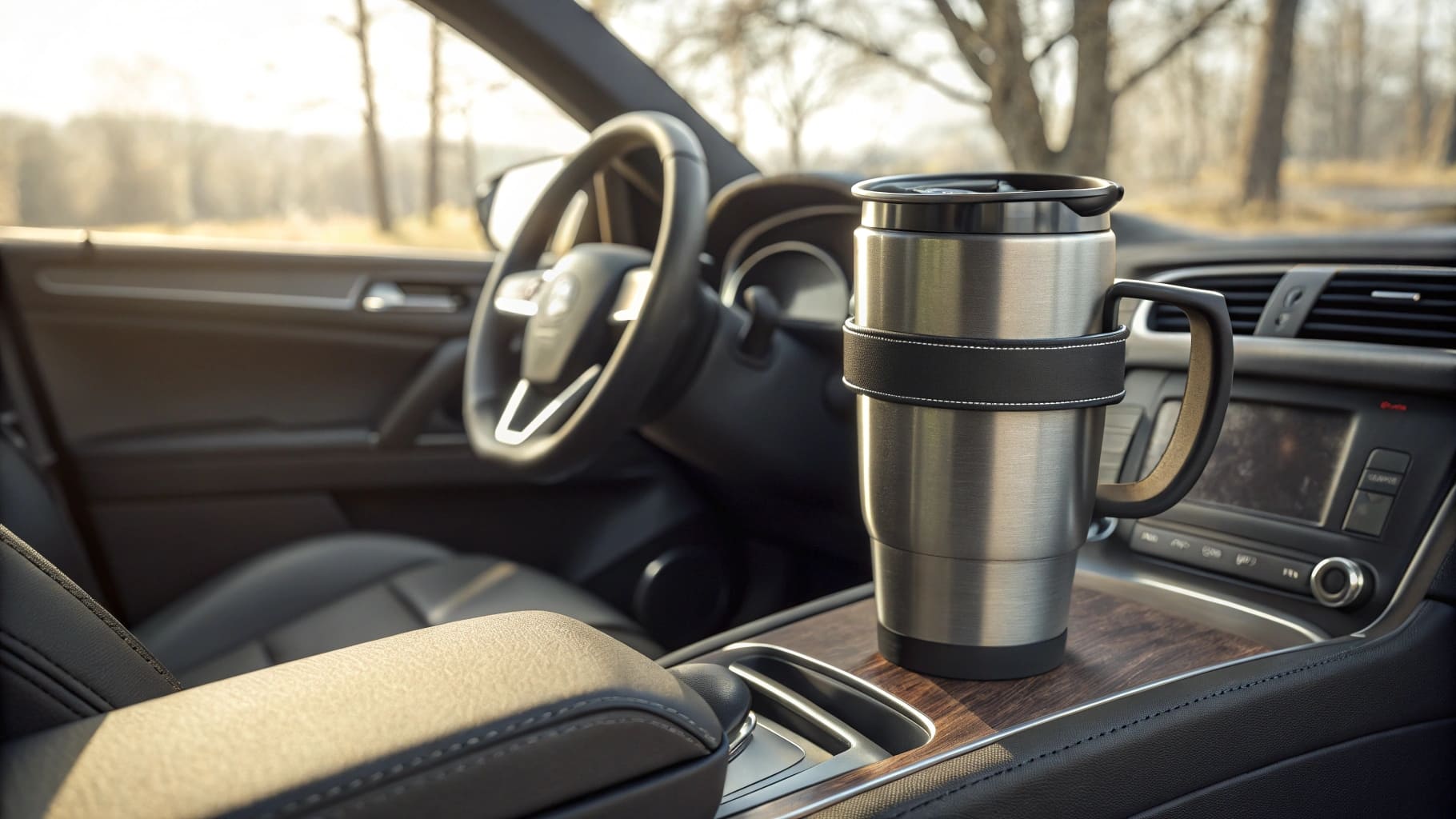
An ergonomic coffee mug features a wide, powder-coated handle2 that fits various hand sizes. The anti-slip silicone base prevents desk accidents. You can hold it comfortably with one hand while working.
Handle Design Matters
I design handles specifically for office use. The handle must be wide enough for fingers to grip without strain. A powder-coated finish provides texture. Your hand won't slip even when the handle gets warm.
The handle position matters too. I place it at the center of gravity. You can lift the mug without tilting. This becomes important during video calls when you need to drink quietly.
| Feature | Standard Handle | Ergonomic Handle |
|---|---|---|
| Width | 2.5 cm | 3.5-4 cm |
| Coating | None | Powder-coated |
| Grip comfort | Basic | Enhanced |
| One-hand use | Difficult | Easy |
Base Stability
The anti-slip silicone base3 serves two purposes. It prevents the mug from sliding on your desk. It also protects your desk surface from scratches. I remember a procurement officer from Toronto who needed mugs for their new office. They had expensive wooden desks. The silicone base feature sold them immediately.
The base diameter should match the mug's top diameter. This creates stability. A narrow base makes the mug tip over easily. I learned this from testing hundreds of prototypes.
What are the safest coffee mugs?
Chemical leaching from mugs poses health risks you cannot see. Unsafe materials contaminate your daily coffee. Your team deserves better protection.
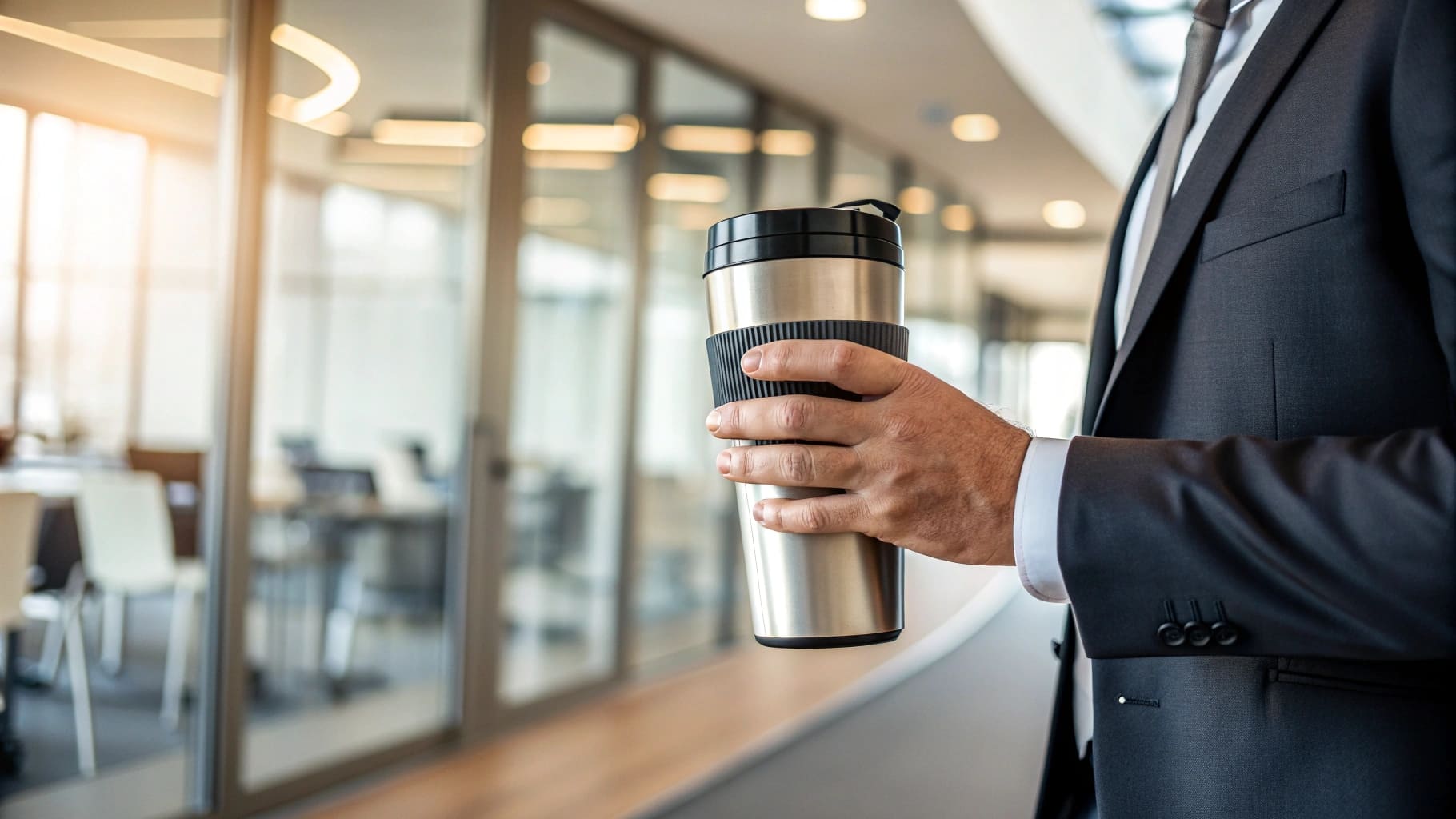
Safe coffee mugs are BPA-free, lead-free, and certified under FDA, LFGB, and CA Prop 65 standards. Premium 18/8 stainless steel contains no harmful chemicals. The material is inert and stable.
Material Certifications
I deal with certification requests every week. Buyers want proof their mugs are safe. FDA certification confirms the stainless steel meets food contact standards. LFGB is the European standard. CA Prop 65 ensures the product contains no chemicals known to cause cancer.
The certification process takes months. We test for heavy metals, chemical migration, and material composition. I keep all certificates updated because regulations change. A startup founder from Seattle once asked me about certification validity. I showed him our complete documentation. He placed an order that same day.
Leak-Proof Technology
Safety also means preventing spills. Hot coffee on your lap is a safety hazard. I design lids with two sealing mechanisms. The threaded lid creates a tight seal. The silicone gasket adds extra protection.
| Safety Feature | Benefit | Office Application |
|---|---|---|
| BPA-free material | No chemical leaching | Daily coffee consumption |
| Leak-proof lid | Prevents burns and spills | Commuting and desk work |
| Cool-touch exterior | No burns from hot contents | Safe handling |
| FDA certified | Meets food safety standards | Corporate compliance |
The sliding lid option works better for offices. You can open it with one hand. The opening is small enough to prevent major spills. One client told me their employees used to burn themselves with traditional travel mugs. The sliding lid solved that problem.
What mug does coffee taste best in?
Metallic aftertaste ruins good coffee. Retained flavors from previous drinks contaminate fresh brews. Your expensive beans deserve proper presentation.
Coffee tastes best in mugs with electropolished 18/8 stainless steel interiors. The smooth surface prevents flavor absorption and rust formation. Double-wall vacuum insulation maintains optimal temperature without affecting taste.
Electropolishing Process
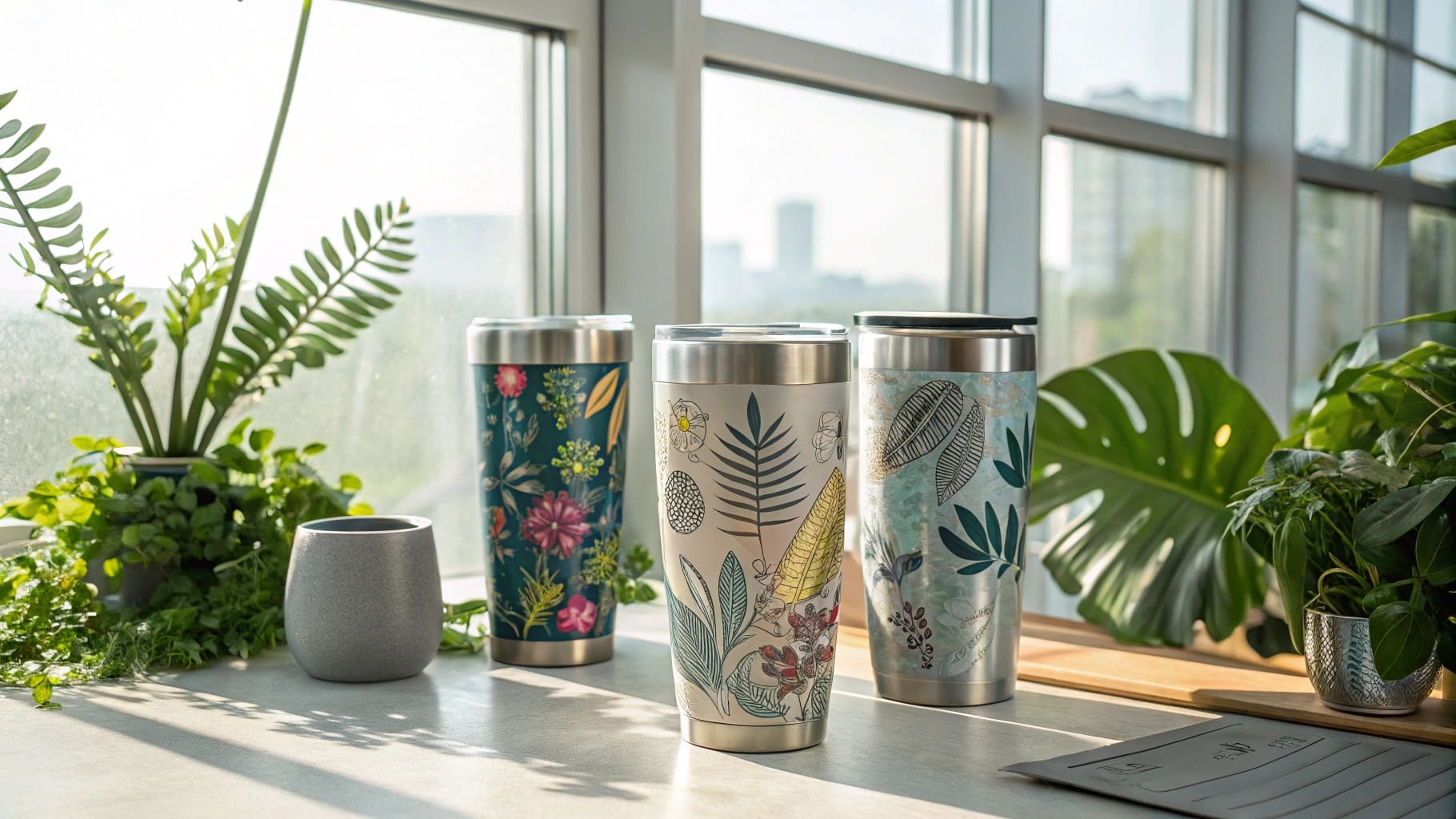
I want to explain electropolishing because it makes the biggest difference. Standard stainless steel has microscopic pores. These pores trap coffee oils and flavors. Electropolishing removes the rough surface layer.
The process uses electricity and chemical solution. It creates a mirror-smooth finish inside the mug. This smooth surface cannot hold residue. Your coffee tastes exactly as it should.
I started offering electropolished mugs three years ago. The response was immediate. A procurement officer from Chicago ordered samples. She called me after testing them. She said she finally understood what clean coffee taste meant.
Temperature Control
Coffee tastes best at specific temperatures. Too hot burns your tongue and masks flavors. Too cold makes coffee taste flat. Double-wall vacuum insulation maintains the ideal temperature range for hours.
The vacuum layer between walls prevents heat transfer. Your coffee stays hot for 3-6 hours. The exterior remains cool to touch. I test every batch for temperature retention. We fill mugs with boiling water and measure temperature loss over time.
| Temperature Feature | Impact on Taste | Duration |
|---|---|---|
| Initial heat retention | Preserves aroma compounds | 0-2 hours |
| Optimal drinking temp | Full flavor profile | 2-4 hours |
| Extended warmth | Still enjoyable | 4-6 hours |
| Sweat-free exterior | No water dilution | All day |
Material Purity
Grade 304 stainless steel contains 18 percent chromium and 8 percent nickel. This composition creates corrosion resistance. The material does not react with acids in coffee. No metallic ions leach into your drink.
I source steel from certified suppliers only. Quality varies between manufacturers. Poor-grade steel can contain impurities. These impurities cause taste problems. I learned this lesson early in my business when a batch of mugs received taste complaints. We traced the issue to substandard steel. I changed suppliers immediately.
The inner wall must be food-contact grade throughout. Some manufacturers only apply food-grade coating to the inner surface. The base metal underneath may be inferior. I use solid 304 stainless steel all the way through.
Conclusion
Premium electropolished stainless steel mugs deliver flavor neutrality, ergonomic comfort, and certified safety. I have seen these features transform office coffee culture across North America.