
Can personalized insulated tumblers scale with data merge and QA in 2026?
I watched another buyer walk away last month. He needed 10,000 personalized tumblers1 with different names. My team could not handle the data merge fast enough. The QA process would take too long. He went to a competitor who promised automated workflows.
Yes, personalized insulated tumblers can scale with data merge and QA systems in 2026. Manufacturers who invest in automated data processing, integrated digital workflows, and real-time quality monitoring will handle mass customization2 efficiently while maintaining consistent quality standards across thousands of unique variations.
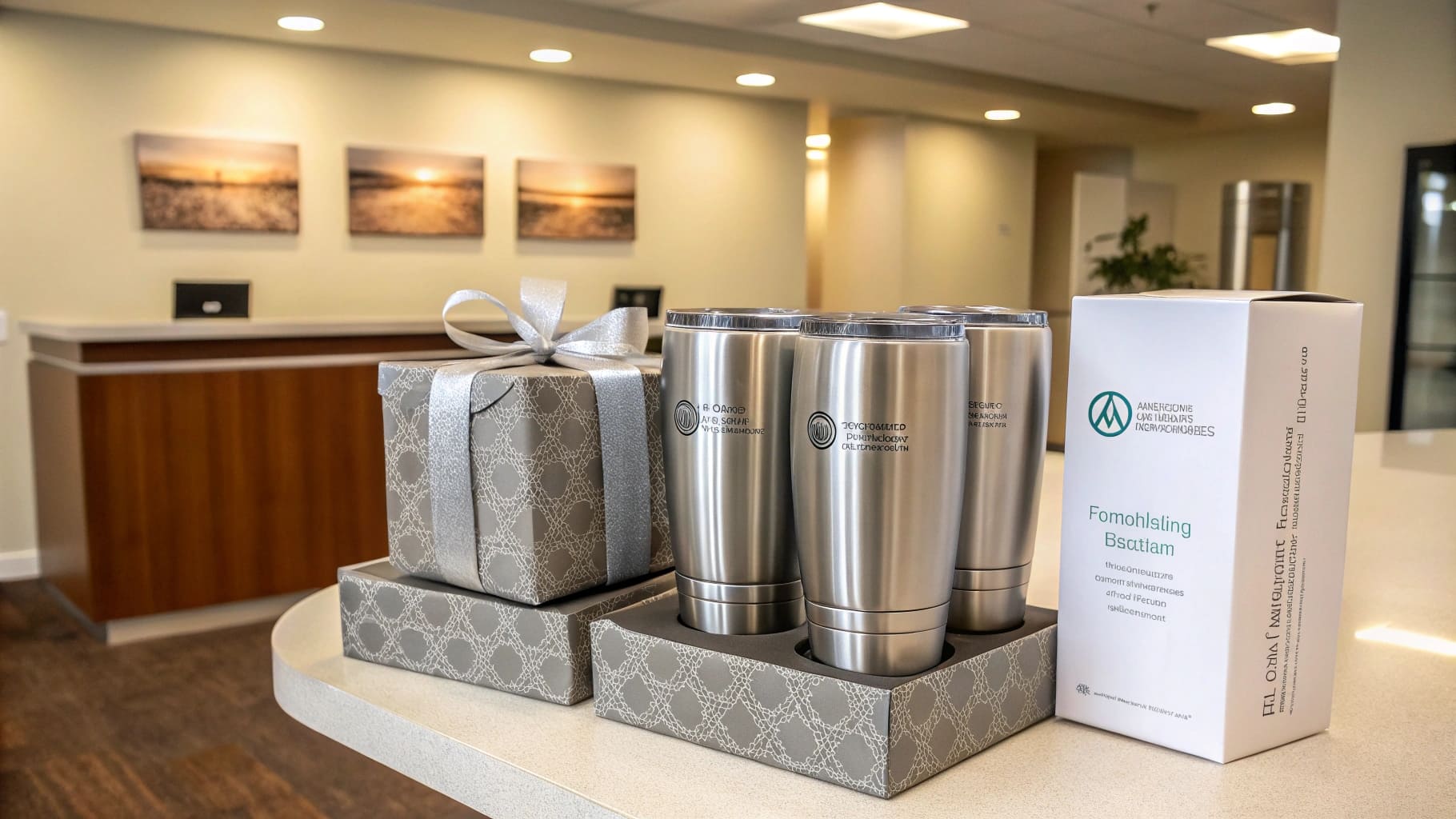
The industry is at a turning point. I have been in the stainless steel tumbler business for years. I remember when customization meant working with Excel sheets and manual proofing cycles. Those days are ending. Buyers now demand speed and accuracy at volumes that old methods cannot support.
How to make customized tumblers?
Many buyers think customization is simple. They send a logo file. They expect perfect results. Reality is different. Making customized tumblers involves multiple steps that must work together. When one step fails, the whole order suffers.
You make customized tumblers through sublimation printing3, laser engraving, silk screen printing, or transfer printing. Each method requires specific file preparation, equipment setup, and quality checks. The process starts with file conversion, moves through production preparation, then executes decoration, and ends with quality verification.
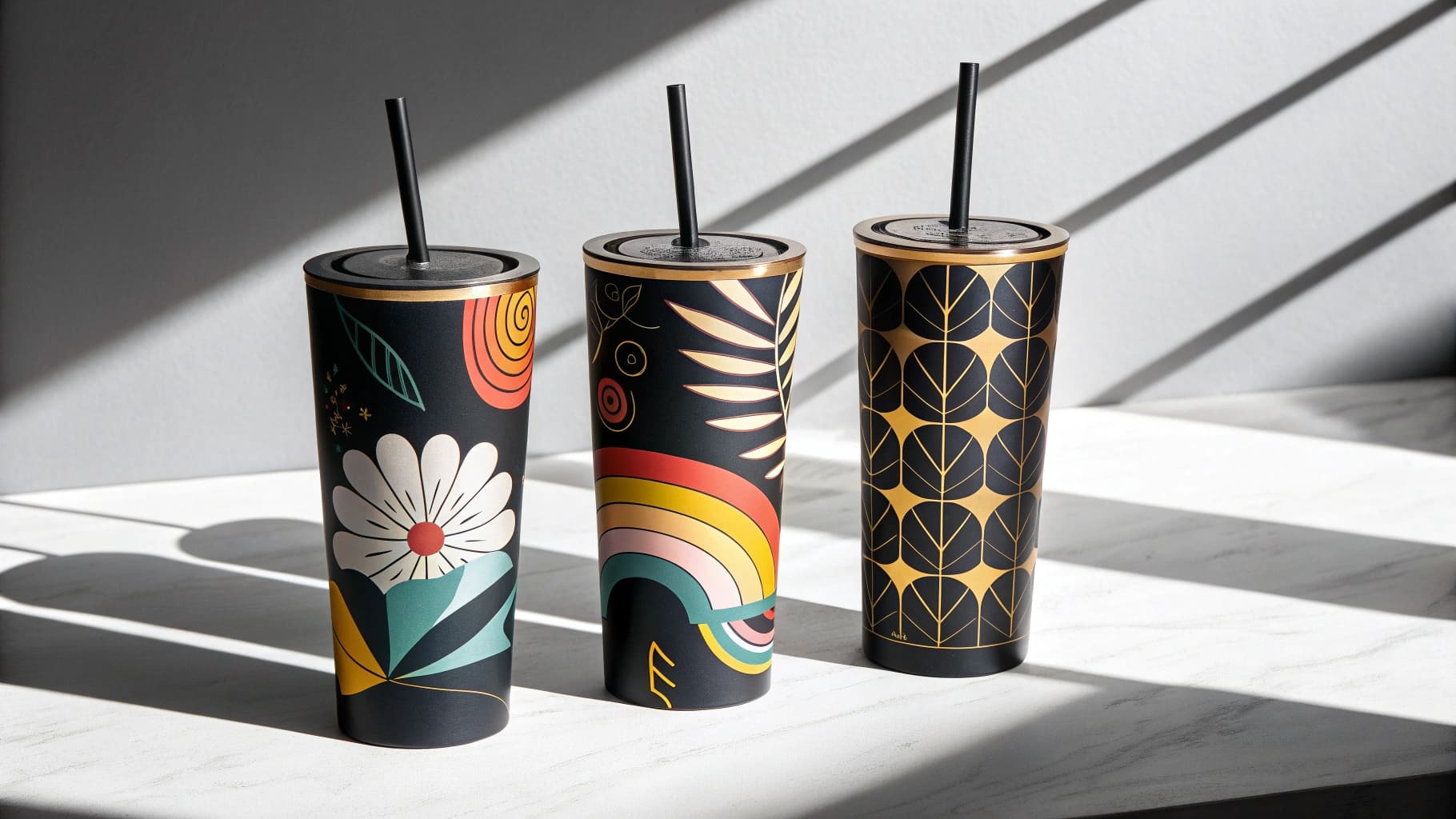
Breaking down the customization process
I will explain how we handle customization at Icobottle. The journey starts when a buyer sends design files.
We accept JPG, AI, CDR, and PDF formats. But accepting files is easy. Converting them into production-ready specs is hard. Our team creates 3D drawings4 for mold development. We generate printing screens for silk screen orders. We prepare sublimation templates for heat transfer jobs.
Let me show you the main customization methods:
| Method | Best For | Setup Time | Cost Level | Volume Suitability |
|---|---|---|---|---|
| Sublimation | Full-color photos, complex gradients | 2-3 days | Medium | 500+ units |
| Laser Engraving | Simple logos, premium feel | 1-2 days | Low | 100+ units |
| Silk Screen | Solid colors, large volumes | 3-5 days | High setup, low unit cost | 1000+ units |
| Transfer Printing | Multi-color designs, medium volumes | 2-4 days | Medium-High | 300+ units |
Sublimation printing dominates personalized tumbler production. The process works like this. We coat tumblers with special polymer. We print designs on transfer paper. We wrap paper around tumblers. We apply heat using industrial ovens at temperatures below 160 degrees for about 20 minutes.
I learned this the hard way. Early on, we used heat guns for small orders. Results were inconsistent. Hot spots caused color shifts. Now we only use ovens with precise temperature control. The investment paid off through reduced rework rates.
Beyond decoration, customization extends to physical specifications. Buyers want specific capacities. They need particular straw types. They demand exact Pantone color matches. We also customize surface finishes through powder coating5, spray painting, and polishing.
How to measure a tumbler for sublimation?
Measurement errors cost money. I once lost a 5,000-unit order because our sublimation template was 2mm off. The design wrapped incorrectly. Every tumbler showed alignment problems. The buyer refused the shipment. I absorbed the loss and learned to standardize measurements.
Measure a tumbler for sublimation by determining the straight body height, the circumference at the widest point, and the usable printing area excluding tapered sections. Take measurements on the actual product sample, not from drawings, because manufacturing tolerances affect sublimation template accuracy.
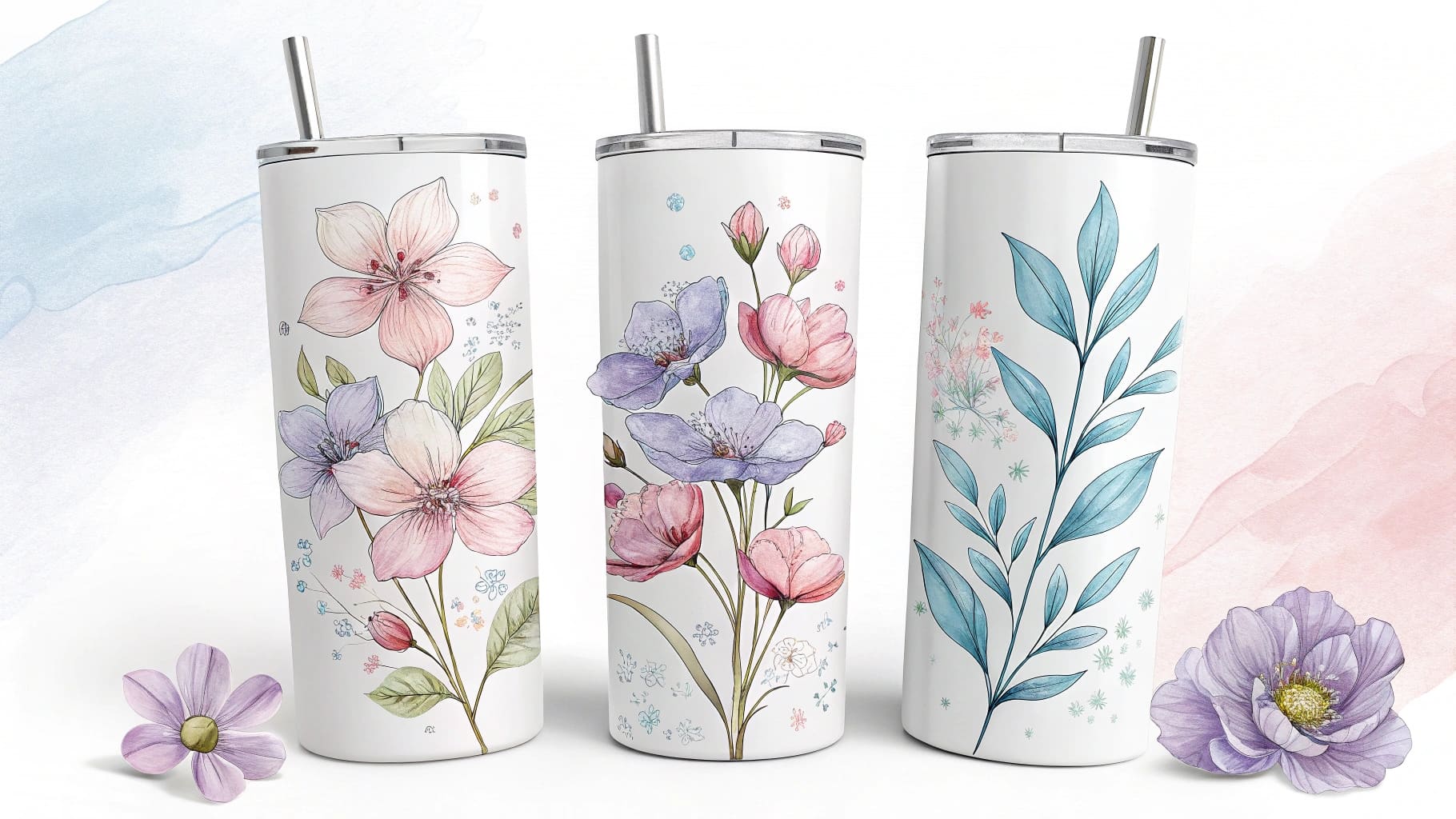
The measurement protocol that prevents production failures
I created a measurement checklist after that expensive mistake. My team now follows strict protocols.
First, we identify the printing zone. Not all tumbler surfaces accept sublimation equally. Tapered tops and bottoms create distortion. Seams and joints block heat transfer. We map the usable area before creating templates.
Second, we measure the straight body section. This is where most designs sit. We use digital calipers for precision. Paper measuring tapes introduce errors. Metal tapes scratch coatings.
Third, we calculate circumference. Many people use the formula: circumference equals diameter times 3.14. But real tumblers are not perfect circles. Manufacturing variations exist. We wrap flexible measuring tape around the actual tumbler. We record the measurement at multiple points. We use the largest value for template creation.
Here is our standard measurement workflow:
| Step | Tool | Critical Point | Common Error |
|---|---|---|---|
| 1. Identify printing zone | Visual inspection | Mark tapered areas with tape | Assuming entire body is printable |
| 2. Measure height | Digital caliper | Measure straight section only | Including tapered sections |
| 3. Measure circumference | Flexible tape | Take 3 readings, use maximum | Using diameter calculation |
| 4. Document tolerances | Notebook | Record variations between samples | Assuming perfect consistency |
| 5. Create template | Design software | Add 2-3mm bleed area | No allowance for wrap variation |
Fourth, we add bleed margins. Sublimation transfer requires overlap. Designs need 2-3mm extra on each edge. Without bleed, you see white gaps where the transfer paper meets.
Fifth, we test on sample pieces. We never run full production from untested templates. I keep rejected samples from past projects. These become test subjects for new measurement protocols.
The challenge grows with personalization at scale. When every tumbler carries a different name or design, you cannot test each variation. You must trust your measurement system completely. This is where many manufacturers fail. They optimize for one-off samples but cannot maintain accuracy across thousands of variations.
What are the measurements for a 20 oz sublimation tumbler?
The 20 oz tumbler is the most requested size in my business. But 20 oz is a capacity measure. It tells you nothing about external dimensions. Buyers often confuse capacity with physical size. This creates problems during design preparation.
A standard 20 oz sublimation tumbler measures approximately 600ml in capacity, stands about 17-19cm tall in the straight body section, and has a circumference of 22-24cm at the widest point. The printable area typically covers 15-17cm in height with a 21-23cm wraparound depending on taper design.
Why standard measurements vary and how to handle it
I used to think all 20 oz tumblers were identical. They are not. Each manufacturer uses slightly different dimensions.
Wall thickness affects external size. Thicker walls provide better insulation but reduce internal capacity. To maintain 20 oz volume, manufacturers must increase external dimensions. This changes sublimation measurements.
Lid design impacts total height. Some lids add 3cm. Others add 5cm. The straight body section remains consistent, but buyers often measure total height including lids. This confuses template creation.
Base construction varies too. Flat bases create different proportions than tapered bases. The printable area shifts up or down depending on base design.
Let me show typical dimension ranges for 20 oz tumblers:
| Component | Typical Range | What Affects It | Impact on Sublimation |
|---|---|---|---|
| Total Height | 19-23cm | Lid style, base thickness | Not relevant for printing |
| Straight Body Height | 15-19cm | Wall thickness, capacity needs | Primary printing zone |
| Circumference | 21-25cm | Wall thickness, insulation gap | Template width requirement |
| Top Diameter | 7-8cm | Lid compatibility | Tapered zone to avoid |
| Bottom Diameter | 6-7cm | Base stability | Tapered zone to avoid |
The solution is simple. Never assume measurements. Always request physical samples before template creation. I send samples to every new buyer. I ask them to measure and confirm before production starts.
For personalization at scale, this sample-based approach breaks down. When handling data merge for thousands of unique designs, you cannot send samples for each variation. You need standardized measurement protocols embedded in digital workflows6.
This is where 2026 technology must evolve. Manufacturers need APIs that integrate with design software. These systems should automatically check file dimensions against production parameters. They should flag incompatible specifications before production begins. They should generate machine-ready instructions without human interpretation.
I am investing in these systems now. I partner with software developers who understand manufacturing constraints. We are building tools that read design files, extract measurements, compare against our standard tumbler specifications, and output corrected templates automatically.
The goal is zero-touch processing for standard variations. Human review only happens for exceptions. This is how personalized tumblers scale with data merge.
Conclusion
Personalized tumblers will scale in 2026 through automated data merge and integrated QA systems. Manufacturers investing in digital workflows today will dominate mass customization tomorrow while others struggle with manual processes.
-
Explore how personalized tumblers can enhance customer satisfaction and brand loyalty. ↩
-
Find out how mass customization meets diverse consumer demands effectively. ↩
-
Explore the benefits of sublimation printing for vibrant and durable designs. ↩
-
Explore how 3D drawings enhance design accuracy and production efficiency. ↩
-
Discover how powder coating enhances durability and aesthetics in products. ↩
-
Learn how digital workflows can streamline production and improve efficiency. ↩
