
Which Engraving Depths on Tumblers Survive Dishwasher Stress Tests Best?
You picked the perfect tumbler design. Your logo looks amazing. Then your customer runs it through a dishwasher. The branding fades. This nightmare costs you repeat orders.
Laser engravings1 between 0.1mm to 0.3mm depth survive dishwasher stress tests better than shallow surface markings. Deeper engravings create permanent physical alterations in the stainless steel that withstand repeated high-temperature wash cycles without degradation.
I learned this the hard way after a bulk order came back with complaints. The client's staff had been washing their branded tumblers daily. After three months, some logos looked perfect while others showed visible wear. I ran tests to find out why. The results changed how I source tumblers for every B2B client.
Do You Use Air Assist When Engraving Tumblers?
Your engraving machine runs. Smoke and debris cloud the work area. The final result shows burn marks around your carefully designed logo. Your quality control manager rejects the batch.
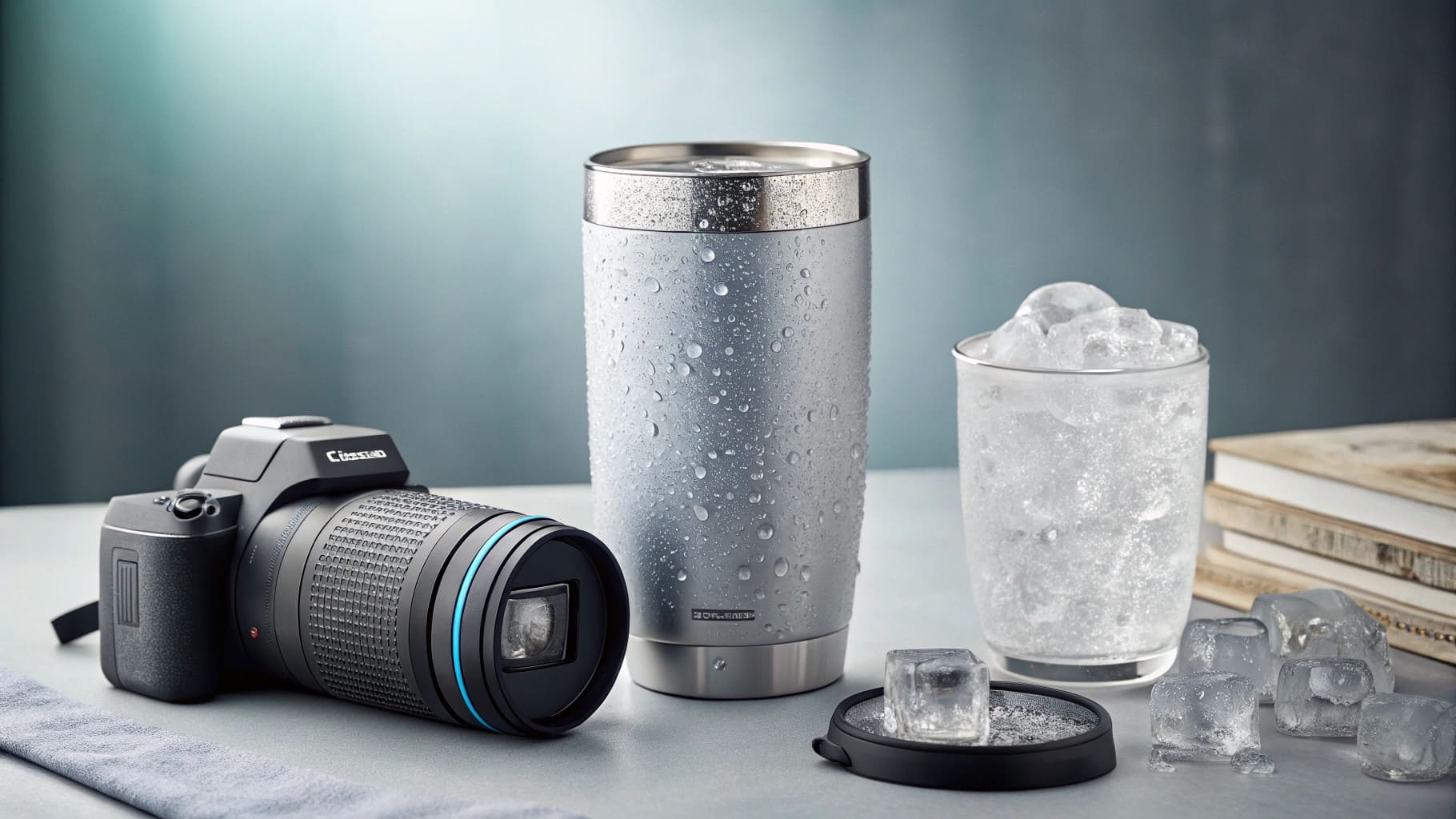
Air assist systems blow compressed air at the engraving point to remove debris and prevent heat buildup. This creates cleaner edges and reduces discoloration on powder-coated tumblers, though it adds equipment costs.
Why Air Assist Matters for Commercial Orders
I work with manufacturers who use different setups. Some skip air assist to save on equipment investment. The difference shows in the finished product. Without air assist, the laser beam's heat accumulates on the tumbler surface. This creates a halo effect around the engraved area. The discoloration looks unprofessional.
Air assist serves three functions. First, it clears smoke and vaporized material from the laser path. This maintains consistent beam focus throughout the engraving process. Second, it cools the material surface. Lower temperatures mean less heat-affected zone around your design. Third, it prevents debris from settling back onto the freshly engraved surface.
The cost difference matters for budget planning. A basic air assist system adds roughly 200 to 500 dollars to your supplier's setup. They typically pass this cost along. For orders above 1000 units, the per-piece impact drops below five cents. For premium branded products, I always specify air assist in my purchase orders. The cleaner finish justifies the minimal cost increase.
| Engraving Method | Edge Quality | Heat Discoloration | Setup Cost |
|---|---|---|---|
| Without Air Assist | Rough edges | Visible halo | Base price |
| With Air Assist | Clean edges | Minimal marks | +200-500 USD |
Are Acrylic Tumblers Dishwasher Safe?
Your client loves acrylic tumblers for their vibrant colors. The price point looks attractive. Then they ask about dishwasher compatibility. You realize you don't have a clear answer. This uncertainty stalls your deal.
Most acrylic tumblers deteriorate in dishwashers due to high heat exposure. The material warps and clouds after repeated cycles, making them unsuitable for commercial foodservice applications.
Material Selection Impact on Durability
I tested acrylic against stainless steel in real conditions. A cafe client wanted colorful drinkware for their loyalty program. They planned to wash these tumblers multiple times daily. I ordered sample sets of both materials.
The acrylic samples failed within two weeks. The material developed micro-cracks that turned cloudy. Some units warped enough that their lids no longer fit properly. The dishwasher's heat cycle exceeded what acrylic can handle. Standard dishwashers run at 140 to 160 degrees Fahrenheit during the wash phase. The rinse cycle hits 180 degrees. Acrylic softens at these temperatures.
Stainless steel tumblers showed zero degradation. I use 18/8 food-grade stainless steel for all B2B orders now. This designation means the steel contains 18 percent chromium and 8 percent nickel. The chromium creates a passive oxide layer that resists corrosion. The nickel adds durability and prevents metallic taste transfer.
For clients who want colorful options, powder coating over stainless steel solves the problem. The powder bonds to the metal surface through a curing process. High-quality powder coating withstands commercial dishwasher conditions. I specify powder coating thickness above 60 microns for foodservice applications. This thickness provides adequate protection while maintaining the coating's flexibility.
What to Clean a Tumbler With After Engraving?
The engraving job finishes. Black residue covers the tumbler surface. Your team tries random cleaning solutions. Some leave streaks. Others damage the finish. You need a reliable process before shipping.
Clean freshly engraved tumblers with isopropyl alcohol and microfiber cloths to remove residue without damaging the finish. This method works for both bare stainless steel and powder-coated surfaces.
Post-Engraving Cleaning Protocol
I developed this process after ruining a small batch with the wrong cleaner. The laser engraving leaves carbonized material on the surface. This residue looks unprofessional and feels rough. Different cleaning methods produce different results.
Water alone doesn't remove engraving residue effectively. The carbonized particles repel water. I tried various solutions. Household dish soap worked partially but required heavy scrubbing. This risked scratching powder-coated finishes. Acetone removed residue quickly but dulled some coating types. The fumes also created workplace safety concerns.
Isopropyl alcohol at 70 percent concentration became my standard. It dissolves carbonized residue without attacking powder coatings or bare stainless steel. The application method matters. I train my team to use microfiber cloths rather than paper towels. Microfiber captures particles instead of spreading them. Paper towels can scratch powder coating if residue gets trapped in the fibers.
The cleaning sequence goes like this. First, wipe the engraved area with a dry microfiber cloth to remove loose particles. Second, dampen a fresh microfiber cloth with isopropyl alcohol. Wipe the engraved area using light pressure. Third, use a dry section of the cloth to remove any remaining alcohol. Fourth, inspect the engraving under good lighting. Repeat if needed.
For large production runs, ultrasonic cleaning offers efficiency. The ultrasonic waves create microscopic bubbles that dislodge residue. I use this method for orders above 500 units. The equipment investment makes sense at that volume. Smaller orders get the manual alcohol treatment.
| Cleaning Method | Residue Removal | Finish Safety | Production Speed |
|---|---|---|---|
| Water Only | Poor | Safe | Fast |
| Dish Soap | Moderate | Risky | Slow |
| Isopropyl Alcohol | Excellent | Safe | Moderate |
| Ultrasonic | Excellent | Safe | Very Fast |
The Real Durability Test
I partnered with a restaurant chain last year for a 5000-unit order. They needed branded tumblers for a seasonal promotion. The stakes were high because satisfied customers would buy more tumblers at retail price. I specified 0.2mm engraving depth on 18/8 stainless steel with powder coating.
Three months after delivery, the restaurant reported zero complaints about logo wear. Their staff had been washing these tumblers through commercial dishwashers three times daily. I visited one location to inspect samples. The engravings looked identical to the day we shipped them. The powder coating showed normal wear patterns but no peeling or chipping around the engraved areas.
This experience confirmed what testing had shown. Depth matters more than most buyers realize. The difference between 0.05mm and 0.2mm seems minor on paper. In real use, shallow engravings fade while deeper ones remain crisp. I now refuse to approve samples with engraving depth below 0.1mm. The short-term cost savings aren't worth the long-term reputation risk.
Your choice of engraving depth determines whether your branded tumblers become cherished items or disappointing purchases. I've seen both outcomes.
Conclusion
Engraving depth between 0.1mm to 0.3mm on stainless steel tumblers survives dishwasher stress better than shallow alternatives. This depth creates permanent branding that maintains your client's satisfaction through years of daily use.
-
Discover the advantages of laser engravings for creating durable and high-quality designs. ↩
