
Do insulated coffee mugs for retail need gift box specs, inserts, drop tests?
Last month, one of my Canadian clients lost a container worth of mugs. The damage happened during transit. The problem was not the mugs themselves. It was the packaging. This story changed how I think about retail packaging.
Yes, retail insulated coffee mugs need proper gift box specs, protective inserts, and drop test verification1. These three elements protect your product during shipping and create the shelf appeal that drives sales.

I have worked with hundreds of retail buyers over the years. The packaging question always comes up. Some buyers want basic protection. Others need premium presentation. Let me share what I have learned from these conversations and the mistakes I have seen.
How to package a mug for shipping?
You open a shipment and find broken mugs everywhere. The insurance claim takes months. Your retail launch gets delayed. Your reputation takes a hit. This nightmare happens more often than you think.
Proper mug packaging requires multiple protective layers. Start with individual foam inserts or molded pulp that hold the mug firmly. Add a sturdy inner box. Then use outer carton with adequate cushioning space.
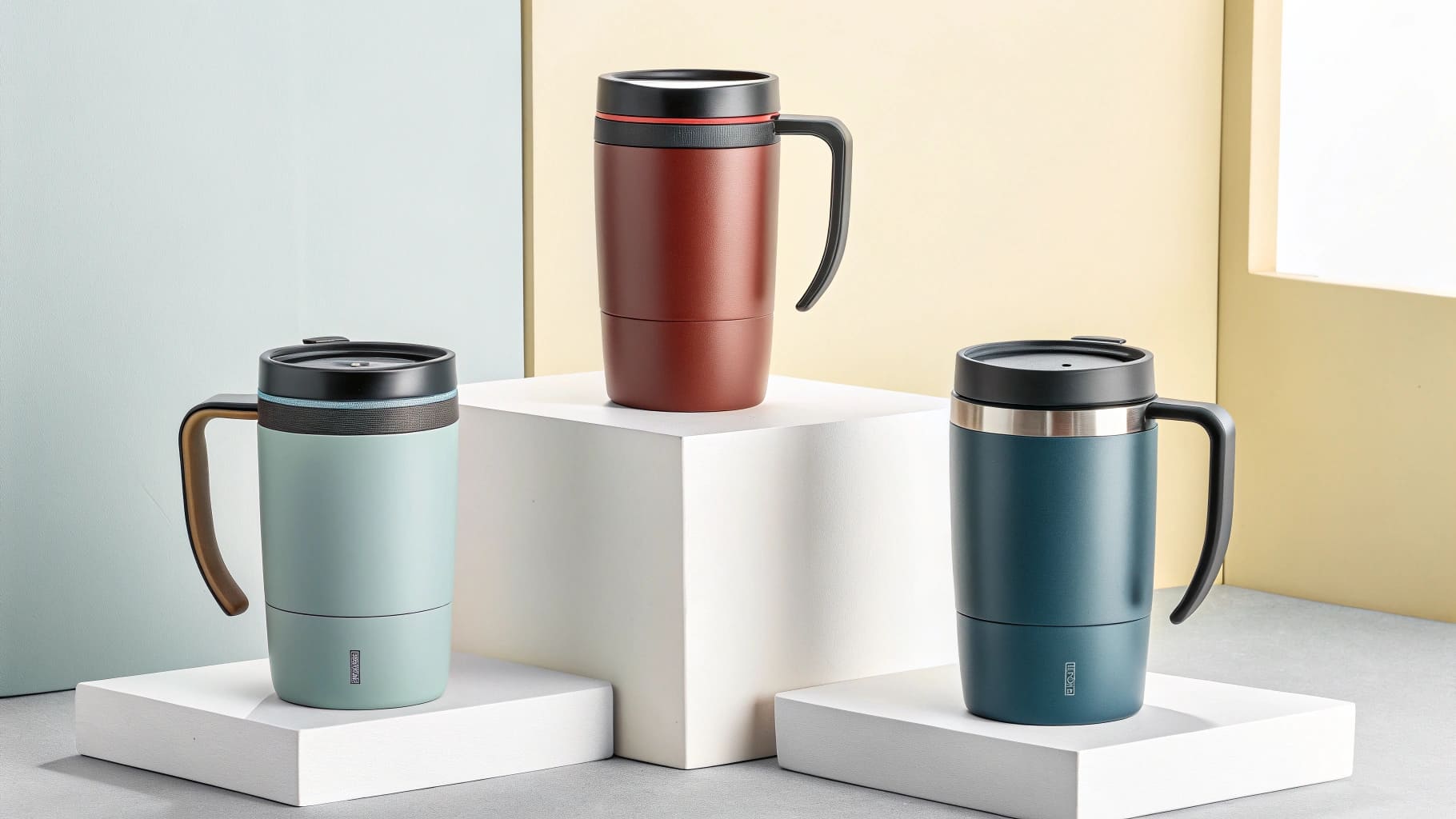
At Icobottle, we offer several packaging options2 for different retail needs. Each option serves a specific purpose. Let me break down the choices:
Basic Protection Level
- Egg crate packaging works for budget projects
- White boxes suit simple retail environments
- These options meet basic safety standards
- Cost stays low for high-volume orders
Premium Retail Level
- Custom color boxes create strong brand presence
- Cylinder boxes offer unique shelf display
- Display boxes let customers see the product
- These options command higher retail prices
The key is matching packaging to your target market. I work with a startup founder in Texas. He sells premium mugs at farmers markets. We created custom cylinder boxes with clear windows. His sales doubled because customers could see and touch the product through the packaging.
| Packaging Type | Protection Level | Retail Appeal | Best Use Case |
|---|---|---|---|
| Egg Crate | Basic | Low | Wholesale bulk |
| White Box | Standard | Medium | General retail |
| Color Box | High | High | Premium retail |
| Cylinder Box | High | Very High | Gift market |
| Display Box | Very High | Maximum | High-end stores |
Drop tests prove your packaging works. We conduct tests from different heights. The standard is a 1-meter drop onto concrete. The packaging must protect the mug through multiple impacts. Some retailers require certificates showing drop test results. I recommend testing before you commit to large orders.
Why do some insulated mugs have a copper lining?
Your customers complain that their coffee gets cold too fast. They stop buying your mugs. Competitors with better insulation take your market share. Temperature performance matters more than most buyers realize.
Copper lining adds an extra layer of thermal protection. The copper reflects heat radiation back into the liquid. This improves temperature retention beyond standard vacuum insulation.

I need to be honest here. Our current Icobottle product line focuses on double-wall vacuum insulation without copper lining3. We use food-grade 18/8 stainless steel and medical-grade 316 stainless steel. Our mugs keep drinks cold for 12 hours and hot for 8 hours. This meets most customer needs.
But I see copper-lined mugs gaining market share. The technology works by adding a thin copper layer inside the vacuum space. Copper has high thermal conductivity. It reflects infrared radiation effectively. This creates a thermal mirror that bounces heat back.
The science is straightforward. Regular vacuum insulation removes air to stop heat transfer through conduction and convection. But radiation still passes through the vacuum. Copper stops this radiation transfer. The result is better performance, especially for hot beverages.
Most buyers ask me about cost differences. Copper lining adds complexity to manufacturing. The price increases by 15 to 20 percent compared to standard vacuum mugs. You need to decide if your target market values this extra performance. Premium retail channels often justify the higher cost. Budget-conscious markets may prefer standard options.
I recommend copper lining for these situations. First, if you target outdoor enthusiasts who need maximum temperature retention. Second, if you position products in the premium gift market. Third, if competitors in your segment already use this technology. The market sets expectations. You need to match or exceed them.
How to tell if a mug has lead?
A buyer contacts you about lead concerns. Your retailer pulls your products from shelves. Social media spreads the news. Your brand credibility disappears overnight. Material safety is not something you can ignore.
Lead detection requires proper certification and laboratory testing. Reputable manufacturers provide material safety data sheets, third-party test reports4, and compliance certificates. These documents confirm lead content stays below regulatory limits.

I face this question from almost every new client. They want proof their mugs are safe. I understand the concern. Consumer protection laws get stricter every year. The liability risks are real.
At Icobottle, we use materials that minimize lead risk by design. Our food-grade 18/8 stainless steel contains 18 percent chromium and 8 percent nickel. Our medical-grade 316 stainless steel adds molybdenum for extra corrosion resistance. Neither material contains lead in any significant amount.
But material choice alone is not enough. You need documentation that proves safety. Here is what I provide to my clients:
Essential Safety Documents
- Material composition certificates from steel suppliers
- Third-party laboratory test reports for heavy metals
- FDA compliance certificates for US market
- LFGB certificates for European market
- CE marking documentation where required
The testing process involves sending samples to accredited laboratories. They use methods like X-ray fluorescence spectroscopy or atomic absorption spectroscopy. These tests detect lead at parts-per-million levels. The results show exact lead content.
Different markets have different limits. The US FDA sets strict standards for food contact materials. European LFGB regulations are equally demanding. I make sure our products meet the strictest standards globally. This protects my clients regardless of their target market.
| Certification | Market | Key Requirement | Validity Period |
|---|---|---|---|
| FDA | USA | Food-grade materials | Continuous |
| LFGB | Europe | German food law compliance | 3 years |
| CE | Europe | Safety standards | Continuous |
| BPA-Free | Global | No bisphenol A | Per batch |
I always tell new buyers to ask suppliers three questions. First, can you provide current test reports from accredited labs? Second, what material grades do you use and why? Third, do you maintain batch tracking for quality control? Suppliers who hesitate on these questions raise red flags.
One more thing I learned the hard way. Some suppliers show certificates that look official but come from questionable sources. I verify every certificate. I call the testing laboratory to confirm reports are genuine. I check that certificate numbers match laboratory records. This extra step has saved my clients from costly mistakes.
Conclusion
Proper packaging specifications, material certifications, and performance features protect your investment. I have seen both success and failure in retail distribution. The winners always prioritize these three areas from the start.
-
Discover the significance of drop tests in ensuring product safety during shipping. ↩
-
Explore various packaging options to find the best fit for your retail needs. ↩
-
Learn how copper lining enhances thermal performance and can differentiate your product. ↩
-
Learn how third-party testing can validate your product's safety and build trust. ↩
