
Are Mug-Tumbler Lids Cross-Compatible?
I spend hours each week answering compatibility questions from buyers. They often purchase multiple product lines and expect lids to work across different vessels. This rarely happens. The frustration costs time and money.
Most mug and tumbler lids are not cross-compatible. Manufacturers use different thread designs, diameter sizes, and seal mechanisms. You need to check specific measurements and threading patterns before assuming any lid will fit another vessel.
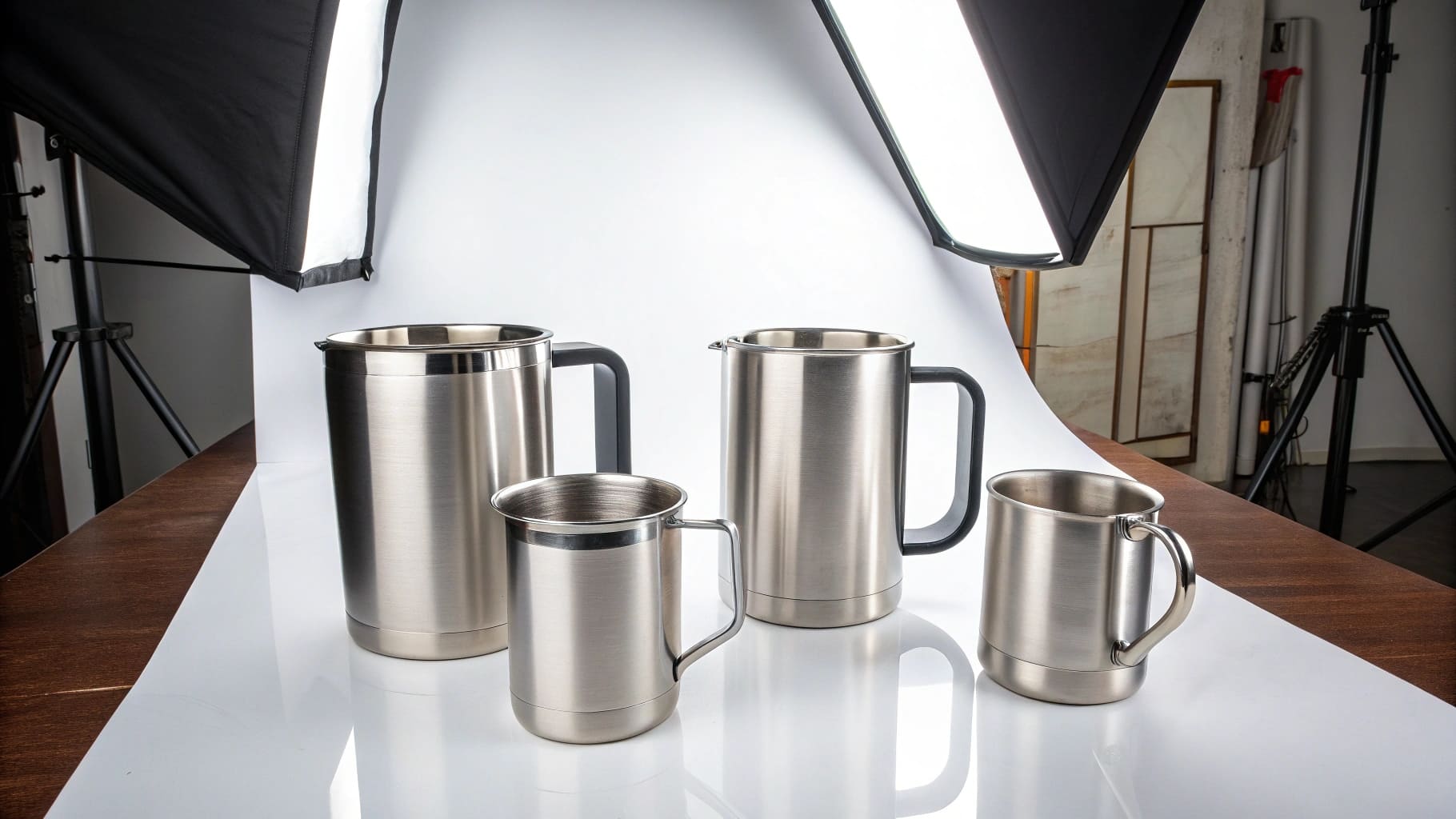
I learned this the hard way when a Canadian buyer ordered 500 tumbler lids thinking they would fit his existing mug inventory. They did not. I want to save you from that mistake by breaking down exactly what determines lid compatibility1.
Are Mugs and Tumblers the Same?
Many buyers use these terms interchangeably. I see this confusion in emails daily. They are different products designed for different purposes. This matters when you source inventory.
Mugs and tumblers are not the same product. Mugs typically feature handles and are designed for stationary use. Tumblers have flat bases with lids and focus on portability. Modern designs blur these lines with hybrid options.

Key Differences That Affect Your Business
I manufacture both product types. The production processes differ in several ways.
Design Philosophy
Mugs prioritize comfort during stationary drinking. I add handles for hot beverages. The shape allows for easy gripping while sitting at a desk. Tumblers focus on spill prevention during movement. I design them to fit in car cup holders. The straight walls help with storage and stacking.
Construction Differences
| Feature | Mug | Tumbler |
|---|---|---|
| Handle | Usually yes | Usually no |
| Lid | Optional | Standard |
| Base | Wide and stable | Narrow for cup holders |
| Wall Shape | Tapered or curved | Straight or slightly tapered |
| Primary Use | Stationary drinking | Portable drinking |
The market now offers hybrid products. I call them "tumbler mugs" or "travel mugs." These combine handles with secure lids. Your choice depends on your target market. Office workers prefer mugs. Fitness enthusiasts choose tumblers. Understanding this helps you select the right product mix.
What Do You Call a Mug With a Lid?
The terminology confuses many buyers. I receive purchase orders with mixed-up names. Getting this right helps you communicate clearly with suppliers and customers.
A mug with a lid is called a travel mug or commuter mug. Some people call it a coffee tumbler. The name depends on the design features and intended use. The lid type also influences the name.

Naming Conventions That Matter
I help buyers understand these distinctions every day.
Travel Mug
This term applies when a mug has a handle plus a secure lid. I design these for people who drive to work. The handle provides grip. The lid prevents spills during transport. Most travel mugs have flip-top or slide-lock lids.
Tumbler Mug
I use this term for handleless vessels with lids. These fit better in cup holders. They typically feature straight walls. The lid usually includes a straw opening or sipping slot.
Commuter Mug
This describes any lidded vessel designed for travel. The focus is spill-proof performance. I add features like one-hand operation and leak-proof seals.
| Product Type | Handle | Lid Style | Best For |
|---|---|---|---|
| Travel Mug | Yes | Flip or slide | Car commuters |
| Tumbler Mug | No | Straw or flip | Active users |
| Commuter Mug | Either | Any secure type | General travel |
| Standard Mug | Yes | No lid | Office/home use |
The names matter when you place orders. I need clear specifications to manufacture correctly. Tell me the handle configuration and lid type you want. This prevents confusion and production errors.
How to Make a Vacuum Sealed Tumbler?
Many buyers ask about this process. They want to understand quality differences between suppliers. The manufacturing method directly affects product performance.
Vacuum sealed tumblers use double-wall stainless steel2 construction. I remove air between the inner and outer walls. This creates insulation that keeps drinks cold for 9 hours and hot for 5 hours. The process requires specialized equipment and quality control.

The Manufacturing Process I Use
I run this process hundreds of times per week. Each step matters for quality.
Material Selection
I start with food-grade 304 or 316 stainless steel. The material must be pure. Any impurities affect the vacuum seal. I source from certified suppliers only. This costs more but prevents quality issues.
Double Wall Formation
I shape two separate steel shells. The inner wall holds the beverage. The outer wall provides structure and protects the vacuum space. I weld these together at the rim. The bottom requires a small hole for the vacuum pump.
Vacuum Creation
This step separates quality manufacturers from basic ones. I insert a pump through the bottom hole. The machine evacuates air from the space between walls. I measure the vacuum level carefully. Poor vacuum means weak insulation. After reaching the correct vacuum pressure, I seal the bottom hole with a copper plug and solder.
Quality Testing
| Test Type | Purpose | My Standard |
|---|---|---|
| Leak Test | Check seal integrity | Zero leaks |
| Insulation Test | Measure temperature retention | 9 hours cold / 5 hours hot |
| Drop Test | Verify durability | 1 meter drop, no dent |
| Vacuum Level | Confirm proper evacuation | Below 0.005 Pa |
Surface Finishing
I apply powder coating, spray painting, or leave the steel polished. Each finish serves different markets. Powder coating resists scratches. Polished steel looks premium. I also offer sublimation coatings for custom designs.
The entire process takes precise control. I reject any tumbler that fails testing. When you source vacuum sealed products, ask about the testing procedures. Suppliers without proper testing equipment cannot guarantee performance. I learned this after a bad experience with a low-quality supplier years ago. The products failed after one month of use.
Understanding Thread Compatibility and Seal Options
This topic causes the most sourcing problems. I handle compatibility questions almost daily.
Thread Standards
The industry has no universal threading system. I design threads based on the vessel diameter. A 3.5 inch opening uses different threads than a 2.75 inch opening. Some manufacturers use metric measurements. Others use imperial. This creates compatibility chaos.
Seal Mechanisms
| Seal Type | Best For | Leak Prevention | Ease of Use |
|---|---|---|---|
| Silicone gasket | Hot beverages | Excellent | Moderate |
| Rubber ring | Cold drinks | Good | Easy |
| Threaded seal | All temperatures | Very good | Requires care |
| Snap-on seal | Quick access | Fair | Very easy |
I manufacture different lid types for different purposes. Flip lids work well for coffee. Straw lids suit cold drinks. Clear lids let users see contents. The 2-in-1 lid design I developed offers both flip and straw options.
Flow Rate Considerations
The lid opening size affects drinking speed. Smaller openings slow flow for hot beverages. Larger openings allow faster drinking for water. I test flow rates during product development. Coffee drinkers want 8-10ml per second. Water drinkers prefer 15-20ml per second.
When you order, specify which lid types you need. I stock multiple options but cannot guarantee cross-compatibility. The best approach is ordering complete sets with matched lids and vessels. This eliminates compatibility issues and simplifies your inventory management3.
Conclusion
Lid compatibility requires careful attention to thread specs, seal types, and flow rates. I recommend ordering matched sets from single suppliers. This saves headaches and serves your customers better.