
Do hip flasks ruin drinks, or is 304/316 stainless taste-neutral in bulk?
Last month, a Canadian buyer called me at 2 AM. He was worried. His previous supplier switched materials without telling him. His customers complained about a metallic taste in their whiskey. He lost a major retail contract.
Stainless steel hip flasks do not ruin drinks when made from proper 304 or 316 grade materials. Both grades are taste-neutral and preserve the original flavor of spirits. The key lies in using certified food-grade stainless steel with proper manufacturing process1es and quality control standards.
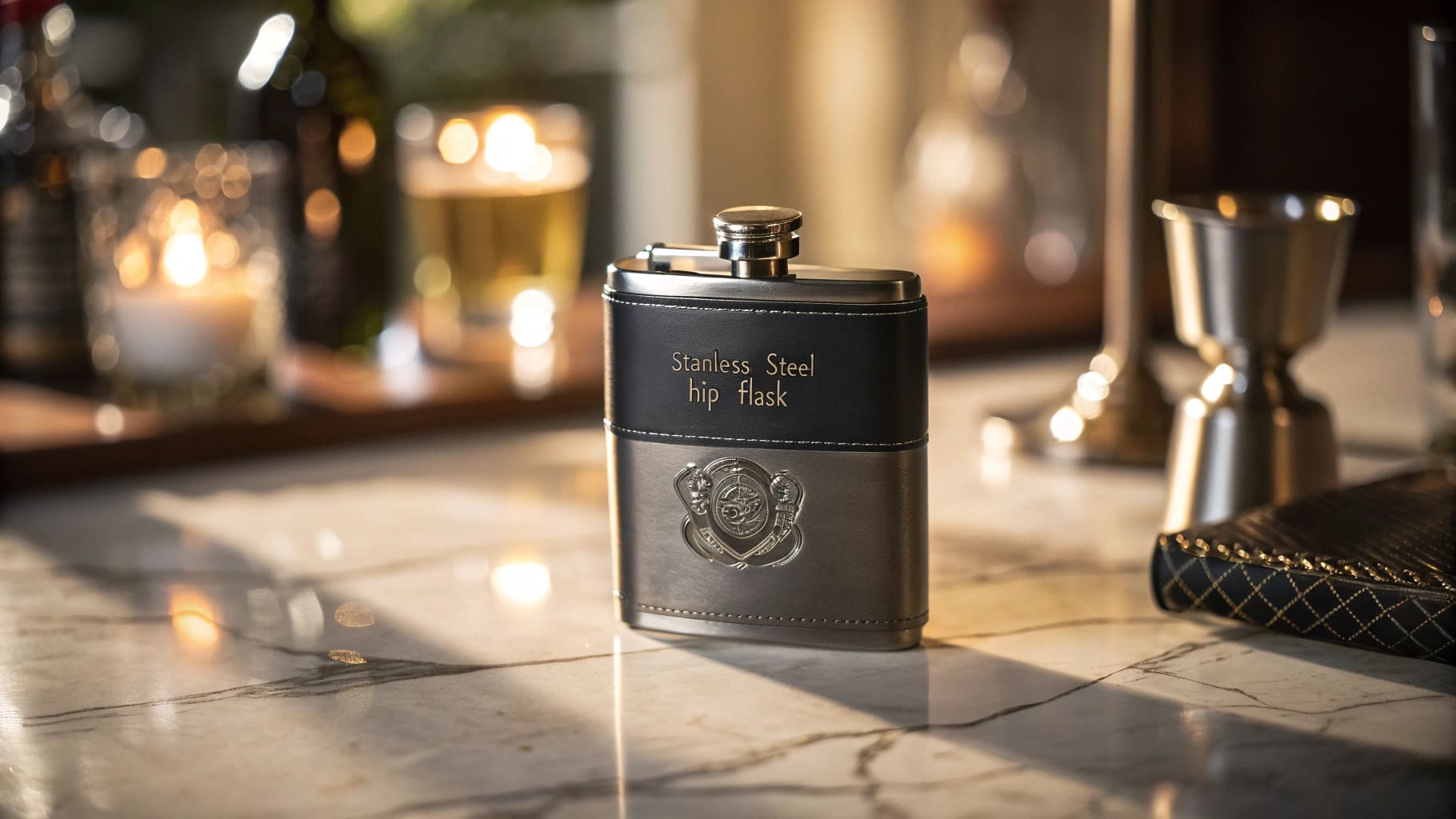
I have been in the stainless steel drinkware business for over a decade. I have seen countless quality issues. Most problems come from using the wrong materials. Some suppliers use cheaper grades to cut costs. This decision ruins not just drinks but also business relationships.
What is the best metal for a hip flask?
You want your customers to taste their favorite whiskey, not the container. Choosing the right metal matters more than you think. Bad metal choices lead to returns, complaints, and lost business.
The best metal for hip flasks is 304 stainless steel, also called 18/8 stainless steel. This grade contains at least 18% chromium and 8% nickel. For premium applications, 316 stainless steel offers superior corrosion resistance and is considered medical-grade material.
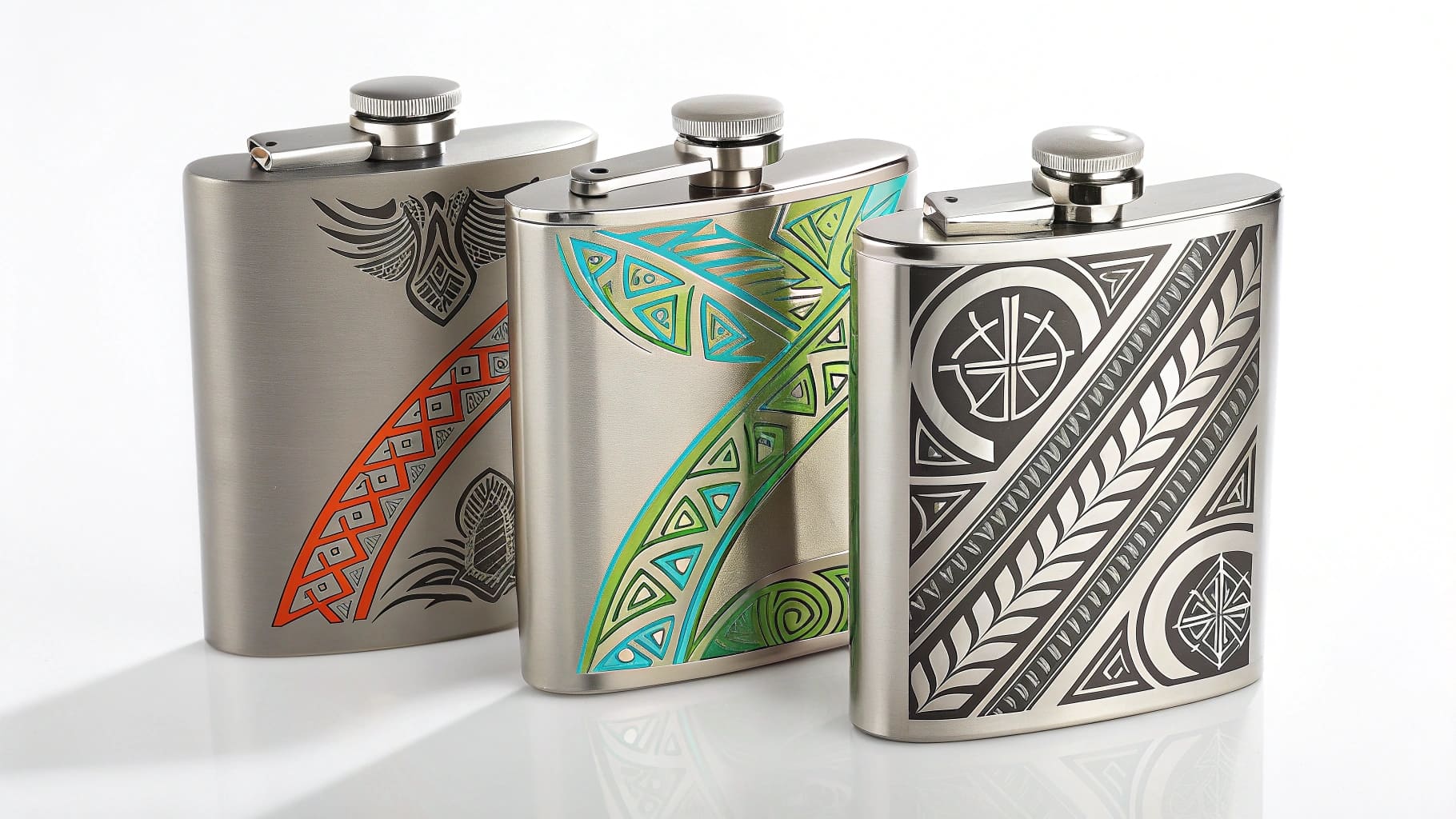
I remember a startup founder from New York. He ordered 5,000 hip flasks for his whiskey brand launch. He wanted the cheapest option. I explained the difference between 304 and 201 stainless steel. He chose 201 to save money. Three months later, customers reported rusty flasks and weird taste. He came back to me. We had to remake all 5,000 units with proper 304 material. He learned an expensive lesson.
The composition of stainless steel determines its performance. 304 stainless steel has excellent corrosion resistance. The chromium content creates a protective layer on the surface. This layer prevents rust and corrosion. The nickel content enhances this protection. It also makes the material easier to form and weld.
316 stainless steel goes one step further. This grade contains molybdenum. Molybdenum increases resistance to acids and salts. This makes 316 ideal for coastal areas or acidic beverages. The cost is higher, but the performance justifies the price for premium products.
| Stainless Steel Grade | Chromium Content | Nickel Content | Special Addition | Best Use Case |
|---|---|---|---|---|
| 304 | ≥18% | ≥8% | None | Standard hip flasks, general beverages |
| 316 | ≥16% | ≥10% | 2-3% Molybdenum | Premium flasks, acidic drinks, marine environments |
| 201 | ≥16% | 3.5-5.5% | Higher Manganese | Not recommended for drinkware |
Some buyers ask about other metals. Pewter was popular in old times. Pewter can contain lead. Lead is toxic. Silver looks beautiful but costs too much. Aluminum is light but can affect taste. Titanium works well but makes production expensive. Stainless steel offers the best balance of safety, cost, and performance.
The food-grade certification matters as much as the material itself. I always check for FDA approval. LFGB certification2 from Germany is stricter. California Prop 653 ensures no harmful chemicals leach into drinks. These certifications cost money. They require testing. Good suppliers invest in these tests. Bad suppliers skip them.
Is 304 stainless steel safe to drink from?
Your customers trust you with their health. You need materials that protect them. Safety concerns keep procurement officers awake at night. I understand this pressure.
Yes, 304 stainless steel is completely safe to drink from. This austenitic stainless steel is FDA-approved as food-grade material. It has a low migration rate of harmful substances. The material is BPA-free and does not leach chemicals into beverages.
I test every batch we produce. We send samples to independent labs. These labs check for heavy metal migration. They test chromium and nickel release. The results always show levels far below safety limits. 304 stainless steel forms a passive chromium oxide layer. This layer acts as a barrier. It prevents metal ions from entering your drink.
The manufacturing process affects safety as much as the raw material. Poor welding can create weak spots. These spots can corrode over time. Improper polishing leaves microscopic scratches. Bacteria can hide in these scratches. Deep drawing requires skill and proper equipment. Cheap factories cut corners. They use low temperatures. They skip quality checks. The result looks fine on the outside. Problems appear after a few months of use.
Temperature stability is another safety factor. 304 stainless steel handles both hot and cold drinks. The material does not break down at high temperatures. It does not become brittle in freezing conditions. Some plastics release harmful chemicals when heated. Stainless steel stays inert across all temperatures.
The nickel content in 304 stainless steel sometimes raises questions. People with nickel allergies worry about this. The nickel is locked in the crystalline structure. It does not leach out under normal use. Studies show that stainless steel drinkware poses no risk even for people with nickel sensitivity. The passive layer prevents nickel release.
I once had a customer who insisted on testing every shipment. He sent inspectors to my factory. They took random samples. They tested for everything. Lead, cadmium, chromium, nickel. Every test came back clean. He trusted me after that. Now we have worked together for five years. Trust comes from transparency and consistent quality.
Are stainless steel hip flasks safe?
You invest significant money in bulk orders. Product recalls cost more than the initial purchase. Safety is not just about compliance. Safety protects your brand reputation.
Stainless steel hip flasks are safe when manufactured with certified 304 or 316 grade materials and proper quality control. They preserve drink quality for up to 24 hours for cold beverages and 12 hours for hot drinks without affecting taste or safety.
The safety of hip flasks depends on three critical factors. First, material grade verification. I use XRF testing on every production run. This test identifies the exact composition of the stainless steel. Some suppliers claim they use 304 but actually use 201. XRF testing catches this fraud immediately. The test takes five minutes. It saves you from major problems later.
Second, surface treatment quality matters. The interior surface needs proper electropolishing4 or mechanical polishing. Rough surfaces harbor bacteria. They also affect taste. A smooth, mirror-like finish ensures easy cleaning and hygiene. I inspect surfaces under magnification. Any defects get rejected.
Third, proper sealing and gasket materials ensure safety. The flask body might be perfect. But if the cap gasket contains harmful plastics, the product fails. I use only food-grade silicone gaskets. They resist both heat and cold. They do not break down over time. Some factories use cheap rubber gaskets. These gaskets smell bad. They contaminate drinks.
Certification documents provide proof of safety. I keep complete records for every batch. Material test reports from steel mills. Factory inspection reports. Product testing certificates. These documents take time to collect. They add to costs. But they protect both you and me. When customs asks for proof, you have it ready.
| Safety Factor | Good Practice | Poor Practice | Risk Level |
|---|---|---|---|
| Material Grade | Certified 304/316 with XRF test | Undocumented or 201 grade | High |
| Surface Finish | Electropolished, smooth | Rough, unpolished | Medium |
| Gasket Material | Food-grade silicone | Generic rubber | Medium |
| Welding Quality | TIG welding, inspected | Low-quality, unchecked | High |
| Certification | FDA, LFGB, Prop 65 | No certification | High |
Long-term safety also depends on maintenance. Stainless steel resists corrosion. But improper cleaning can damage the passive layer. Strong acids or chlorine-based cleaners can pit the surface. I always include care instructions with bulk orders. Most customers ignore these instructions. Then they wonder why flasks develop problems.
Real safety goes beyond material composition. Manufacturing environment matters. Clean factories produce clean products. I have visited dozens of suppliers in China and Vietnam. Some factories have dust everywhere. Workers smoke near production lines. These conditions create contamination risks. My factory maintains clean room standards. We control humidity and temperature. Every worker wears proper protective equipment.
The filling and storage habits of end users affect safety too. Hip flasks are designed for spirits. Spirits have high alcohol content. Alcohol is a natural preservative. Some people fill flasks with juice or milk. These drinks spoil quickly. They create bacteria. The flask is not the problem. The choice of beverage is.
I learned about safety the hard way. Ten years ago, I accepted an order without proper quality checks. The buyer needed flasks urgently. I rushed production. I skipped some tests. Six months later, a few flasks developed pinhole leaks. The buyer was angry. I replaced all units at my cost. That mistake taught me that speed never justifies compromising safety.
Conclusion
Quality stainless steel hip flasks preserve drinks perfectly. Choose certified 304 or 316 materials. Verify supplier credentials. Demand proper testing. Your reputation depends on the choices you make today.
-
Explore how quality control in manufacturing impacts the safety and longevity of drinkware. ↩
-
Learn about LFGB certification and its role in ensuring high safety standards for food contact materials. ↩
-
Explore how California Prop 65 protects consumers from harmful chemicals in drinkware. ↩
-
Find out how electropolishing enhances the safety and hygiene of stainless steel drinkware. ↩