
What tariff and HS codes apply to flasks: duty rates, COO marks, DDP math 2026?
I lost $12,000 on my first container shipment because I got the HS code wrong. The customs officer reclassified my stainless steel flasks. I paid retroactive duties and penalties that wiped out my entire profit margin.
The HS code for vacuum flasks is typically 9617.00, but single-wall stainless steel bottles may fall under 7323.93. Duty rates range from 3.4% to 19.7% depending on classification. COO marks must be permanent and visible. DDP costs1 add 28-45% over FOB pricing.

I work with procurement officers who tell me the same story. They finalized a large order. They assumed one HS code. Customs disagreed. The shipment got delayed. The additional costs destroyed their budget. Getting HS codes right is not optional. It is survival.
What is the HS code for flask?
Most buyers think all flasks share the same HS code. They are wrong. The classification depends on construction type. I have seen customs officers change classifications during inspection.
The primary HS code for vacuum flasks is 9617.00. This applies to double-wall vacuum insulated bottles and flasks with complete cases. The duty rate under this code typically ranges from 3.4% to 8.5% in most markets.
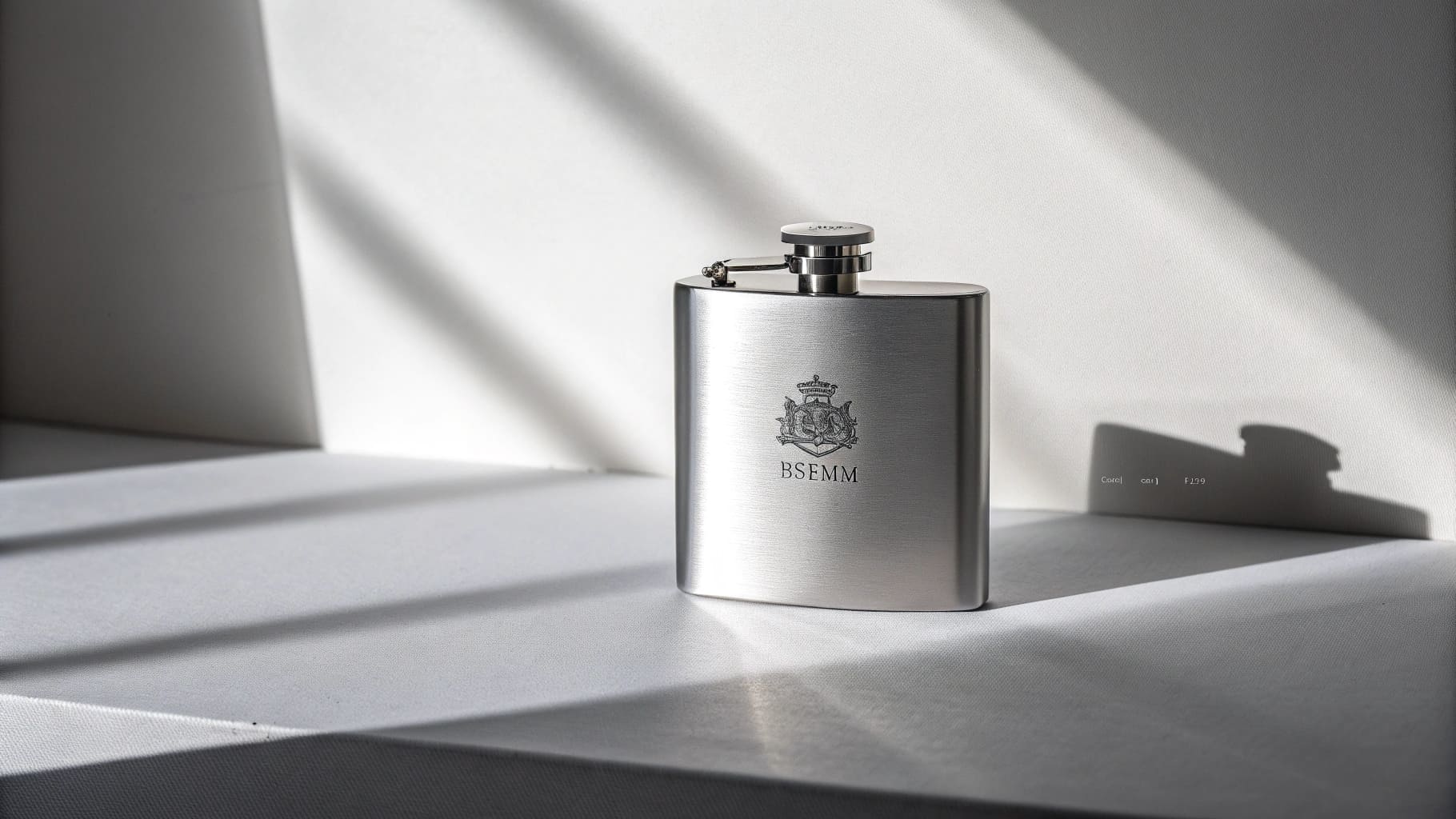
Understanding HS Code 9617.00
I ship thousands of vacuum flasks every year. The HS code 9617.00 covers vacuum flasks and other vacuum vessels. The key word here is "vacuum." Your product must have vacuum insulation between two walls. Customs officers check this during inspection. They sometimes cut open samples to verify the vacuum layer.
The classification under 9617.00 requires specific construction features:
| Feature | Requirement | Impact on Classification |
|---|---|---|
| Double-wall construction | Must have inner and outer walls | Required for 9617.00 |
| Vacuum layer | Air removed between walls | Defines vacuum vessel status |
| Complete product | Ready for immediate use | Affects whether classified as parts |
| Insulation purpose | Primary function is temperature retention | Distinguishes from decorative items |
One of my Canadian clients learned this the hard way. He ordered 5,000 single-wall stainless steel bottles. He used HS code 9617.00 on his import documents. Customs rejected the classification. They reclassified the shipment under 7323.93. His duty rate jumped from 3.4% to 8.2%. He paid an extra $2,400 in duties plus penalties.
The documentation matters too. I always provide technical specifications2 showing the vacuum layer. I include cross-section diagrams. I attach test reports proving insulation performance. These documents help customs officers confirm the 9617.00 classification. Without them, officers default to higher-duty classifications to protect revenue.
What is the tariff code for thermos?
Buyers often use "thermos" and "vacuum flask" interchangeably. Customs officers do not. The tariff code3 depends on whether your product truly functions as a thermos. I have rejected many factory samples that claimed vacuum insulation but failed basic tests.
The tariff code for genuine thermos products typically falls under HS 9617.00, with duty rates varying by import country. US duties are generally 3.4%, EU duties range from 6.7% to 9.7%, and Canada applies 8% duties on most thermos imports.

Breaking Down Thermos Tariff Rates
I calculated tariff costs for a procurement officer from Toronto last month. He wanted to import 10,000 thermos bottles. The unit FOB price was $4.50. We needed to calculate total landed costs including all duties and fees.
Here is what the actual cost breakdown looked like:
| Cost Component | Calculation | Amount per Unit |
|---|---|---|
| FOB Price | Base manufacturing cost | $4.50 |
| Freight | Air or sea shipping | $0.85 |
| Insurance | Typically 0.3% of cargo value | $0.02 |
| Customs Duty | 8% of CIF value | $0.43 |
| Brokerage Fee | Fixed per entry plus per item | $0.15 |
| COO Marking | Laser etching cost | $0.25 |
| Total Landed Cost | Sum of all components | $6.20 |
The thermos must meet specific performance standards to qualify for the lower duty rate. I test every production batch. The product must maintain hot liquid above 65°C for at least 6 hours. It must keep cold liquid below 10°C for at least 12 hours. Customs can request test reports during inspection.
One mistake I see repeatedly involves mixed shipments. A buyer orders both vacuum thermos bottles and single-wall water bottles in one container. They list everything under HS 9617.00. Customs separates the shipment. They reclassify the single-wall bottles. The buyer pays two different duty rates plus administrative fees for the split classification.
I learned to separate different product types into different invoices. This makes customs clearance faster. It reduces the risk of entire shipments getting delayed because of classification disputes on one product line.
What is the commodity code for stainless steel flask?
The material composition creates classification confusion. Buyers assume "stainless steel" automatically determines the code. It does not. The construction method matters more than the material. I have shipped identical stainless steel flasks that received different commodity codes based on subtle design differences.
Stainless steel flasks with vacuum insulation use commodity code 9617.00, while single-wall stainless steel flasks without vacuum insulation typically fall under 7323.93. The duty rate difference can reach 16.3% between these two codes in some markets.

I supplied a startup founder in California with single-wall stainless steel bottles last year. He insisted his product was a "flask" and should use 9617.00. I showed him the customs definition. Single-wall stainless steel products are "table, kitchen or other household articles of stainless steel." They fall under 7323.93. He argued for three weeks. He finally filed under 9617.00 against my advice. Customs rejected his entry. He paid 19.7% duties instead of the 3.4% he expected.
The commodity code 7323.93 covers a broad range of stainless steel household items:
| Product Type | Key Feature | Typical Duty Rate |
|---|---|---|
| Single-wall bottles | No vacuum layer | 8.2% - 19.7% |
| Stainless steel cups | No insulation | 8.2% - 15.4% |
| Food containers | Stainless steel construction | 8.2% - 12.8% |
| Hip flasks | Decorative, no thermal function | 8.2% - 19.7% |
The COO marking requirements become stricter under 7323.93. US Customs requires the country of origin permanently marked on the product itself. I cannot put COO marks only on packaging for this commodity code. I need to laser etch or pad print directly on each flask. This adds $0.25 to $0.35 per unit to my manufacturing costs.
I also handle Section 301 tariffs for this commodity code. When shipping Chinese-made single-wall stainless steel bottles to the US, buyers face an additional 25% tariff on top of the base duty. This makes the total tariff burden exceed 33% in many cases. Some of my clients switched to sourcing from Vietnam to avoid Section 301 tariffs. The Vietnam option adds 7-12 days to production time but saves 25% on tariff costs.
DDP Cost Calculations for 2026
I calculate DDP prices for every client now. The landed cost includes too many variables for buyers to track themselves. I learned this after losing three major clients who got surprised by unexpected customs fees.
Here is my standard DDP calculation formula:
DDP Price = FOB + Freight + Insurance + Duties + Brokerage + COO Marking + Compliance Costs
I worked on a DDP quote for a European client last week. He wanted 8,000 vacuum flasks4. The numbers show why DDP pricing matters:
| Line Item | Cost | Notes |
|---|---|---|
| FOB China | $4.20/unit | Base manufacturing price |
| Sea Freight | $0.65/unit | Based on 1 CBM per 500 units |
| Insurance | $0.02/unit | 0.3% of cargo value |
| EU Duty (9.7%) | $0.47/unit | On CIF value |
| VAT (20%) | $1.07/unit | On duty-paid value |
| Customs Clearance | $0.12/unit | Brokerage and admin fees |
| COO Laser Etch | $0.25/unit | Permanent marking |
| LFGB Testing | $0.08/unit | EU food contact compliance |
| Total DDP | $6.86/unit | Ready for customer delivery |
The DDP price came out 63% higher than FOB. My client expected maybe 30% markup. He almost cancelled the order. I showed him this detailed breakdown. He understood that all these costs exist whether I calculate them upfront or not. DDP pricing just makes them visible.
I also track tariff changes for 2026. The US adjusted duty rates on certain stainless steel items in January. The EU is proposing new environmental compliance fees on imported metal products. These changes affect my DDP calculations every quarter. I maintain a spreadsheet with current duty rates for 15 different import markets. I update it monthly.
COO Marking Requirements and Costs
Country of Origin marking created my biggest headache last year. I shipped 15,000 flasks to a US buyer. The COO marks were pad printed on the bottom. The ink wore off during transit. US Customs refused entry. The entire shipment got sent back to China. I lost $28,000 on that mistake.
I now use only permanent marking methods. Laser etching costs more but never wears off. I position COO marks where end users can see them without disassembly. This meets US Customs requirements for "ultimate purchaser" visibility.
The marking requirements vary by market:
| Market | Marking Method | Position | Language | Size Requirement |
|---|---|---|---|---|
| USA | Laser etch or deep stamp | Visible to end user | English | Minimum 1.5mm height |
| EU | Laser etch or permanent print | On product body | Local language | Minimum 1.2mm height |
| Canada | Laser etch or permanent print | Visible location | English or French | Minimum 1.5mm height |
| Australia | Laser etch or permanent print | Main body | English | Minimum 1.5mm height |
I added laser etching5 equipment to my production line last year. The machine cost $15,000. It pays for itself by preventing rejected shipments. I etch COO marks on every flask now. The per-unit cost is $0.25. This seems expensive until you lose an entire container to marking violations.
Some buyers ask if they can add COO stickers after import. The answer is no. US Customs specifically prohibits removable COO labels on most products under 7323.93 and 9617.00. The marking must survive normal handling and use. I test my laser etching by rubbing it with steel wool. If the mark stays legible, it passes Customs scrutiny.
Conclusion
HS code classification determines your landed costs and compliance requirements. Confirm codes with licensed customs brokers before large orders. Budget for all DDP costs upfront to avoid surprises.
-
Understanding DDP costs helps in accurately estimating total landed costs for your shipments. ↩
-
Providing the right technical specifications can facilitate smoother customs inspections. ↩
-
Knowing the correct tariff code for thermos products is essential for accurate duty calculations. ↩
-
Correct classification of vacuum flasks is vital to ensure compliance and avoid penalties. ↩
-
Laser etching ensures permanent COO marks, reducing the risk of customs rejections. ↩