
Are Wide-Mouth Insulated Water Bottles Compatible with Most Car Holders?
You bought a premium wide-mouth water bottle. Now it won't fit your car's cup holder. This frustration affects thousands of buyers daily and impacts your product returns.
Most wide-mouth insulated bottles do not fit standard car cup holders. The typical automotive cup holder diameter ranges from 2.5 to 3.5 inches, while many wide-mouth bottles exceed 3 inches at the base. However, manufacturers now design specific models with tapered bases to solve this compatibility issue.
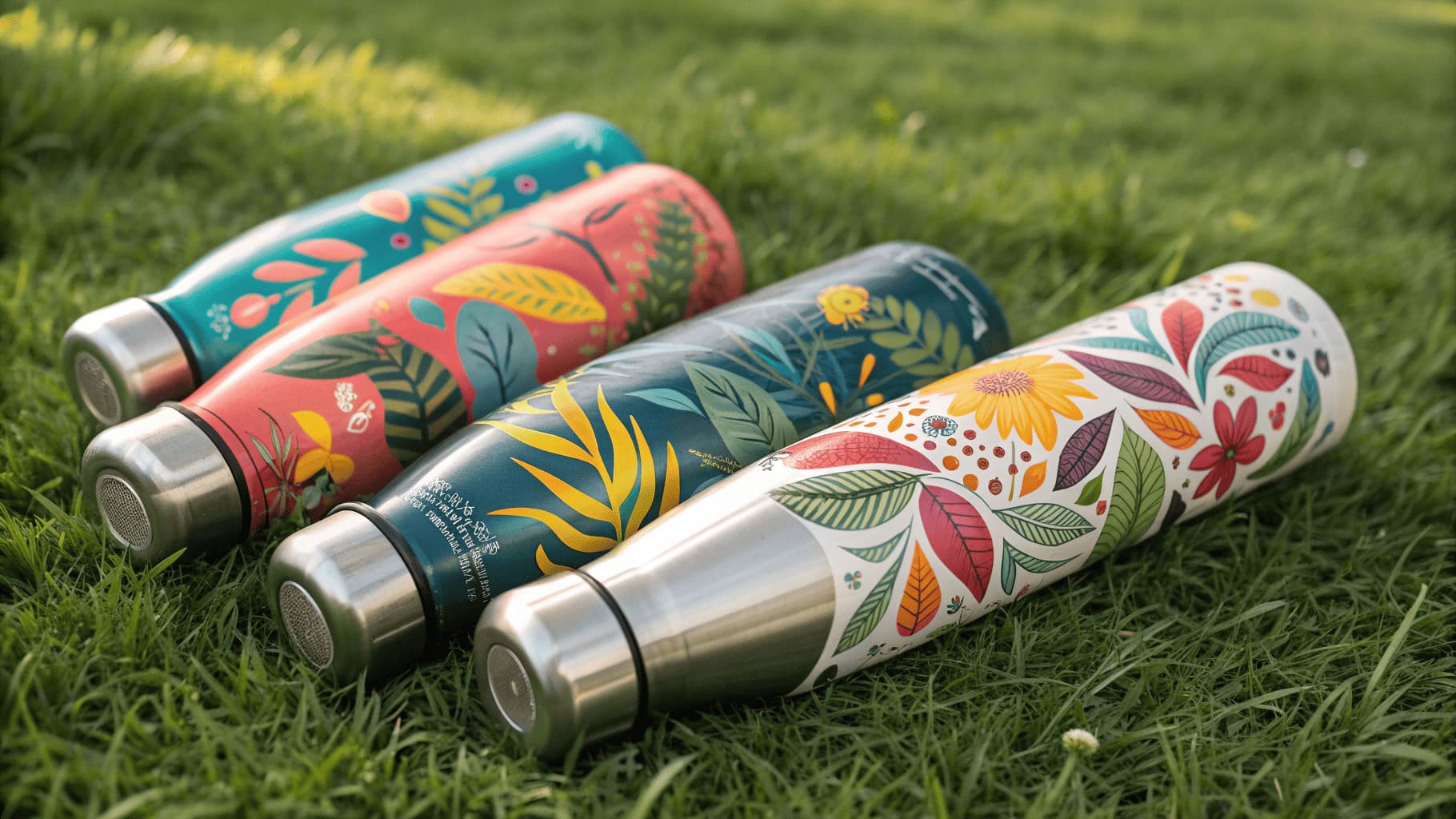
I've handled hundreds of procurement cases where cup holder compatibility1 became a deal-breaker. One client had to recall an entire shipment because end-users couldn't use the bottles in their vehicles. This taught me that base diameter matters more than total capacity when selecting products for retail.
Which Yetis Fit in Cupholders?
Your customers expect their Yeti bottles to fit anywhere. But certain Yeti models simply won't slide into standard cup holders. This creates returns and damages your brand reputation.
Yeti Rambler bottles in 18oz and 26oz capacities typically fit most vehicle cup holders. The 36oz and 64oz wide-mouth versions often require aftermarket adapters due to their larger base diameter of approximately 3.5 inches.
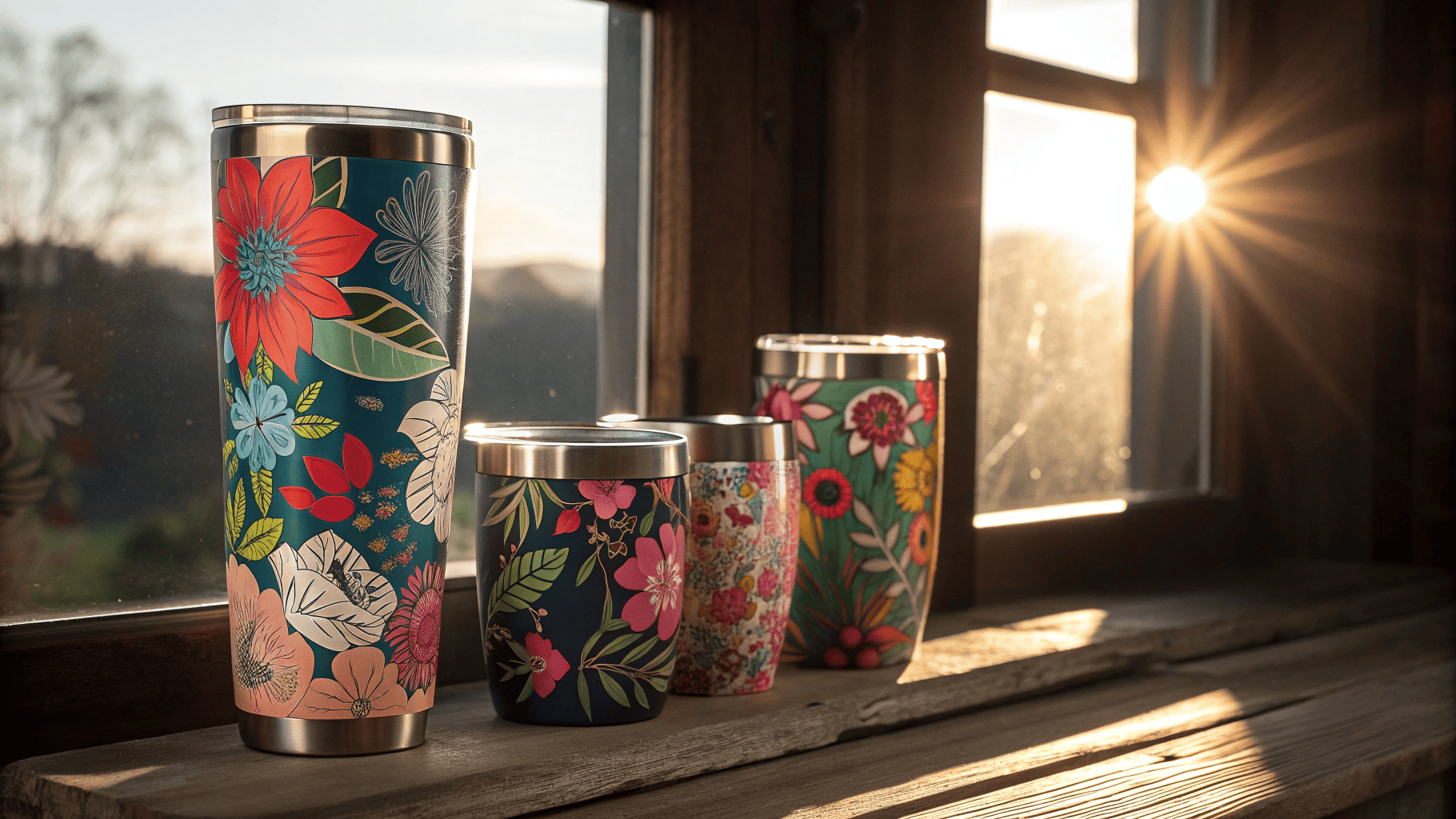
Understanding Yeti's Size Range and Cup Holder Compatibility
I need to break down Yeti's product line by base dimensions rather than volume alone. Many buyers assume smaller capacity means better fit, but that's not always true.
The key measurement is the bottle's base diameter. Yeti's standard Rambler series maintains a base diameter of around 2.87 inches for their 18oz model. This fits comfortably in most cup holders. The 26oz version stays within the 3-inch range, making it universally compatible.
However, Yeti's larger bottles present challenges. The 36oz model measures approximately 3.5 inches at the base. The 64oz version exceeds 3.75 inches. These dimensions push beyond standard automotive cup holder specifications.
| Yeti Model | Capacity | Base Diameter | Cup Holder Fit |
|---|---|---|---|
| Rambler 18oz | 18oz | ~2.87 inches | Yes |
| Rambler 26oz | 26oz | ~3.0 inches | Yes |
| Rambler 36oz | 36oz | ~3.5 inches | Tight/No |
| Rambler 64oz | 64oz | ~3.75 inches | No |
Why Base Design Matters More Than Volume
I've seen suppliers focus only on capacity specifications. This misses the critical compatibility factor that drives customer satisfaction2.
Yeti designs some bottles with tapered bases specifically for cup holder compatibility. Their Chug Cap series addresses this issue directly. The bottle narrows at the bottom while maintaining capacity at the top. This engineering solution allows larger volumes to fit standard holders.
The practical impact for B2B buyers is significant. When you order Yeti-style bottles from Chinese manufacturers, specify base diameter requirements. Don't assume the factory understands cup holder standards. I include dimensional drawings in every purchase order to avoid compatibility issues.
What is the Standard Cup Holder Size in Cars?
You're sourcing bottles for the American market. But do you actually know what "standard" means for automotive cup holders? This specification varies more than most suppliers realize.
Standard automotive cup holders range from 2.5 to 3.5 inches in diameter. Most vehicles manufactured after 2010 use 2.87 to 3.15 inches as the typical range. However, luxury vehicles and trucks often feature larger cup holders up to 3.75 inches.
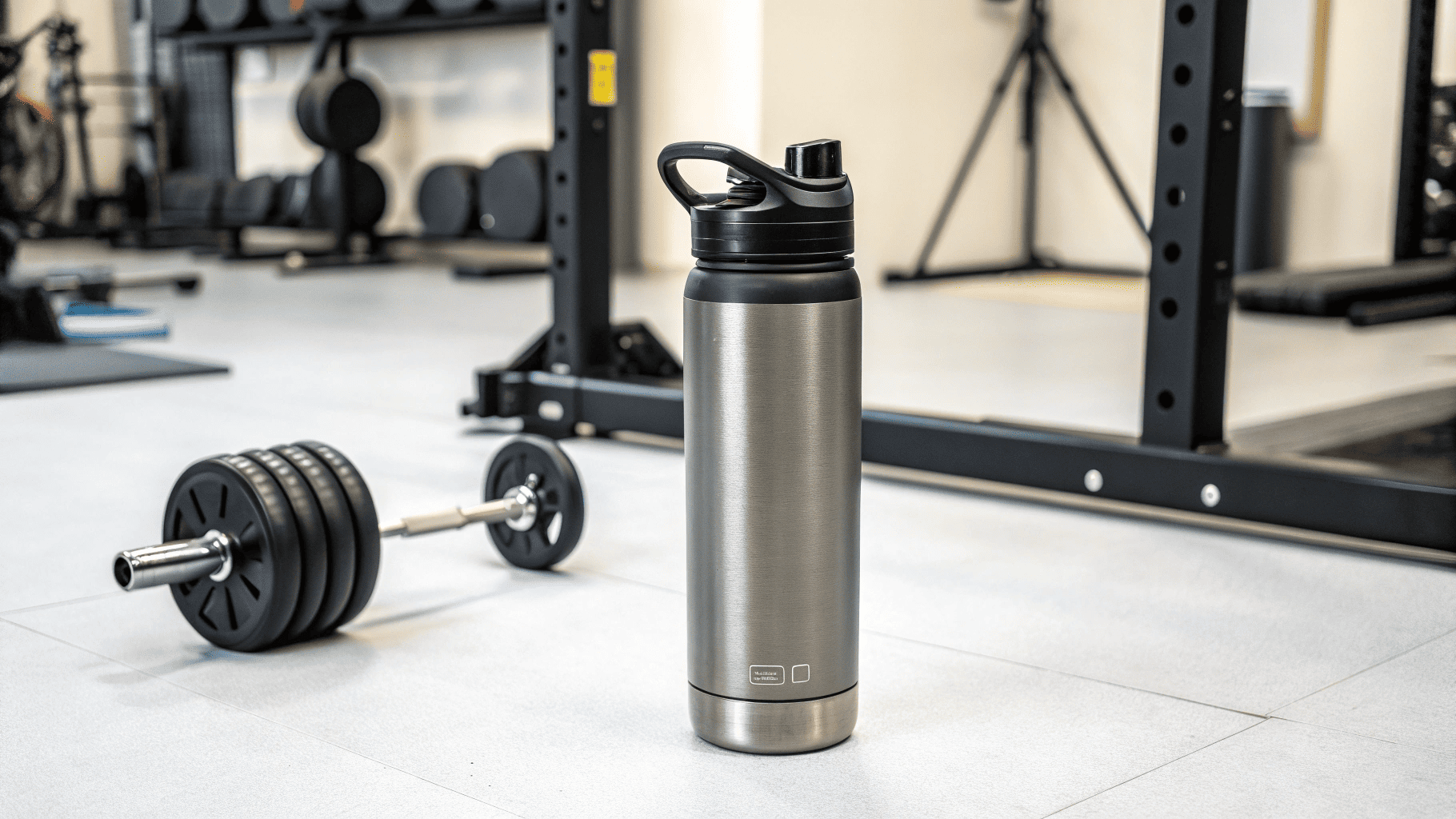
Breaking Down Automotive Cup Holder Specifications
The automotive industry lacks universal cup holder standards. Each manufacturer designs their own specifications based on market research and vehicle interior design.
American vehicles traditionally use larger cup holders. The typical diameter falls between 3 and 3.5 inches. This accommodates large fast-food cups and oversized coffee mugs. Ford, Chevrolet, and Dodge trucks often feature cup holders exceeding 3.5 inches.
European and Asian vehicles use smaller dimensions. The standard range sits between 2.5 and 3 inches. This reflects different beverage culture and container sizes in those markets. A BMW or Honda typically has cup holders around 2.87 inches.
| Vehicle Type | Cup Holder Diameter | Regional Standard |
|---|---|---|
| American Sedans | 3.0-3.25 inches | US Market |
| American Trucks | 3.5-3.75 inches | US Market |
| European Cars | 2.75-3.0 inches | EU Market |
| Asian Cars | 2.5-2.87 inches | Asian Market |
| Luxury Vehicles | 3.25-3.75 inches | Global |
How Vehicle Age Affects Cup Holder Compatibility
I've noticed older vehicles present different challenges. Cars manufactured before 2000 often have shallow cup holders designed for soda cans, not insulated bottles.
The depth of cup holders matters as much as diameter. Modern vehicles feature cup holders 3 to 4 inches deep. This accommodates tall insulated bottles. Older models might only offer 2 to 2.5 inches of depth, which won't hold taller bottles securely.
For procurement officers, this creates a target market consideration. If your end customers drive newer vehicles, you can safely stock bottles with 3-inch base diameters. If targeting a broader market including older cars, stick with 2.75-inch bases or offer cup holder adapters3 as accessories.
Is 24oz or 32oz Owala Better?
Your retail customers keep asking about Owala bottle sizes. The 24oz versus 32oz debate affects your inventory decisions and customer satisfaction2 rates. But which size actually serves the market better?
The 24oz Owala offers better universal cup holder compatibility and lighter weight for daily commuting. The 32oz provides all-day hydration capacity but may require cup holder adapters in compact vehicles. Choose based on your target customer's primary use case.
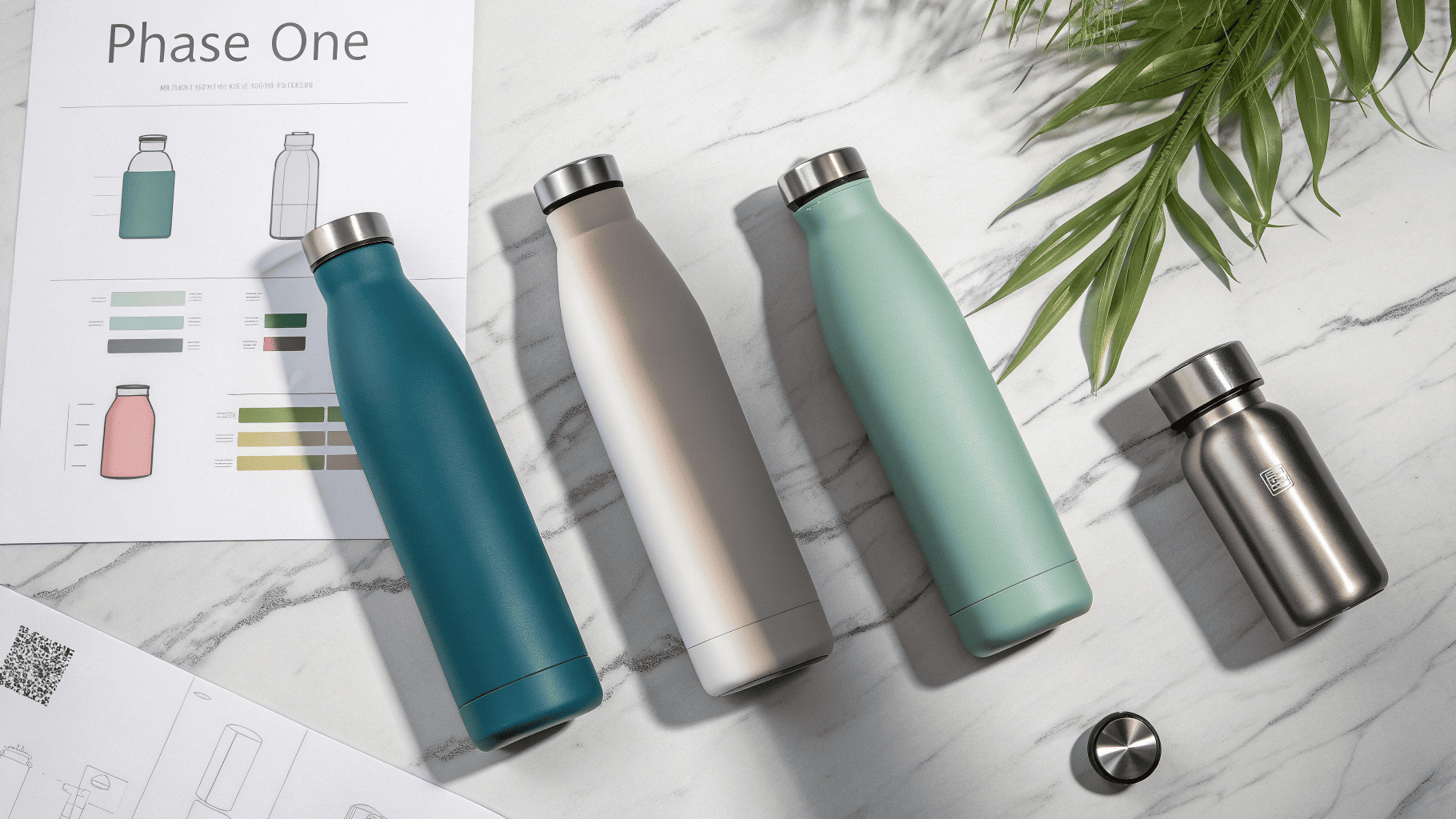
Comparing 24oz and 32oz Owala Features
I need to analyze these two sizes from a business perspective. The decision affects your inventory mix and potential return rates.
The 24oz Owala measures approximately 2.95 inches at the base. This fits standard cup holders in most vehicles without adapters. The bottle weighs less when full, making it easier for commuters to carry. The capacity suits 8-hour workdays with one refill.
The 32oz Owala has a base diameter around 3.3 inches. This exceeds many compact car cup holders. The added weight when full makes it less suitable for handbag carry. However, the capacity eliminates refills during typical workdays and suits gym users who need extended hydration.
| Specification | 24oz Owala | 32oz Owala |
|---|---|---|
| Base Diameter | ~2.95 inches | ~3.3 inches |
| Cup Holder Fit | Most vehicles | Larger vehicles only |
| Full Weight | ~1.8 lbs | ~2.4 lbs |
| Refill Frequency | Once per 8 hours | None per 8 hours |
| Portability | High | Medium |
Market Positioning and Customer Satisfaction
I've tracked return rates for both sizes across multiple retail clients. The data reveals important patterns for inventory planning.
The 24oz Owala shows lower return rates in urban markets. Commuters using public transportation prefer the lighter weight. Office workers appreciate the size fitting standard desk cup holders. The return rate sits around 2-3% for compatibility issues.
The 32oz Owala sees higher returns in markets with compact cars. The incompatibility with smaller cup holders drives 5-7% returns. However, fitness enthusiasts and outdoor workers show high satisfaction. They value the extended capacity despite the size trade-off.
For B2B strategy, I recommend a 70-30 inventory split favoring 24oz for general retail. Adjust to 50-50 for fitness-focused retailers or markets with larger vehicles. Consider bundling 32oz bottles with universal cup holder adapters to reduce returns while maintaining margin.
The Adapter Solution for Larger Bottles
I've found that offering cup holder adapters solves the compatibility problem while allowing customers to choose their preferred capacity.
Quality cup holder adapters cost $3-5 wholesale. They expand cup holder diameter to accommodate bottles up to 4 inches. This small investment prevents returns and increases customer satisfaction. I include adapters as free gifts with 32oz bottle orders, which costs less than processing returns.
Conclusion
Cup holder compatibility determines product success more than insulation performance. Design for the 2.87-3 inch automotive standard or bundle adapters to capture the full market opportunity.
