
Why do some cups fail dishwasher tests? Root causes and preventive fixes
I have seen many buyers return products because their cups fail after a few dishwasher cycles. The lids crack. The gaskets deform. The colors fade. These failures cost you money and damage your brand reputation.
Most cup failures in dishwasher tests1 happen because of peripheral components, not the main vessel. The root cause is material incompatibility with sustained high temperatures. Stainless steel bodies survive, but plastic lids, gaskets, and handles often fail.
I work with procurement officers who tell me the same story. They buy what looks like quality drinkware. The price seems right. The samples pass basic checks. But after customers run them through dishwashers a few times, complaints flood in. I want to help you avoid this problem by showing you what actually breaks and why.
Why are some cups not dishwasher safe?
Many cups look sturdy but contain hidden weak points that cannot handle dishwasher conditions. Your customers expect convenience. When cups fail, they blame your brand, not the factory that made them.
Cups fail dishwasher tests when their multi-material construction includes components that cannot withstand sustained heat and pressure cycles. The main body might be fine, but auxiliary parts deform or degrade.
The real culprit: Material selection for auxiliary components
I learned this lesson five years ago when a client returned 5,000 units. The stainless steel tumblers were perfect. But every lid had warped. We traced the problem back to the gasket material.
Most failures happen in three specific areas. First, the sealing gaskets2 and O-rings made from materials like PP, PE, or PS show poor heat resistance. These materials have physical properties that decrease greatly as temperature rises. Second, overmolded lid handle parts often use these same problematic plastics. Third, polycarbonate components can hydrolyze when immersed in boiling water for extended periods.
The dishwasher environment creates a perfect storm. Temperatures spike above 60°C. Pressure builds inside sealed compartments. Harsh detergents attack surfaces. Water jets pound components repeatedly. Cheap materials cannot survive this combination.
| Component | Problem Material | What Happens | Better Alternative |
|---|---|---|---|
| Gaskets | PP, PE, PS | Deforms under heat | PPSU, Silicone |
| Lids | Tritan above 94°C | Cracks and warps | PPSU up to 207°C |
| O-rings | Standard rubber | Loses elasticity | Food-grade silicone |
| Handle parts | PC with BPA | Hydrolyzes | PPSU or solid silicone |
The main vessel material matters less than most people think. Both SS304 and SS316 stainless steel have excellent heat resistance and corrosion resistance. They will survive any dishwasher cycle. The failure always comes from what we attach to the stainless steel body.
I always ask suppliers about every component, not just the main material. What gasket material do you use? Can it handle 207°C repeatedly? Does your lid material contain BPA? Will it hydrolyze? These questions reveal if they truly understand dishwasher compatibility.
Why are Yeti cups not dishwasher safe?
You might have heard that Yeti cups cannot go in dishwashers. This confuses many buyers who want to offer dishwasher-safe products. The truth is more nuanced than most people realize.
Most Yeti Rambler models are actually designed to be easy to clean and dishwasher safe. The brand has built a reputation for durability and functionality. However, manufacturers often recommend hand washing to preserve finishes and extend product life.
Understanding the Yeti dishwasher recommendation
I have sold drinkware that competes with Yeti for years. The confusion about Yeti's dishwasher safety comes from their care recommendations, not their actual capabilities.
Yeti cups use high-quality stainless steel construction that can absolutely survive dishwasher cycles. The stainless steel will not corrode or degrade. But Yeti recommends hand washing for a specific reason. They want to preserve the powder coating finish. Dishwasher detergents are abrasive. Over time, they can dull or damage decorative finishes.
This creates a marketing challenge. If you tell customers a cup is dishwasher safe, they will use the dishwasher. If the coating fades after 100 cycles, they get upset. So Yeti takes the conservative approach. They say hand wash. This protects their brand reputation even though the structural components can handle dishwashers.
I face the same decision with my clients. Do we prioritize convenience or longevity? The answer depends on your market positioning.
The difference between structural safety and finish preservation
Here is what actually happens in a dishwasher:
Structural components: The stainless steel body maintains its integrity completely. The vacuum insulation continues working. Leak-resistant seals stay functional if made from proper materials. The cup remains safe to drink from and holds temperature as designed.
Surface finishes: Powder coating gradually dulls. Printed logos may fade. Colors lose vibrancy. The cup still works perfectly, but it looks older faster.
For B2B buyers, this distinction matters. If you sell to retail customers who care about appearance, hand washing might be your recommendation. If you sell to industrial clients who prioritize function over aesthetics, dishwasher safe becomes a selling point.
I worked with a client who bought 10,000 tumblers for corporate gifts. They wanted dishwasher safe confirmed in writing. We provided it. But we also explained that laser engraved logos3 would outlast printed ones in dishwashers. They chose laser engraving. Three years later, those cups still look great. No complaints.
How to tell if a tumbler is dishwasher safe?
Buyers waste money on products that claim dishwasher safety but fail in real use. You need to verify claims before committing to large orders. Empty promises hurt your business.
Check three critical factors: material certifications (FDA, LFGB, BPA-Free), component temperature resistance up to 207°C, and explicit manufacturer labeling with temperature limitations. Quality suppliers provide documentation for every claim.
Step-by-step verification process
I developed this checklist after losing money on bad orders early in my career. Now I require proof for every claim.
Step 1: Demand material specifications for ALL components
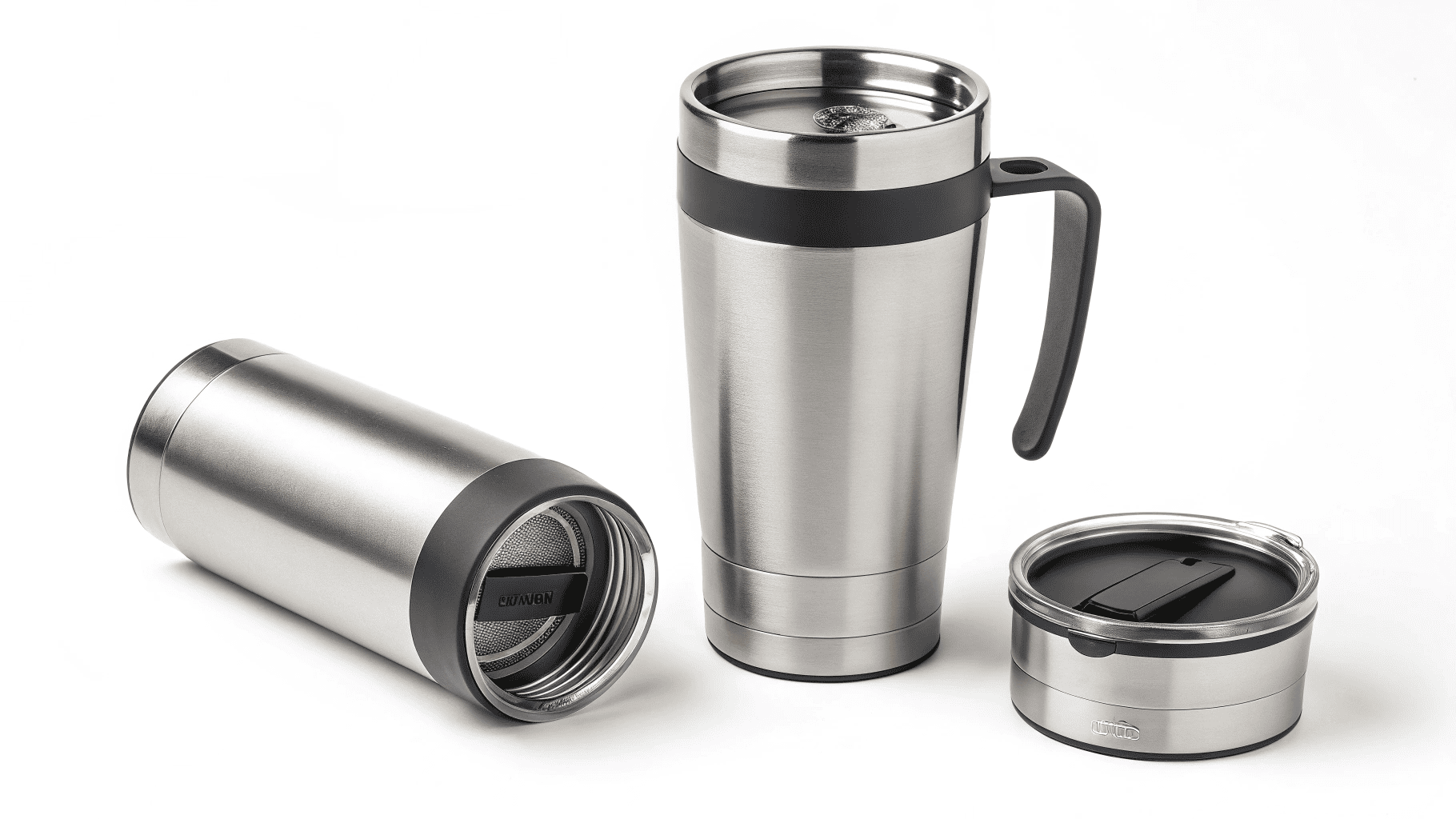
Do not accept vague statements. Get specific material names for the body, lid, gasket, handle, straw, and any decorative elements. Cross-reference these materials against heat resistance data.
PPSU demonstrates high hydrolytic stability and can be repeatedly boiled and steam sterilized. This material can handle dishwasher temperatures easily. Tritan works well but may deform when temperatures exceed 94°C. If a lid uses Tritan, the dishwasher temperature matters. Polycarbonate is a red flag for dishwasher use because it hydrolyzes when immersed in boiling water for extended periods.
Step 2: Verify food-grade certifications
Any tumbler touching beverages needs proper certifications. FDA compliance4 confirms the material meets food safety standards in the United States. LFGB certification covers European requirements. BPA-Free status matters because BPA is harmful to health and some materials like polycarbonate contain it.
I always ask suppliers to send copies of current certificates. Not promises. Not claims. Actual certificate documents with dates. If they hesitate, I walk away.
Step 3: Test the product yourself
Before placing large orders, run your own dishwasher tests. Get samples. Run them through 20 dishwasher cycles. Check for deformation, cracking, color changes, or seal failures. This simple test saves you from expensive mistakes.
| Verification Item | What to Check | Red Flags | Green Flags |
|---|---|---|---|
| Certifications | FDA, LFGB, BPA-Free | No documents provided | Current certificates with dates |
| Gasket material | Heat resistance rating | PP, PE, PS materials | PPSU, food-grade silicone |
| Lid material | Temperature limits | PC with BPA, cheap plastics | PPSU, Tritan with specs |
| Body material | Grade confirmation | SS201 (not food-grade) | SS304 or SS316 |
| Temperature rating | Maximum safe temperature | No specification given | Clear 207°C rating |
Step 4: Review manufacturer expertise
Quality manufacturers understand the science behind dishwasher compatibility. They conduct thermal cycling tests during product development. They can explain why they chose specific materials. They offer data, not just marketing claims.
I work with factories that have 20+ years of experience. They know which gasket materials fail and which ones last. They understand that the lowest-cost solution is not always the most dishwasher-durable one. This expertise shows in the questions they ask me. Good manufacturers want to know your target market, expected product lifespan, and customer usage patterns. Bad ones just quote you a price.
Step 5: Get explicit dishwasher-safe labeling
If a product is truly dishwasher safe, the manufacturer should put it in writing. Request product specifications that explicitly state "dishwasher safe" with any temperature limitations. This documentation protects you if problems arise later.
Some manufacturers will say their products "can be washed" without specifying the method. This vague language leaves you exposed. Demand clarity. If they will not commit to dishwasher safe in writing, assume the product cannot handle it.
Conclusion
Cup failures in dishwashers trace back to auxiliary component materials, not main vessel quality. Verify every material, demand certifications, and test products yourself before large orders.
-
Understanding the reasons behind dishwasher test failures can help you choose better products and avoid costly returns. ↩
-
Discover the best materials for sealing gaskets to ensure long-lasting performance in dishwashers. ↩
-
Explore the benefits of laser engraving over printed logos for long-lasting drinkware. ↩
-
Learn about FDA compliance and why it matters for the safety of drinkware materials. ↩
