
Are stainless steel cups dishwasher-safe? Lab methods and labeling rules
I received an email last month from a buyer who lost a $50,000 order. The reason? Their stainless steel tumblers cracked after three dishwasher cycles. This happens more often than you think.
Quality stainless steel cups made from 304 grade material are dishwasher-safe1. The key lies in proper material selection and construction methods. 304 stainless steel contains over 18% chromium and 8% nickel, providing rust resistance and thermal stability during high-heat dishwasher cycles.
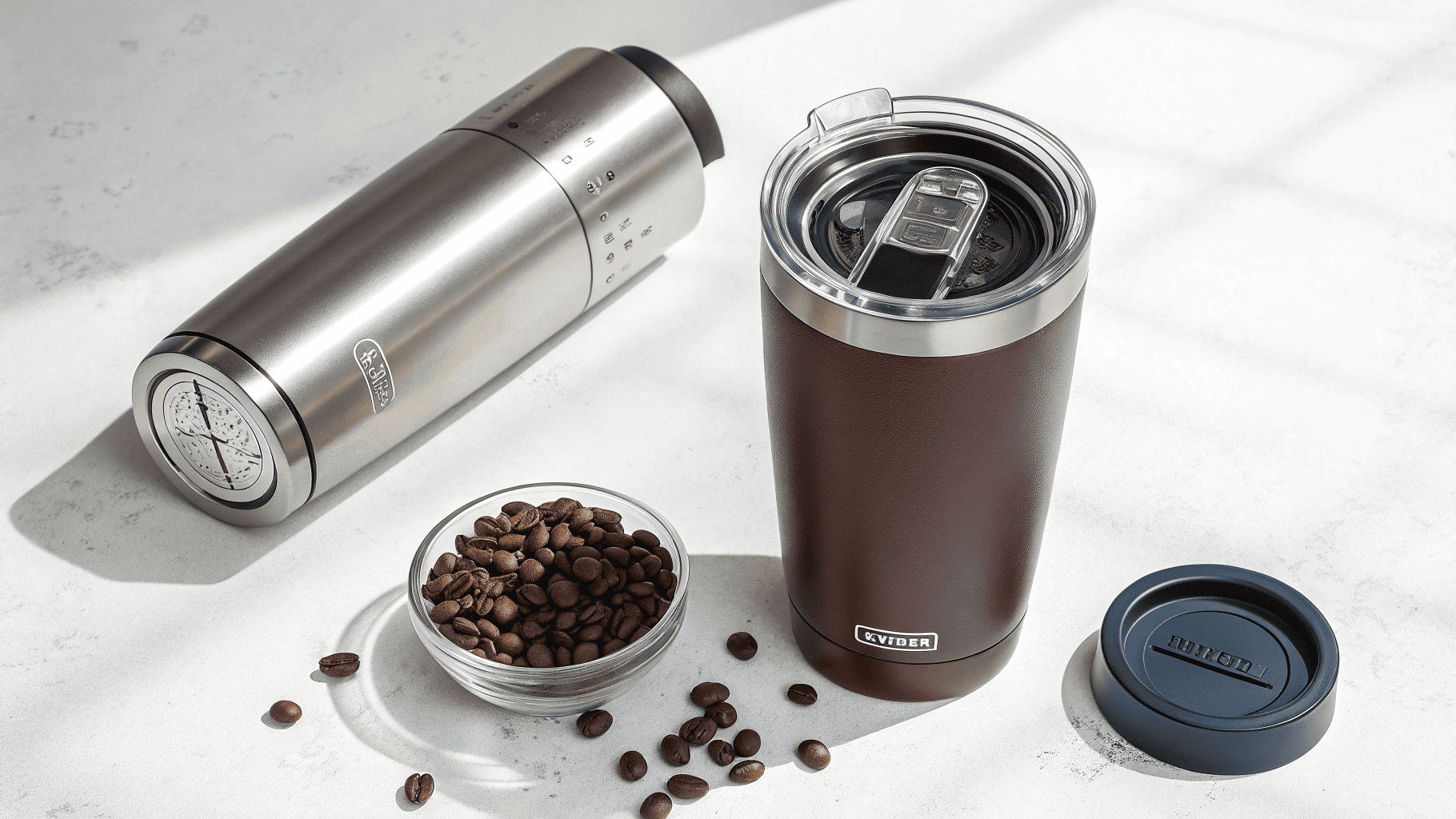
I have worked with hundreds of buyers who source stainless steel drinkware from China. Most of them ask the same question during our first call: "Can I tell my customers these cups are dishwasher-safe?" My answer always starts with "it depends." Let me show you what really matters.
Is stainless steel always dishwasher safe?
You might assume all stainless steel products can go in the dishwasher. I learned this was wrong when I visited a factory in Guangdong last year. The quality inspector showed me two identical-looking tumblers. One passed dishwasher testing. The other failed completely.
Not all stainless steel grades can withstand dishwasher conditions. Premium manufacturers use 304 stainless steel for both inner and outer walls. Lower-grade alternatives like 201 series may corrode or crack when exposed to high-heat environments and detergent chemicals during dishwasher cycles.
What makes stainless steel dishwasher-safe
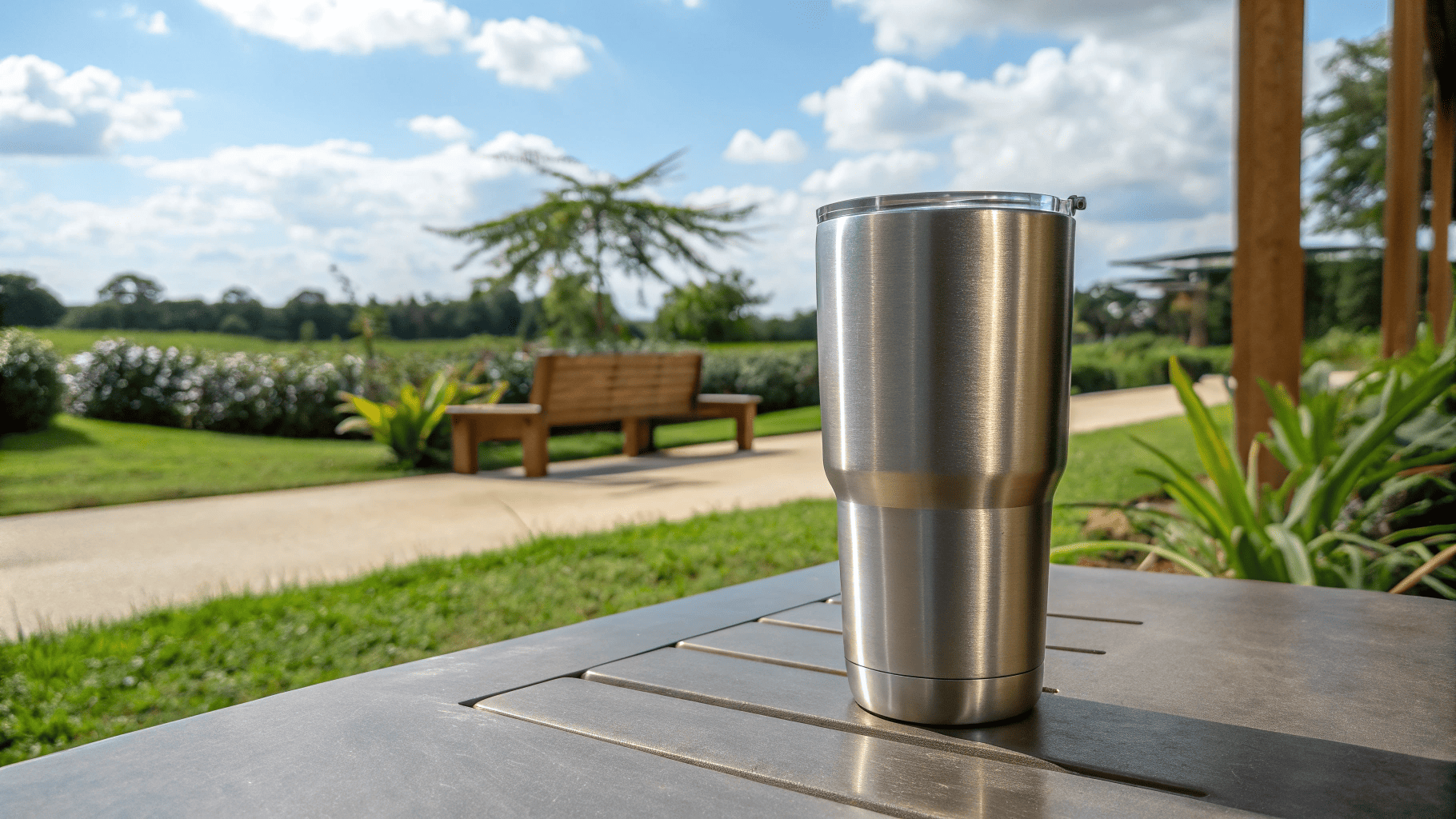
The material composition determines dishwasher compatibility. I always tell my buyers to verify the steel grade before placing orders. 304 stainless steel is also called 18/8 stainless steel. The numbers refer to chromium content (18%) and nickel content (8%). These elements create a protective layer on the steel surface. This layer prevents rust and corrosion during dishwasher cycles.
The 200 series stainless steel costs less but offers lower corrosion resistance. I have seen products made from this material develop brown spots after repeated dishwashing. The 300 series (304 and 316) provides better performance. 316 stainless steel contains additional molybdenum. This makes it more resistant to chlorides and acids found in dishwasher detergents.
| Steel Grade | Chromium Content | Nickel Content | Dishwasher Safe | Common Use |
|---|---|---|---|---|
| 201 | 16-18% | 3.5-5.5% | Not recommended | Budget products |
| 304 | 18% | 8% | Yes | Food-grade drinkware |
| 316 | 16-18% | 10-14% | Yes | High-end equipment |
Construction quality matters as much as material selection. Double-wall vacuum insulated tumblers must have proper welding between the inner and outer walls. Poor welding allows water to seep between walls during dishwashing. This causes permanent damage to the insulation.
Are all stainless steel cups lead free?
A buyer from California contacted me three months ago. She needed urgent lead testing certificates. Her shipment was held at customs. The supplier claimed "all stainless steel is lead free." This statement cost her two weeks and extra testing fees.
Reputable manufacturers certify their products as lead-free through third-party testing. This certification extends beyond the stainless steel body to all components including lids, seals, gaskets, and decorative coatings. Lead contamination typically occurs in these accessory parts rather than the steel itself.
Where lead contamination happens
I have inspected over 200 factories in Zhejiang and Guangdong provinces. The stainless steel body itself rarely contains lead. The risk areas are elsewhere. Powder coating finishes may use pigments containing lead compounds. Silicone seals and gaskets require careful material selection. Printed logos and decorative elements present another risk point.
Testing protocols for lead-free certification follow strict standards. FDA compliance requires lead levels below 100 parts per million. LFGB (German food safety standard) sets even stricter limits. California Proposition 652 mandates clear labeling if lead exceeds specific thresholds. I always recommend my buyers request test reports covering all product components.
| Component | Lead Risk Level | Testing Standard | Acceptable Limit |
|---|---|---|---|
| SS304 Body | Very Low | FDA | <100 ppm |
| Powder Coating | Medium | LFGB | <20 ppm |
| Silicone Seals | Low | CA Prop 65 | <0.5 μg/day |
| Printed Logos | Medium | FDA | <100 ppm |
Premium manufacturers implement comprehensive quality control. KingStar maintains 30 in-process quality inspectors and 5 open-box inspectors to verify material safety. They certify products as BPA-free, phthalate-free, and lead-free. I visited their facility last year. Every batch undergoes component-level testing before assembly. This prevents contaminated parts from entering the production line.
The certification documents you receive matter more than supplier promises. I request three specific documents from every manufacturer: third-party lab test reports showing lead content analysis3, material safety data sheets for all components, and compliance certificates for target markets. Suppliers who hesitate to provide these documents raise red flags immediately.
Do Yeti stainless steel tumblers contain lead?
I attended a trade show in Guangzhou last spring. Three different suppliers claimed they made "original Yeti tumblers." I asked each one for lead testing certificates. Only one could provide proper documentation. This shows the importance of verification in our industry.
Quality manufacturers producing Yeti-comparable tumblers follow strict material safety protocols. These products use food-grade 18/8 stainless steel and undergo comprehensive testing for lead content. Certified products display clear "Lead Free: Yes" markings along with relevant safety certifications.

Verification methods for lead-free claims
I developed a verification checklist after dealing with several non-compliant suppliers. The process starts with material specifications. Genuine Yeti-quality products use 90% recycled 18/8 stainless steel. The recycled content does not compromise safety. Reputable manufacturers source certified recycled steel that meets food-grade standards.
The powder coat finish requires special attention. Yeti-style tumblers typically feature durable powder coating4 for aesthetics and grip. This coating must pass lead content testing. I request samples and send them to independent labs. The cost is $200-300 per test. This investment protects you from much larger problems later.
Certification requirements vary by market. European buyers need LFGB certification. American buyers require FDA compliance and often CA Prop 65 certification. I work primarily with buyers targeting these markets. My recommendation is to obtain all three certifications regardless of your primary market. This gives you flexibility to expand later.
| Market | Required Certifications | Lead Limit | Testing Frequency |
|---|---|---|---|
| United States | FDA, CA Prop 65 | <100 ppm | Per batch |
| Europe | LFGB | <20 ppm | Per batch |
| Canada | Health Canada | <90 ppm | Per product line |
Factory audits reveal quality control practices. I look for ISO9001 certification and BSCI compliance. These systems ensure consistent testing protocols. Factories without these certifications may skip testing to reduce costs. The short-term savings create long-term risks for your brand reputation.
The lid assembly presents specific challenges. Yeti-style tumblers use clear shatter-resistant lids with silicone seals5. The silicone material must be food-grade and lead-free. Some suppliers use industrial-grade silicone to cut costs. This material may contain lead stabilizers. I always verify the silicone supplier's certifications separately.
Easy cleaning is a key selling point for these products. Most Yeti-comparable tumblers are dishwasher safe. This convenience requires proper material selection throughout the product. Lead-free powder coating must withstand repeated dishwasher cycles without degrading. The stainless steel must resist detergent chemicals. Both factors affect long-term safety.
I maintain relationships with three testing laboratories in China. They provide lead content analysis within 5-7 business days. The reports show exact lead levels for each component. I share these reports with buyers before production starts. This transparency builds trust and prevents customs issues.
Brand reputation depends on material safety. Yeti built their reputation on quality and reliability. Buyers sourcing comparable products must maintain the same standards. One non-compliant shipment can damage relationships you spent years building. I have seen this happen to buyers who prioritized price over certification.
Conclusion
Dishwasher safety and lead-free certification require verification beyond supplier claims. Quality 304 stainless steel with proper certifications protects your brand and customers. I help buyers navigate these requirements daily.
-
Explore the criteria that determine whether stainless steel products can safely be washed in a dishwasher. ↩
-
Learn about Proposition 65 and how it affects labeling requirements for consumer products. ↩
-
Understanding lead content analysis helps ensure compliance with safety standards. ↩
-
Discover how powder coating enhances the durability and aesthetics of stainless steel items. ↩
-
Learn about the role of silicone seals in maintaining the integrity and safety of drinkware. ↩