
How to validate vacuum insulation claims with standardized lab methods?
I learned the hard way that supplier promises don't always match reality. A shipment of "premium insulated bottles" once failed to keep ice frozen for even six hours. Marketing claims sound impressive, but real validation happens in the lab.
Professional manufacturers use standardized testing protocols to measure temperature retention objectively. Quality double-wall vacuum bottles should keep cold beverages cold for up to 24 hours and hot beverages hot for up to 12 hours under controlled conditions. I verify these claims through systematic laboratory methods before every shipment leaves my facility.

The competitive market pushes brands to exaggerate insulation performance. I've seen claims of 48-hour cold retention that crumble under actual testing. B2B buyers1 need concrete evidence beyond supplier promises. Testing equipment, detailed reports, and transparent manufacturing processes separate quality suppliers from those making empty claims.
How to check insulation effectiveness?
I start every quality check with heat preservation testing2. The process sounds simple, but the details matter. My team fills bottles with water at specific starting temperatures and measures temperature changes hourly.
Heat preservation tests provide objective data about insulation performance. The test reveals whether a bottle actually maintains temperature as claimed. I've rejected entire batches based on these results. The numbers don't lie.

The testing process requires specialized equipment and controlled environments. I use insulation test machines designed specifically for this purpose. The machines maintain consistent ambient temperatures while monitoring the bottle's internal temperature over time.
My standard protocol involves several critical steps:
| Test Parameter | Specification | Purpose |
|---|---|---|
| Initial Hot Water Temperature | 95°C ± 1°C | Establishes baseline for heat retention |
| Initial Cold Water Temperature | 4°C ± 1°C | Establishes baseline for cold retention |
| Ambient Temperature | 20°C ± 2°C | Maintains controlled environment |
| Measurement Intervals | Every 1 hour | Tracks temperature decline/rise rate |
| Test Duration | 12 hours (hot) / 24 hours (cold) | Validates manufacturer claims |
The heat preservation test catches manufacturing defects3 that visual inspection misses. A bottle might look perfect but fail to maintain temperature due to poor vacuum seals or improper gap spacing between walls. I measure temperature at regular intervals to ensure products meet specified insulation standards.
I also conduct appearance inspections alongside performance testing. A dent or crack might not seem significant, but these defects compromise insulation. The bottle passes only when it meets both aesthetic and functional requirements.
How to test insulation materials?
I test insulation materials through multiple validation methods. Leak testing comes first. The process identifies air leaks that destroy insulation performance. My team fills bottles with hot water and inverts them to check for leaks.
Drop impact testing reveals structural integrity under real-world conditions. I drop each bottle six times from one meter height. The bottle must show no cracks or damage. This test simulates rough handling during shipping and daily use.
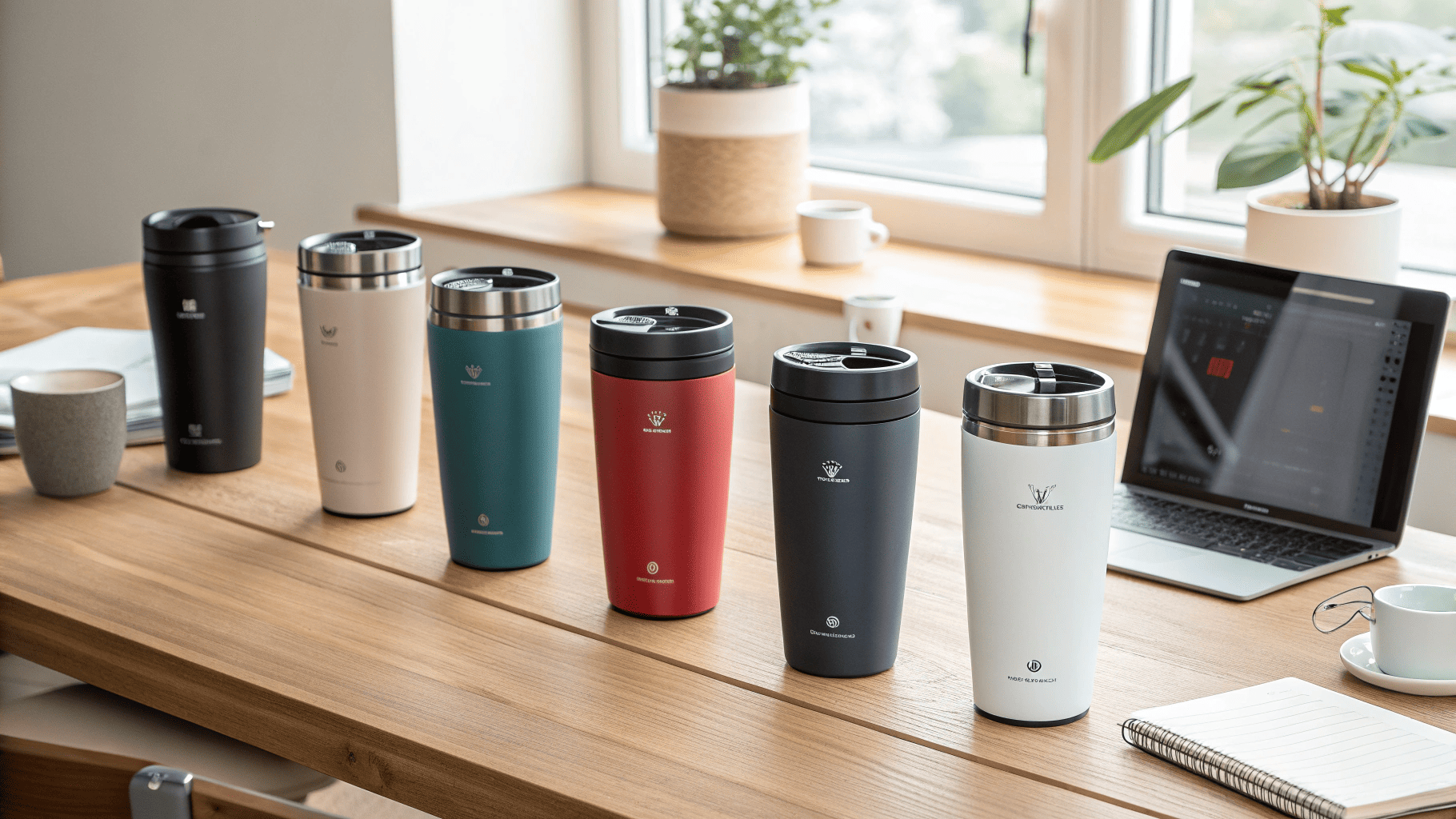
The manufacturing process itself provides validation opportunities. I observe the vacuum creation process between inner and outer walls. The vacuum formation happens after the double-wall structure assembly. Workers then weld and seal the bottle to ensure airtight integrity.
Quality control happens at multiple production stages:
| Production Stage | Test Method | What It Validates |
|---|---|---|
| Post-Welding | Air-tightness test | Vacuum seal integrity |
| Post-Assembly | Visual inspection | Surface defects, alignment |
| Pre-Packaging | Leak test | Cap seal, body seal |
| Final Check | Temperature test | Overall insulation performance |
I require suppliers to show me their testing equipment capabilities. The equipment quality directly affects test accuracy. I've visited factories with outdated testing machines that provide unreliable data. Modern insulation test machines use digital sensors that track temperature changes precisely.
The dishwasher safe test adds another validation layer. High-pressure liquid in dishwashers can enter poorly sealed bottles. I run bottles through multiple dishwasher cycles to verify seal integrity. A quality bottle maintains its vacuum even after repeated washing.
Material composition matters for insulation performance. The bottles use food-grade 18/8 stainless steel. This material composition (18% chromium, 8% nickel) provides durability and maintains the vacuum seal over time. Inferior materials corrode or warp, compromising insulation.
What is the thermal conductivity of vacuum insulation?
I explain thermal conductivity to buyers who ask about insulation science. The vacuum between stainless steel layers blocks heat transfer through convection and conduction. Heat still transfers through radiation, but at a much slower rate.
Thermal conductivity in vacuum insulation depends on vacuum quality and gap maintenance. The space between inner and outer walls must remain empty of air. Even small amounts of air allow heat transfer through conduction.
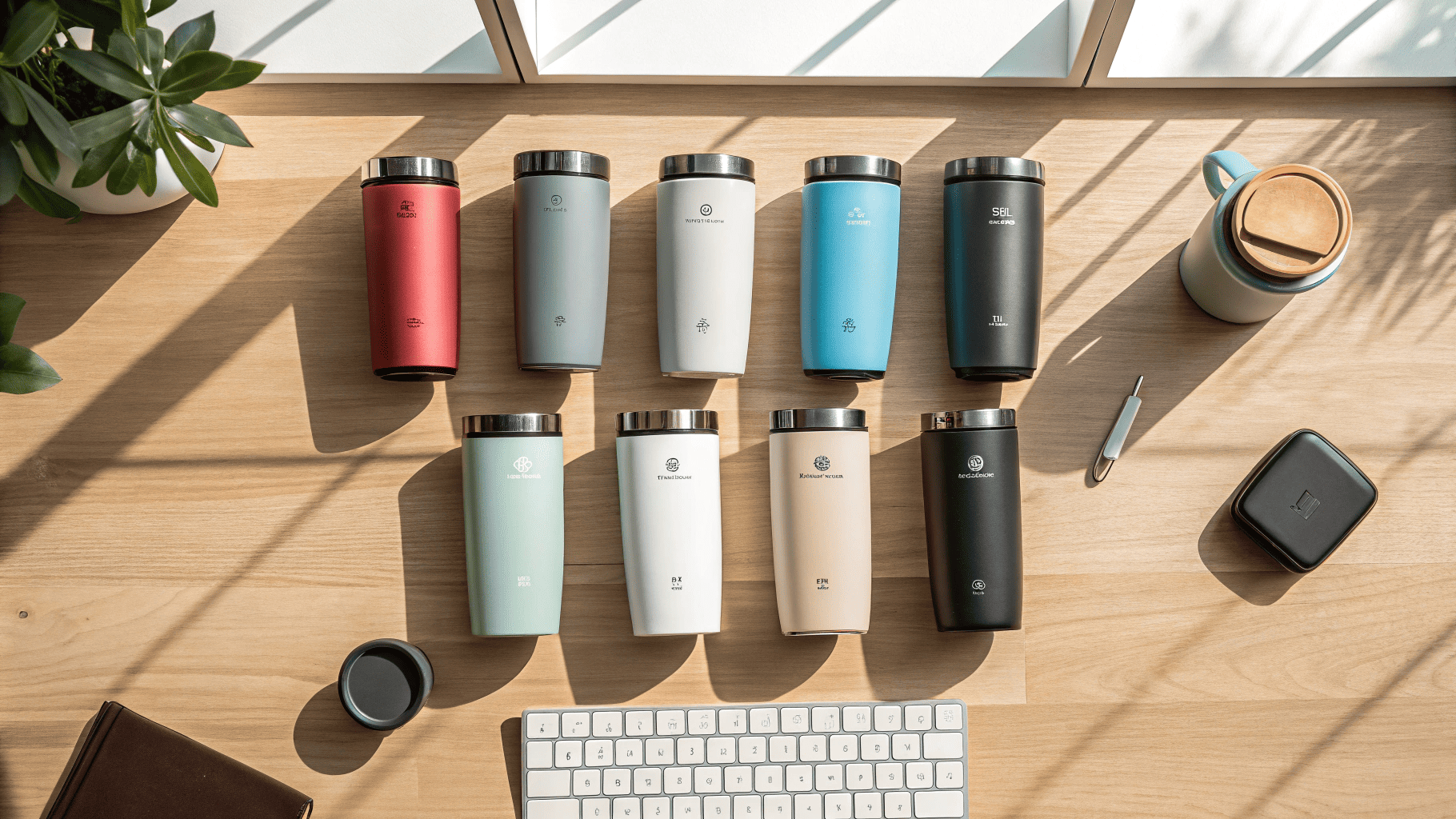
The vacuum creation process determines final insulation performance. I've tested bottles from manufacturers who skip proper vacuum procedures. These bottles feel similar to quality products but fail temperature tests within hours. The vacuum level must reach specific thresholds for effective insulation.
Heat transfer happens through three mechanisms:
| Transfer Type | How Vacuum Affects It | Impact on Performance |
|---|---|---|
| Convection | Eliminated (no air to circulate) | Major improvement |
| Conduction | Greatly reduced (minimal contact points) | Significant improvement |
| Radiation | Continues (vacuum can't block it) | Minor heat transfer remains |
The vacuuming process blocks heat conduction as much as possible. Heat conduction still occurs but at extremely low rates. I test this by measuring temperature decline curves. Quality bottles show gradual temperature changes over many hours. Poor insulation shows rapid temperature changes within the first few hours.
The reflective coating on the inner wall further reduces heat transfer through radiation. Some manufacturers skip this coating to reduce costs. I can measure the difference in insulation performance. Bottles with reflective coatings maintain temperature 15-20% longer than those without.
The gap between walls must maintain consistent spacing. Manufacturing defects that allow walls to touch create thermal bridges. These contact points allow heat to flow directly from inner to outer walls. I've rejected batches where bottles showed inconsistent performance due to wall contact.
Temperature retention data provides the clearest evidence of thermal conductivity. Quality bottles keep beverages cold for up to 24 hours and hot for up to 12 hours. Some premium models achieve cold retention for 12+ hours and warmth for 6+ hours. I verify these claims through my own testing before accepting bulk orders.
The double-wall vacuum insulation4 technology creates the foundation for temperature control. The technology works because the vacuum eliminates most heat transfer paths. I see this reflected in test results. Bottles with proper vacuum seals show temperature retention that matches or exceeds manufacturer specifications.
Air leaks destroy insulation performance instantly. I conduct leak tests on random samples from every production batch. The testing identifies bottles with compromised seals before they reach customers. This quality control step protects my reputation and ensures customer satisfaction.
Conclusion
I validate vacuum insulation claims through systematic lab testing and transparent manufacturing oversight. Heat preservation tests, leak tests, and drop impact tests provide objective evidence that supplements supplier promises and protects B2B buyers from costly mistakes.
-
Learn key factors B2B buyers should consider to avoid costly mistakes in product selection. ↩
-
Discover the significance of heat preservation testing in ensuring product reliability. ↩
-
Identify potential manufacturing defects that can compromise insulation quality. ↩
-
Gain insights into the technology behind double-wall vacuum insulation for better product choices. ↩
