
Best insulated coffee mugs for office desks in 2026: bases, lids, stability
You spill coffee on your desk during an important video call. Your drink goes cold before lunch. Your mug leaves water rings on documents. These problems cost you focus and productivity every single day.
The best insulated coffee mugs for office desks combine stable bases with anti-slip bottoms, leak-proof lids1 with one-handed operation, and double-wall vacuum insulation that keeps drinks hot for 6 hours or cold for 24 hours.
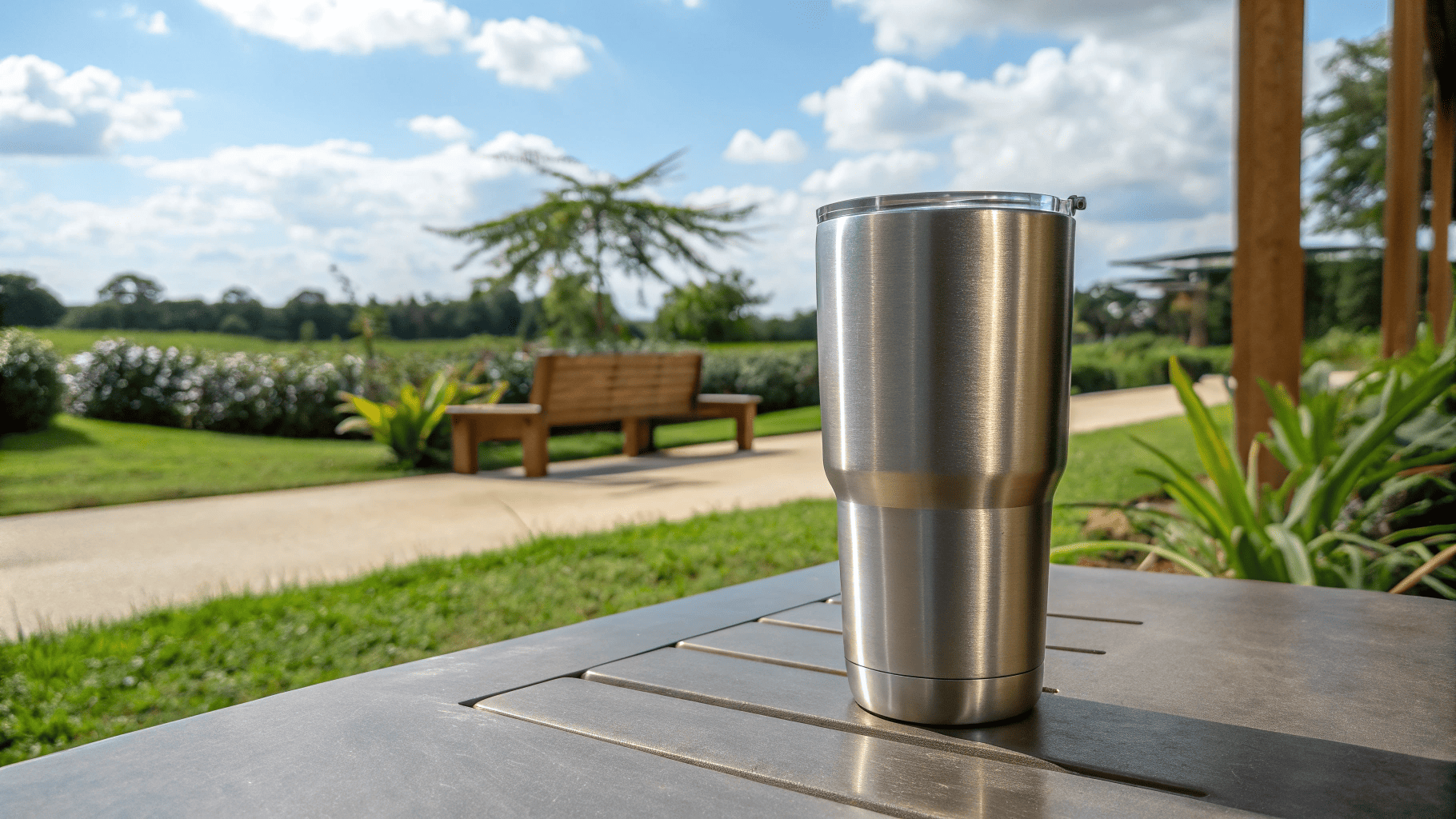
I remember the day my ceramic mug tipped over during a client presentation. The coffee spread across my keyboard. My team scrambled for paper towels. That moment changed how I think about office drinkware. I learned that the right mug needs three things: a base that stays put, a lid that actually seals, and insulation that works all day. Let me share what I discovered about choosing office mugs that solve real workplace problems.
Are ceramic coffee mugs better than stainless steel?
Your ceramic mug looks nice on your desk. It matches your office decor. But it lets your coffee go cold in 30 minutes and breaks when you knock it over.
Stainless steel coffee mugs outperform ceramic mugs for office use. They keep drinks hot for 2-6 hours through double-wall vacuum insulation2. They resist drops and daily wear. They never leach chemicals into your beverages.
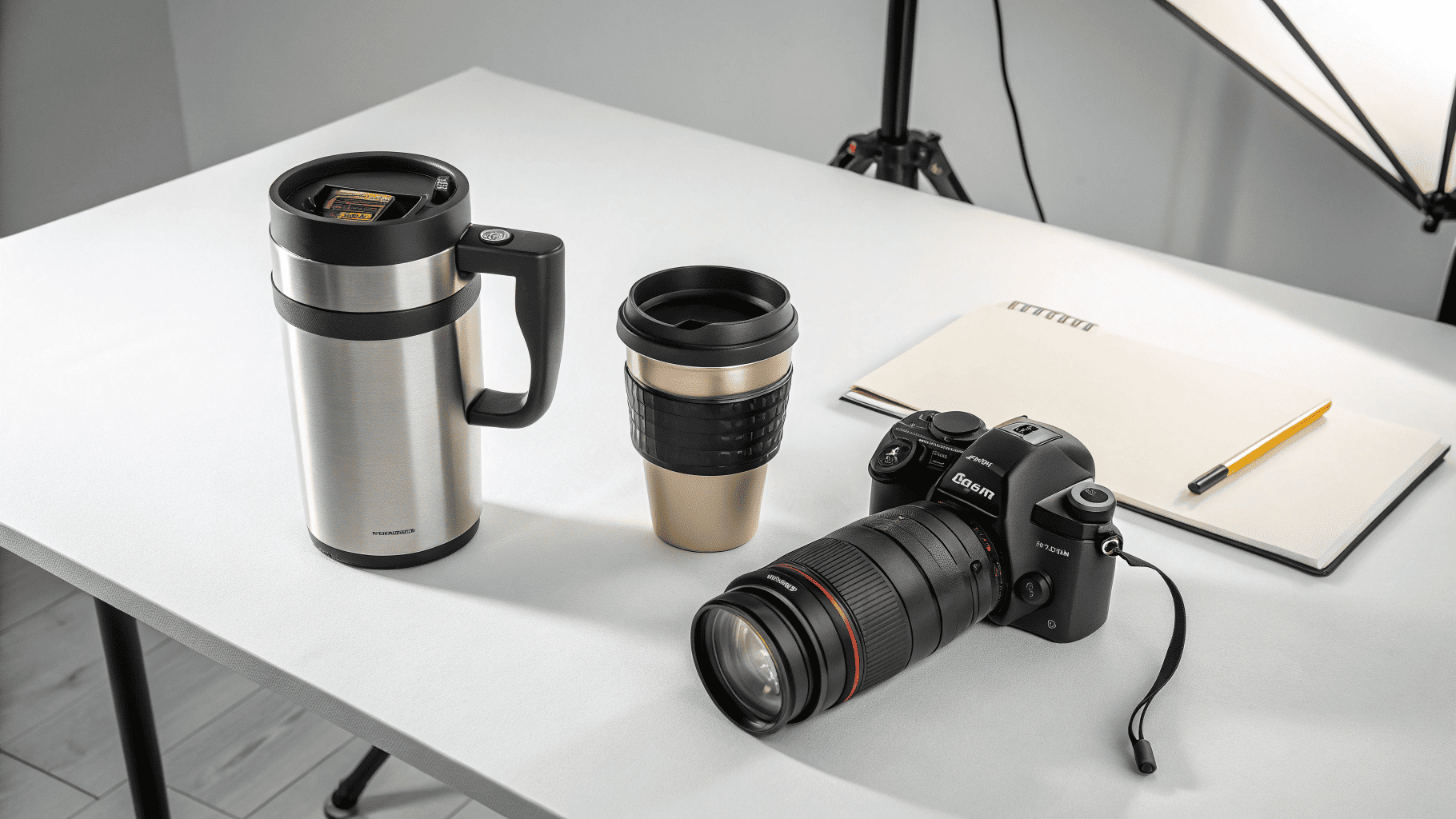
Material Performance Comparison
I switched from ceramic to stainless steel three years ago. My morning coffee now stays hot until my afternoon break. Ceramic mugs have a single wall construction. Heat escapes through the material quickly. Your coffee reaches room temperature before you finish your first work task.
Stainless steel mugs use 18/8 food-grade material. This means 18% chromium and 8% nickel. The combination creates a rust-resistant surface. The material never absorbs flavors or odors. I can drink coffee in the morning and switch to tea in the afternoon. No taste transfer happens between beverages.
| Feature | Ceramic Mugs | Stainless Steel Mugs |
|---|---|---|
| Hot retention | 30-45 minutes | 2-6 hours |
| Cold retention | 1 hour | 12-24 hours |
| Durability | Chips and breaks | Dent-resistant |
| Weight | Heavy | Lightweight |
| Safety | May contain lead in glaze | BPA-free, food-grade |
The vacuum insulation technology3 creates a barrier between two steel walls. Air cannot exist in this space. Heat transfer requires air molecules. Without air, temperature change happens slowly. This scientific principle keeps your drinks at the right temperature for hours.
Practical Office Benefits
I tested both materials in my daily routine. Ceramic mugs require careful placement on my desk. They tip over easily. Their weight makes them unstable on uneven surfaces. Stainless steel mugs weigh less. They come with silicone bottoms that grip desk surfaces.
Ceramic mugs cannot travel with you. They break in bags. They crack from temperature changes. I once poured hot coffee into a cold ceramic mug. The mug cracked down the middle. Stainless steel mugs handle temperature extremes without damage.
What insulated cup stays cold the longest?
Summer heat makes cold drinks warm up fast. You refill your cup multiple times per day. Ice melts before your first break. You waste time walking to the water cooler or coffee machine.
Vacuum-insulated stainless steel cups maintain cold temperatures for 24 hours. The double-wall construction creates an airless barrier. Heat cannot penetrate this barrier efficiently. Premium models add powder coating to prevent condensation.

Understanding Cold Retention Technology
I work in an office without great air conditioning. Summer temperatures reach uncomfortable levels. My old cups left puddles on my desk. Condensation dripped onto my papers and laptop. I needed a solution that kept drinks cold and my workspace dry.
Vacuum insulation works through physics principles. Two stainless steel walls sit separated by a vacuum space. The outer wall stays at room temperature. The inner wall stays at your drink's temperature. No air exists between these walls to transfer heat.
The powder coating on the exterior adds another protection layer. This coating prevents condensation from forming on the outside surface. I can hold my cup without wet hands. My desk stays dry all day. Documents remain safe from water damage.
Factors That Affect Cold Retention
I learned that cup design matters beyond insulation. The lid creates the biggest temperature leak point. Heat enters through any opening. Cups with sealed lids keep cold longer than open-top designs.
| Design Element | Impact on Cold Retention | Duration Increase |
|---|---|---|
| Double-wall vacuum | Blocks heat transfer | 12-18 hours |
| Sealed lid with gasket | Prevents warm air entry | +4-6 hours |
| Powder coating | Reduces condensation heat | +1-2 hours |
| Wide base design | Maintains stable temperature | +1 hour |
The cup size also affects retention time. Larger volumes lose temperature slower than small volumes. A 20 oz cup stays cold longer than a 12 oz cup with identical insulation. The ratio of surface area to volume creates this effect.
I fill my cup with ice and water at 7 AM. The ice remains solid at 7 PM. This performance exceeds ceramic or plastic cup capabilities by significant margins. I save time by eliminating refill trips. My productivity increases because I stay focused on work tasks.
Why are Stanley insulated cups so popular?
Everyone in your office uses the same cup brand. You see these cups in every meeting room. Your colleagues swear by their performance. You wonder what makes this brand different from cheaper alternatives.
Stanley cups gained popularity through proven thermal performance, ergonomic design4 features, and exceptional durability. They combine vacuum insulation with stable bases, multiple lid options, and lifetime warranties. Their reputation comes from consistent quality in office and outdoor environments.
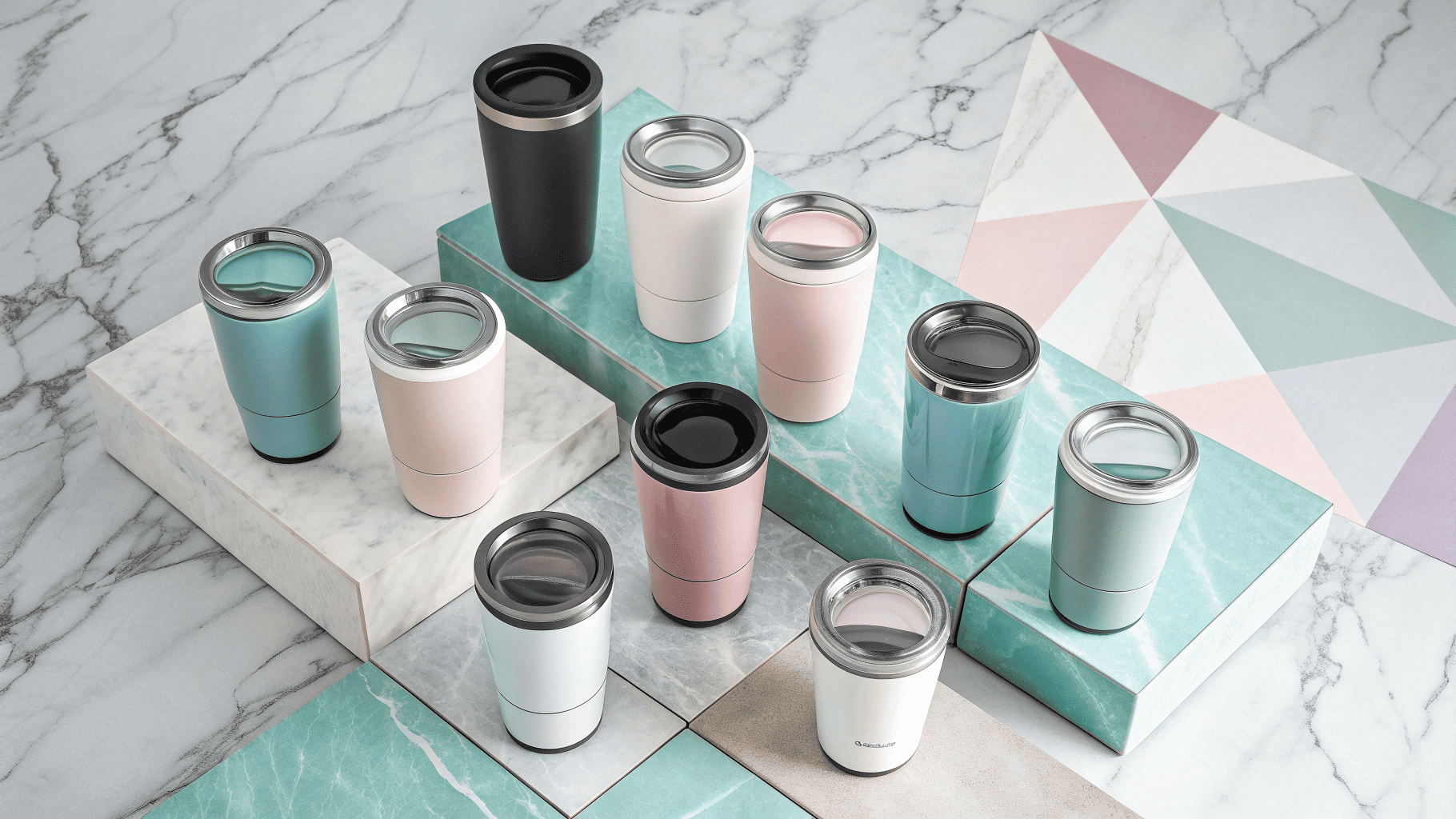
Brand Performance Analysis
I resisted buying premium cups for years. I thought all insulated cups worked the same way. I bought cheaper alternatives from various suppliers. They leaked after three months. Their insulation failed after six months. I spent more money replacing cheap cups than buying quality once.
Stanley and similar premium brands invest in quality control. They test each design element. The base width prevents tipping on desk surfaces. I experienced this difference during a video conference. My colleague's cheap cup tipped over from a slight bump. My Stanley cup stayed upright when I knocked it with my elbow.
The lid design separates premium brands from budget options. Stanley offers magnetic slider lids5 for one-handed operation. I can open my cup while typing emails. The magnetic closure snaps shut securely. No spills happen when I move my cup between meetings.
Design Features That Matter
Premium brands understand office worker needs. They create products that solve real problems. The translucent lids let me check beverage levels without opening the cup. I know when I need a refill without interrupting my work flow.
| Feature Category | Standard Cups | Premium Brand Cups |
|---|---|---|
| Base stability | Flat bottom | Silicone anti-slip ring |
| Lid options | Single basic lid | Multiple specialized lids |
| Warranty | 90 days or none | Lifetime replacement |
| Powder coating | Often chips | Durable finish |
| Handle design | Uncomfortable grip | Ergonomic curves |
The powder coating quality differs between brands. Cheap cups show wear marks after one month. The coating chips from normal desk contact. Premium brands use automotive-grade powder coating. My cup looks new after two years of daily use.
Value Proposition for Office Environments
I calculated the real cost difference. A premium cup costs three times more than a budget option. But premium cups last five years or more. Budget cups need replacement every six months. The premium cup costs less over its lifetime.
Office professionals value reliability. We cannot afford spills during important calls. We need drinks that stay at the right temperature during long work sessions. Premium brands deliver consistent performance. This consistency justifies the higher initial investment.
The social aspect also matters. Office culture influences purchasing decisions. When everyone uses quality drinkware, it becomes a workplace standard. Teams bond over shared product choices. This social proof drives adoption of premium brands in professional settings.
I source drinkware for companies globally. My clients ask for Stanley-quality products with custom branding. They understand that giving employees quality tools improves morale. The cup on someone's desk becomes a daily reminder of company values. Premium drinkware communicates that the organization cares about details.
Conclusion
Choose insulated mugs with stable bases, sealed lids, and proven vacuum insulation. These features prevent spills, maintain temperature, and survive daily office demands better than any alternative.
-
Find out why leak-proof lids are essential for preventing spills and maintaining a clean workspace. ↩
-
Learn about the science behind double-wall vacuum insulation and how it keeps your drinks at the perfect temperature. ↩
-
Explore the principles of vacuum insulation technology and its benefits for keeping drinks hot or cold. ↩
-
Explore how ergonomic design enhances comfort and usability in insulated mugs. ↩
-
Explore the convenience of magnetic slider lids for easy one-handed operation. ↩