
Which insulated coffee mugs with handles keep taste neutral and odor-free?
I meet buyers every week who complain about coffee mugs that ruin beverage flavors. Their customers return products because the coffee tastes like yesterday's tea. This problem costs them money and reputation.
The best insulated coffee mugs with handles use 18/8 food-grade stainless steel with electropolished interiors. This combination prevents flavor transfer and odor retention. The double-wall vacuum design1 keeps drinks at the right temperature without affecting taste.
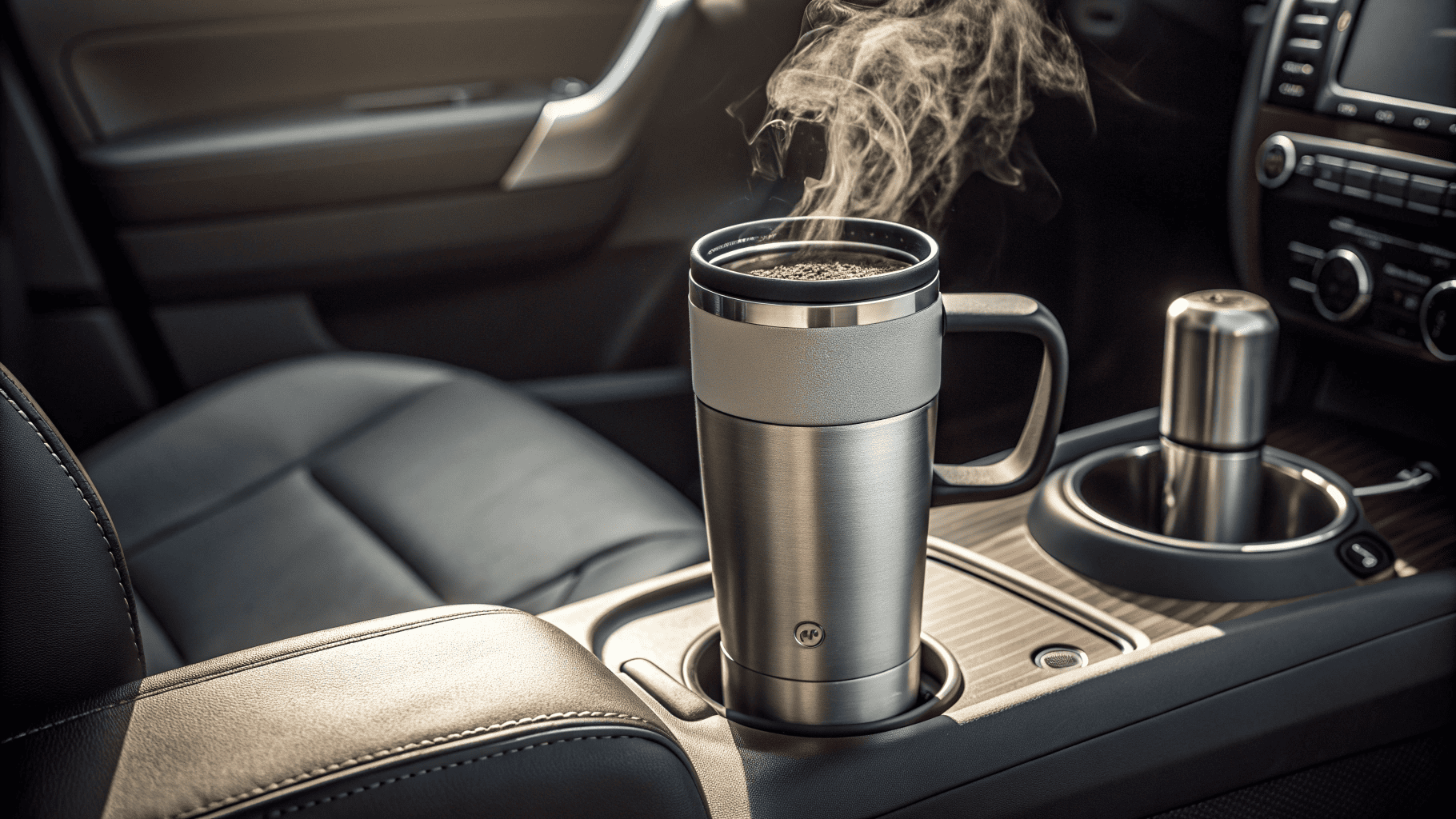
I started manufacturing stainless steel drinkware in China years ago. My customers from America and Europe taught me something important. The material you choose makes or breaks the drinking experience. I learned this the hard way when a Canadian buyer returned an entire shipment because the mugs retained coffee smell.
Which is better ceramic or stoneware coffee mugs?
Your customers want mugs that work every day without breaking. Ceramic and stoneware look nice but they crack easily. I see this problem all the time with buyers who switch from traditional materials.
Stainless steel mugs outperform both ceramic and stoneware for insulation and durability. They do not break when dropped. The vacuum layer keeps beverages hot for 6 hours and cold for 12 hours. Ceramic cannot match this performance.

Material Comparison for B2B Buyers
I work with procurement officers who need facts. Let me break down the real differences between these materials.
Ceramic mugs absorb flavors over time. The porous surface traps coffee oils and tea particles. You can scrub them but the smell stays. Stoneware has the same problem. These materials also chip at the rim. Your customers will complain about this.
Stainless steel solves these issues. The 18/8 grade I use contains 18% chromium and 8% nickel. This composition creates a non-reactive surface. Coffee and tea do not interact with the metal. The flavor stays pure every single time.
| Material | Heat Retention | Drop Resistance | Odor Retention | Weight |
|---|---|---|---|---|
| Ceramic | 30-45 minutes | Low | High | Heavy |
| Stoneware | 30-45 minutes | Low | High | Very Heavy |
| Stainless Steel | 6+ hours | Very High | None | Light |
The double-wall construction creates an air gap. This gap blocks heat transfer. Ceramic and stoneware cannot do this because they are single-layer materials. The vacuum seal in stainless steel mugs stops heat from escaping.
I add powder coating to the exterior. This coating provides grip and prevents burns. Ceramic gets too hot to hold. Your customers need to use a sleeve or wait for the mug to cool down.
Long-Term Cost Analysis
Ceramic mugs break during shipping. I see this with buyers who import from developing countries. The replacement costs eat into profit margins. Stainless steel survives rough handling. One shipment to Canada survived a container drop at the port. None of the mugs dented.
The lifespan matters for your brand reputation. Ceramic lasts one to two years with daily use. Stainless steel lasts ten years or more. Your customers remember products that work forever.
What are the most popular insulated cups?
Buyers ask me about trends every month. The market changes but some features stay popular. Understanding these preferences helps you stock the right inventory.
The most popular insulated cups feature ergonomic handles, powder-coated finishes, and 12-16 oz capacity. Double-wall vacuum construction is standard. Customers want lids that seal completely to prevent spills during commutes.

Current Market Preferences
I ship containers to America and Europe monthly. The data from my orders shows clear patterns. Let me share what procurement officers actually buy.
Handle design drives purchasing decisions. The handle needs to fit three fingers comfortably. I use a rounded grip that distributes weight evenly. Square handles hurt after holding them for a few minutes. Your customers will notice this difference immediately.
Capacity matters for different markets. American buyers prefer 16-20 oz sizes. European buyers order more 12-14 oz mugs. I adjust my inventory based on these preferences. The thermal performance changes with size. Larger mugs hold heat longer because the liquid volume is bigger.
Lid technology makes or breaks sales. I offer three lid types in my product line. Sliding lids work for office use. Flip lids suit car cup holders. Screw-on lids provide the best seal for backpacks. Most buyers order the sliding lid version because it is easy to operate with one hand.
The exterior finish affects reorder rates. I learned this from a buyer in Texas who tested five different finishes. The powder coating won every time. It does not show fingerprints. The color stays bright after hundreds of washes. Polished stainless steel looks good in photos but gets scratched quickly.
Features That Drive Repeat Orders
Temperature retention tops the priority list. My mugs keep hot beverages warm for 6 hours minimum. Cold drinks stay cold for 12 hours. I test every batch before shipping. The vacuum seal must be perfect or the performance drops by 50%.
Easy cleaning determines customer satisfaction. I electropolish the interior surface. This process removes microscopic roughness. Coffee oils cannot stick to the smooth surface. Your customers can rinse the mug without scrubbing.
Weight balance affects daily use. The handle placement needs to align with the center of gravity. I position the handle slightly higher than center. This placement prevents the mug from tipping when placed on uneven surfaces.
Is Yeti the best coffee mug?
Brand names sell products but performance sells reorders. I respect Yeti because they built strong brand recognition. The question is whether their mugs justify the price difference.
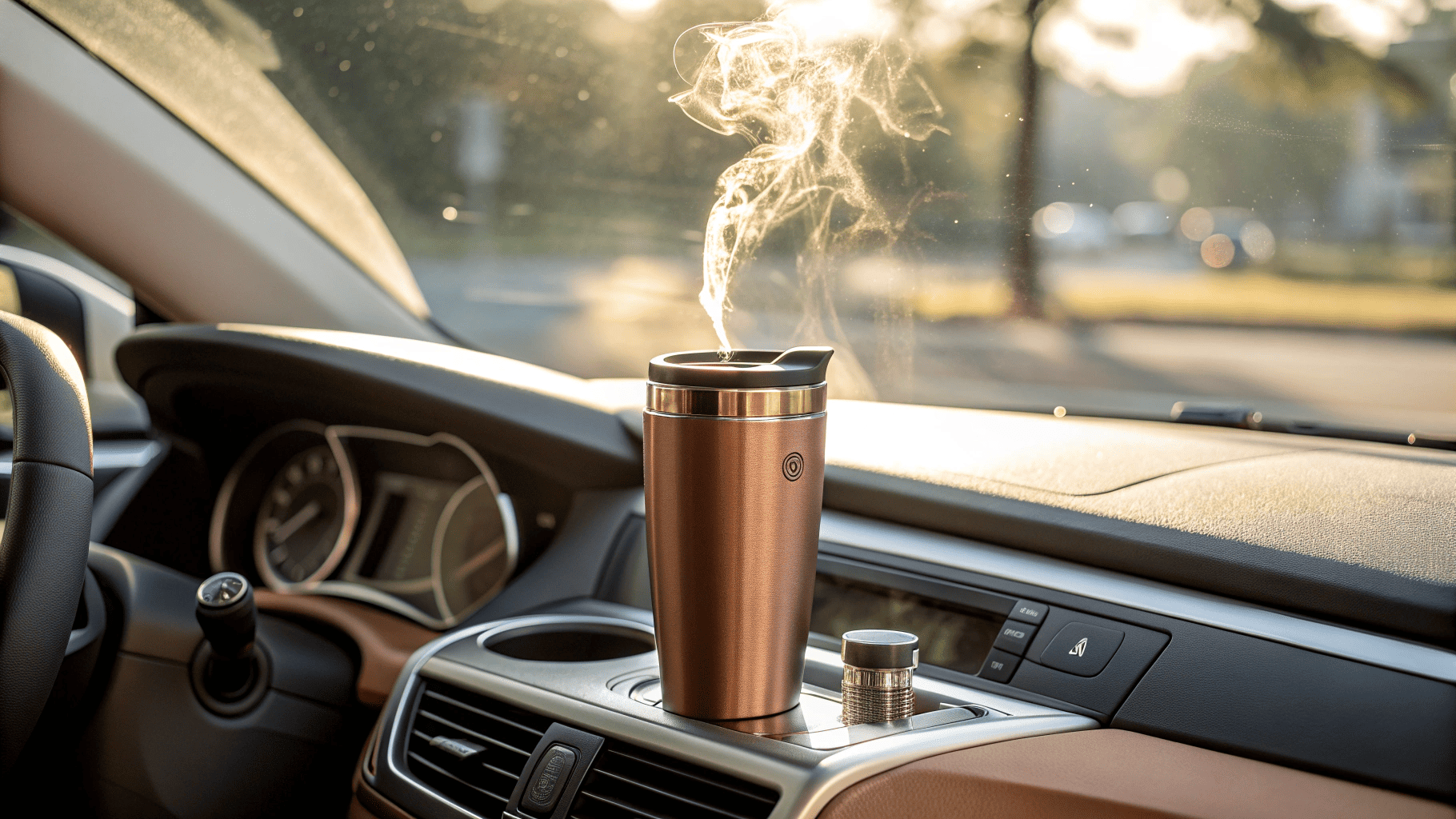
Yeti mugs perform well but similar quality exists at lower prices. The key factors are 18/8 stainless steel, electropolished interiors2, and proper vacuum sealing. Many manufacturers including my factory produce mugs with identical specifications.
Performance Testing Results
I ran side-by-side tests with my buyer from Canada. We compared my mugs against Yeti using the same testing protocol. The results surprised him.
Both mugs used 18/8 food-grade stainless steel. Both had electropolished interiors. Both featured double-wall vacuum construction. The thermal performance3 was identical. Hot coffee stayed warm for 6 hours in both mugs. Cold water remained cold for 12 hours in both mugs.
The price difference was significant. Yeti charged three times more than my wholesale price. My buyer calculated his profit margin. He could sell my mugs at half the Yeti retail price and still make better margins. His customers could not tell the difference in blind taste tests.
Build quality matched across both products. I use the same thickness stainless steel as Yeti. The welds are clean and smooth. The vacuum seal passes the same pressure tests. The handle attachment points use the same reinforcement method.
What Makes a Premium Mug
I learned from working with over 200 buyers. They taught me what customers actually care about. Brand names matter less than you think. Performance matters more than anything else.
The stainless steel grade determines taste neutrality. I only use 18/8 food-grade material. This grade is certified BPA-free and Lead-free. Cheaper manufacturers use 18/0 grade. The zero nickel content makes the steel reactive. Coffee tastes metallic in these mugs.
Interior treatment prevents odor retention. I electropolish every mug in my factory. This process creates a mirror-smooth surface. Bacteria cannot grow in microscopic pits because there are no pits. Your customers can switch from coffee to tea without flavor transfer.
The vacuum seal quality affects lifespan. I weld the inner and outer walls together at a single point. This point is at the rim. Any additional connection points create heat bridges. Heat bridges reduce insulation performance by 30% or more.
Certification proves material quality. I provide FDA certification4 for the stainless steel. I provide LFGB certification for European markets. These certificates cost money to obtain. Buyers who skip certification risk customs problems and customer complaints.
Private Label Opportunities
My B2B model works because I focus on customization. You can print your logo on my mugs. You can choose any color from the RAL chart. The powder coating process allows endless color combinations.
The minimum order quantity is reasonable. I require 500 pieces per design. This quantity fits most startup budgets. Larger orders get better pricing. My Canadian buyer started with 1000 pieces. He now orders 10000 pieces quarterly.
Lead time runs 30-45 days including customization. I handle the logistics to your country. My team manages customs documentation. You receive the container at your warehouse ready to sell.
Quality control happens at three stages. I inspect raw materials when they arrive. I check mugs after manufacturing but before customization. I verify the final product before shipping. This process catches problems before they reach your customers.
I learned something important after ten years in this business. The best coffee mug is the one your customers buy again. Brand names help with the first purchase. Performance drives the second purchase and all future purchases. Focus on specifications instead of brand names. Your profit margins will thank you.
Conclusion
Choose mugs with 18/8 stainless steel and electropolished interiors. These specifications guarantee taste neutrality and odor-free performance. Your customers will reorder when the product delivers what it promises.
-
Understand the science behind double-wall vacuum design and its role in temperature retention. ↩
-
Find out how electropolished interiors enhance the drinking experience by preventing flavor transfer. ↩
-
Learn about the key elements that influence how well coffee mugs retain heat and cold. ↩
-
Discover the significance of FDA certification in ensuring the quality and safety of coffee mugs. ↩