
What AQL should you set for lid seals on insulated travel coffee mugs?
Last quarter, I lost a $50,000 order because the buyer found three defective seals in a 200-piece sample. The seals looked fine to me, but they failed his leak test.
For lid seals on insulated travel coffee mugs, set AQL 1.51 for critical defects like torn or missing seals, and AQL 2.5 for major defects such as misaligned seals. This balance protects your leak-proof guarantee while keeping costs reasonable for B2B orders.

I learned this lesson the hard way. My buyer Mark tested every single mug after that incident. He filled them with hot coffee and turned them upside down for 10 minutes. The defective seals leaked immediately. We had to rework the entire batch. Since then, I've helped dozens of buyers set proper AQL standards for their orders. The right AQL protects both quality and profit margins.
How to put rubber seal back on thermos?
Many buyers ignore this question until customers start complaining. Your quality control team2 needs to test seal reinstallation3 dozens of times before shipping.
To put a rubber seal back on a thermos, align the seal's groove with the lid's rim channel and press firmly around the entire circumference. The seal should snap into place without stretching or forcing.
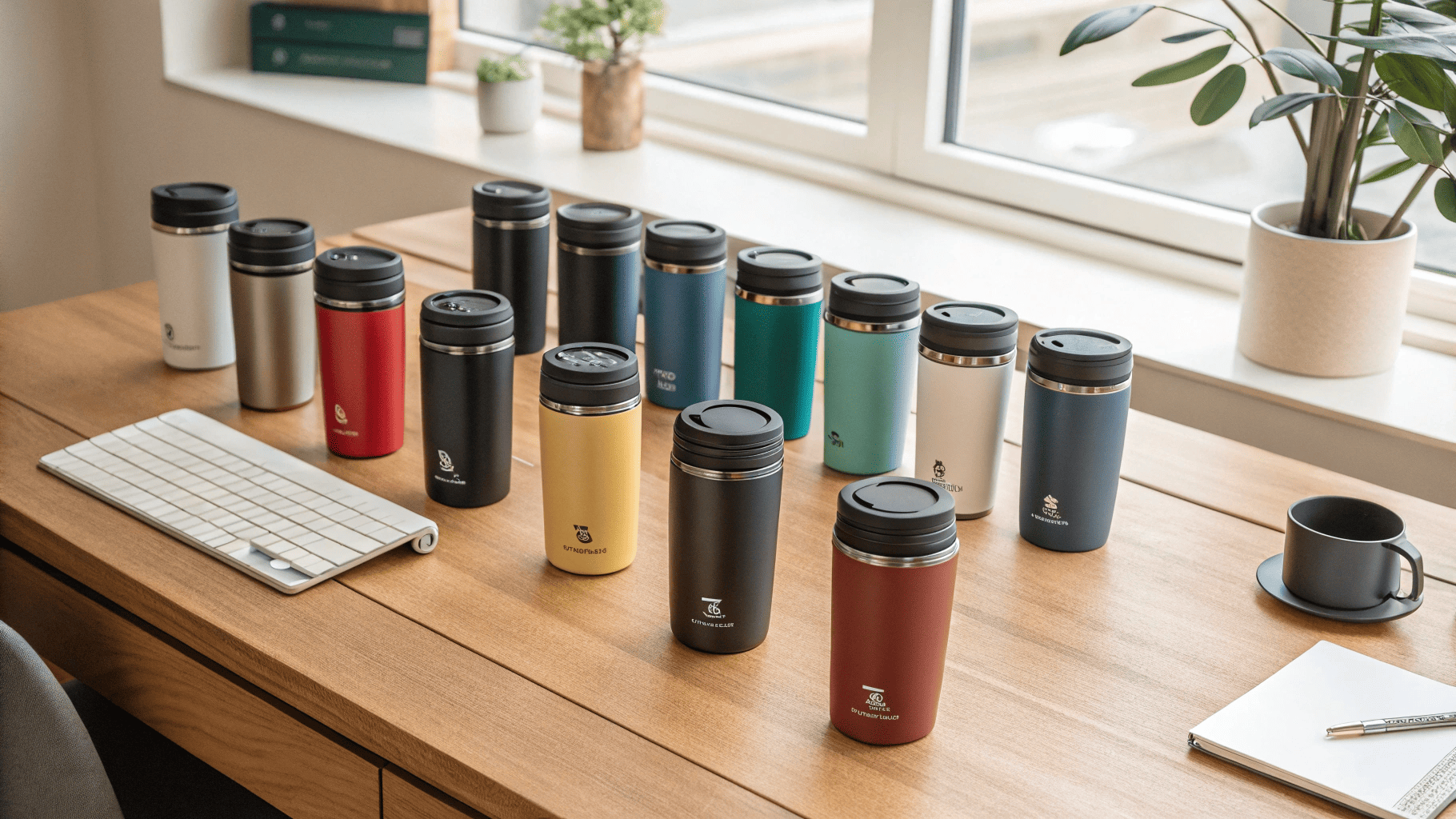
I test this process myself before approving any new lid design. I remove the seal and put it back at least 20 times. If it becomes difficult after 10 cycles, the design fails. The seal must maintain its shape and elasticity through repeated removal and cleaning.
Your AQL standards need to account for this user behavior. I once worked with a startup founder who designed a beautiful vacuum mug. The seal looked perfect in the factory. But customers couldn't figure out how to put it back after washing. The seal had three grooves that needed precise alignment. We received 200 complaints in the first month.
We changed the design to a single-groove seal. The new seal went back in easily every time. Customer complaints dropped to zero. The manufacturing cost4 increased by $0.15 per unit, but we avoided thousands in returns and refunds.
Your quality inspector should test seal reinstallation on every sample during inspection. If the seal doesn't snap back easily, reject the batch. This simple test catches dimensional inconsistencies that laboratory measurements might miss.
| Seal Design Feature | Impact on Reinstallation | AQL Consideration |
|---|---|---|
| Single groove | Easy alignment | Standard AQL 2.5 acceptable |
| Multiple grooves | Requires precise positioning | Tighten to AQL 1.5 |
| Thick silicone (3mm+) | More force needed | Check compression resistance |
| Thin silicone (<2mm) | Tears easily | Critical defect at AQL 1.5 |
How to clean an insulated coffee cup lid?
Your customers clean their lids daily. The seal must survive hundreds of cleaning cycles5 without losing its leak-proof properties.
To clean an insulated coffee cup lid, remove the rubber seal and wash both parts separately with warm soapy water. Rinse thoroughly and dry completely before reassembling to prevent mold growth and maintain seal integrity.
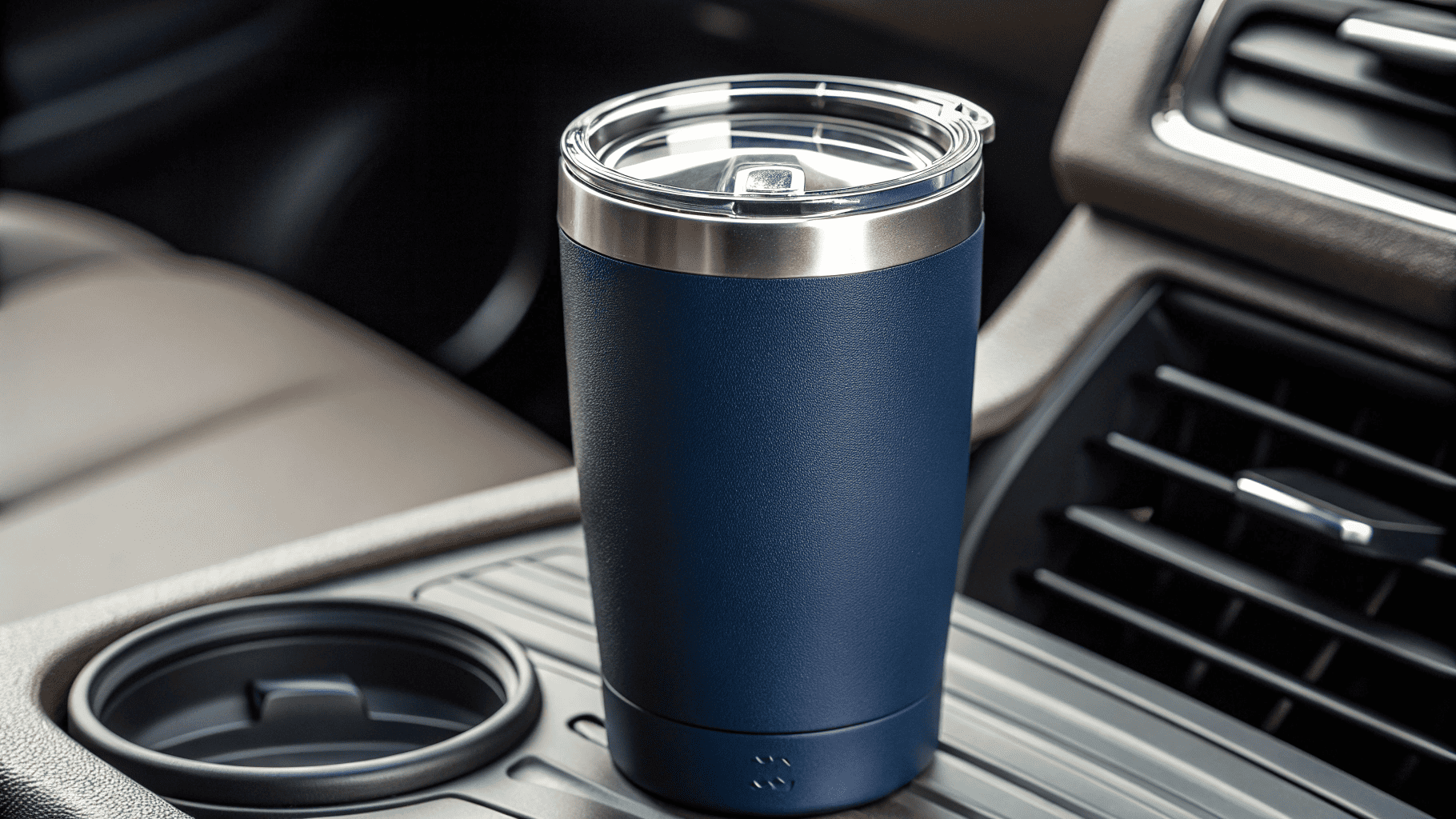
I test this cleaning process during every factory visit. I take a sample lid and wash it 50 times in hot water with dish soap. I check three things: does the seal maintain its shape, does it still create a watertight fit, and can I still remove and reinstall it easily.
Last year, a buyer ordered 10,000 mugs with complex flip-top lids. Each lid had two drinking ports with separate silicone seals. The design looked impressive. But cleaning became a nightmare. Customers had to remove four separate seals, clean six different parts, and reassemble everything correctly.
The return rate hit 15% within three months. Most customers didn't complain about quality. They just found the maintenance too complicated. We redesigned the lid with a single removable seal and integrated drainage channels. Cleaning time dropped from five minutes to 30 seconds.
Your AQL standards should reflect real-world cleaning requirements. I recommend testing seals after simulated cleaning cycles. Take 20 samples and put them through 100 wash cycles. Check for these defects:
- Seal deformation or shrinkage
- Loss of elasticity or hardness changes
- Surface degradation or discoloration
- Reduced grip in the lid channel
- Mold growth in seal crevices
If more than 3 samples show any of these issues, your seal material needs upgrading. Food-grade silicone costs more than standard rubber, but it maintains performance through hundreds of cleaning cycles. Your European and American buyers expect this durability level.
The dishwasher test matters too. Even if you label the product "hand wash only," some customers will use the dishwasher. I put sample lids through 50 dishwasher cycles at 65°C. The seal should emerge unchanged. If it warps or hardens, you need better material.
How do you clean the lid of a Yeti cup?
Buyers ask me this question because they want their products to match Yeti's quality standards6. Understanding premium product maintenance helps set proper AQL levels.
To clean a Yeti cup lid, disassemble all removable parts including the rubber gasket, wash each piece with warm soapy water or place in the dishwasher's top rack, then air dry completely before reassembly.
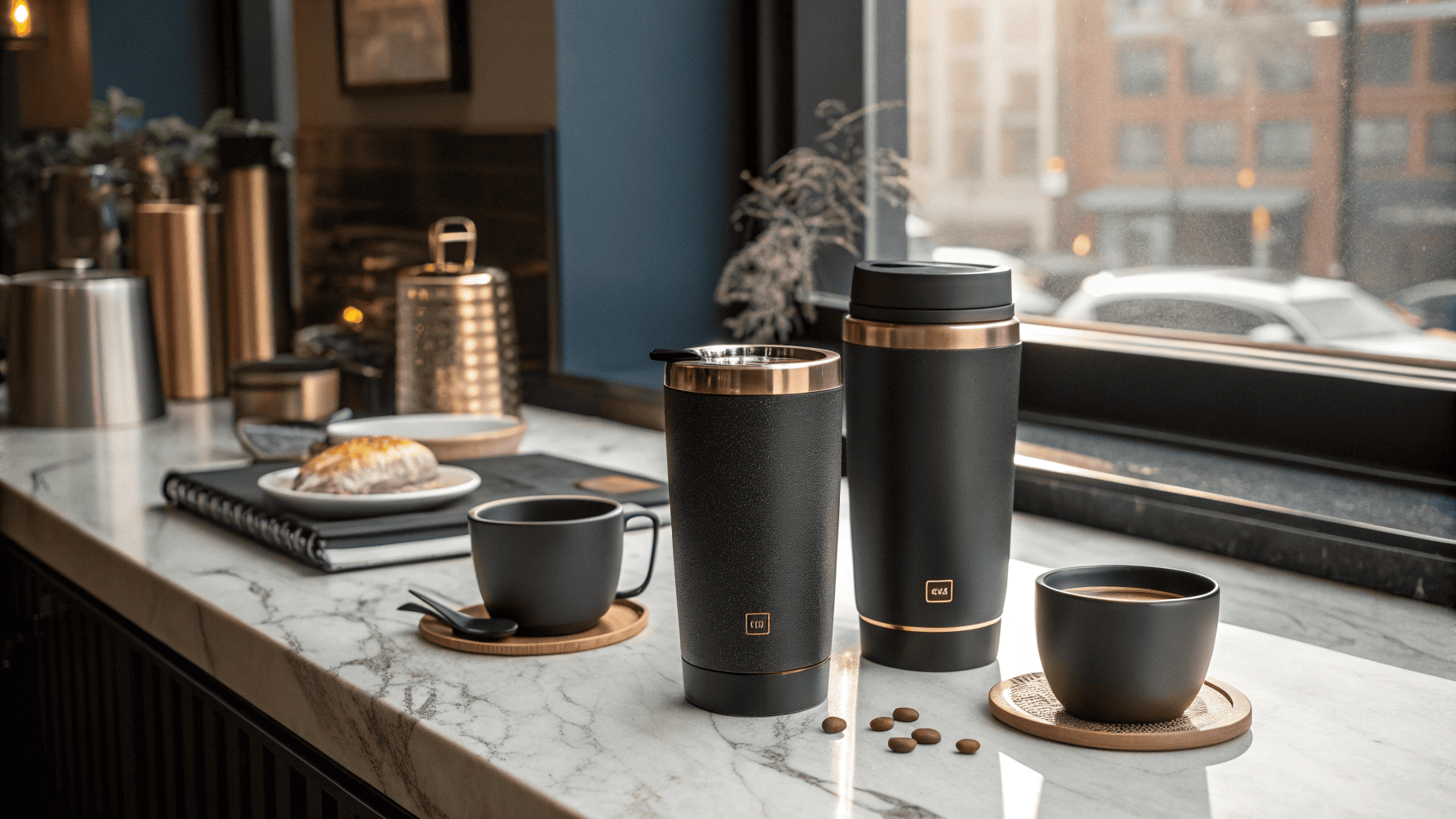
Yeti built their reputation on durability and easy maintenance. Their lids use high-quality silicone seals that withstand extreme conditions. I've tested their seals extensively to understand what premium buyers expect.
Their seal quality teaches important lessons for AQL setting. Yeti can command premium prices because their seals never fail. I've personally used the same Yeti mug for three years. I clean it daily in my dishwasher. The seal still creates a perfect vacuum every time.
This durability level requires strict quality control. Your factory might propose AQL 4.0 to reduce inspection costs. Don't accept it. Premium markets demand Yeti-level performance. That means AQL 1.5 for critical defects minimum.
I worked with a buyer who wanted to compete with Yeti on quality but not price. We set AQL 1.0 for seal defects. Manufacturing cost increased by $0.30 per unit. But his return rate stayed under 1%, compared to 5% for his previous supplier who used AQL 4.0.
The math works in your favor. A $0.30 increase in manufacturing cost prevents a $15 refund plus $8 shipping for each return. At 4% return rate on 10,000 units, you save $91,700 in return costs. The tighter quality control only adds $3,000 to your total order cost.
Your quality inspector should compare your seals directly to Yeti products during inspection. I bring actual Yeti lids to the factory. We test both products side by side. If my samples can't match Yeti's performance, we don't ship.
| Quality Metric | Yeti Standard | Your AQL Target | Test Method |
|---|---|---|---|
| Leak-proof seal | 100% success | AQL 1.5 critical | Pressure test at 15 PSI |
| Temperature retention | 6+ hours hot | 5+ hours minimum | Thermometer test every 30 min |
| Seal reinstallation | Effortless | Easy after 50 cycles | Manual removal/installation test |
| Cleaning cycles | 500+ dishwasher | 300+ without degradation | Accelerated aging test |
| Material safety | FDA approved | FDA or LFGB certified | Request certificates |
I've shipped over 2 million mugs to North American buyers. The ones who succeed all follow similar quality standards. They understand that seal quality determines customer satisfaction more than any other component. A beautiful mug with a faulty seal becomes garbage. A simple mug with a perfect seal gets used daily for years.
Your factory will pressure you to relax AQL standards. They'll argue that tighter inspection increases costs and delays shipments. Stand firm. The cost of defects always exceeds the cost of prevention.
Conclusion
Set AQL 1.5 for critical seal defects and test real-world cleaning scenarios during inspection. Your investment in quality control pays for itself through reduced returns and increased customer loyalty.
-
Understanding AQL 1.5 helps ensure critical defects are minimized, protecting your product's integrity and customer satisfaction. ↩
-
Exploring the functions of a quality control team can help improve product quality and customer satisfaction. ↩
-
Understanding proper seal reinstallation techniques can enhance user experience and reduce customer complaints. ↩
-
Understanding the relationship between manufacturing costs and pricing can help in making informed business decisions. ↩
-
Knowing the limits of cleaning cycles for seals can help in designing durable products that meet customer expectations. ↩
-
Learning best practices for quality standards can enhance product reliability and customer satisfaction. ↩